What to eat as NHS GP warns ‘proteinmaxxing’ diet may not be best for gut health

Right now, it seems like every brand is making a ‘proteinmaxxed’ version of the original.
Head down to your local supermarket, and you’ll find boxes of protein Weetabix, cartons of protein Alpro soya milk and even a protein Snickers, if you fancy it.
And while a study published in the British Journal of Nutrition suggested that moderate protein intake seems to have minimal effects on microbial diversity, chronic high intake may disrupt gut microbiota composition.
Too much may increase intestinal permeability, promote chronic low-grade inflammation, and impair mucosal immunity, as per the study.
Advert
If you’re worried about eating too much protein (adults should be eating around 0.75g per kg of body weight per day), then Dr Rupy Aujla, an NHS GP and nutritional medicine advocate behind the leading recipe site The Doctor’s Kitchen, has urged you to try chowing down on another nutrient instead.

He told The Independent that if you are serious about wanting to support your gut health, you should stop obsessing over protein and instead start consuming fibre.
Describing microbes in the large intestine as ‘mini pharmaceutical factories’, Dr Aujla said that fibre is key for them to work to reduce inflammation, support the immune system, and improve sugar balance.
“It’s essentially about giving them the variety that they want and the core substrate, which is fibre.
“Most people think of brown flakes. I think of things like legumes, pulses, nuts and seeds,” explaining that fruit and vegetables were also vital dietary additions as they offer novel plant chemicals.
“We tend to concentrate our diets around a few ingredients in the supermarket, but there are literally hundreds, if not thousands, of different things that we can consume that our microbes would love the opportunity to eat.
“And so looking at those different categories within legumes and fruits and vegetables is the easiest way to improve your gut health.”
If you don’t eat much fibre and want to start, Dr Aujla said you should start adding the nutrient slowly but surely into your diet.
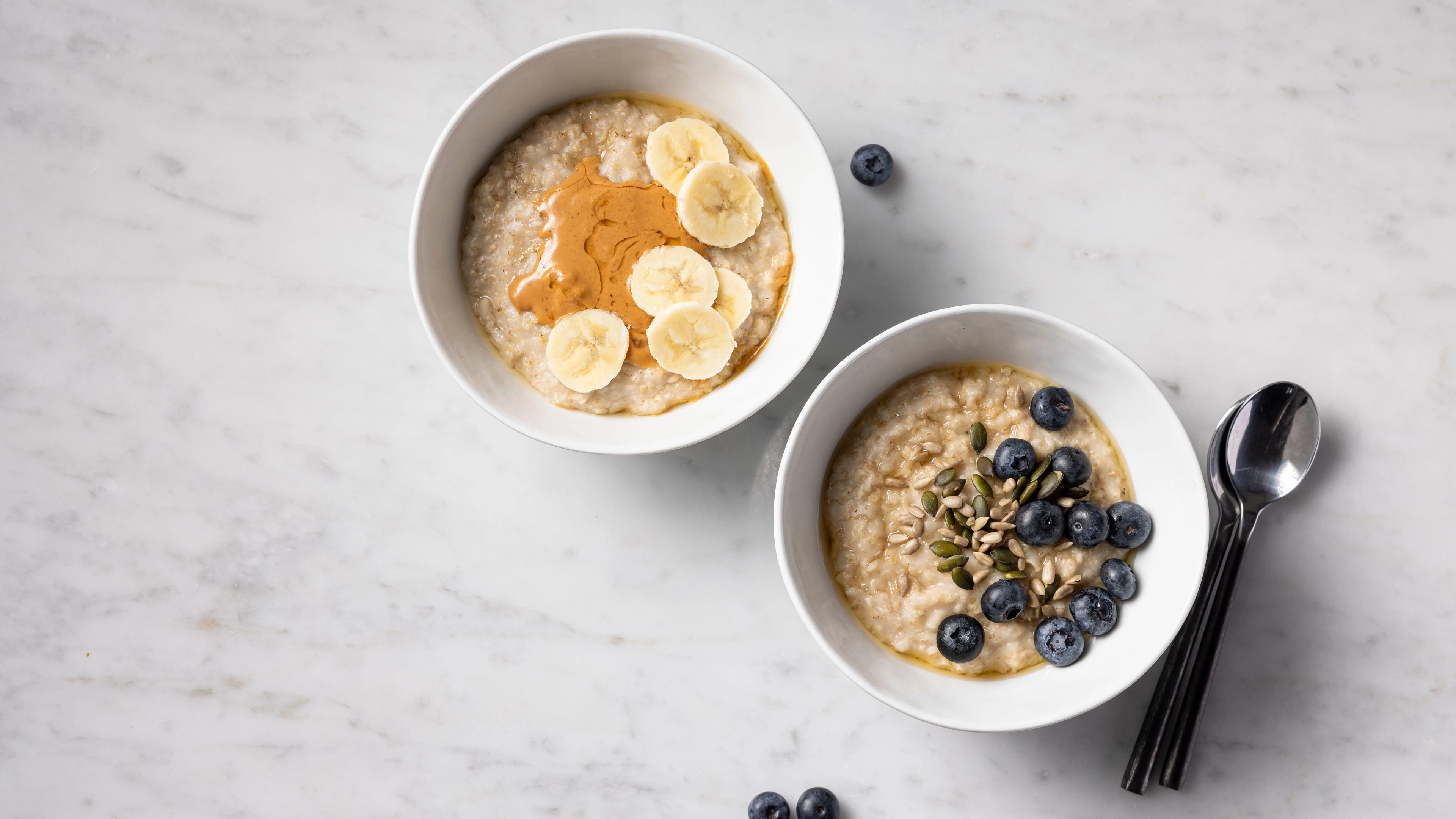
This could look like a spoonful of cooked legumes every day, adding a handful of beans to your lunchtime meals, or sprinkling nuts and seeds onto your breakfast porridge or cereal like nutritionist Rhiannon Lambert suggested.
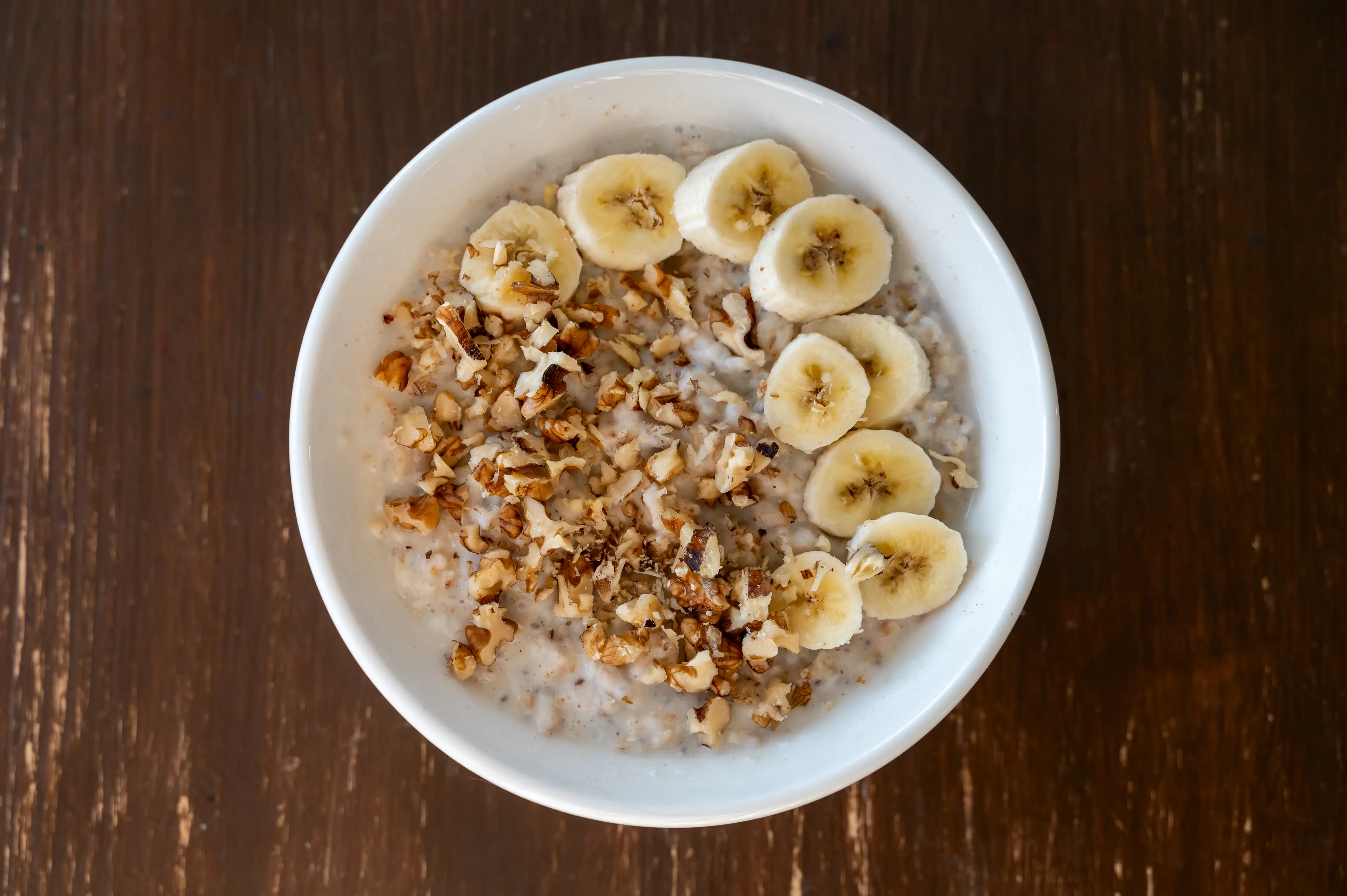
“At home, I keep a jar of mixed seeds on the kitchen table, and my kids call them 'sprinkles’,” she explained.
“They go onto yoghurt, porridge, cereal, toast - whatever breakfast looks like that day. That one small habit increases fibre intake every single morning without anyone having to think about it.”
The Sunday Times bestselling author also recommends putting chickpeas in salad, adding a handful of berries to your go-to breakfast, or snacking on nuts.
Symptoms of not eating enough fibre
A lack of dietary fibre can manifest in various ways, including feeling hungry immediately after eating, the need to snack frequently, or feeling bloated and sluggish on the regular, said Lambert.
Being constipated and developing haemorrhoids are also signs that you need to up your intake, according to EatingWell.
Haemorrhoids that keep coming back and don’t improve should be discussed with a healthcare provider.
 Ella Scott