Blueberries could help to ease symptoms of depression in adults

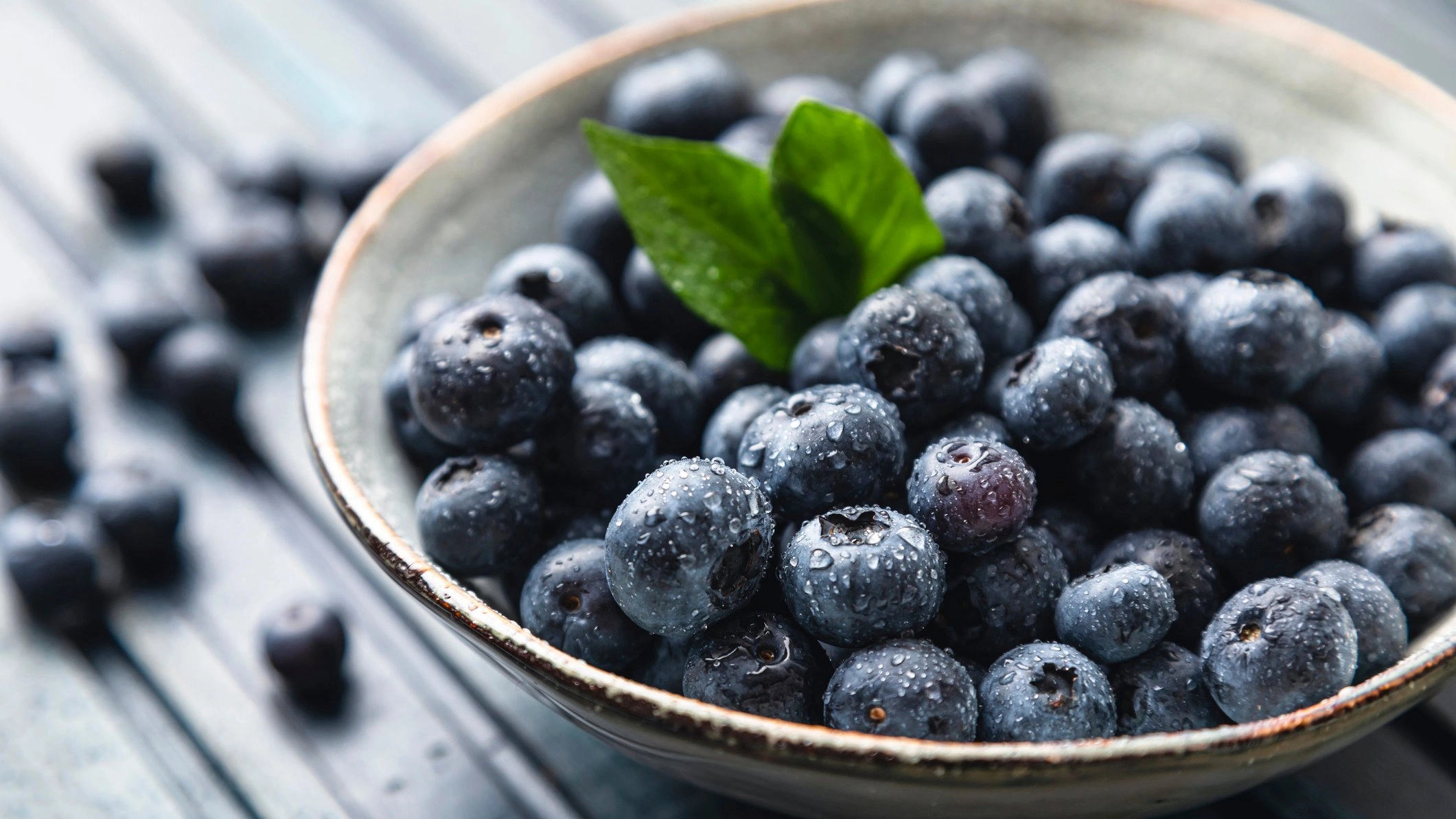
A handful of blueberries could do more than add a burst of sweetness to your breakfast, as new research suggests the berries may help to ease symptoms of depression in some adults.
Blueberries have long been praised for their nutritional benefits, but scientists are now looking more closely at how they could influence mental wellbeing, particularly through the connection between the gut and the brain.
A study led by researchers at Harvard Medical School in the US found that older adults who consumed blueberries daily for three months experienced improvements in depressive symptoms.
While the findings are encouraging, researchers have stressed that much larger studies are needed before any firm conclusions can be drawn.
Advert
Published in The Journal of Nutrition, Health and Aging, the research involved 18 adults aged 65 and over who had mild depressive symptoms and were considered sedentary.
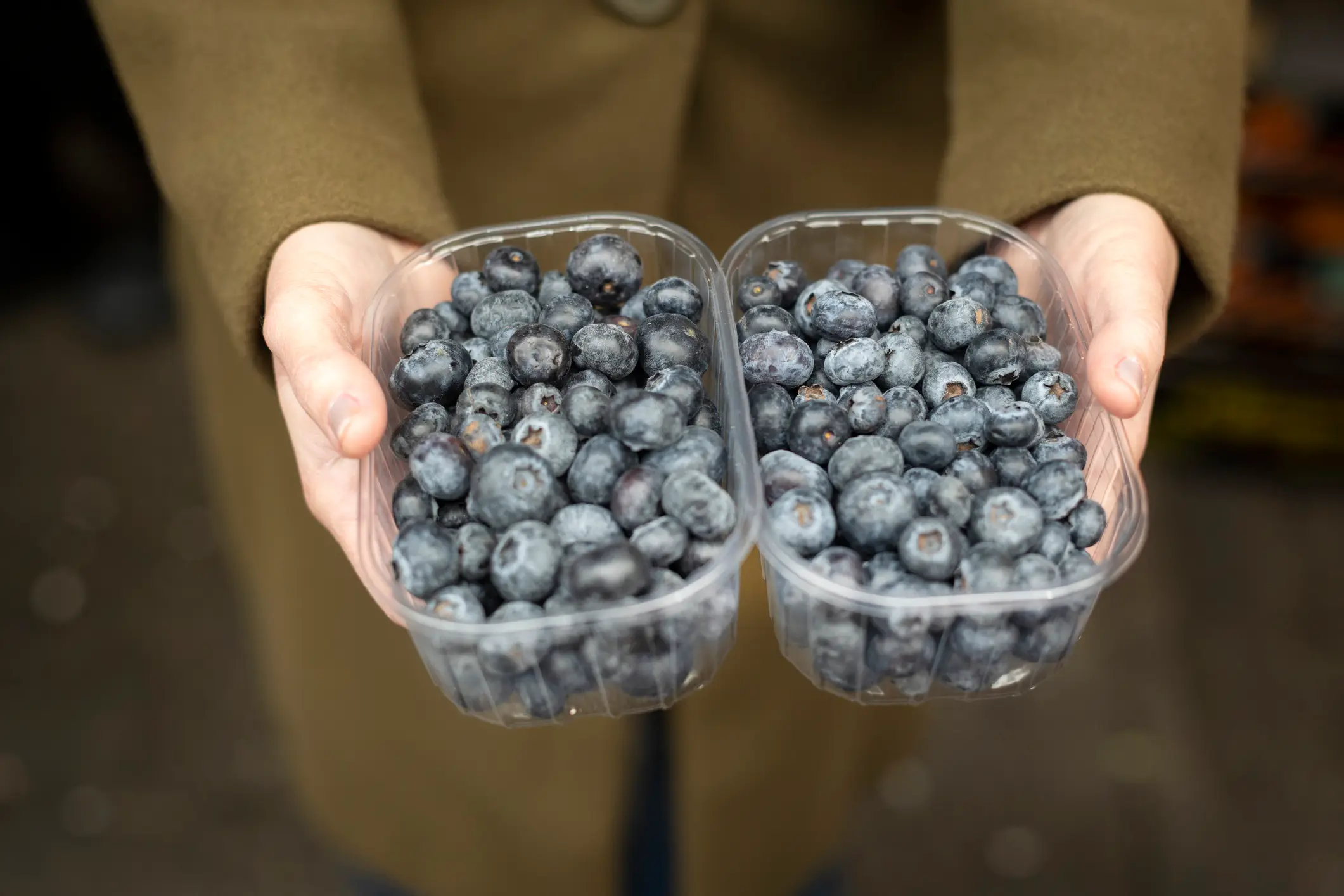
Participants were divided into two groups, with one receiving 48g of freeze-dried blueberry powder every day, equivalent to roughly two cups of fresh blueberries.
The other group received a placebo powder without the same blueberry ingredients.
After three months, both groups reported improvements in their depressive symptoms.
However, those taking the blueberry powder experienced slightly greater and more consistent improvements.
Researchers also noticed changes in certain gut bacterial enzymes among those consuming blueberries, including one associated with the production of gamma-aminobutyric acid (GABA), a neurotransmitter that has previously been linked to depression.
The findings have prompted further interest in the relationship between what we eat, our gut health and our mood.
However, the researchers were keen to stress that the results are preliminary, particularly given the small number of participants.
Speaking about what blueberries can offer nutritionally, Aaliyah Nelson, nutritionist at The Family Chemist, explained that the fruit has plenty of benefits beyond its potential relationship with mental health.
“Blueberries contain vitamin C, which helps your body make collagen and keep skin healthy, and vitamin K, which helps your blood clot normally," she said.

"They also add fibre to your diet, which helps keep your digestion regular, and that deep blue-purple colour comes from natural plant compounds called anthocyanins, which researchers are studying for their possible effects on gut health.”
Anthocyanins are responsible for the rich colour found in blueberries and other dark-coloured fruits.
They are also being investigated for their potential effects on inflammation and the gut microbiome, the community of microorganisms living in our digestive system.
The gut and brain communicate through a complex network of pathways, often referred to as the gut-brain axis.
Scientists are increasingly interested in how gut bacteria and the substances they produce might influence brain function and emotional wellbeing.
However, Nelson warned against reading too much into the latest blueberry research just yet.
“Blueberries are an easy way to add more fruit and fibre to your diet, but it’s too soon to say whether eating them every day helps with depression," and she also pointed out that the amount used in the research was considerably more than a handful of berries sprinkled over breakfast.
“The researchers in this study used freeze-dried blueberry powder equivalent to roughly two cups of fresh berries a day. If you enjoy blueberries, a handful is an easy place to start," she recommended.
"Keep a bag in the freezer and stir some into porridge as it cooks, or add fresh blueberries to overnight oats with plain yoghurt and a pinch of cinnamon," added the nutritionist.
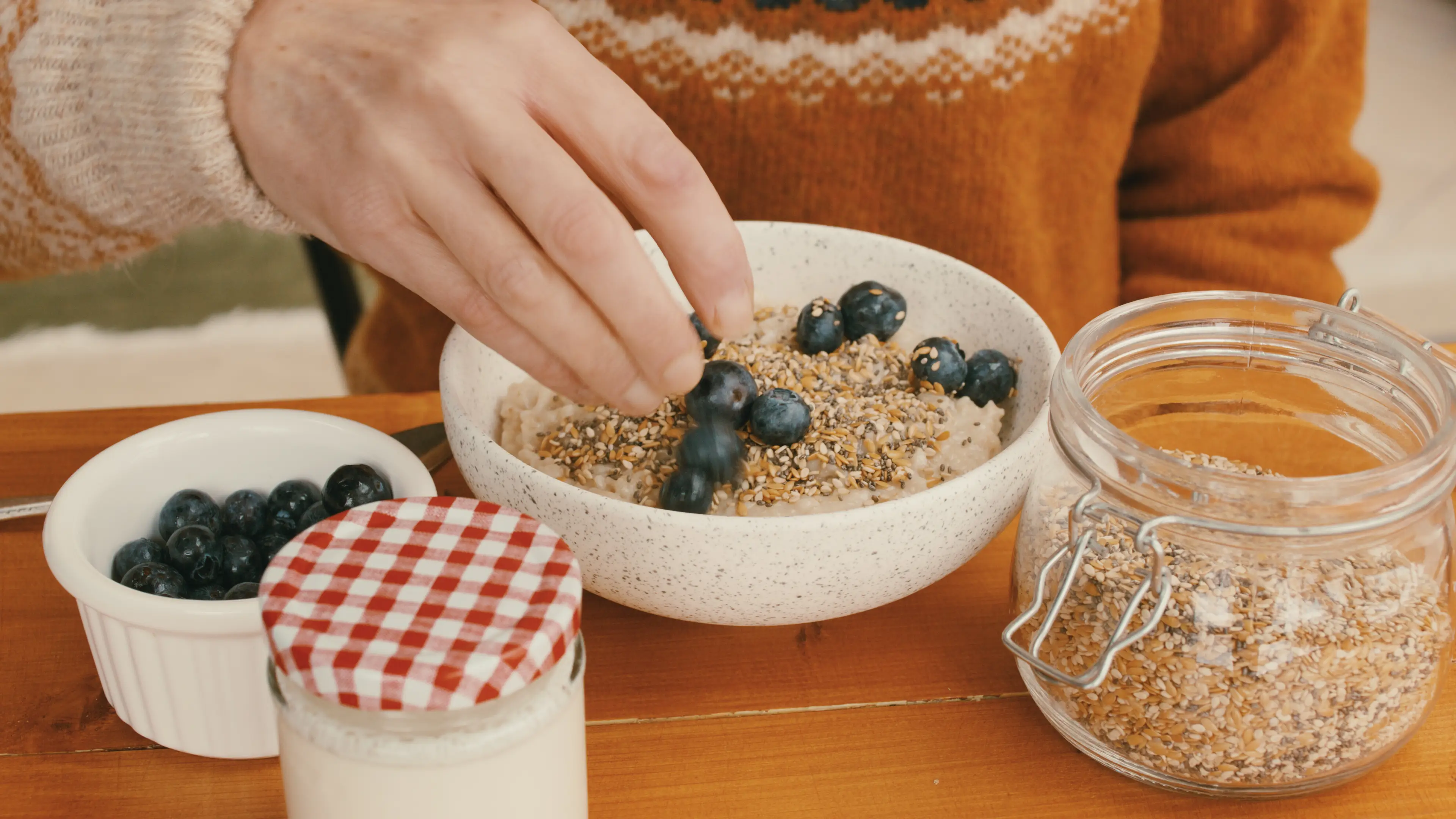
"For a quick pudding, simmer frozen blueberries with a splash of water and a squeeze of lemon until they burst, then spoon them warm over Greek yoghurt. Blackberries, blackcurrants, raspberries and cherries are also easy swaps.”
You don't necessarily need to spend a fortune on fresh berries to enjoy their nutritional benefits.
Frozen blueberries are a convenient alternative, can be kept for longer and are easy to add to smoothies, porridge and yoghurt.
More research involving larger and more diverse groups will be needed to understand whether the apparent benefits are genuine.
A balanced diet can certainly play a role in supporting general health, but it should never be viewed as a replacement for appropriate mental health care.
As Nelson added: “If low mood is persisting or affecting your day-to-day life, speak to your GP about what support is available.”
Adding blueberries to your shopping basket might be a simple way to boost your fibre and vitamin intake, there's still more to learn about whether they can genuinely make a difference to our mental health.
 Jen Thomas