
'Ferritin face' trend explained as experts detail key signs to watch out for

Registered professionals vow that your chronically washed-out skin, dark circles and persistent headaches could point to a serious iron deficiency.
Online wellness gurus have coined this health phenomenon ‘ferritin face’, with many experts weighing in on how best women can avoid the issue.
What is ferritin face?
Anyone who has scrolled through HealthTok recently may have come across a stream of women claiming their persistent low moods and dull-looking skin have been caused by low ferritin levels.
“Your blood ferritin level is essentially a snapshot of your iron reserves. It matters enormously for women, who lose iron through menstruation for much of their lives, and in the years around the menopause when heavier or erratic periods can run those stores down,” Dr Sidra Khan, a consultant dermatologist, told Good Housekeeping.
Advert
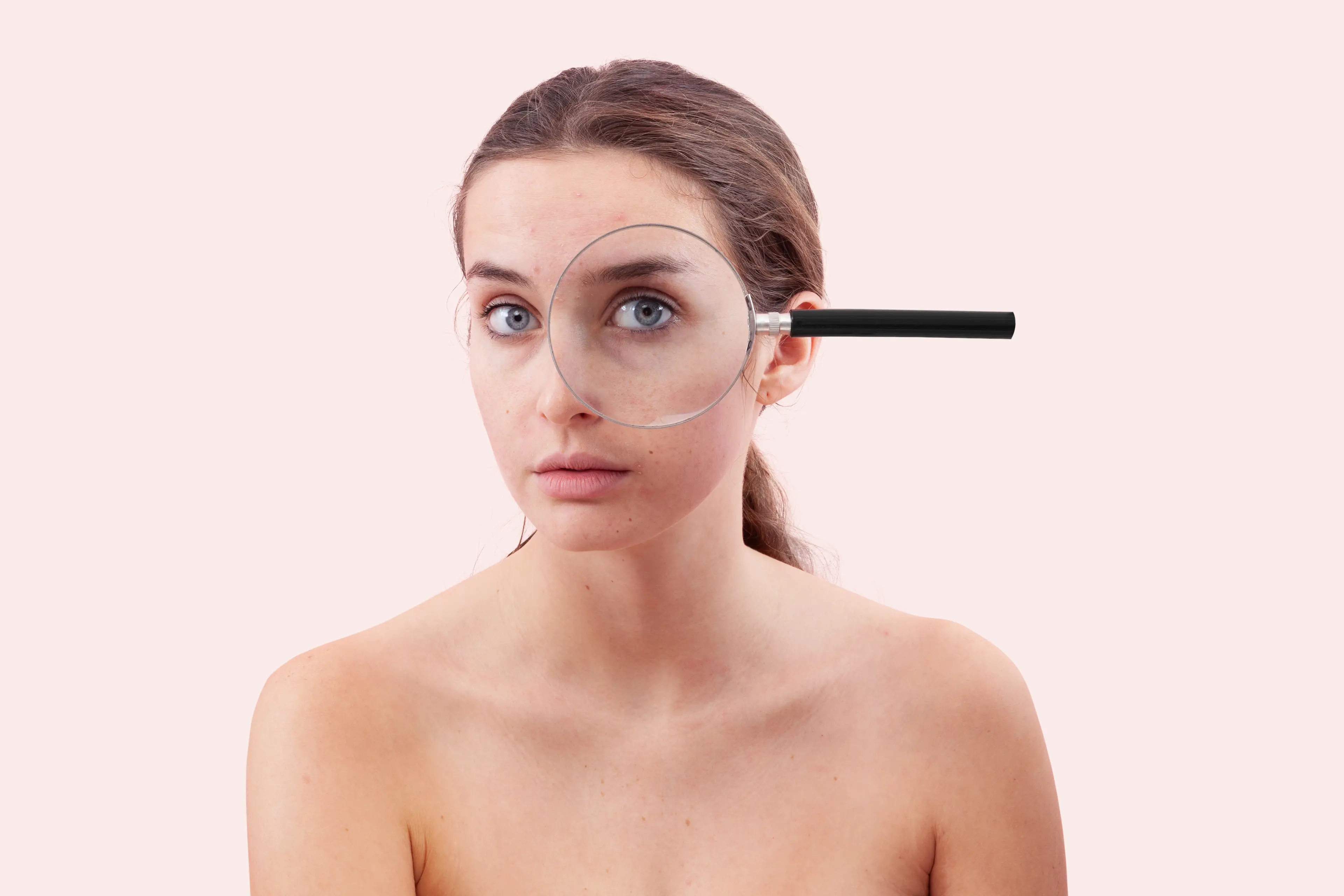
Explaining that ferritin is a protein that stores iron in the body, the medical expert said those with low levels may experience side effects like pale eyelids, dry lips, and more noticeable dark circles.
Ferritin face therefore isn’t a medical term, but rather a viral description of how low iron levels can make your complexion pasty and dull.
How much ferritin should adults have?
According to the World Health Organisation (WHO), adults have low ferritin if levels reach under 15 µg/L for adults.
However, the American Society of Haematology states that anyone with levels under 30 µg/L can be confirmed as having iron depletion.
Doctors will often intervene if people with heavy menstrual bleeding, an active pregnancy, or a planned pregnancy have levels under 50 µg/L.

Women's health and hormone health expert Dr Shirin Lakhani told Tyla that during postpartum recovery, you’re likely to experience low ferritin.
She said that this was due to blood loss during childbirth.
“If you suffer from certain hormonal conditions such as menorrhagia, endometriosis or fibroids, you will have a higher chance of low ferritin levels,” the doctor added.
Low ferritin levels can impact hair growth
Low ferritin levels don’t just impact the skin—your hair may be worse off and shedding more frequently as a result.
“When ferritin levels are low, the body prioritises supplying iron to vital organs over non-essential functions such as hair growth,” agreed Anabel Kingsley, brand president and lead trichologist at Philip Kingsley.
“This can disrupt the hair growth cycle, pushing follicles into the resting phase prematurely and leading to excessive shedding and difficulty growing hair beyond a certain length. Some women may also notice short, wispy regrowth around the temples.”
More symptoms of low ferritin
Persistent fatigue, shortness of breath, dizziness or lightheadedness, and cold intolerance are more symptoms of low ferritin.
“You can experience poor concentration and brain fog, headaches, and low mood or irritability as well as restless legs, especially at night,” she confessed.
If left undiagnosed and untreated, iron-deficient anaemia can also lead to heart failure, swelling, and weight loss.
Food and supplements to avoid low ferritin
Dr Subramaniam Ramakrishnan, a consultant gastroenterologist, told Tyla that anyone who believes they have low ferritin levels should consult a ‘qualified healthcare professional to ascertain cause’ instead of taking matters into their own hands.
“Simply taking iron supplements may not be enough given the potentially serious conditions that can be missed,” he warned.
However, Dr Khan told Good Housekeeping that adding ‘plenty of iron-rich foods, such as lean red meat, pulses, eggs and dark leafy greens’ is a good way to help avoid plummeting iron levels.
Pairing these foods with vitamin C should help your body absorb the nutrient, the expert said.
“It's also worth knowing that tea and coffee taken with meals can hinder iron absorption, so spacing those out can make a difference,” she added.
Anyone who is advised by their GP to supplement their iron deficiency should be aware that calcium, magnesium, and zinc can hinder absorption.
 Ella Scott