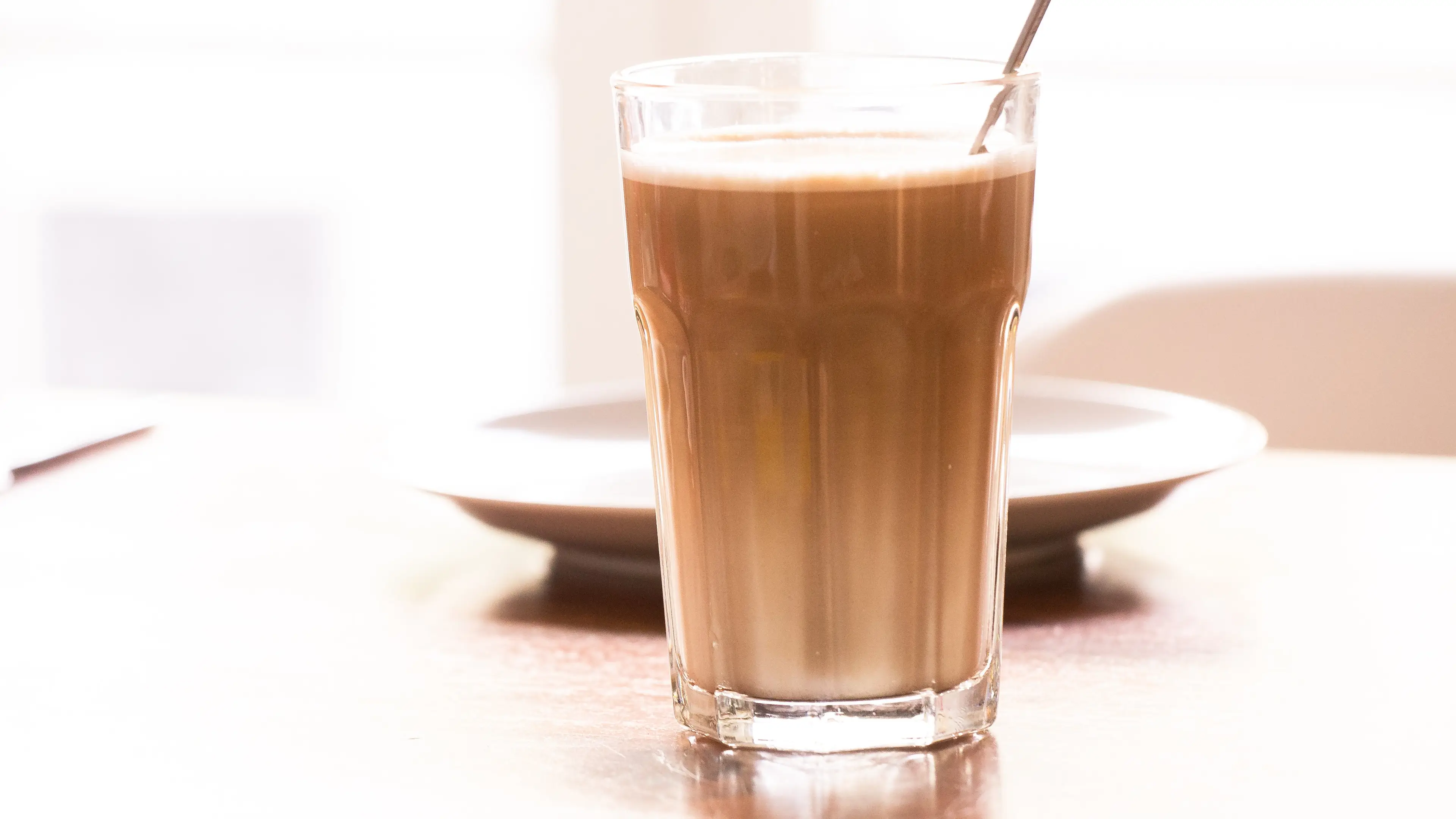
'Proffee' TikTok trend explained

TikTok and the wellness sphere are obsessed with protein, and one of its favourite trends is to pimp out their morning coffee with a scoop of whey.
And while some experts claim the low-effort ‘proffee’ trend has some health benefits, others aren’t as convinced, citing digestive discomfort and hidden added sugars as serious downsides.
Here's everything you need to know, including how to make a protein-rich coffee at home, and whether or not you should let your child order one from a coffee shop.
How can I add protein to my coffee?
If this is the first time you’re hearing of ‘proffee’ then Sam Boatwright, a registered PT and owner of the protein supplements brand Brown Bag Protein, has previously broken down the trend.
He said that to buy in on the hype, all you need to do is add a scoop of ‘unflavoured, or vanilla flavoured whey protein to your usual morning coffee’.
Advert
“[It’s] a way of enjoying their favourite drink whilst hitting their protein goals,” the expert explained.
Protein foam at Starbucks

While some people have been recreating the viral beverages at home using an espresso shot and a scoop of their favourite protein powder for years, others only heard about the trend when Starbucks introduced it in the UK earlier this year.
The coffeehouse currently gives customers the option to add a 15g cloud of Protein Cold Foam to their lattes, matcha drinks, and Americanos.
The nutrition-boosting topper, which comes in a sugar-free vanilla or caramel flavour, was praised by Jack Evans for 220 Triathlon, who wrote that he was ‘surprised by how palatable’ the foam was.
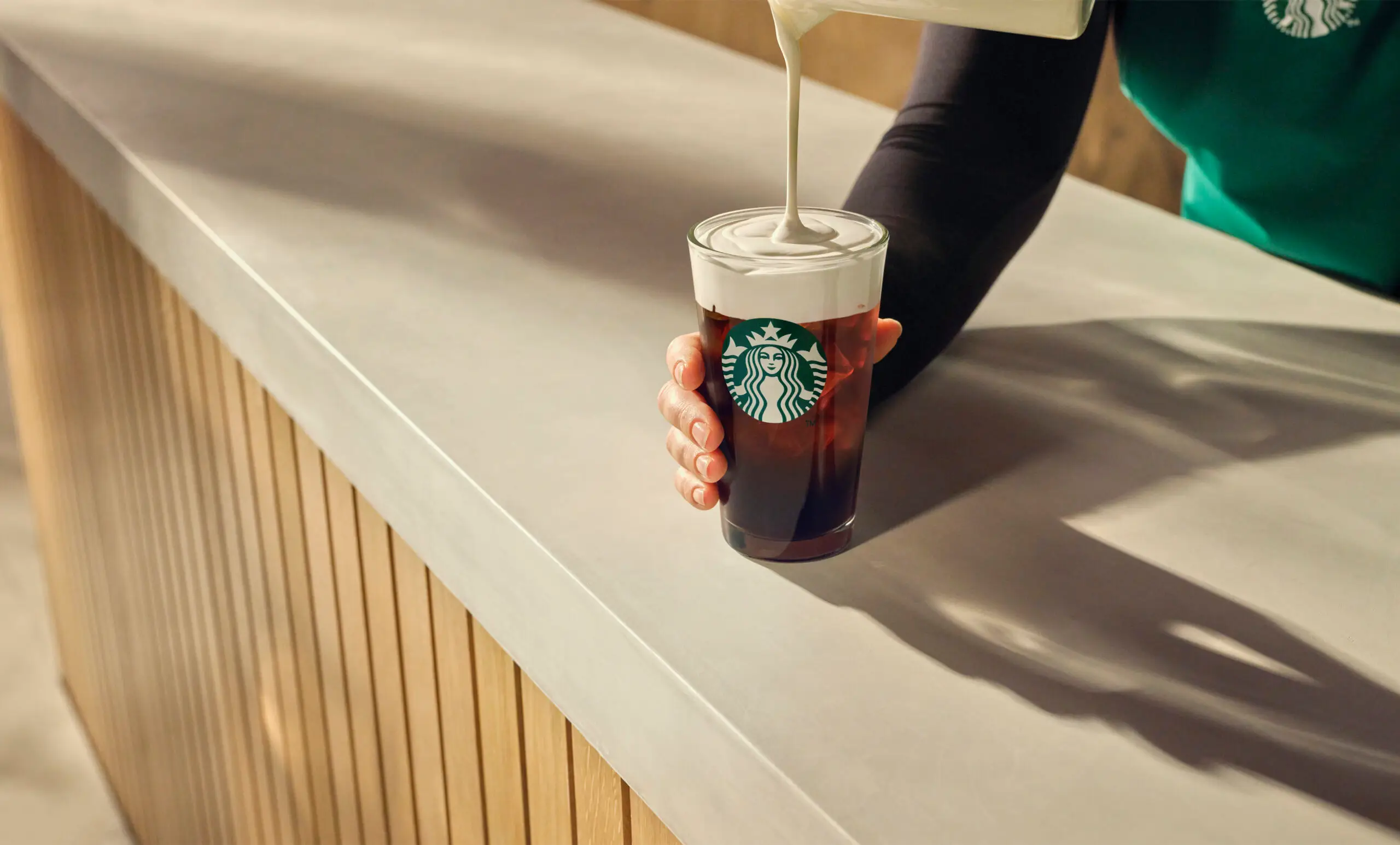
He claimed that the hit wasn’t a ‘bad-value way to boost your protein intake by 15g while out and about’ and that protein-infused coffee could help those with a high-volume training plan achieve their goals.
“That said, whole foods are the best protein sources for busy athletes because they have a wide nutritional profile,” the publication added.
Proffee health benefits, according to experts
According to experts, including Ro Huntris, a London-based consultant dietitian and nutritionist, drinking proffee regularly comes with a myriad of health benefits.
Energy and satiety
“The caffeine in coffee works at receptors in the nervous system to give you a short-lived burst of energy, but protein provides a fuel that can be converted to longer-lasting energy,” she wrote for The Organic Protein Company, a protein powder company.
“Compared to coffee alone, adding protein to your morning routine can: keep you feeling fuller for longer, help improve attention and focus, and support balanced blood sugar levels.”
Muscle recovery and general coffee health boosts
Meanwhile, Malvika Fulwani, a clinical dietitian and certified diabetes educator, gave FirstPost her stamp of approval, calling it a ‘healthy option when incorporated into a balanced diet’.
However, she noted that its nutritional value depended on the quality of protein used, how much added sugar there was, and total caffeine intake.

Most healthy adults don’t need to consume more than 400mg of caffeine per day, which equates to around four mugs, as per the Mayo Clinic.
Fulwani said that drinking the beverage can support muscle recovery and also profive the antioxidant benefits often associated with coffee.
“It can also be a practical option for people who do not have time for a protein-rich breakfast,” she added.
Convenient source of protein
Natalie Rouse, a registered nutritionist and head of nutrition at Free Soul, explained how proffee is ‘a smart choice’ for perpetually busy people.
“Life can get pretty hectic, and keeping up with your nutrition isn’t always easy,” she explained.
“Protein coffee makes it simple by ‘habit-stacking’ – adding nutrition to something you’re already doing.”
“It’s an easy, low-effort way to stay on top of your goals.”
Experts ‘proffee’ health warnings
You might not need more protein in your diet
While increasing your protein intake via proffee may seem like a good thing, it may not be necessary, says Green Chef's head chef and registered nutritionist, Anna Tebbs.
She told The Mirror that people following a low-carbohydrate or keto diet may need the protein boost.
However, those who eat a well-balanced plate probably don’t need an extra supplement hit.
The average adult at a healthy weight needs around 0.75g per kg of body weight per day, as per the British Heart Foundation.
Coffee could cause digestive discomfort
Dr Babak Ashrafi, a general practitioner from Superdrug Online Doctor, warned that coffee may not be the best base for your protein-rich drink.
“Although a quick energy fix may be tempting, mixing coffee and protein powder may not be suitable for everyone, as the caffeine in coffee can interfere with nutrient absorption, potentially causing digestive issues,” he warned.
“It is important to remember that health choices should be based on individual needs and evidence.”
He added to WalesOnline that instead of reaching for the spiked beverage, he recommends popping a Vitamin B12 pill for energy instead.
Parents should think twice about proffee
Meanwhile, caregivers of young children and teenagers have been advised by Lena Bakovic, a registered dietitian nutritionist at Live It Up, to keep the proffee away from their kids.
She told Parents that how much protein a child should have each day can vary depending on their age, gender, size activity levels, and any medical conditions they may have.

However, on the whole, kids aged between nine and 18 typically require 34 to 52 grams of protein per day.
“Protein drinks in general, similar to the trendy ones at Starbucks, can contain added sugars, artificial flavours, and perhaps most importantly, protein values outside of the recommended daily ranges, posing potential health risks to children,” she added.
Protein sodas are on the rise
Interestingly, it’s not just coffee getting the protein treatment.
Barbells protein soda, SkyPop, and ProSo Protein Soda all contain 10g of clear whey protein, zero sugar, and are flying off the shelves in the United States.
Bucked Up’s range of lightly carbonated protein sodas actually contains a whopping 25g of whey protein isolate per can.
“Protein is a phenomenon,” Danny Stepper, CEO of LA Libations and owner of The Beverage Forum told BeverageDaily.
“Protein sodas are on the march in the US, and they’re not being positioned in the protein section. They’re right next to Olipop and Poppi in the Modern Soda section.”
Despite various health claims, Dr Mohit Sharma, a consultant in internal medicine at Amrita Hospital, Faridabad, is not convinced by the popular products.
He warned that there are ‘no robust clinical trials showing that adding protein supplements to diet sodas improves protein absorption, muscle recovery, weight loss, metabolism or exercise performance, compared to consuming protein with water or milk’.
“Physiologically, protein digestion takes place primarily in the stomach and small intestine through the action of gastric acid and digestive enzymes,” he explained to FirstPost.
“The carbonation and artificial sweeteners in Diet Coke don’t help this process. There is no current scientific evidence to support claims of superior nutritional benefits from this combination.”
 Ella Scott