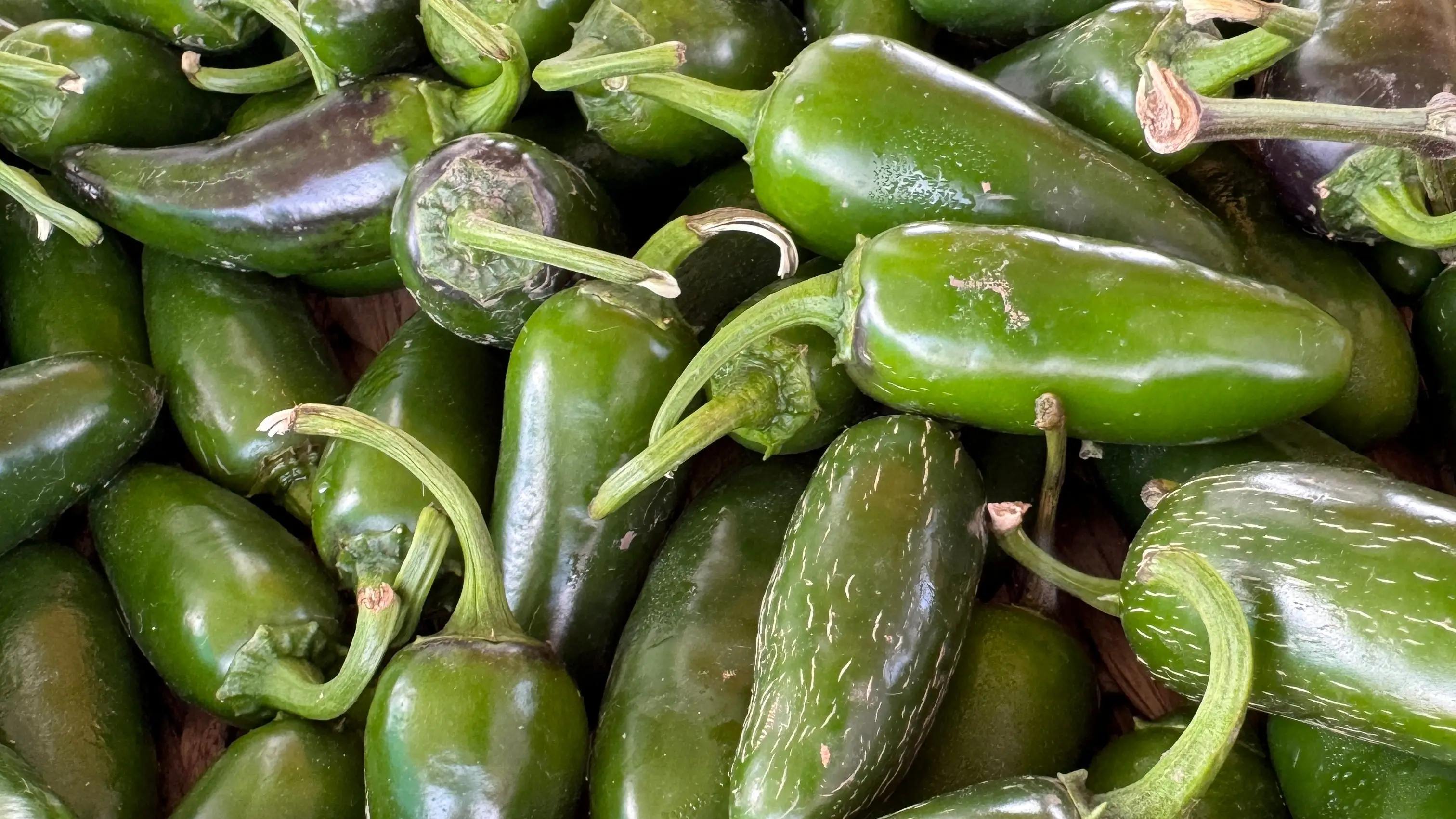
Jalapenos urgently recalled amid salmonella outbreak following illnesses linked to 'explosive diarrhoea' parasite

Anyone heading into US supermarkets this week is likely to find a distinct lack of jalapeño peppers due to a major recall amid a concerning Salmonella outbreak.
It’s troubling times right now when it comes to food, health and hygiene in the United States, with citizens being advised to avoid shredded lettuce and other fresh salad items due to a microscopic parasite known as Cyclospora cayetanensis.
According to the Cleveland Clinic, the latter spreads by eating food or drinking water contaminated with faeces.
It’s believed more than 22,000 people across 47 of the 50 states have or are currently suffering from cyclosporiasis, with symptoms including explosive diarrhoea, fever, unexplained weight loss, bloating, and general gut discomfort.
Advert
Two people have died after contracting the illness, with health officials in Michigan confirming they both had ‘significant underlying health conditions that may have been impacted by cyclosporiasis and dehydration’.
While the parasitic infection continues its rampage, others are reportedly falling ill after eating jalapeños.
The CDC reported that the Salmonella is doing the rounds and has already affected a reported 345 people across various states, including Texas, Colorado, Illinois, and Minnesota.
Jalapeños recalled due to Salmonella outbreak
On 10 August, the BBC reported that agricultural giant Taylor Farms was recalling some of its fresh products containing potentially contaminated peppers.
It’s understood that the call came after Coast Citrus Distributors, which supplied the company with the fresh salad item, recalled its own jalapeños due to Salmonella concerns.
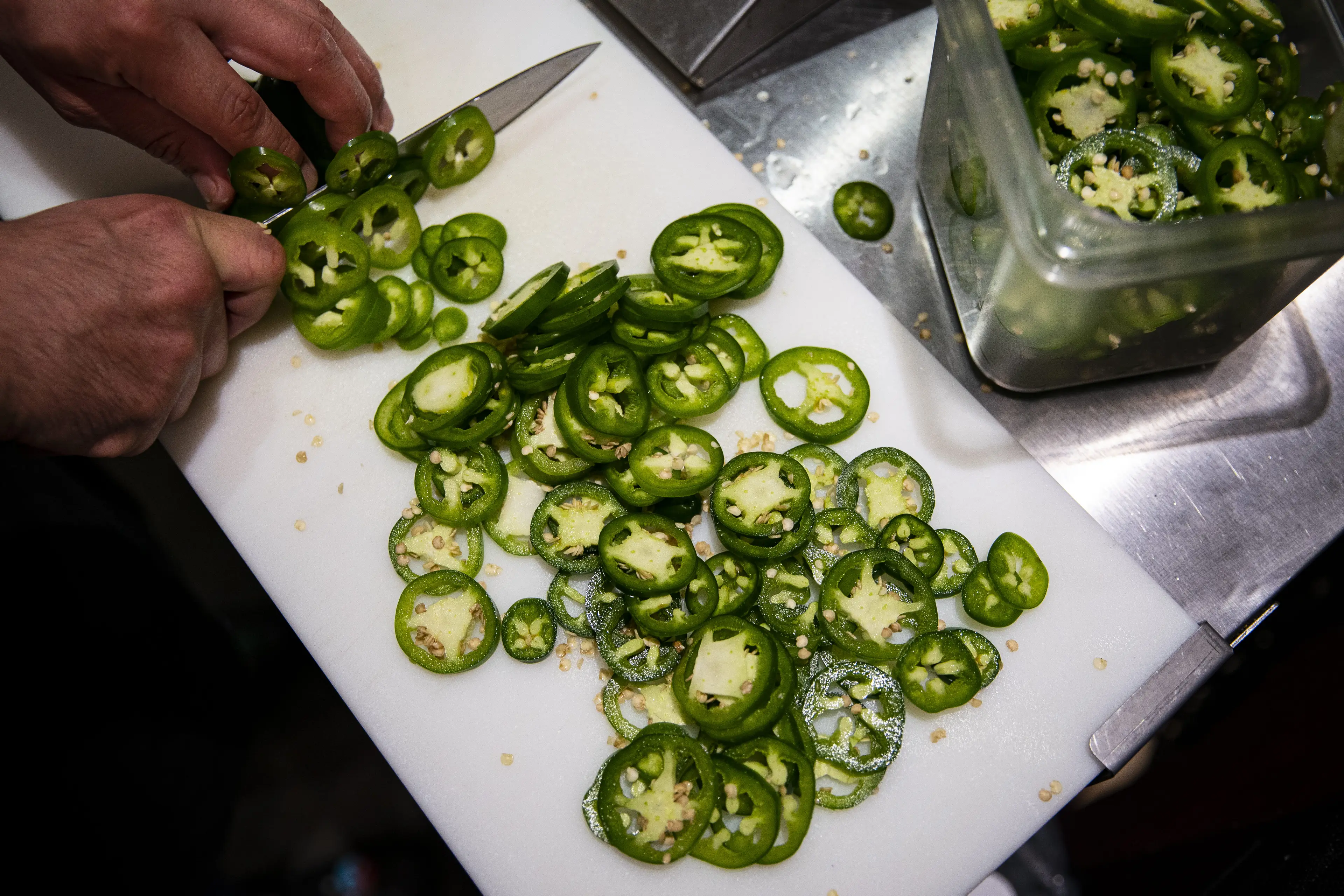
Items affected include pico de gallo salsa, several types of guacamole, burritos, spicy sandwiches and fresh sliced jalapenos, the publication wrote.
In a statement, Taylor Farms said a grower in Sinaloa, Mexico, has been been identified as the source of the outbreak.
The business added that ‘it is no longer sourcing products from this farmer and will be filling orders from alternative suppliers’.
“Consumers who have any recalled product should discard it immediately and not consume it. Refunds are available at the location of purchase," it added.
FOODbible has contacted Taylor Farms for comment.
Chipotle remove jalepeños from menu
The CDC confirmed that as it continues its probe into jalapeño peppers, Chipotle Mexican Grill and QDOBA have stopped serving the ‘affected’ items.
“Given their actions to remove product from their stores, CDC and FDA do not consider there to be a current ongoing risk from these establishments to consumers in this outbreak.”
In its own statement, the brand told FOODbible it had traced the ingredient to a common source, removed the product from the relevant restaurants, and replaced it with jalapeños from different growers.
“We have a robust ingredient traceability system and, upon learning of a potential Salmonella outbreak in the supply chain impacting wholesalers and restaurants, we identified jalapeños from a particular grower in Sinaloa, Mexico and distributed by Coast Citrus Distributors as a common ingredient from a common lot, proactively removed them from the restaurants where they had been distributed, and replaced them with product from different growers," said Laurie Schalow, Chief Corporate Affairs and Food Safety Officer.
"The recalled jalapeño peppers are no longer in Chipotle restaurants and given these actions, the CDC and FDA have said they do not consider there to be a current ongoing risk from Chipotle restaurants in this outbreak.”
Salmonella symptoms
The US Department of Agriculture (USDA) said that while some people may not experience any Salmonella symptoms (asymptomatic), others are likely to contend with headaches, nausea, and vomiting within eight to 72 hours of consuming contaminated food.
Additional symptoms include chills, abdominal cramps, and fever.
Symptoms are understood to disappear within four to seven days without any medical intervention.
Salmonella infections can be life-threatening, especially for infants and young children, pregnant women and their unborn babies, and older adults, who are at a higher risk for foodborne illness.
People with weakened immune systems are also at risk, as per the government agency.
 Ella Scott