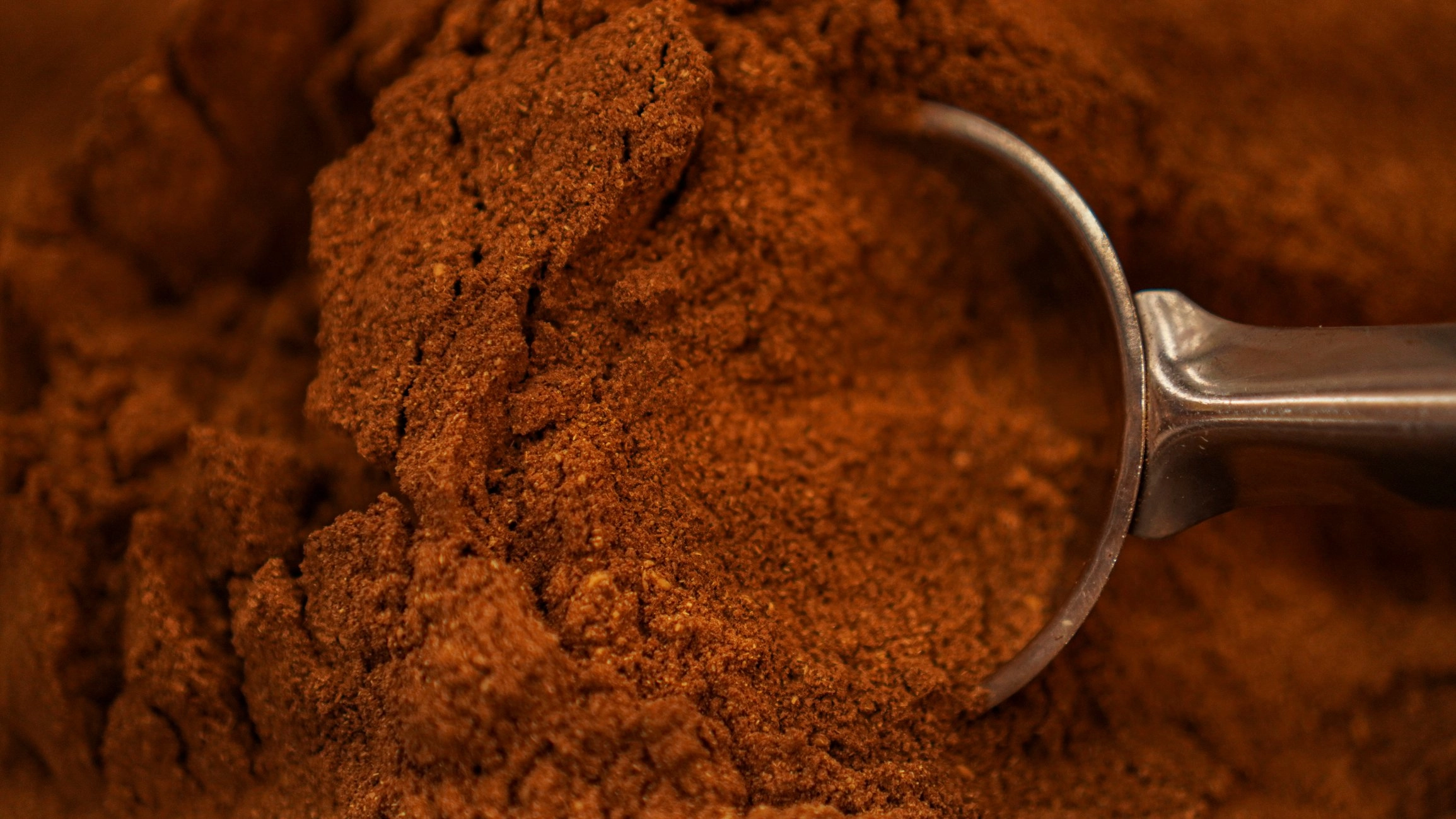
Ground cinnamon recalled over lead contamination fears

Shoppers are being urged to check their spice cupboards after a popular brand of ground cinnamon was recalled over fears it could contain dangerous levels of lead.
The warning affects customers across 14 US states, with food safety officials advising anyone who has purchased the affected product to stop using it immediately.
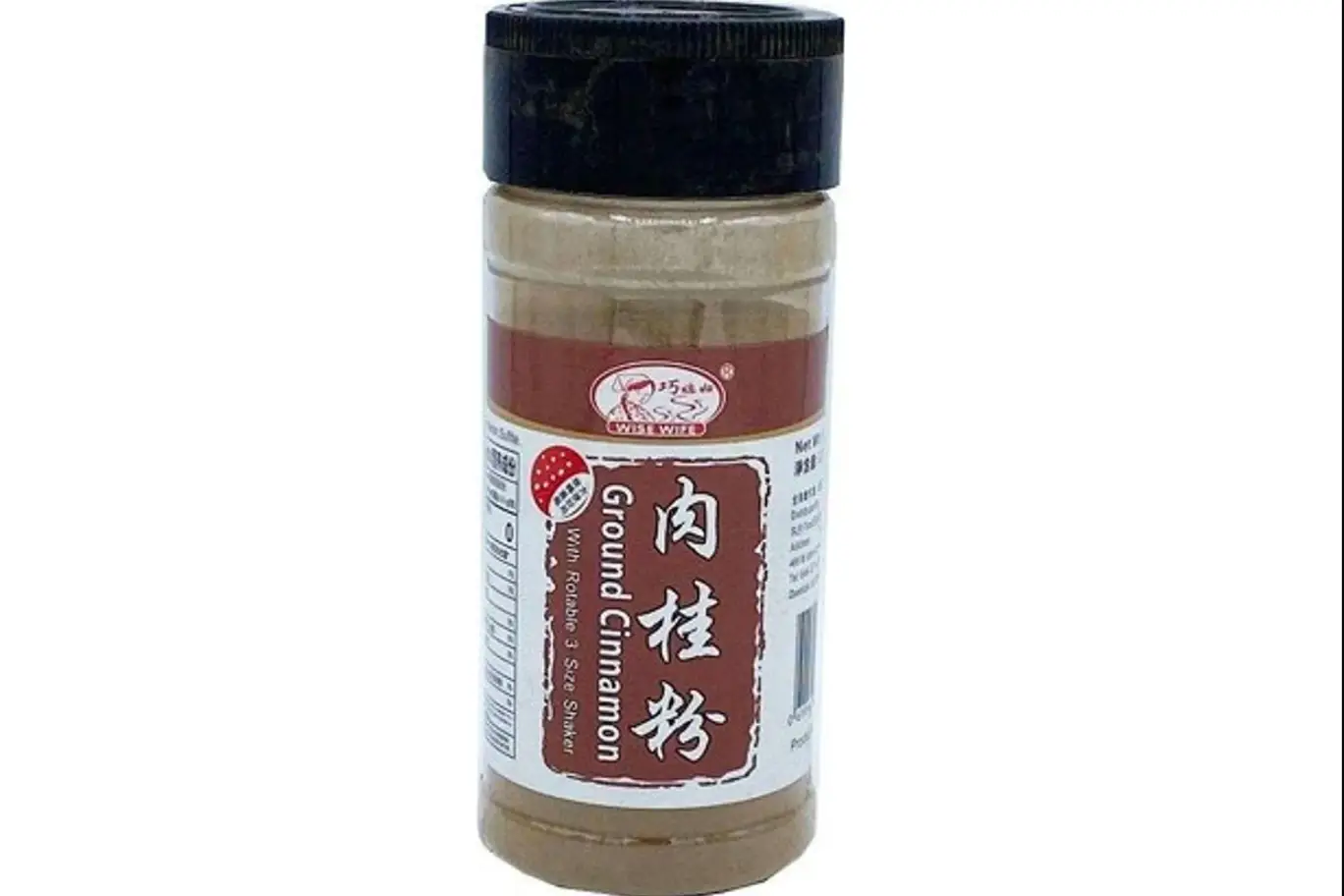
SLR Food Distribution Inc., based in Hicksville, New York, has voluntarily recalled its Wise Wife Brand Ground Cinnamon after laboratory testing detected elevated levels of the toxic metal.
The recall was announced by the US Food and Drug Administration (FDA) on 29 October, just as households begin stocking up on ingredients for autumn baking and the upcoming festive season.
Advert
Fortunately, no illnesses have been reported in connection with the product so far, although officials are taking no chances.

Which cinnamon products are being recalled?
The recall specifically affects Wise Wife Brand Ground Cinnamon sold in 110g (3.88oz) clear plastic containers with black screw-top lids.
Customers can identify the affected products by checking for a best-before date of 25 April 2027 and the barcode number 0688474302754, which appears on the back label.
The cinnamon was distributed to grocery shops and other retailers between 8 September 2025 and 28 June 2026.
The 14 affected states are Connecticut, Indiana, Kansas, Massachusetts, Michigan, Minnesota, Nebraska, New York, North Carolina, Ohio, Pennsylvania, Texas, Virginia and Wisconsin.
According to the FDA, the issue came to light after the Connecticut Agricultural Experiment Station collected and analysed a sample of the cinnamon.
Testing subsequently revealed elevated lead levels, prompting the company to initiate a voluntary recall.
SLR Food Distribution has since begun contacting retailers, instructing them to remove the affected cinnamon from shelves and stop selling any remaining stock.
The warning applies to the specified Wise Wife product rather than every brand of ground cinnamon, so customers are encouraged to check their packaging carefully.
Why is lead contamination dangerous?
While cinnamon might seem like a fairly harmless kitchen staple, consuming food contaminated with lead can have serious consequences.
Lead is a toxic metal that can affect several parts of the body, with the potential health risks depending on how much someone has consumed and how long they have been exposed.
One particularly concerning aspect is that people might not notice anything unusual after consuming small amounts.
The FDA explained: "Short-term exposure to very low levels of lead may not elicit any symptoms."
In some cases, increased blood lead levels may be the only indication that exposure has occurred.
Children are particularly vulnerable because prolonged exposure can interfere with the development of their brains and nervous systems.
According to the FDA, exposure to sufficient quantities over several weeks or months could result in permanent neurological damage, potentially causing learning difficulties and developmental problems.
Adults can also experience harmful effects from lead exposure, particularly when it occurs repeatedly over an extended period.
However, officials have stressed that no illnesses linked to the recalled Wise Wife cinnamon have been reported.
What should customers do if they've bought the cinnamon?
Anyone who discovers an affected container in their cupboard is being advised not to use it, even if the product looks and smells completely normal.
Instead, the FDA recommends throwing the cinnamon away or taking it back to the shop where it was purchased for a full refund.
Customers do not need to wait until they experience symptoms before following the recall advice.
Those with questions can contact SLR Food Distribution directly on 1-516-437-3782 during its weekday business hours.
The latest warning follows previous concerns surrounding lead contamination in ground cinnamon products sold across the US.
For now, shoppers are being reminded that checking the label on an everyday kitchen ingredient could help them avoid an unnecessary health risk.
 Jen Thomas