Synthetic ingredients to be added to bread and baked goods from next month

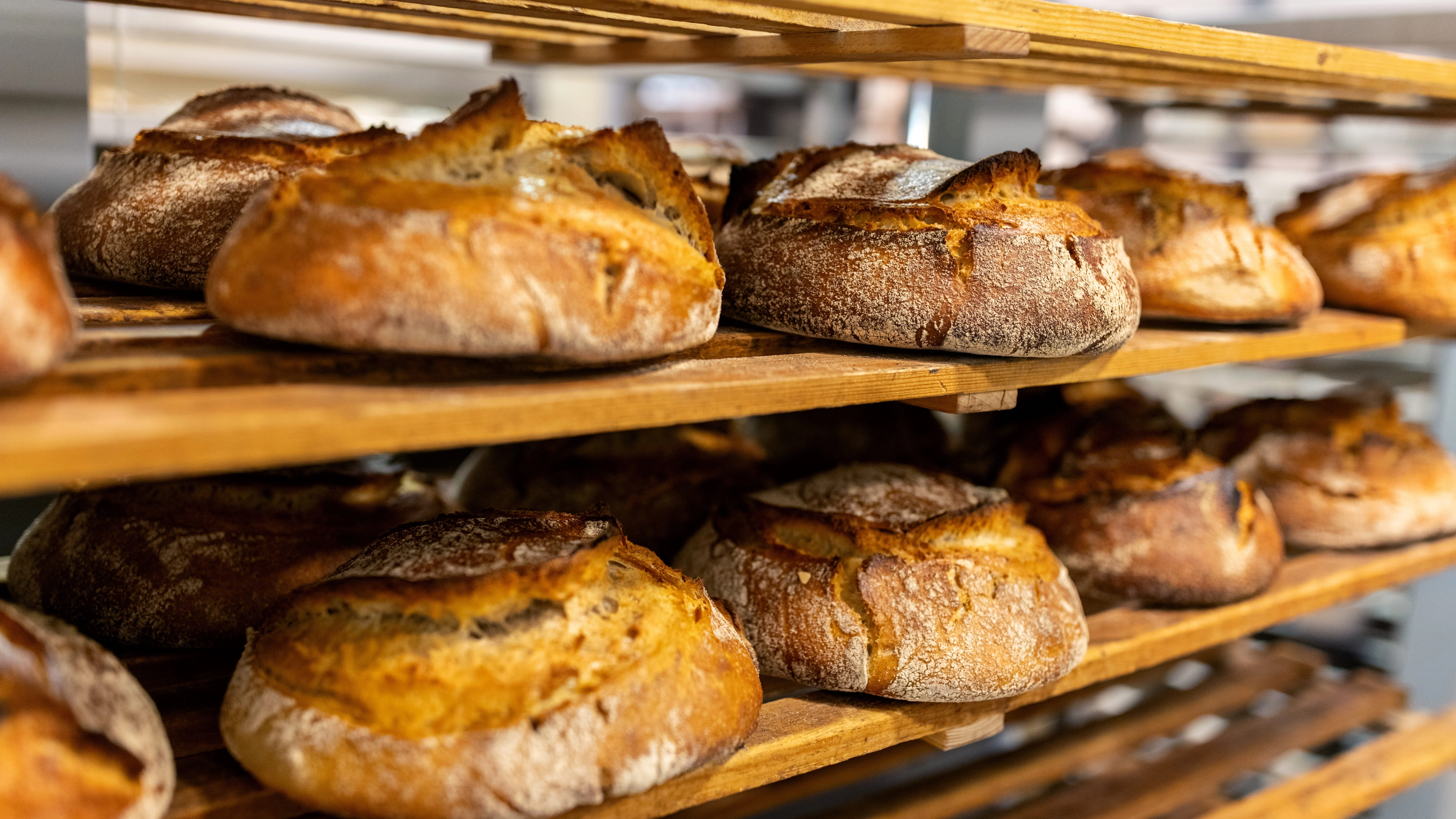
A plethora of bread products, pasta, cakes, and other baked goods will be legally required to contain a synthetic ingredient from next month in a bid to reduce pregnancy-related issues in children.
Neural tube defects (NTDs), including spina bifida, affect approximately one in every 1,000 pregnancies in the United Kingdom. Often diagnosed as early as 10 weeks, spina bifida occurs when a baby’s spine and spinal cord do not develop properly in the womb, leading to a gap in the spine.
Not only can the NTD cause problems with the baby’s nervous system, such as weakness or paralysis in the legs, but it can also cause issues with bladder and bowel control, as per the London Pregnancy Clinic.
To reduce the rate of NTDs by 200, the government has introduced a new legal requirement affecting both bakers in Britain and importers of flour-based goods into the country.
Folate to be added to flour in UK
Advert
From 13 December, a synthetic form of vitamin B9 will be added to most non-wholemeal (white and brown) wheat flour produced or sold in England, Wales, Scotland, and Northern Ireland, as per The Mirror.
The man-made nutrient, also known as folic acid, is entirely colourless, odourless and flavourless, and will be added directly to non-wholemeal common wheat flour at a rate of 0.25mg per 100g, as per the Government-backed initiative.
Supermarket products impacted by synthetic vitamin
WalesOnline has detailed all of the supermarket items that will include folic acid from December:
- Bread: buns, wraps, flatbread, half-and-half loaves
- Breakfast favourites: crumpets, muffins, bagels
- Bagged flours: Standard plain flour, self-raising flour, and strong white bread flour from major mills.
- Baking mixes: Pancakes containing wheat flour, scone mixes, Yorkshire pudding mixes
- Biscuits: Digestives, custard creams, shortbread, chocolate chip cookies
- Cakes and pastries: doughnuts, fruit pies, sausage rolls
- Pasta: dried and fresh wheat pasta, wheat-based noodles
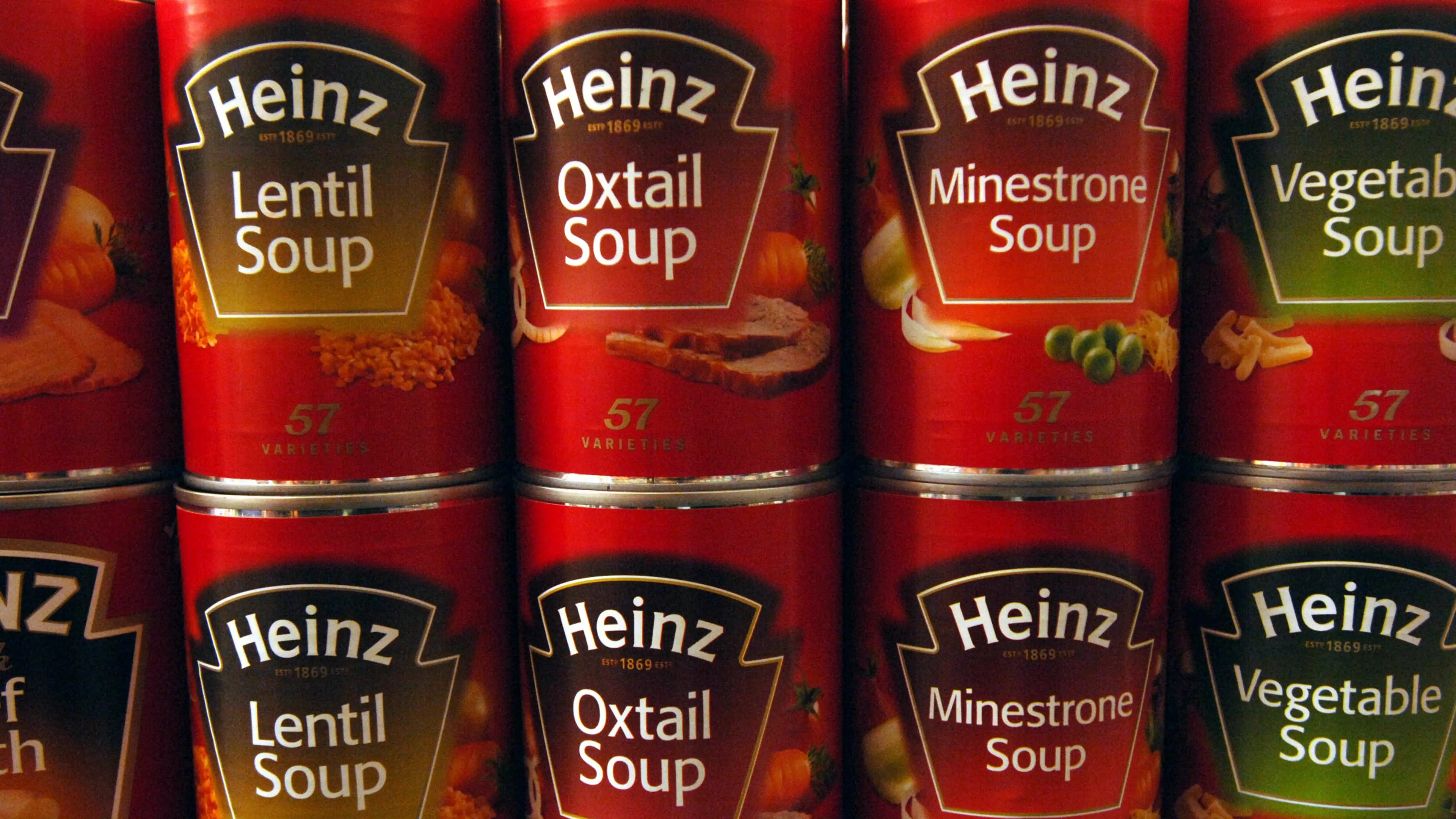
- Sauces and thickeners: gravy granolas, tinned or packet soups using wheat flour as a thickening agent
- Misc: ready meals, battered and breaded fish and poultry, pies, pastries, frozen pizzas
What items are excluded from new synthetic ruling?

Wholemeal flour, gluten-free products, and flour from small-scale independent millers are excluded from the revised Bread and Flour Regulations.
Ancient grains like spelt and emmer will also not be forced to adhere to the new standards, nor will finished baked goods or pasta imported from abroad.
How much folate should you eat every day?
The NHS recommends 200 micrograms of folate daily for adults.
Pregnant women should ideally start taking doses of up to 400 micrograms per day at least one to three months before conception, continuing through the first 12 weeks of pregnancy.
Adequate vitamin B9 supports the proper development of a baby's neural tube, significantly lowering the risk of severe birth defects.
 Ella Scott