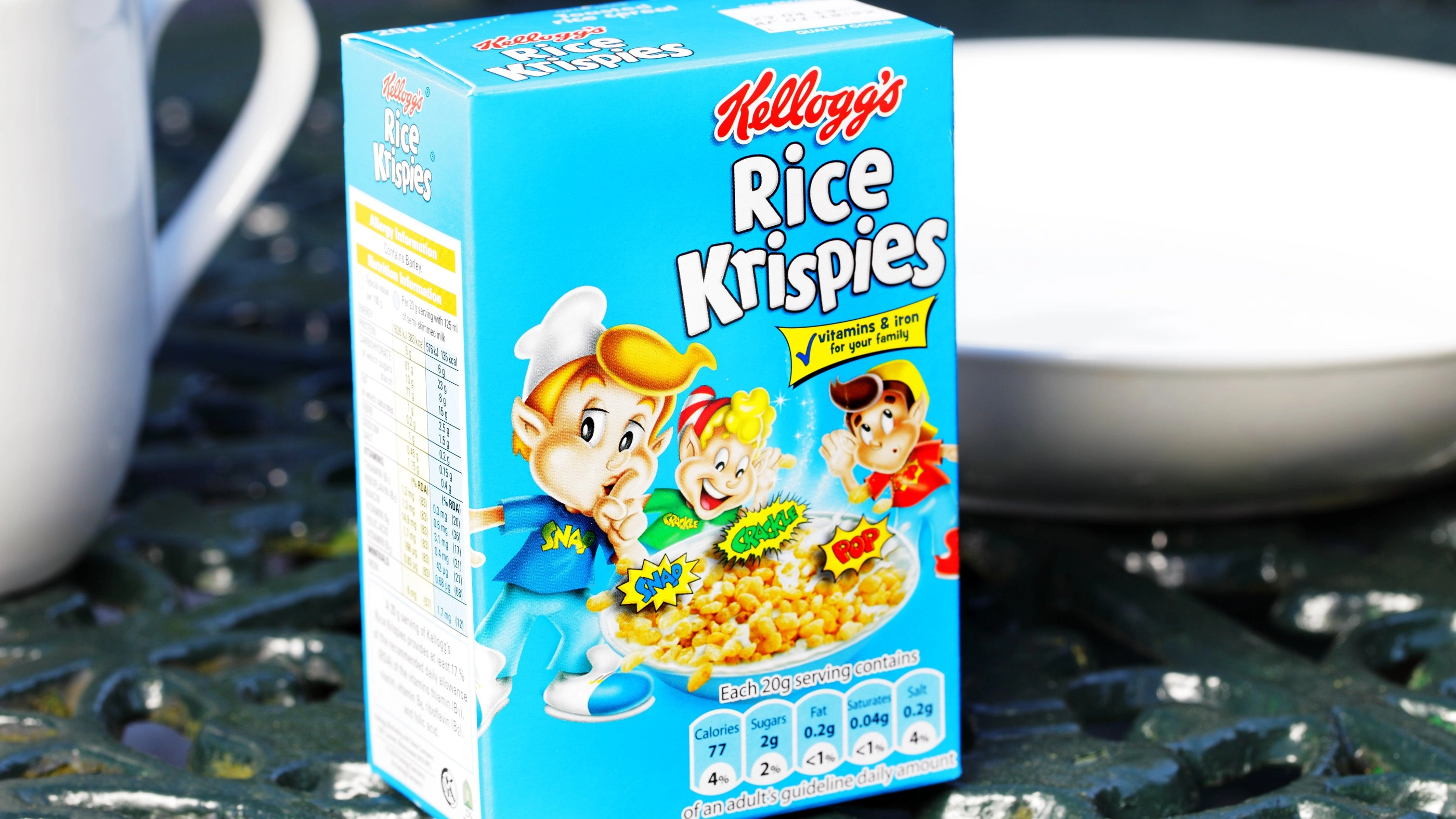
Fans say Rice Krispies are 'ruined' as wheat gluten is added

Kellogg's has changed the recipe of its iconic Rice Krispies cereal to include wheat gluten, sparking concerns among shoppers with coeliac disease, wheat allergies and gluten intolerances.
The breakfast favourite, which has been a staple in British households for generations, now contains wheat gluten as an ingredient, rather than simply carrying a warning about possible traces of gluten during manufacturing.
It's an important change for anyone who needs to avoid wheat or gluten for health reasons, particularly as the familiar cereal may still be sitting on their shopping list.
And it's not just Rice Krispies that have been affected, with Kellogg's also confirming changes to its popular Coco Pops recipe.
Advert
While the manufacturer insists the new recipes have been carefully tested, some loyal customers have slammed the changes, complaining that the cereals now taste and look different.
For those with dietary restrictions, however, the biggest concern isn't the taste or texture, but the addition of an ingredient that could make them ill.
One unhappy Tesco reviewer wrote: "They have ruined a perfectly good, tasty cereal that my family have eaten daily for years."
Meanwhile, over on Trustpilot, another customer complained: "The cereal is noticeably lighter in colour, more of a floury texture and a completely different taste."
They added that it was the first box they'd ever thrown away without finishing.
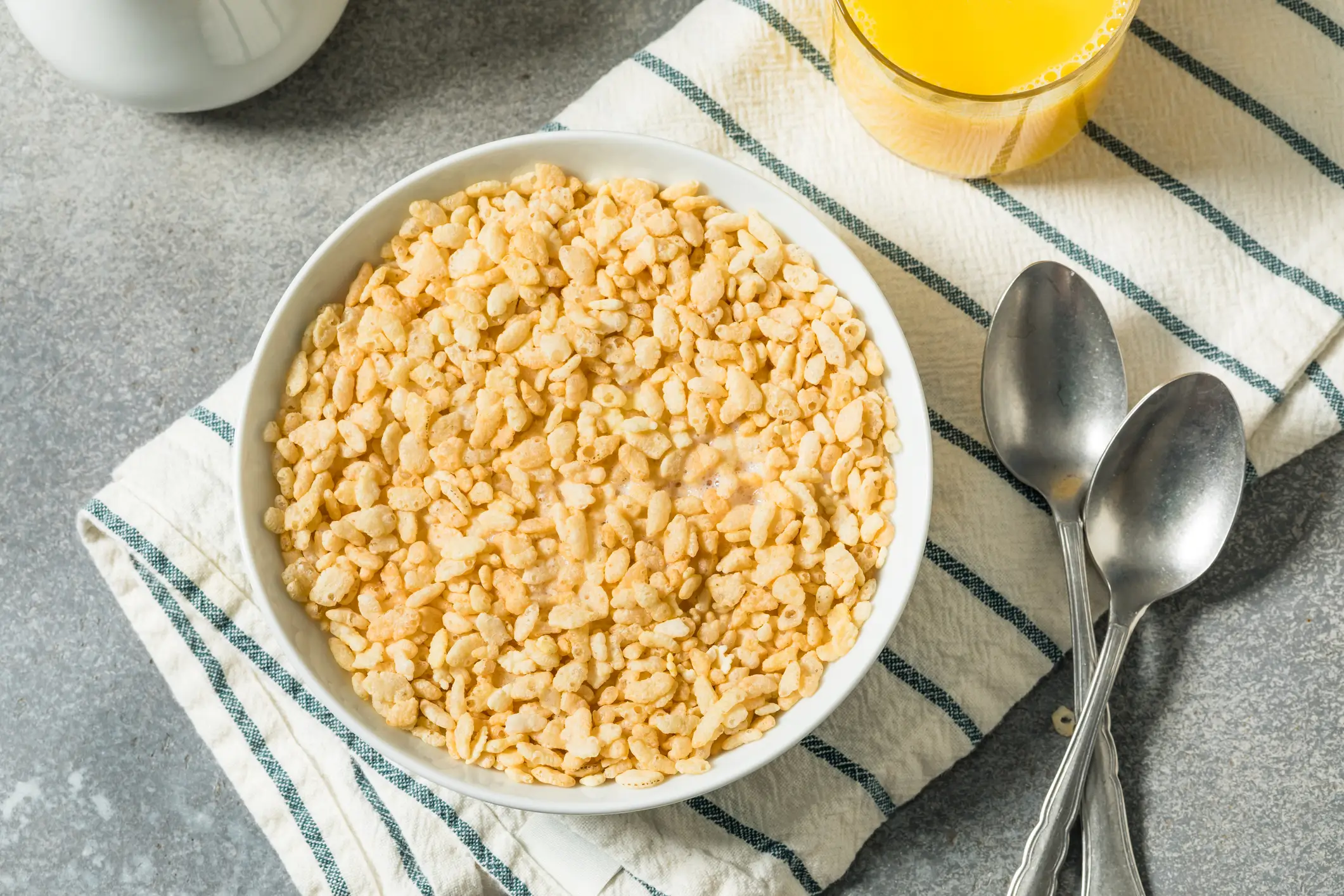
Others have described the new Rice Krispies as bland, with some claiming they turn mushy when milk is added.
One particularly disappointed customer said they'd been eating Kellogg's cereals for 72 years, but the latest version was nothing like the product they remembered.
Why has Kellogg's changed Rice Krispies?
According to Kellogg's, the decision wasn't simply about giving its famous cereal a makeover.
The company says changing weather conditions have affected the quality and availability of the rice and grains used to make its products, prompting it to update the recipes.
Both Rice Krispies and Coco Pops are now made using corn flour and rice flour, with Kellogg's insisting the cereals have been carefully tested to preserve their familiar taste and texture.
The manufacturer also says their nutritional benefits, including fibre, vitamin D and iron, remain unchanged.
However, there's another significant difference that goes beyond how the cereal tastes.
The updated Rice Krispies recipe now lists wheat gluten among its ingredients, something that has raised concerns for shoppers who need to avoid gluten.
What has Kellogg's said?
A spokesperson from Kellogg's said: "We have updated the Rice Krispies and Coco Pops recipes, which are now made using corn flour and rice flour.
"We've always looked for ways to evolve our products over the years, whether that's making them better for you or tastier.
"This recent change helps us maintain consistent quality at a time when changing weather conditions are affecting the quality and availability of some of the rice and grains used in our cereals.
"We appreciate that even small changes to a much-loved product can feel noticeable and that's why we have approached this with a lot of care and consideration.
"The updated recipes have been carefully assessed for taste, appearance and texture, and we are continuing to listen closely to consumer feedback.
"Rice Krispies and Coco Pops will remain non-HFSS, containing no artificial colours, flavours or sweeteners and the nutritional benefits in each bowl, such as fibre, Vitamin D and iron are staying the same.
"Previously, Rice Krispies and Coco Pops were labelled 'may contain gluten' because they were made in a factory where other cereals containing gluten were also handled. This meant there was a small risk of cross-contact.
"Now, the recipe has changed and wheat gluten is used as an ingredient, which means the label must say the product 'contains wheat gluten'.
"There are no recipe changes to our other well-loved Kellogg's cereal."
The distinction matters because wheat gluten is now deliberately included in the recipe rather than being a possible trace from the manufacturing process.
Rice Krispies already contained barley malt extract, meaning they weren't suitable for a strict gluten-free diet, but the addition of wheat gluten introduces another allergen concern.
For anyone with coeliac disease or a wheat allergy, checking the updated packaging before tucking into breakfast is essential.
Judging by the reaction so far, Kellogg's may have a job on its hands convincing loyal fans that its new Rice Krispies are worth sticking with.
 Jen Thomas