
Kate Middleton’s ‘secret weapon’ is something 90 percent of Brits aren’t getting enough of

Catherine, Princess of Wales, reportedly consumes a nutrient in abundance that many British people are missing from their diets—here’s how you can get more of it.
Rumours have long circulated about what 44-year-old Kate Middleton eats during a day, with MailOnline reporting she takes after her sister-in-law, Meghan, Duchess of Sussex, in her love for a daily smoothie.
The publication claimed in 2016 that the royal was a fan of kale, spirulina, matcha, spinach, romaine lettuce, coriander, and blueberry smoothies, and that lunch was another veg-heavy affair.
Watermelon salads, tabbouleh, ceviche, and gazpacho are also among her favourite dishes, a 2014 report claimed.
Advert
Meanwhile, dinner is apparently sometimes pasta, roast chicken, or something a little spicier, like lentil curry, as per Hello! Magazine.
The publication wrote that almost all the dishes enjoyed by the Princess of Wales were high in fibre—a nutrient hailed for improving digestion, supporting heart health, and reducing the risk of chronic diseases, as per the Mayo Clinic.
Benefits of consuming fibre

Described as Middleton’s ‘diet secret weapon’, fibre can also help to improve skin complexity, wound healing, and scar formation.
“Fibre increases the absorption of essential nutrients and antioxidants,” nutritionist Lisa Richards told US wellness website Well and Good.
“Certain nutrients such as lutein, lycopene, and vitamin C are needed for collagen production and eating enough fibre enables your digestive system to absorb these nutrients more easily.”
Consuming fibre can also hep to reduce inflammation in the gut, the expert revealed.
“If you have leaky gut or inflammation in your gut, bacteria leaks into the blood and inflames the skin, degrading collagen, and provoking eczema and acne.
“You can reverse this with good bacteria, also known as probiotics which will help add anti-inflammatory factors into the blood that will go all the way to the skin and soothe the skin.”
How much fibre should UK adults consume?
Sadly, many Brits aren’t consuming as much fibre as Middleton seemingly is.
Statistics provided by the National Diet and Nutrition Survey (NDNS) suggest that around 90 to 95 percent of adults in the UK fail to meet their recommended fibre intake.
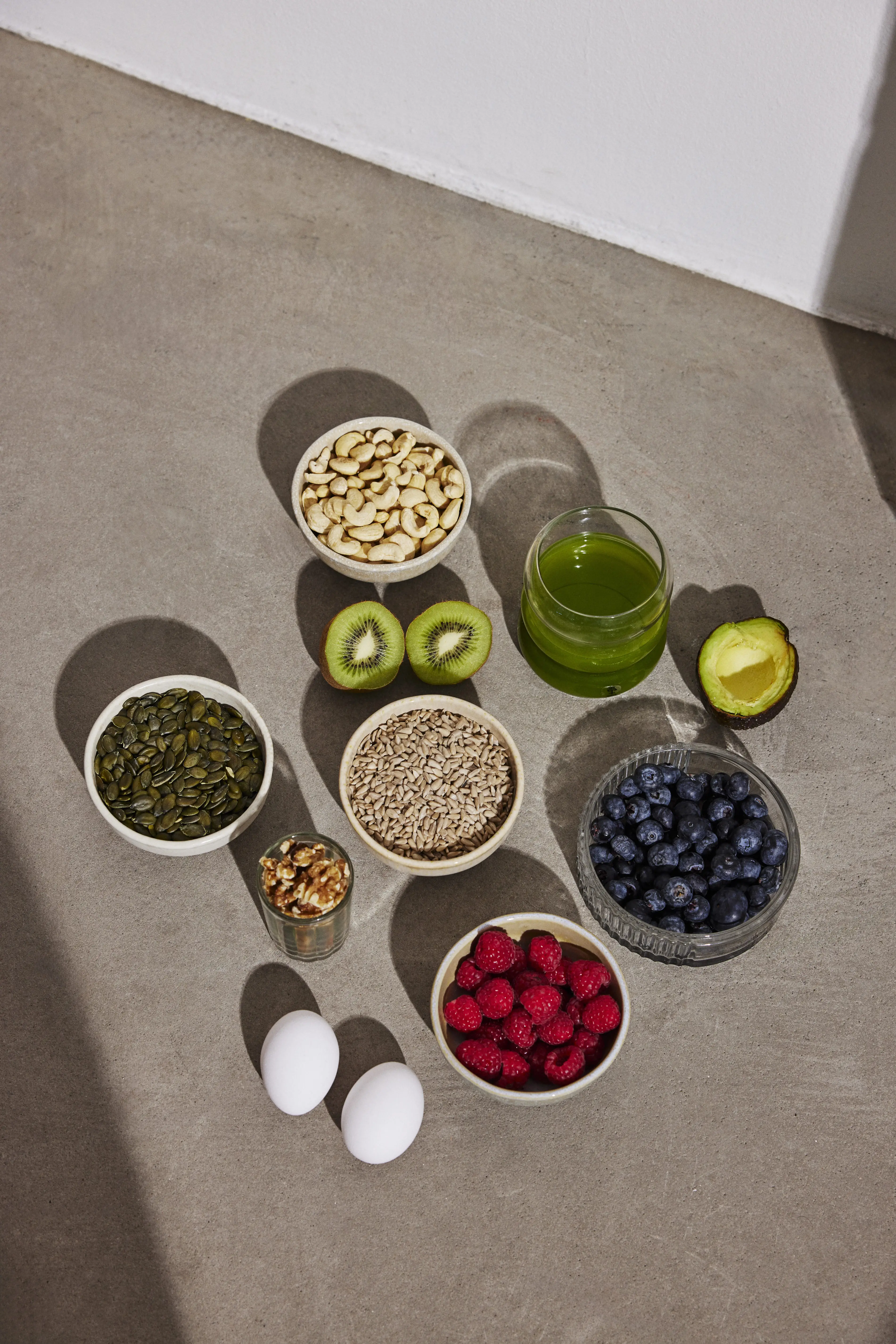
Most of us are only getting around 18g of fibre, but adults should be getting 30g, says Rhiannon Lambert, one of the UK’s leading nutritionists.
“The foods that naturally used to bring fibre into our diets just aren’t quite as front and centre as they once were,” she told Hello! Magazine.
How to increase fibre intake?
If you’re struggling to meet the demands of a high fibre intake, then Lambert suggests making small dietary swaps to start.
This may look like choosing whole-grain versions of familiar foods, or doing as Lambert does: sprinkling a concoction of seeds on her breakfast dishes.
“At home, I keep a jar of mixed seeds on the kitchen table, and my kids call them 'sprinkles’. They go onto yoghurt, porridge, cereal, toast - whatever breakfast looks like that day. That one small habit increases fibre intake every single morning without anyone having to think about it.”
She also recommended adding chickpeas to salads, adding a handful of berries to your breakfast plates, snacking on nuts, and bringing more vegetables, beans, and lentils into your daily diet.
 Ella Scott