
Midnight munchies may increase risk of organ disease, study suggests

Whether you’re partial to a sliver of bread and butter before bedtime or love nothing more than a midnight fridge raid, experts want you to quit chowing late into the night.
The warning comes amid damning research suggesting late-night snacking and post-dinner grazing could be heightening the chances of developing liver disease.
The conclusion—drawn in ‘Late-Night Eating is Associated with MASLD and Cirrhosis: The Nurses' Health Study and Health Professionals' Follow-Up Study’—was published after experts analysed data from nearly 200,000 people.
Researchers at Oregon Health & Science University (OHSU) examined information from three major nationwide studies: the Nurses' Health Study, the Nurses' Health Study II, and the Health Professionals Follow-up Study.
Advert
Participants were divided into groups according to when they typically ate, with experts suggesting those who consumed food after dinner time were 20 to 30 percent more likely to develop all forms of liver disease, including cirrhosis and fatty liver disease, also known as metabolic dysfunction-associated steatotic liver disease.

“A few studies have hinted at this idea, but this is among the first long-term analyses to explicitly draw the connection to fatty liver disease," said lead author Robert Wilechansky, M.D., a hepatologist at OHSU who specialises in liver transplantation.”
Fatty liver disease is estimated to affect up to one in three adults in the UK and around 80 to 100 million US adults.
Chronic fat accumulation not only triggers liver inflammation and cell injury, but it can cause the organ to shrink and harden, impairing its ability to function properly.
Eventually, fatty liver disease may lead to complete liver failure or hepatocellular carcinoma, also known as liver cancer, as per the American Heart Association.
Wilechansky said that it’s ‘important to remember, of the people who developed fatty liver disease, only a small fraction develop serious forms of the condition like liver cirrhosis’.
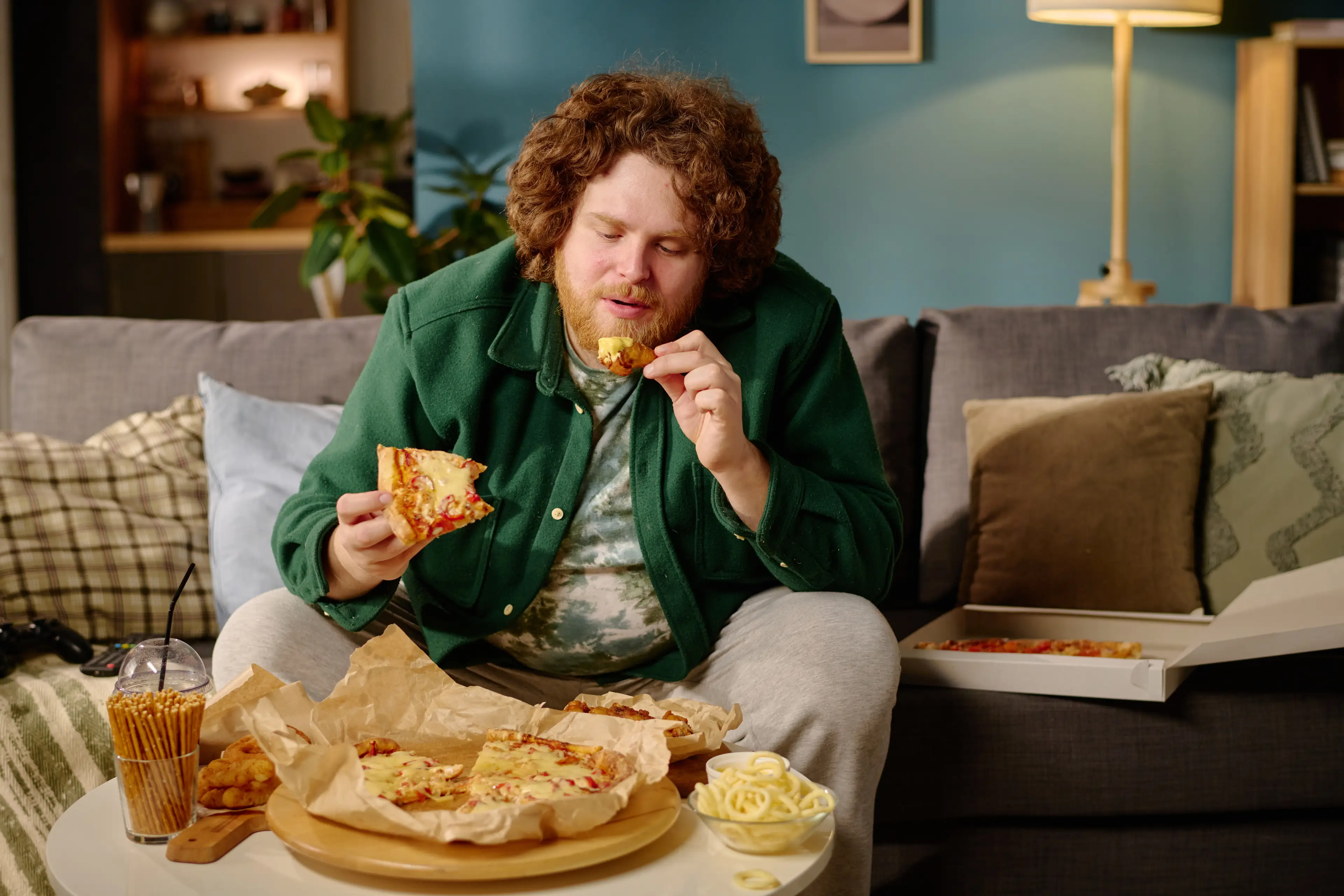
“Even so, the big takeaway here is that confining your calorie intake to several hours before bedtime might be beneficial.”
Following the study published in Clinical Gastroenterology and Hepatology, experts are raising awareness about how irregular eating times could contribute to metabolic problems, including liver disease, as reported by Science Daily.
"We know the liver is very much in tune with the body's circadian rhythms," he said.
"So we're interested in changing the timing of eating in a way that could make a difference in health without changing the composition of what people eat.”
Instead of eating late, experts suggest it is healthier to eat most of your daily calories earlier in the day and aim to eat a smaller dinner between 5pm and 7pm.
“We tend to process food more efficiently earlier in the evening because insulin sensitivity and fat oxidation follow our circadian rhythm,” Sasha Watkins, a registered dietitian and head of health at Mindful Chef, told GQ Magazine.

She said a big dinner before sleeping can ‘keep your metabolism switched on and make it harder to fall asleep and stay in deep restorative sleep’.
However, adults are advised not to skip dinner completely, with Watkins claiming ‘it’s not inherently better for your metabolism, and can easily backfire if it leads to overeating later’.
“Your body craves consistency,” agreed Kate Cohen, a registered dietitian and nutritionist at the [Hospital for Special Surger in New York.
“Those of us who are consistent are usually more successful in sustaining a healthy diet. Erratic meal skipping rarely leads to weight loss, and has been shown to slow metabolism, throw off blood sugar, and lead to overeating later on.”
So next time you’re reeling from midnight munchies, you may want to think about how you can better incorporate food throughout the day.
 Ella Scott