
Specific type of drinking water may increase your risk of Parkinson's

Researchers have suggested that the type of water a person drinks may dramatically impact Parkinson’s Disease risk.
Around one in 37 people alive today will be diagnosed with Parkinson’s, a progressive neurological disorder that damages brain cells, by 2030, as per the UK Dementia Research Institute.
Experts at Parkinson’s UK suspect that genetic, lifestyle, and environmental factors may cause dopamine-producing nerve cells to stop working.
While there is no definite cure for the disease, treatments are available to help relieve symptoms and maintain your quality of life, with the NHS citing occupational, speech, and language therapy, as well as physiotherapy for muscle stiffness and joint pain.
Advert
Experts have suggested that you may be more at risk of developing Parkinson’s disease depending on where you get the majority of your drinking water from.
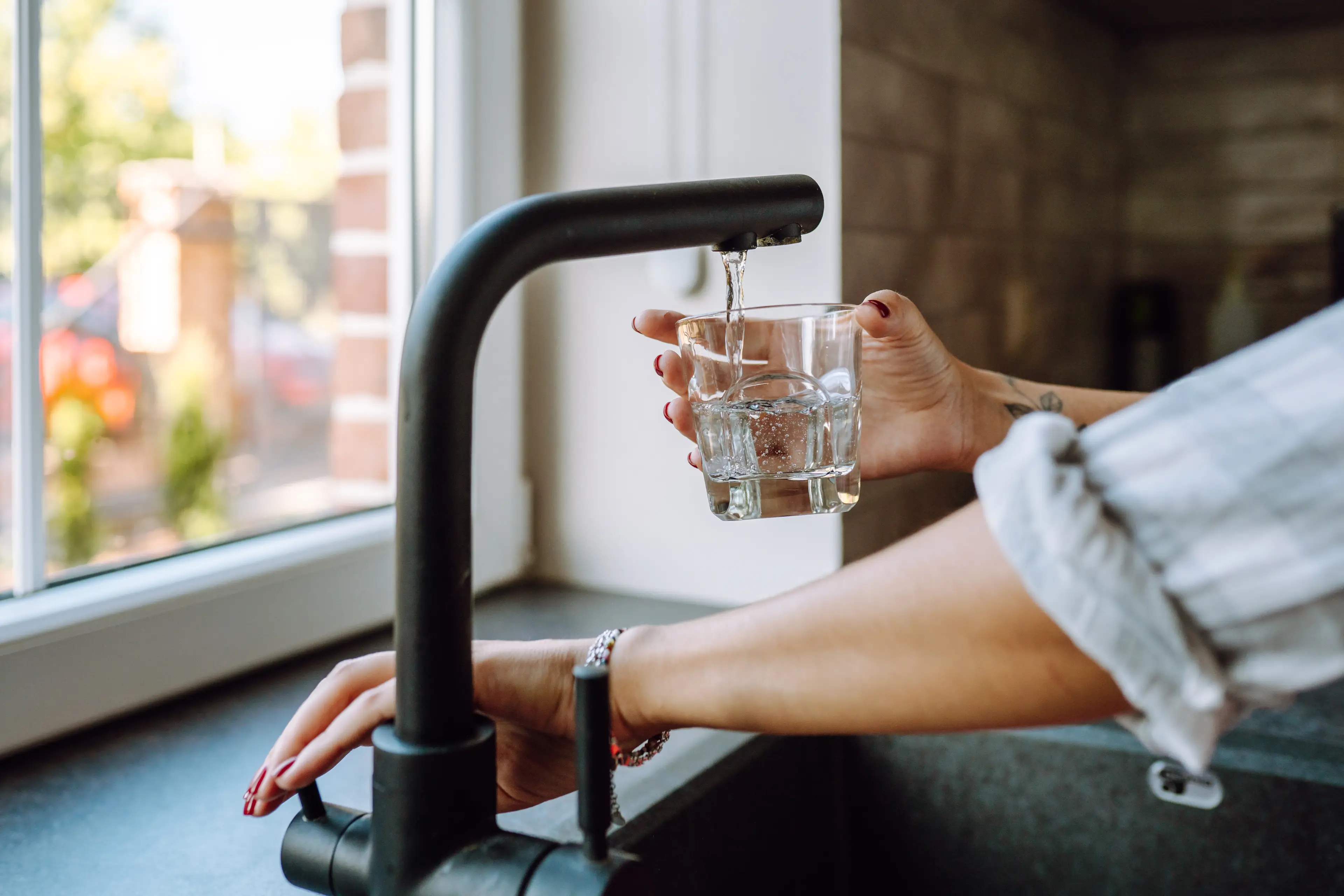
The research, due to be presented at the American Academy of Neurology’s Annual Meeting next month, was authored by experts in New York City and Arizona.
First, the group looked at more than 12,000 people with Parkinson's and over one million without the disease, all of whom lived close to groundwater sampling sites.
They found that those who drank water from groundwater sites established in the last 75 years were 11 percent more likely to be diagnosed with Parkinson’s disease compared to those whose groundwater sites were 75 years or older.
What's more, people drinking from carbonate aquifers were associated with a 24 percent higher risk of disease when compared to other aquifer types.
Carbonate aquifers are commonly found in the United States and often contain groundwater that is highly vulnerable to surface contamination.
The risk rose to 62 percent compared to drinking water from ancient glacial aquifers, which usually promote natural filtration.
Speaking on the results, Brittany Krzyzanowski, a geographer and assistant professor at Barrow Neurological Institute, said in a press release that ‘groundwater age and location is a potential environmental risk factor of Parkinson’s disease’.

"We speculate that the apparent protective effect of older groundwater is seen mainly in carbonate aquifers because these systems can show a clearer contrast between newer and older water,” she explained.
“In these aquifers, newly recharged groundwater is more vulnerable to surface contamination, while older groundwater can remain cleaner if it is separated from recent inputs by a confining layer.”
Krzyzanowski added that the study highlights that ‘where our water comes from,’ including the age of groundwater and the type of water source and that it ‘could shape ‘long-term neurological health’.
Further research is needed as it ‘may help communities better assess and reduce environmental risks’.
If you want to know how old your tap water is, then Krzyzanowski recommends getting in touch with your local water company or contacting available state or county-level groundwater information.
 Ella Scott