Scientists have made a worrying discovery about nanoplastics and salmonella

Experts suggest that the presence of nanoplastics in our food may increase the virulence of foodborne Salmonella while encouraging worrying biofilm formation.
Nanoplastics are categorised as being synthetic polymers smaller than 1,000 nanometers in diameter.
The particles, resulting from the degradation of plastic objects, are invisible to the naked eye and can cause several negative health concerns, including particle and chemical toxicity, as per previous studies.
Now, scientists from the University of Illinois Department of Food Science and Human Nutrition believe the tiny plastic pieces can cause even more harm.
Advert
In a new paper, published in the Journal of Hazardous Materials, experts state that nanoplastics may exacerbate antimicrobial resistance (AMR) in Salmonella.
Salmonella, a common type of bacterium, is known for causing food poisoning. Symptoms of infection include stomach cramps, fever, and vomiting.
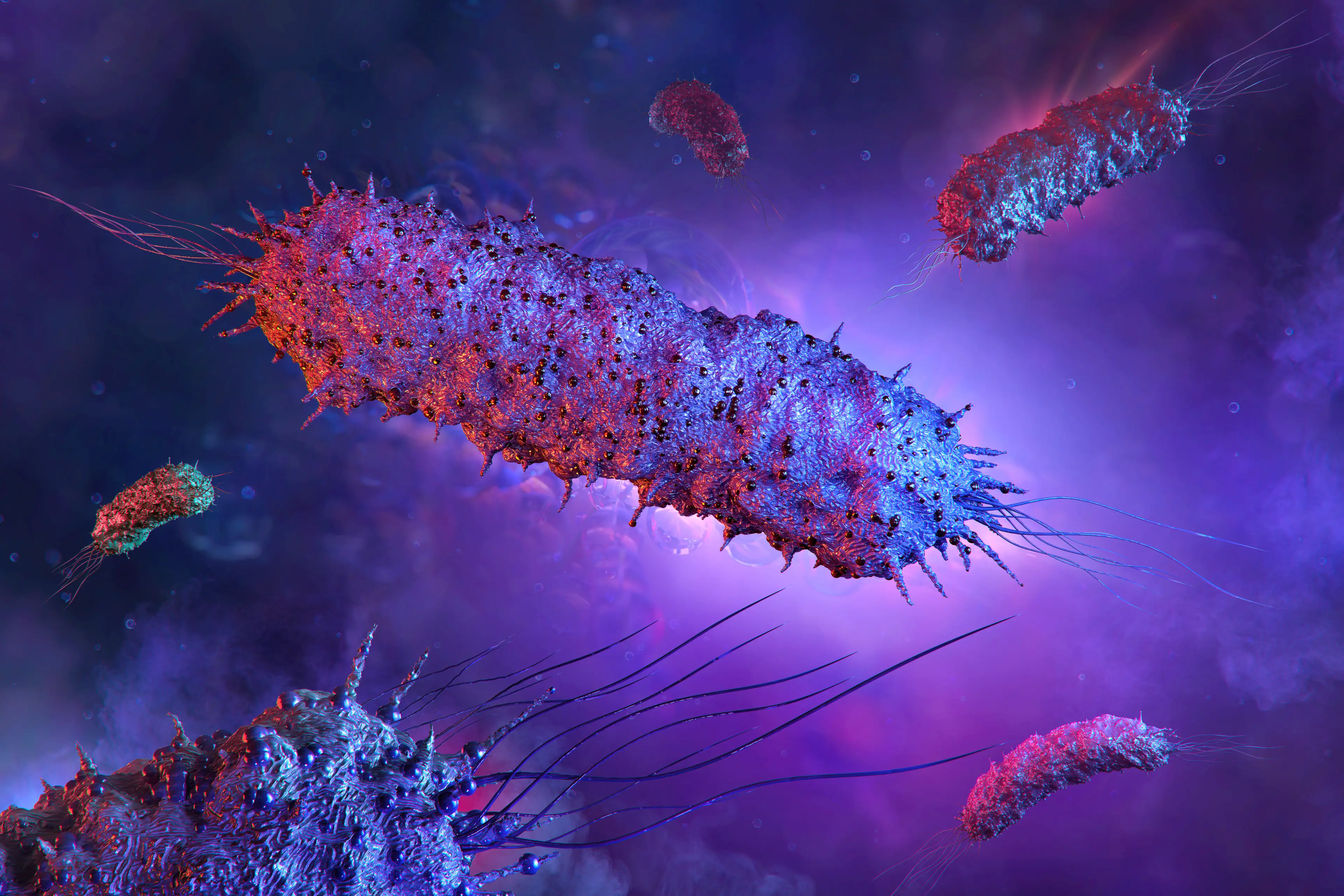
Moreover, the experts believe that nanoplastic exposure may trigger the expression of AMR genes that have cross-resistance to actual antibiotics.
These worrying conclusions were drawn after researchers began analysing retail ground turkey samples.
It was found that by properly cooking plastic-packed meat, the salmonella risk would be removed.
However, the study leaders were interested to know how the pathogen would react when exposed to low, moderate, and high levels (2.5–100 milligrams per litre) of plastic polymers.
Over time, Salmonella increased bacterial survival under stress. And, when introduced to greater concentrations of nanoplastics, Salmonella **started to become more virulent.
“We examined the physiology of Salmonella in response to nanoplastics, and we found an increased expression of virulence-related genes,” said lead author Jayita De, a graduate student of Pratik Banerjee, associate professor in the Department of Food Science and Human Nutrition’s lab.
The bacteria also formed thicker biofilms, which further indicates they are becoming more virulent.”
She continued, explaining that when the bacteria first encountered the nanoplastic particles, they went into offensive mode before later losing their resources and energy.
“So they switch to defensive mode, which allows them to persist in the environment for a longer time,” De reasoned.
“If the concentration of nanoplastics rises, they can again switch to an offensive mode. It’s a trade-off between offence and defence.”
The experts concluded that the plastic particles could alter bacterial behaviour to possibly influence virulence and survival.
Despite the worrying findings, Professor Banerjee has said he doesn’t want to ‘sound the alarm and advocate that people stop using plastics’.
“Plastic packaging provides a lot of benefits, such as reducing food spoilage and waste while keeping expenses low. We don’t know yet whether this is something we should be worried about,” he added.
The study co-authors hope that their research, which is ‘among the first to examine interactions between nanoplastics and foodborne pathogens from a food safety perspective’ may ‘help determine the potential risks, tolerances and implications for future food safety policy’, as per New Food Magazine.
 Ella Scott