Scientists have disturbing news about crabs

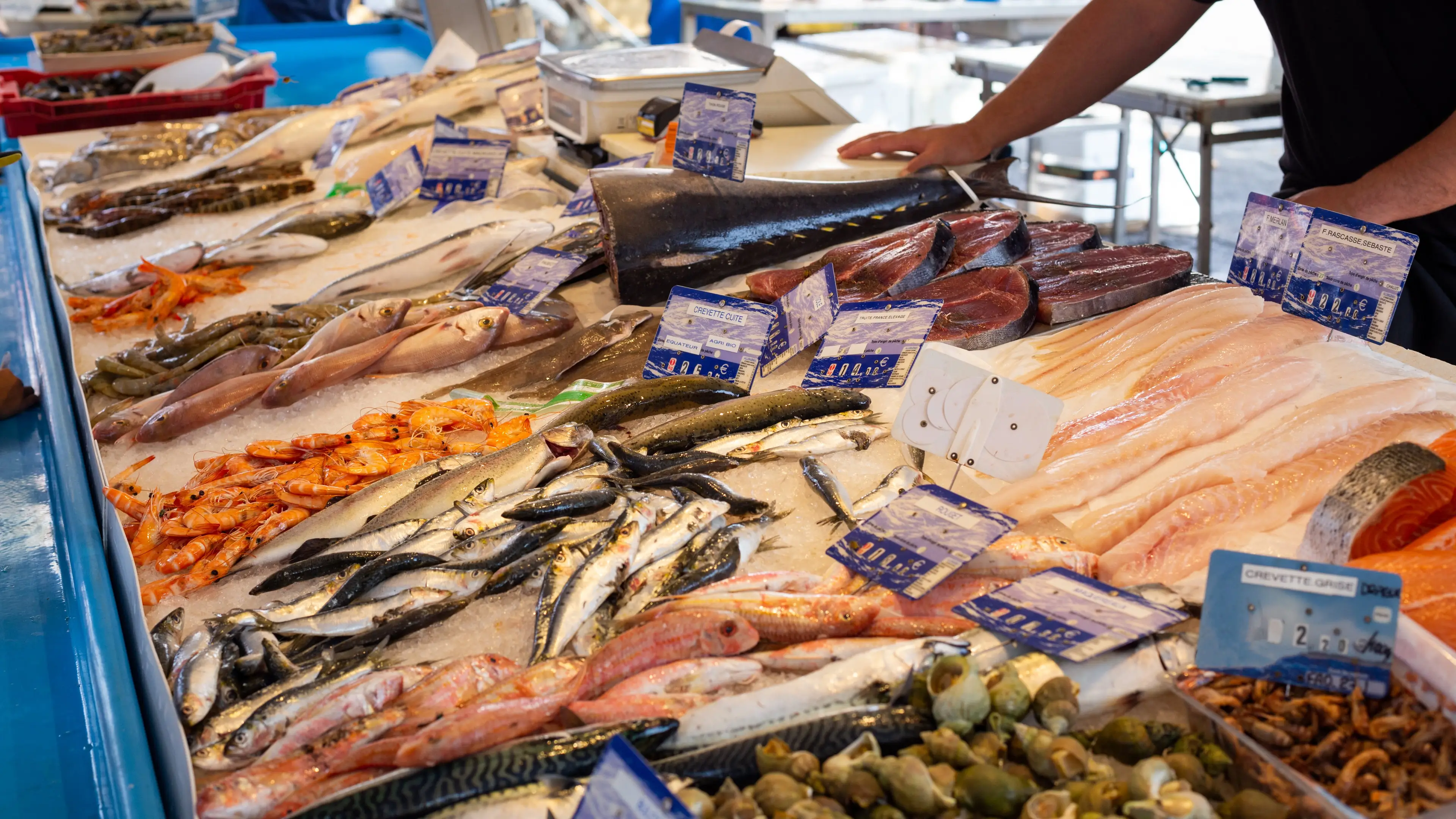
Crabs are a seafood delicacy but scientists have shared reasons to be concerned about eating them.
Deep in the mangrove forests is a crab species that appears to be breaking microplastics down into smaller particles. Although it may sound like a natural pushback against pollution, experts have warned this process could accelerate the spread of even smaller microplastic particles within the food chain.
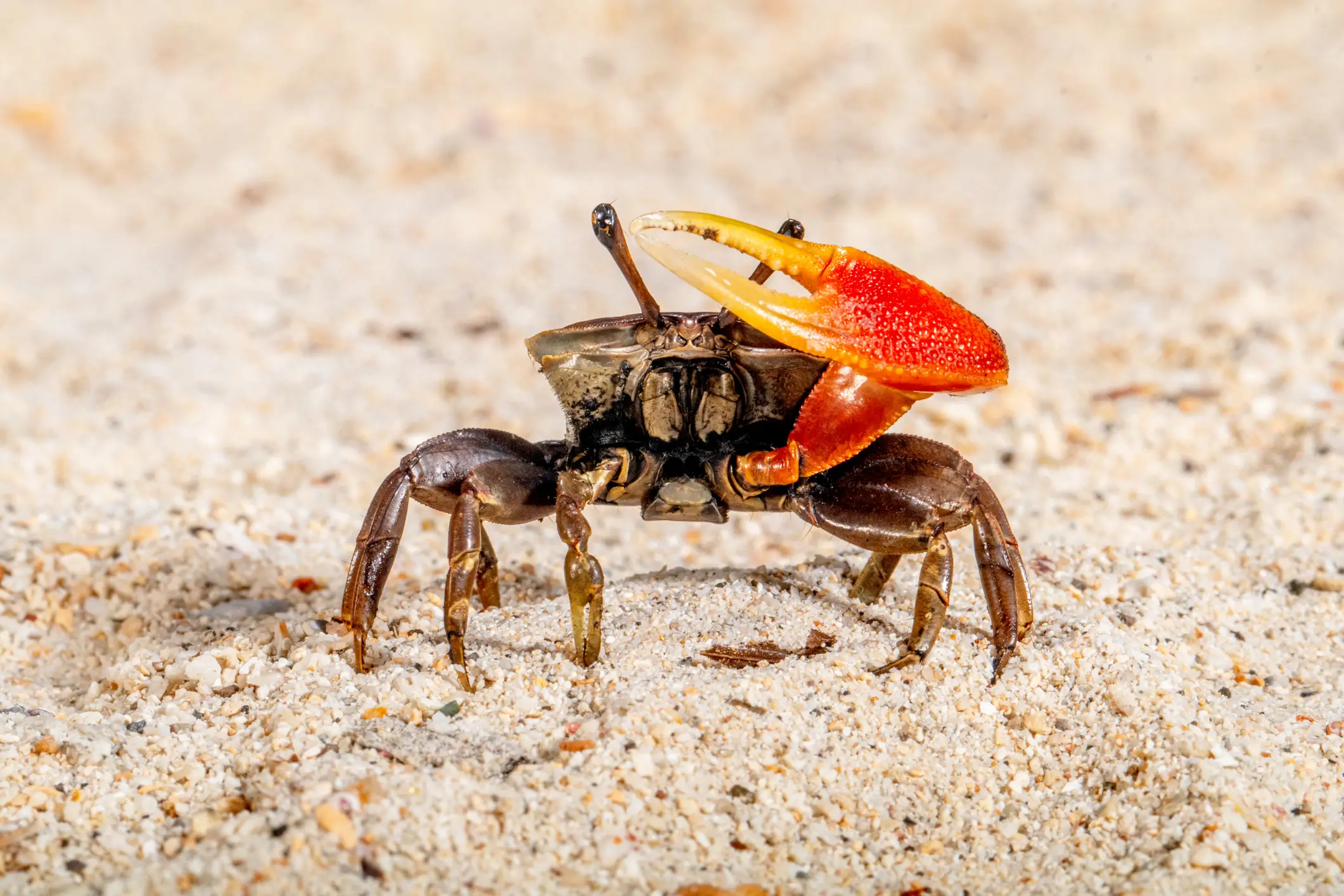
Researchers from Universidad de Antioquia, the University of Exeter, and the Corporation Center of Excellence in Marine Sciences (CEMarin) in Bogotá published their findings on fiddler crabs in the journal Global Change Biology.
Advert
They examined the small creatures and their role in gathering microplastics and digesting them into smaller pieces. The concern is that these tiny fragments may be even more difficult to track and contain.
Fiddler crabs themselves are sometimes eaten, however they are commonly used as fishing bait. Some cultures consider them a delicacy, especially when deep-fried or boiled.
In the wild they forage through sand and mud in search for anything edible, such as algae and fungus, and are known for leaving behind small sand balls after feeding.
The research team studied a large population of crabs in a polluted mangrove forest in Turbo, located along the north coast of Colombia in order to understand how the crabs come into contact with microplastics. Researchers described the area as having some of the ‘highest levels of plastic contamination reported anywhere in the world’.
Five on-metre-square plots of mangrove were selected and sprayed with fluorescent red and green polyethylene microspheres, small plastic beads that glow when viewed under a microscope.
Over the following 66 days, the team sampled the soil and 95 crabs within it to see the effect. Crabs had accumulated microplastics at 13 times the concentration in the surrounding sediment, and most of the plastic was found in their hindguts, digestive organs, and gills.
About 15% of the plastic particles had been broken into smaller pieces by the crab’s digestive system.
Although plastic takes many years to break down, it may seem like the findings regarding the crabs is a good thing for the environment. However the research team found that process they observed can release nanoplastics into the crab’s tissue, ultimately ending up in the food chain and eventually in the seafood humans eat.
Microplastics that are shed from packaging and other plastic products are winding up in the food that people eat, notably in seafood. They contaminate food and contain toxic additives that are linked to inflammation, DNA damage, and chronic diseases in humans.
 Greg Harris