
Doctor explains how much vitamin D puts you at risk of 'overdose'

A doctor has explained how to avoid taking too much vitamin D.
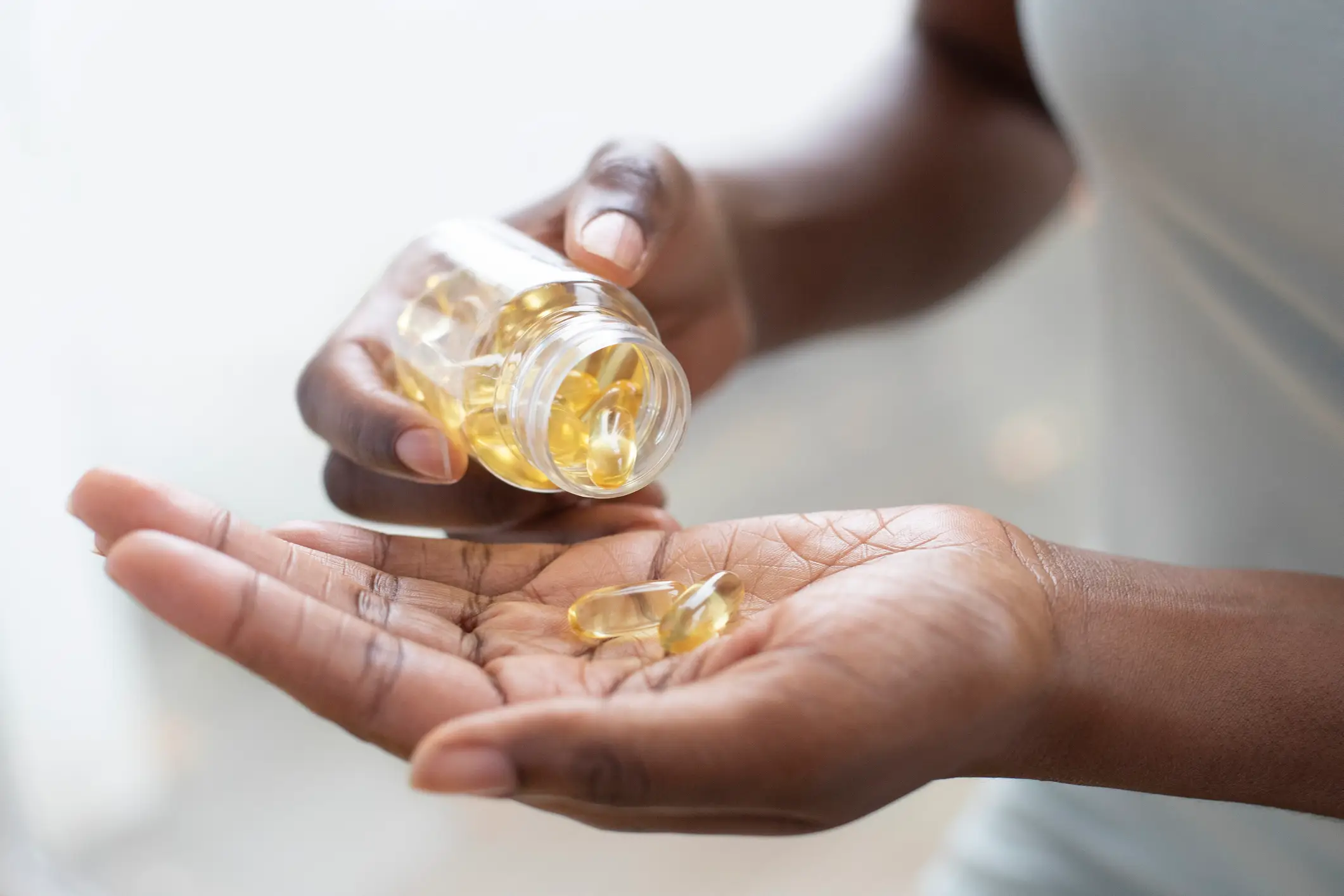
Often taken as a supplement, vitamin D helps the body absorb calcium and phosphorus, and support muscle function, healthy bones, and teeth, and it also helps the immune system function.
The body takes in vitamin D from sunlight that is absorbed by the skin, which is the primary source for most people. But during times when sunlight is limited, such as during the autumn and winter, it is advised that people should consider taking a daily vitamin D supplement.
Advert
Good sources of vitamin D include foods such as oily fish like salmon, sardines, trout, herring, and mackerel, plus red meat, egg yolks, fortified foods like fat spreads and some breakfast cereals, and liver.
Although vitamin D does a lot of good things for our body, when it comes to supplements there is a possibility you may end up consuming too much. Dr. Oscar Duke has shed light on this during a segment on BBC Morning Live, outlining what could happen if you take too much.
“The NHS and government recommendation is that we take 400 international units of vitamin D a day during those autumn and winter months,” he said.
Adults and children over the age of one are advised to take a daily 10 microgram vitamin D supplement, equivalent to 400 IU, from October through early March.
It can be easy to exceed the recommended amount, as many over-the-counter supplements contain between 800 and 1,000 IU. Dr. Duke warned: "If you're getting over 4,000 international units, then you're at potential risk of vitamin D overdose."
The NHS warns taking too many vitamin D supplements over a long period of time can lead to there being too much calcium built up in the body, called hypercalcaemia. This can weaken the bones and damage the kidneys and heart.
"If you get too much calcium in your body, then that can affect your heart," said Dr. Duke. "You can get calcium stones in your kidneys, and it can really upset your tummy."

If you decide to include vitamin D supplements in your diets, 10 micrograms a day will be enough for most people, the NHS says. It is advised to avoid taking more than 100 micrograms (4,000 IU) of vitamin D a day as it could do more harm than good.
The advice differs depending on your age. The 4,000 IU rule applies to adults, pregnant and breastfeeding women, and the elderly, plus children aged 11 to 17.
Children aged between 1 to 10 should not have moe than 50 micrograms (2,000 IU) a day. And infants below 12 months should not be given more than 25 micrograms (1,000 IU) a day.
 Greg Harris