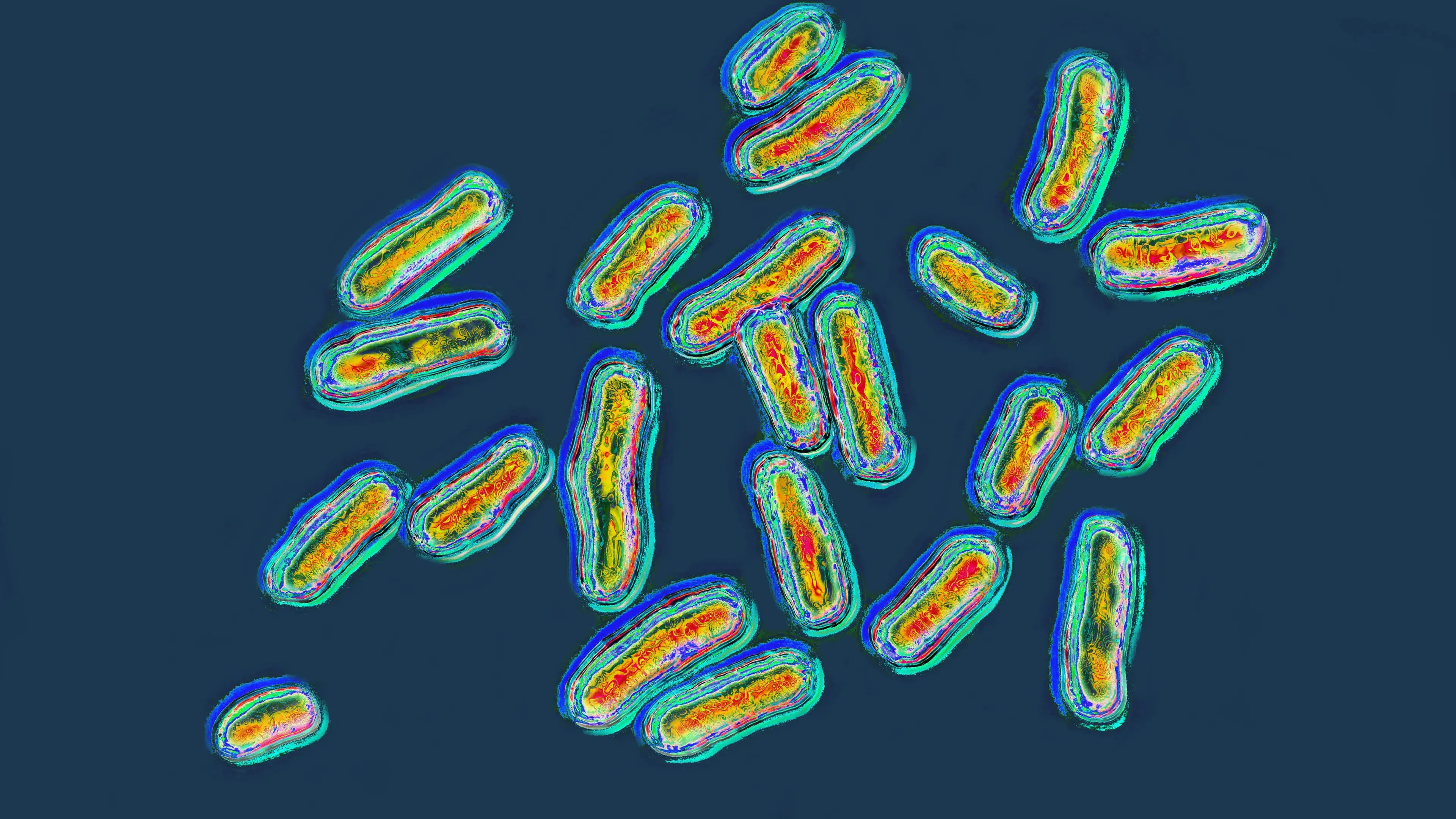
Health alert issued amid mysterious salmonella outbreak in US

Health officials continue to investigate the cause of two serious Salmonella outbreaks across the United States, pinpointing a popular supplement which may be behind the slew of illnesses.
Salmonella infection, also known as salmonellosis, primarily affects the human intestines, causing serious symptoms such as diarrhoea, vomiting, and fever, especially in young people, pregnant people, and those with underlying health conditions, such as diabetes and cancer. In rare cases, the bacteria can cause death.
Experts previously reported a suspected outbreak back in January, and now the Centers for Disease Control and Prevention (CDC) is warning consumers that the mounting epidemic may be related to a popular food supplement.
It’s understood that this particular case of Salmonella Typhimurium—a variety of the widespread bacteria that mostly affects wild animals and raw meat—is derived from supplements containing moringa leaf.
Advert

The latter, used as vegetables and for traditional herbal medicine, hails from northern India, with experts claiming it offers powerful anti-inflammatory and antioxidant properties alongside being a good source of vitamins A, C and E.
The CDC reported on Wednesday (27 April) that at least 18 people across 14 states have gotten sick with the same strain of Salmonella.
Seven people have been hospitalised, and no deaths have been reported, a notice read.
This has also prompted the reopening of a previous outbreak alert that started back in January.
As of today (29 May), there have been 22 new Salmonella cases across a total of 36 states, with six more people being hospitalised, bringing the total tally to 32.
“CDC and public health officials in several states are investigating a multistate outbreak of Salmonella infections linked to Mogo brand moringa capsules,” a report stated.
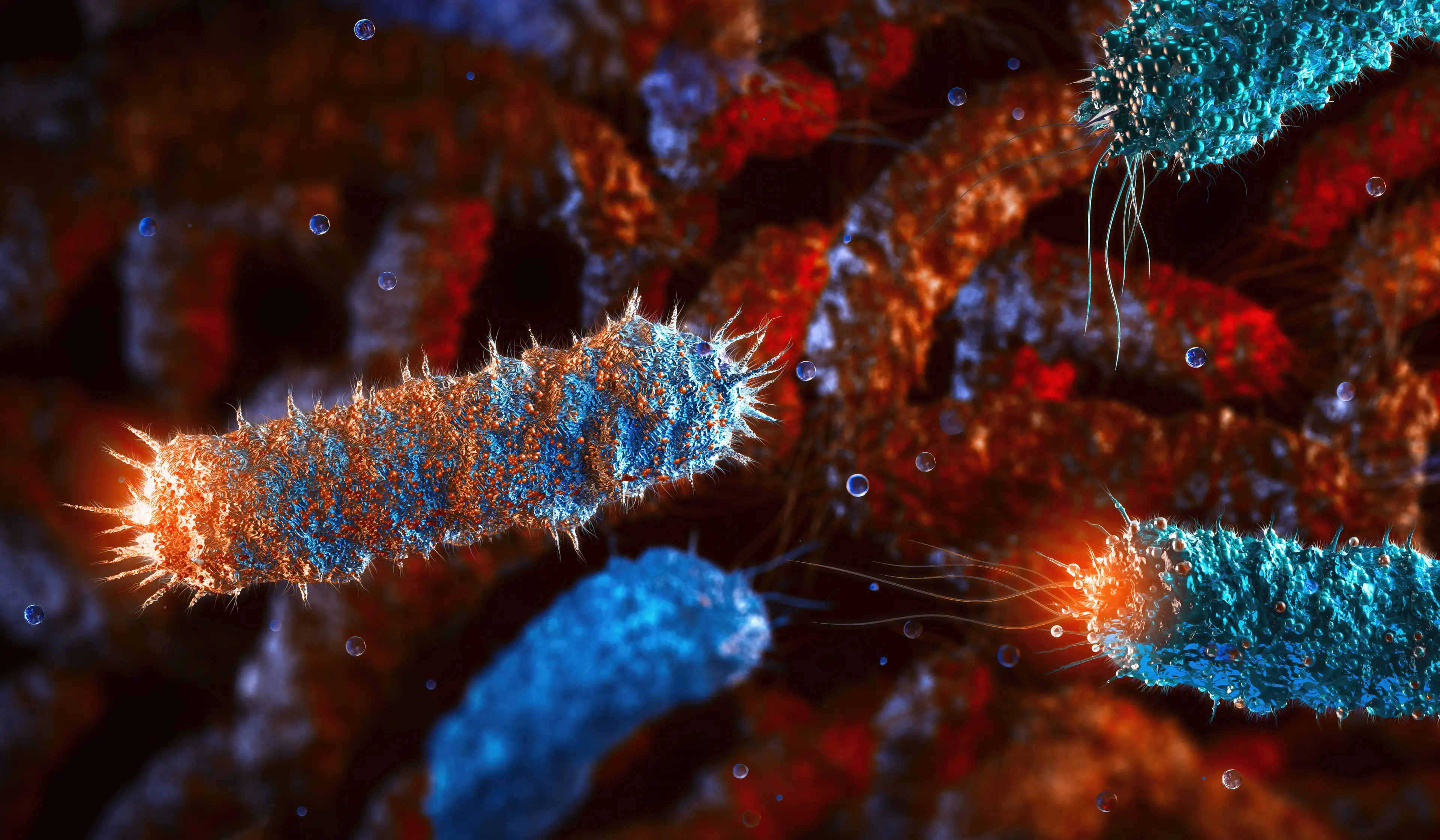
New product recalls:
Pure Moringa Oleifera Capsules by Mogo Moringa LLC
- Lot: 15525AA. Expiration date: June 2027
- Lot: 00926AA. Expiration date: January 2028
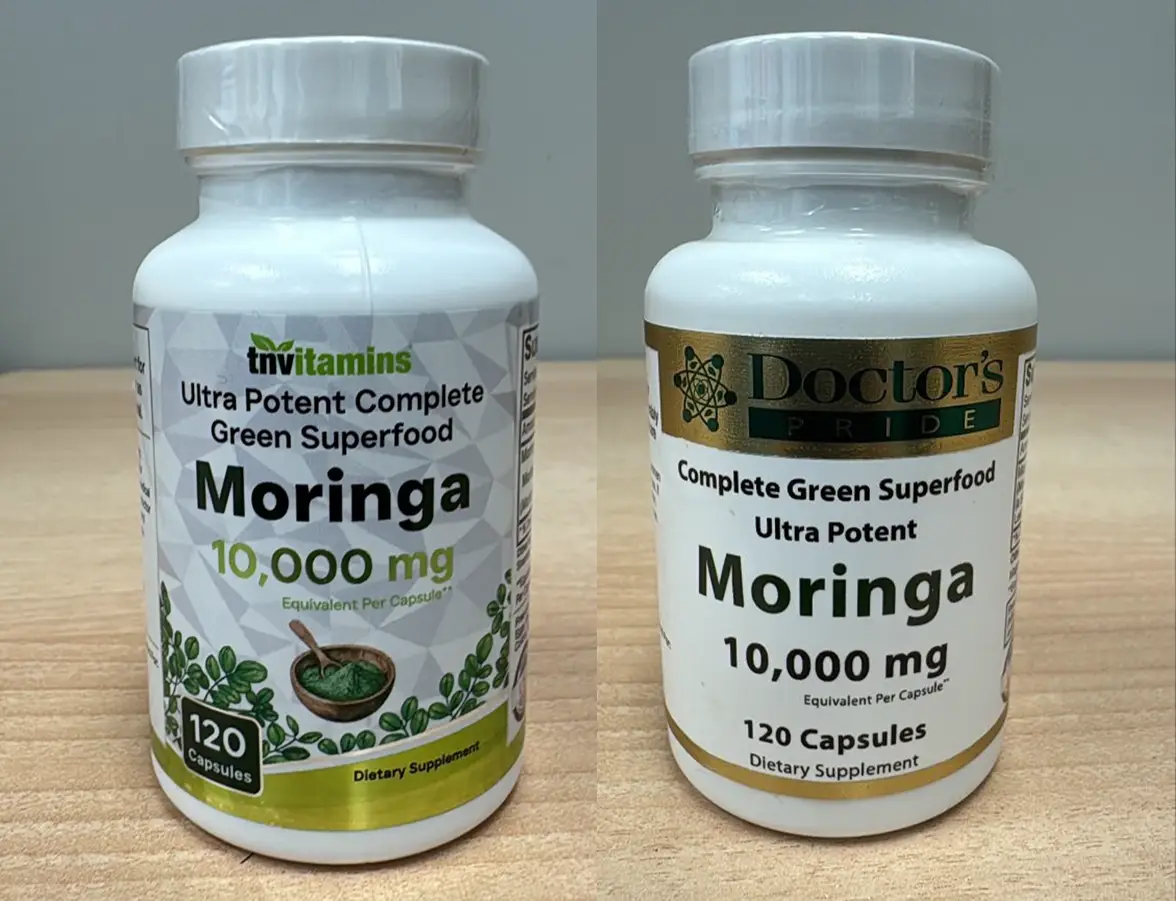
TNVitamins Ultra Potent Complete Green Superfood Moringa (10,000 mg/120 capsules)
- Lot: 2507199. Expiration date: September 2027
- Lot: 2512-304. Expiration date: February 2028
- Lot 2793. Expiration date: February 2028
Doctor's Pride Complete Green Superfood Ultra Potent Moringa (10,000 mg/120 capsules)
- Lot: 2507199. Expiration: September 2027
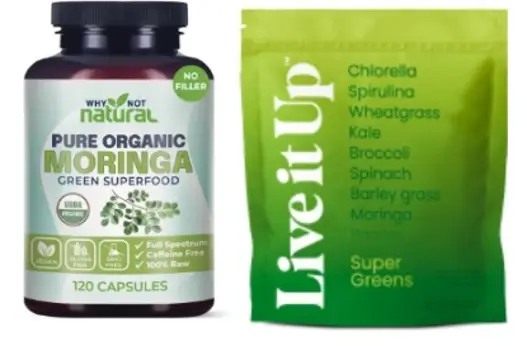
Previous product recalls
Why Not Natural Pure Organic Moringa Green Superfood capsules (120 capsules)
- Lot: A25G051. Expiration date: July 2028
- Sold nationwide in the United States
- Recall first issued 28 January
Live it Up Super Greens supplement powders
- Expiration dates: August 2026 to January 2028.
- Sold nationwide in the United States, including Puerto Rico, Guam, and Virgin Islands
- Recall first issued: 15 January
To avoid potential Salmonella Typhimurium contamination, which can present anywhere from six hours after consuming a contaminated product to three days after exposure, it’s advised you throw away any of the recalled products or return them to where you bought them.
According to a past notice, health officials are currently interviewing anyone affected by the bug to discover any further sources of the ongoing outbreak.
How to avoid Salmonella contamination
Anyone who believes they are suffering from common Salmonella poisoning is advised to seek medical advice.
Those whose fever has spiked to over 101.5F (38.61°C) should contact their health provider as soon as possible.
The Centers for Disease Control and Prevention (CDC) has stated that anyone preparing food should wash their hands before touching it, and continue to follow proper food safety practices.
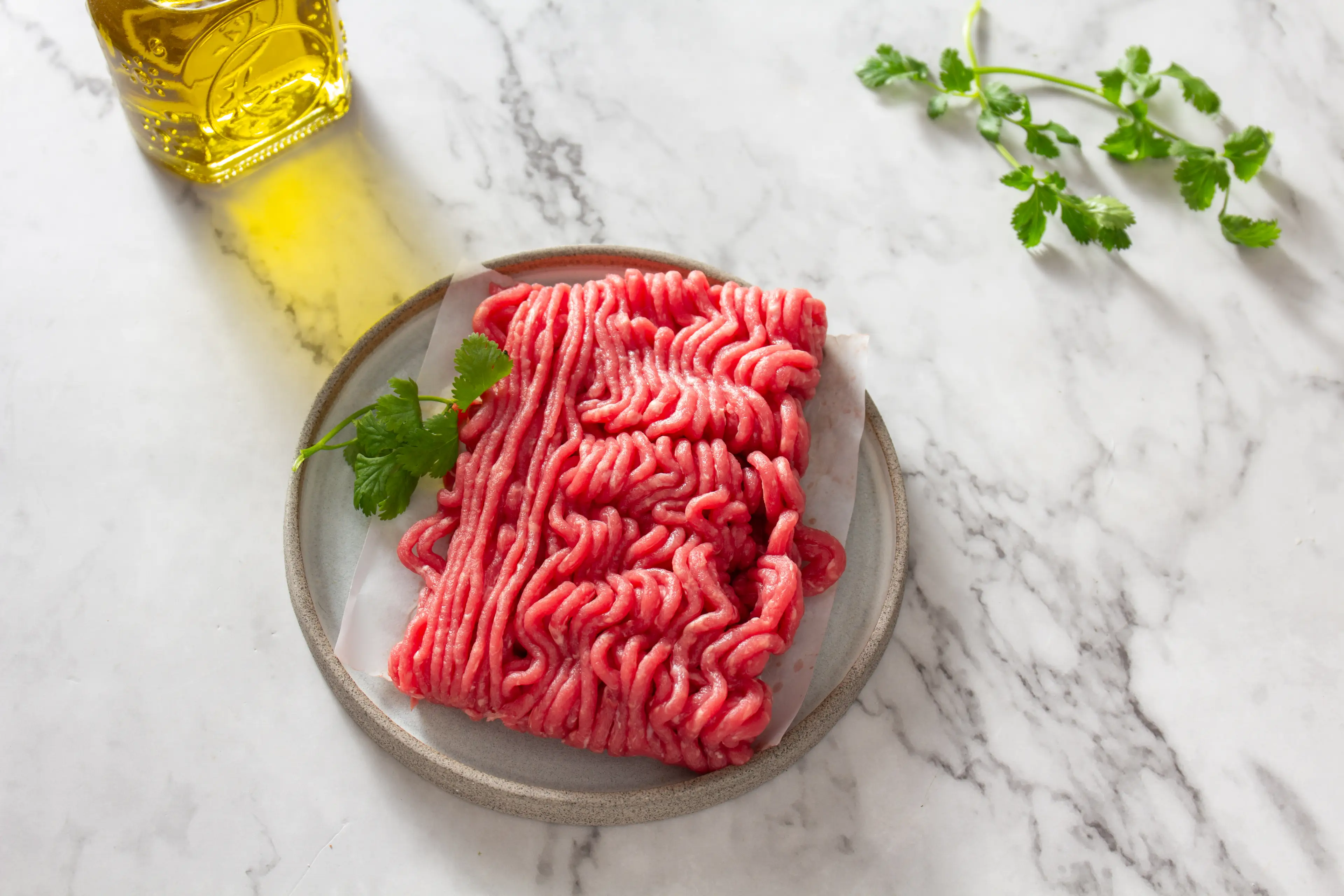
This includes reheating food to 165F (75°C) to kill the bacteria and keeping raw or marinating meat, poultry, seafood, and eggs separate from all other foods.
“Store raw meat, poultry, and seafood in sealed containers or wrap them securely so the juices don't leak onto other foods,” the CDC added.
Other foods commonly associated with food poisoning include shellfish, unpasteurised dairy, vegetables, deli meats, and fruit.
Nanoplastics linked to increased Salmonella exposure
Earlier this year, research published in Journal of Hazardous Materials suggested that nanoplastics in our food may increase the virulence of foodborne Salmonella.
Experts from the University of Illinois Department of Food Science and Human Nutrition made the claim after analysing retail ground turkey samples.
“We examined the physiology of Salmonella in response to nanoplastics, and we found an increased expression of virulence-related genes,” said lead author Jayita De, a graduate student of Pratik Banerjee, associate professor in the Department of Food Science and Human Nutrition’s lab.
“The bacteria also formed thicker biofilms, which further indicates they are becoming more virulent.”
She continued, explaining that when the bacteria first encountered the nanoplastic particles, they went into offensive mode before later losing their resources and energy.
“So they switch to defensive mode, which allows them to persist in the environment for a longer time,” De reasoned.
“If the concentration of nanoplastics rises, they can again switch to an offensive mode. It’s a trade-off between offence and defence.”
 Ella Scott