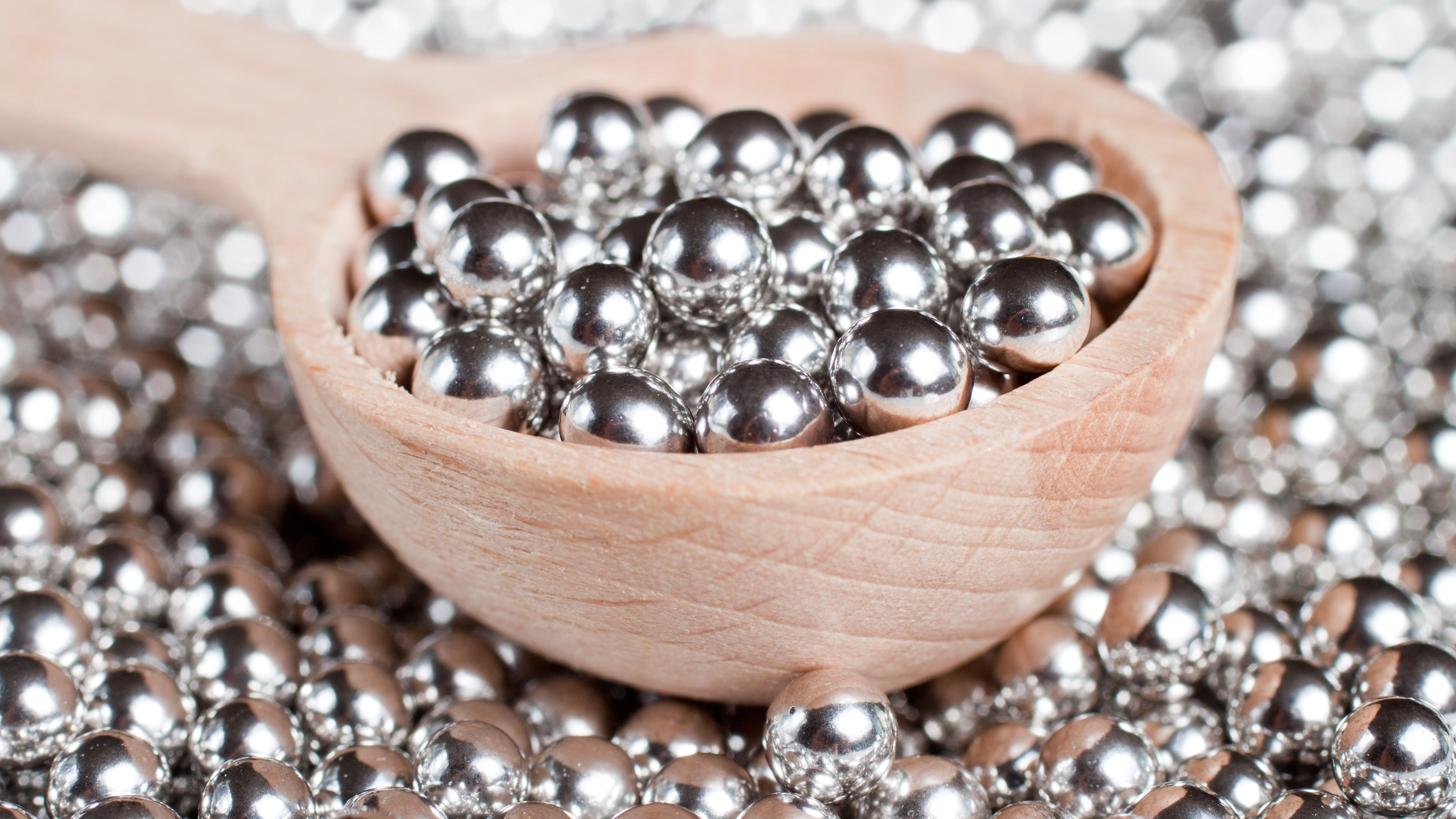
Why silver balls used for baking are banned in USA

Health advice differs all across the world; just because one item has a government's approval doesn’t mean it’s universally considered ‘good’.
Take Potassium Bromate, which New York officials have only recently taken a stance against amid its new Food Safety and Chemical Disclosure Act.
The baking staple is a common dough conditioner and flour improver, which the UK health experts ruled as a possible human carcinogen back in 1990.
Another item which has divided officials is silver balls, known as silver dragées, often used to decorate wedding cakes and to add a little bit of pizzazz to classic holiday foods such as iced biscuits, gingerbread houses, and cupcakes.
Advert
If you’re in Britain, then bakers and expert cake makers alike can sell sweet goods featuring the item as it is classed as food.
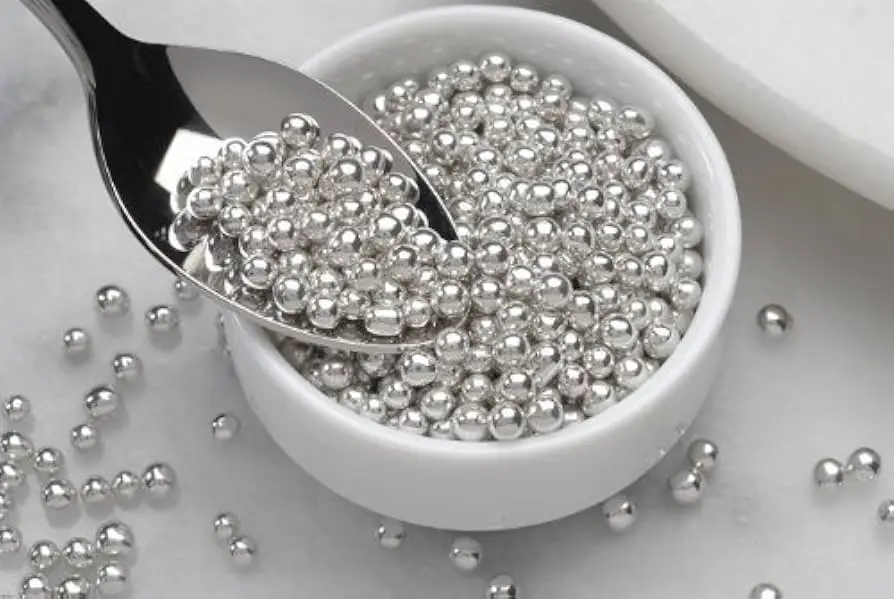
Those who want to use the silver balls to decorate their own delights at home can easily head into their local supermarket, browse the baking aisle, and pick up a jar without any issues.
However, those hoping to do the same in the United States may have a little bit more of an issue.
In 49 states, the silver balls can only be sold when accompanied by a warning that they are only for decorative purposes and are categorically not to be eaten.
A note via the FDA website reads: “When small silver balls known as ‘silver dragées’ are sold exclusively for decorating cakes and are used under conditions which preclude their consumption as confectionery, they are not considered to be in the category of a food or confectionery.”
And due to a 2003 lawsuit filed against several sellers, the sweet item cannot be purchased at all in California.
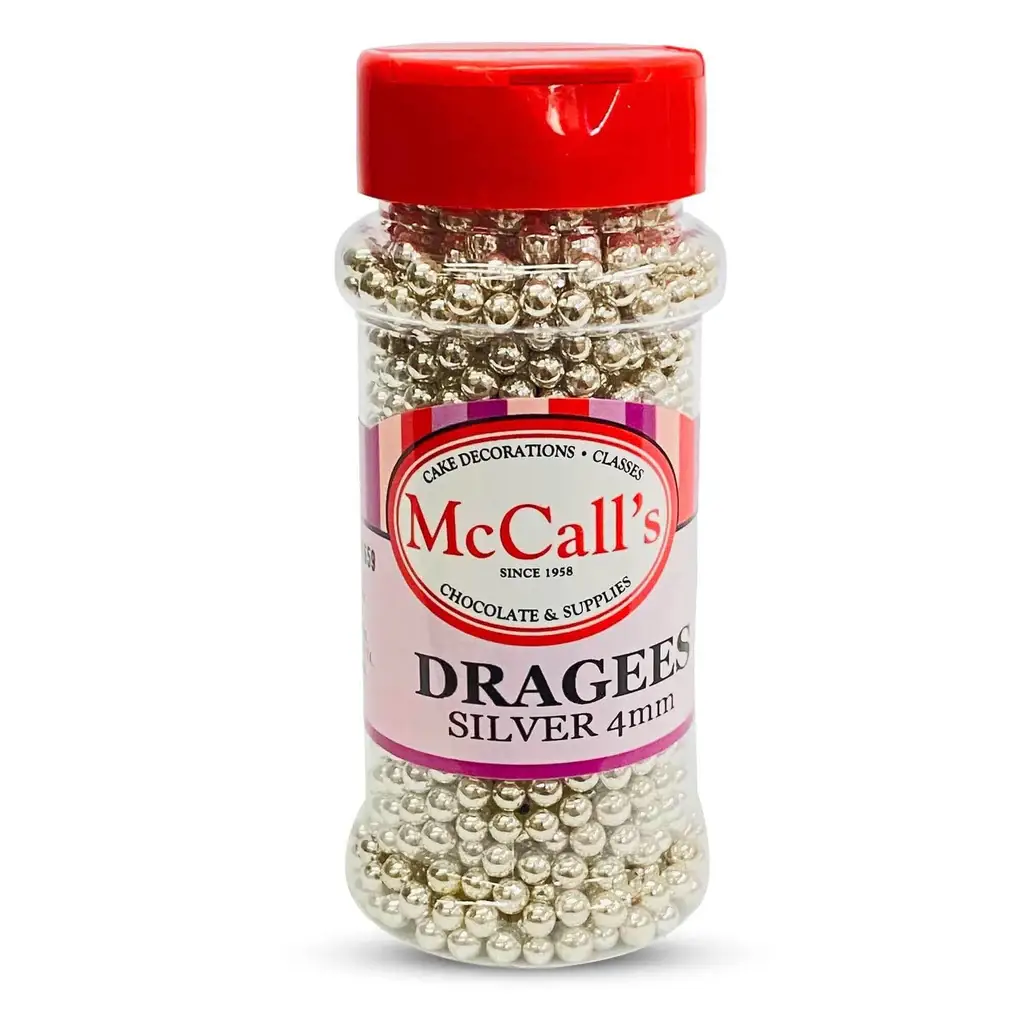
So, why is it near-impossible to get your hands on the products, and why aren’t you allowed to consume them when stateside?
Well, US regulations, which have been in place since 1906, prohibit the sale or manufacture of any kind of food item that uses any metal or mineral substance.
This includes silver, which cannot be used as a food colouring, a coating, or an additive.
According to the FDA, silver is ‘unsafe’ for consumption as large doses can cause a rare condition known as argyria.
The dermatologic condition can cause your complexion to turn blue or grey due to deposits of silver buildup in your body at toxic levels, the Cleveland Clinic says.
FDA officials said that while argyria is rare and not harmful to your health, it is irreversible.
If the metallic spheres didn’t carry their signature silver finish, then it would be a different story.
But, because they do, you’re not allowed under the law to consume them.
Campaign launched to un-ban another prohibited food
Another British staple that is banned in the United States, which football fans are ‘begging’ officials to bring back, is haggis.
The Scottish delicacy, predominantly made from minced sheep’s offal (heart, liver and lung), has been banned in America for 55 years due to the US Department of Agriculture (USDA) reporting that any item containing the lungs of an animal is ‘unfit for human consumption’.
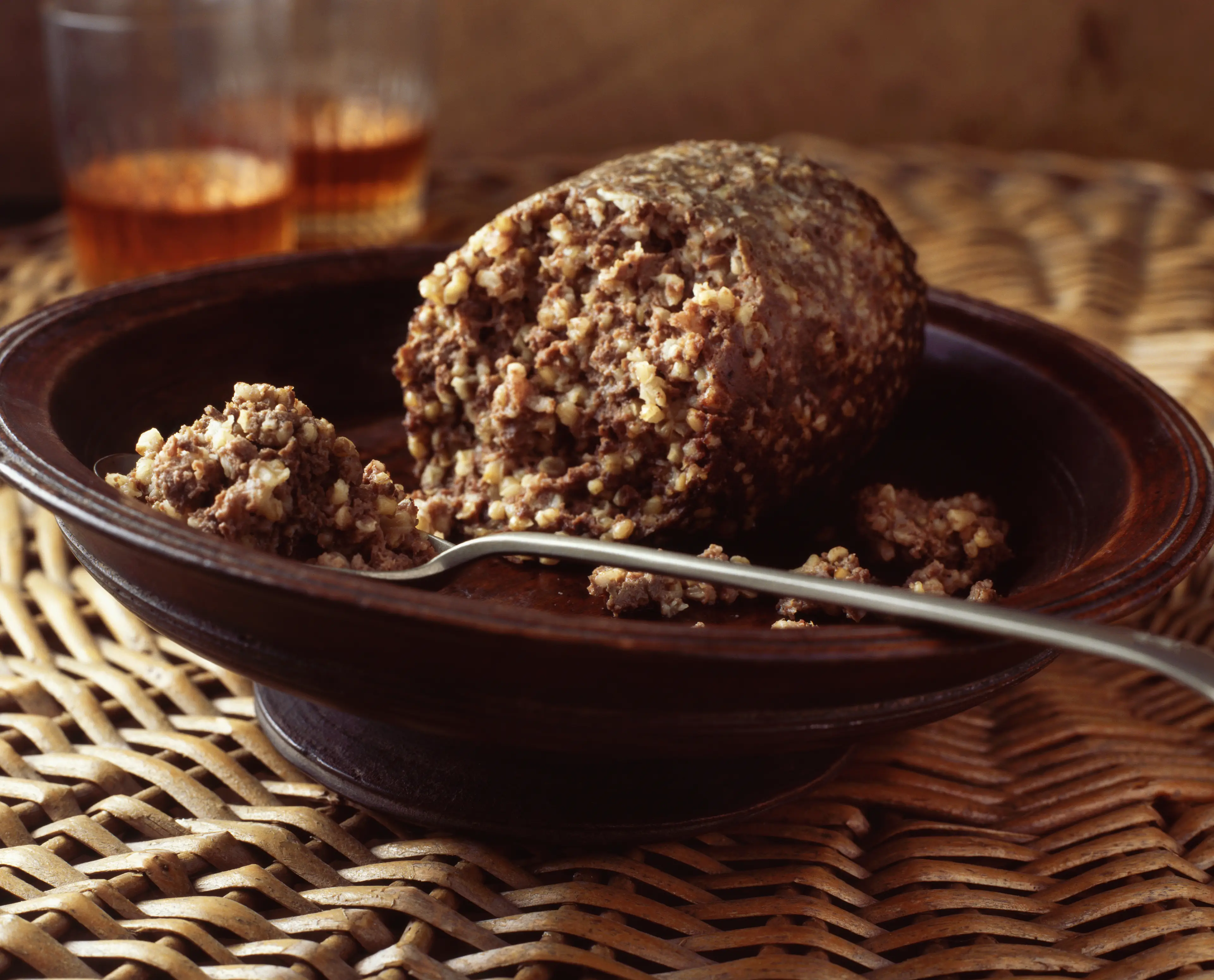
Despite it being illegal to import haggis into the country, Simon Howie, a Scottish butcher has campaigned with journalist Gordon Smart to bring haggis back for travelling Scottish football fans during the 2026 FIFA Men’s World Cup.
“Scotland football fans are widely recognised as the best in the world, and they are about to make the trip of a lifetime, but they’ll be doing it without access to their national dish,” campaigner Howie said.
“With such warmth and long-standing affinity between Americans and Scots we’re appealing to the USA to embrace this delicious delicacy and Make Haggis Legal Again.”
Scottish podcaster David McIntosh Jr. met with the Governor of Massachusetts Maura Healey last month, and a video of her 'signing' an executive order to make haggis legal in Massachusetts went viral.
But Healey later took to X to clarify the post saying: "I have received countless messages from Massachusetts residents, Scotland supporters, legal experts, and at least one very concerned sheep regarding my order making haggis legal in Massachusetts. After careful review by my office, I am prepared to clarify that this was, in fact, a joke."
 Ella Scott