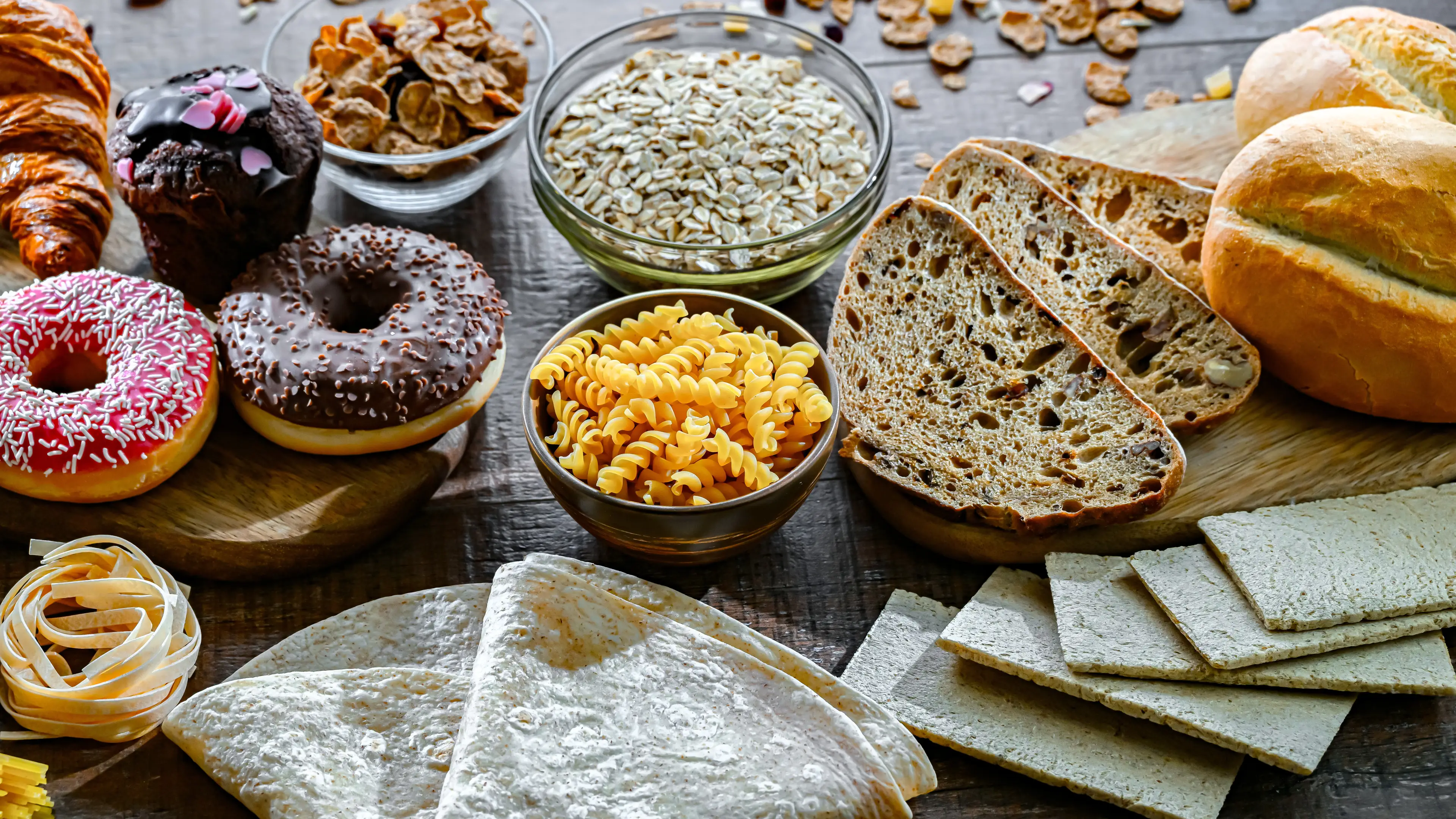
Pasta topped with cake or trout sushi for breakfast: the unlikely meals of Wimbledon sports stars

We’re just days into Wimbledon and the third Grand Slam of the season has already thrown up some serious surprises: Naomi Osaka knocking out top Seed Aryna Sabalenka; Novak Djokovic breaking Roger Federer’s men’s singles match-win record; and the price of strawberries and cream hitting an all-time high.
This year, hundreds of athletes and tennis fans alike continue their descent on SW19, where Evian is handing out £5 water bottles that can be refilled at one of the ‘cool’ reusable stations, and bucketloads of Wimbledon Pimm’s.
While the competitors are unlikely to be taking part in the alcoholic tradition, they are apparently seeking out gut-friendly foods such as kombucha made with old coffee grounds, beans, and kimchi, as per Joe Furber, the senior food and drink manager at Wimbledon.

Gut health is a priority
“Gut health and probiotic products are very popular. We’re aware of that so we’re absolutely thinking about that,” he told The Guardian.
Advert
Dr Luciana Torquati, who researches sports nutrition at the University of Exeter, explained that foods containing live cultures such as yoghurt and kefir can help ‘support digestive and immune health, improve nutrient absorption, reduce gastrointestinal symptoms’.
“Together, these factors may help athletes better tolerate demanding conditions and reduce the risk of gastrointestinal symptoms and illness that can negatively affect performance.”
Swapping beef for venison
Head chef Sam Kent has followed a trend that Shambala Festival was keen on: introducing venison.
The meat, primarily referring to the meat of deer of the Cervidae Family -deer, moose, elk, antelope, caribou and reindeer - is described by the British Deer Society (BDS) as ‘one of the most sustainable meats you can buy’.
“The UK has extremely high standards in relation to deer management and food safety, as well as legal protections which ensure that deer are humanely culled,” the society said via its website.

“All venison must meet rigorous handling and processing requirements before it is allowed to be passed on to the consumer.”
According to Kent, venison is on the menu at Wimbledon as it is ‘nutritionally dense’ and has a ‘really high level of protein as well’.
The chef’s claims have been backed up by a study published in Acta Veterinaria-Beograd, which found red, roe, and fallow deer - all quarry species in the UK - had protein levels around 22g per 100g of meat.
Research also found that the meat is rich in essential amino acids, a ‘favourable fat composition’, and is packed with minerals including phosphorus, sodium and magnesium.
Sustainability and local sourcing
Like Jeremy Clarkson’s Farmer’s Dog Pub, Wimbledon emphasises British sourcing, collecting quinoa and lemongrass from north Wales and chia seeds from local farmers.
Benefits of eating locally include reducing the carbon footprint associated with long-distance food transport, decreasing bacterial or viral contamination during distribution, and supporting the community, as per the University of New Hampshire.
Sushi for breakfast
Carb-loading before a match isn’t a new trick, with Australian women’s footballer Sam Kerr famously indulging in a spaghetti sandwich before she hits the pitch.
Apparently, at Wimbledon, the singles and doubles contenders are likely to reach for sushi packed with rice and chalk-stream trout caught in Hampshire.
“Sushi is always popular with the players, it’s number one … across the board,” Kent informed the publication.

“We can’t make enough of it, they absolutely love it.”
He claimed that SW19 has a ‘full-time team of on-site sushi chefs’ who produce sushi portions at ‘all times of the day’, including from ‘the very early hours of the morning’.
Another bizarre dish you may find your favourite sports star eating is pasta with cake on top.
According to Kent, this is often chosen to keep players fueled during hours-long matches. Hey - if it works, it works!
What food and drink can you bring to Wimbledon?
Unlike other major sports competitions, organisers of the Championships are keen for punters to bring their own food and drink into the grounds.
However, there are some rules, including not bringing any items in a hard-sided container or in a vacuum flask over 500ml.
Alcohol is limited to: one 750ml bottle of wine or champagne per person, or two 500ml cans of beer or lager or two 500ml cans of premixed aperitifs.
Glass bottles and open cans cannot be taken into the seating areas on the show courts.
Strawberries and cream and Pimm’s prices
This year, punnets of Wimbledon strawberries and cream and glasses of Pimm’s have both increased in price
For the first time, anyone wanting to sample the traditional sweet treat will have to fork out £2.85, up from £2.70 last tournament.
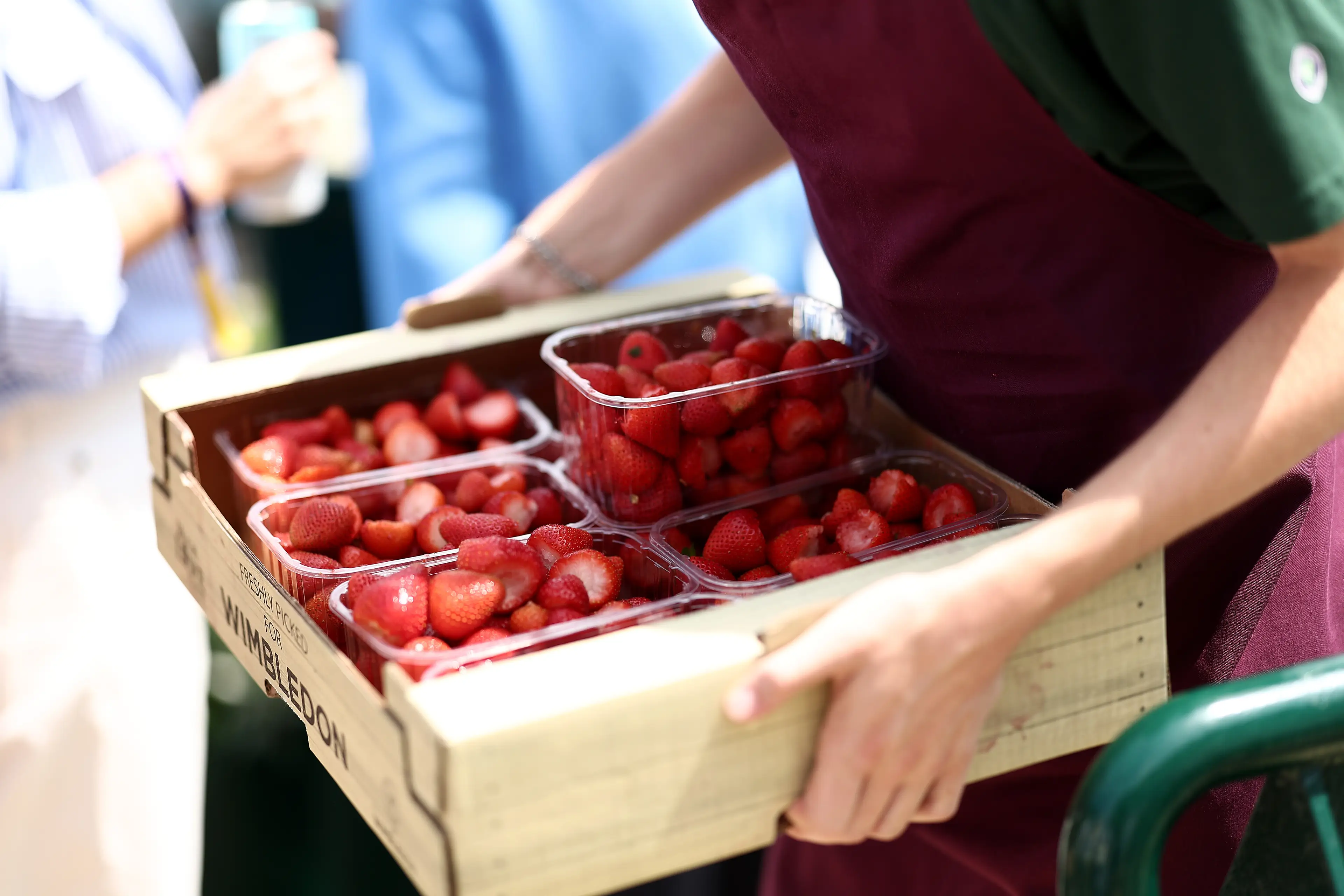
Meanwhile, a healthy glug of Pimm’s cost revellers £12.25 in 2025, as per GB News.
However, this year a glass is priced at £13.45 - meaning you will need £16.30 if you want to try out both of the iconic items.
More food and drink on offer
Wimbledon is about far more than Pimm’s and pots of strawberries and cream, with the All England Lawn Tennis and Croquet Club putting on an absolute spread this season.
Centenary Gardens
Designed as a place to relax and soak up the atmosphere, Centenary Gardens plays host to Café Pergola, a casual dining area that is easily accessed via the South Concourse or St Mary's Walk.
Brunch options include hand-carved honey-glazed bacon rolls (£9.70) and sandwiches, such as crispy chicken, tomato chilli, rocket and parmesan on ciabatta (£17.85).
There are rotisserie and salad options; a rotating Wimbledon cake selection, with prices starting from £4.45; and Jude’s Ice Cream Tubs and Sticks for £4.75 each.
Walled Garden
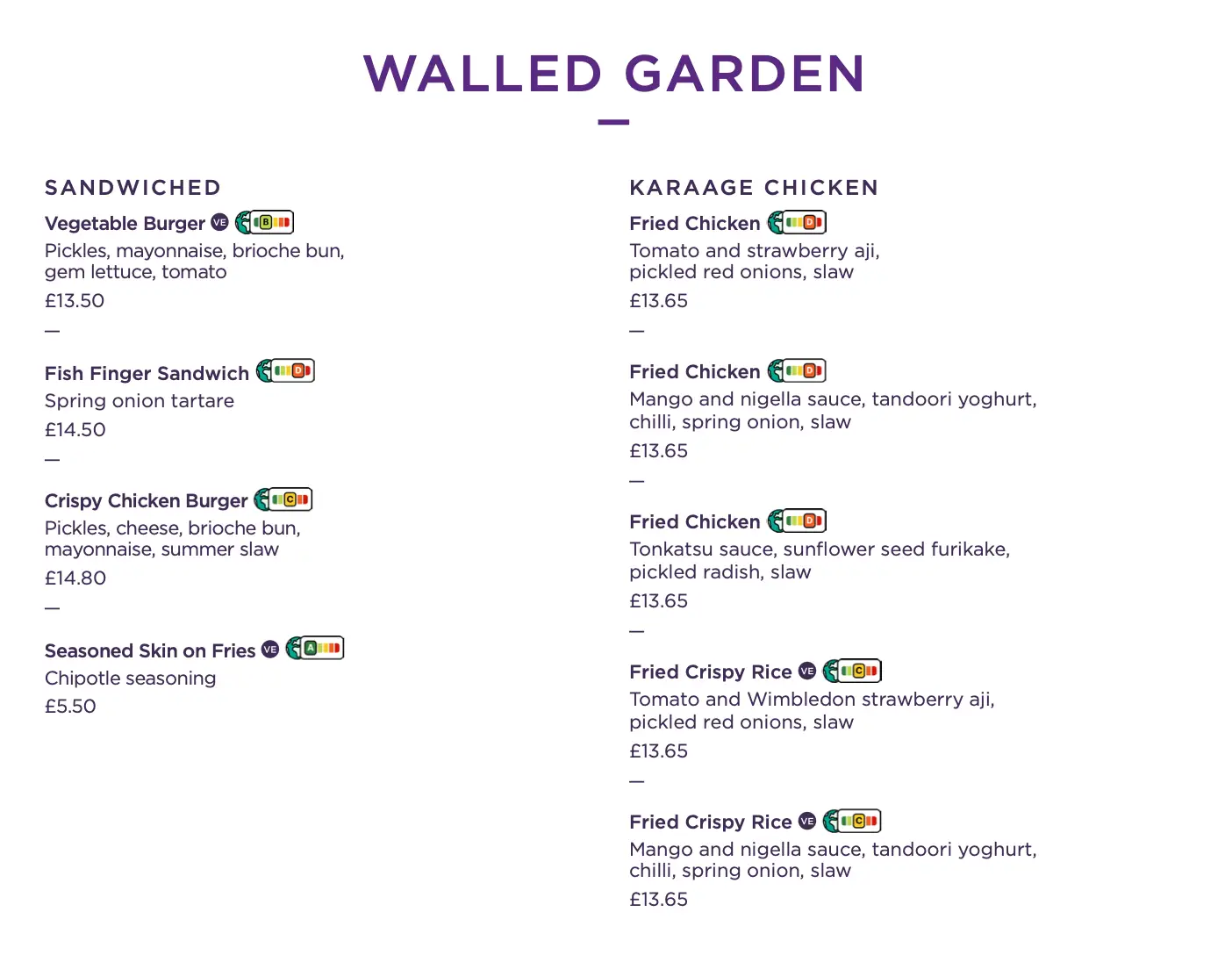
Located in the centre of the Grand Slam, the Walled Garden is where Grand Slam attendees can pick up vegetable burgers and posh fish finger sandwiches for £13.50 and £14.50, respectively.
Seasoned skin on fries costs £5.50 at the Walled Garden; the Karaage Chicken stand is where you can purchase fried chicken with various sides, including crispy rice and sunflower seed furikake for £13.65.
Here you will also find the Walled Garden Larder, Wimbledon’s first fully-frictionless store.
Guests can simply head in, pick up what they need and walk out without having to scan anything thanks to wallet technology.
Items on offer include Cornish pasties, spinach and feta rolls, and mac and cheese bites, all for £7.
If you have more of a sweet tooth, then you can grab a Yummycomb Chocolate bar from Buttermilk Bars (£2.65) or a selection of baked goods, including custard doughnuts and chocolate babkas (£3.55)
There are other Larders situated at Henman Hill, The Southern Village, Parkside and the Tea Lawn.
The Southern Village
Pasta and pizza-lovers should head to the Southern Village, tucked directly behind Court two, to pick up tomato penne pasta (£12), venison ragu (£13.56), and margherita pizza for £14.50.
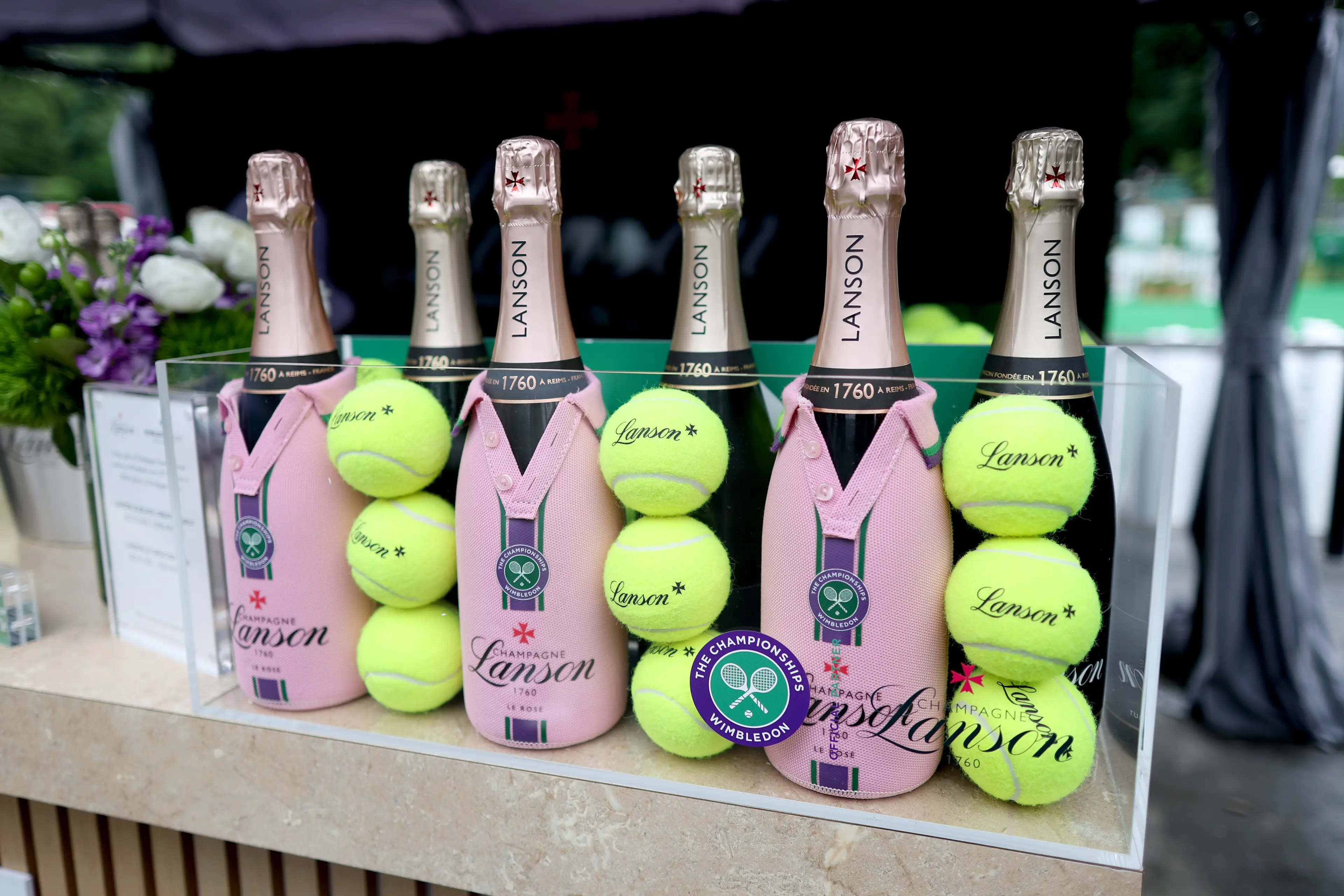
Glasses of champagne can also be purchased for £31.55 and cans of Sevilla Gin and Tonic for £10.75. Reusable Evian bottles will set you back £5.
Tea Lawn
Situated in the heart of the Grounds, the Tea Lawn has a plethora of food and drink vendors, including the classic Tea Lawn Bar, offering pints of Kopparberg Crisp Apple Cider for £8.90 and carafes of Thirsty Birds Rosé for £40.30.
The Tea Lawn Kalimera is your one-stop shop for everything Greek, with halloumi and chicken wraps £11.75.
There’s the Tea Lawn Sausage Grill, which serves drinks alongside two savoury delights: the plant-based sausage brioche roll and a Cumberland sausage version for £8.70 each, and the dedicated Strawberries and Cream bar.
Parkside Food Market
Poke bowls cost £14 and fish and chips, served with fried caper tartar sauce and lemon are priced at £14.50 at the Parkside Food Market beneath Court No.1.
Soft drinks like Oasis Summer Fruits (£4.45) and Sprite Zero (£2.90) are being served, as are cans of Pimm’s for £10.75.
Wimbledon’s strangest rules
Wimbledon has strict rules and regulations for pretty much everything, including the length of the grass to the temperature of the tennis balls.
Curfew
While at other Grand Slams, play continues late into the night, at Wimbledon, there’s a strict 11pm curfew.
This means tennis fans sometimes have to go to bed on a cliffhanger.
Timed toilet breaks
Players are limited to one toilet break for matches up to three sets, and two if it goes on for longer.
They can only go during a set change and they have to be back within three minutes, or they risk giving a point to their opponent.
Temper tantrums
Players can be fined up to £36,900 for smashing their rackets. Djokovic is believed to have smashed over 60 of them over the course of his career.
Bad language can also result in the same maximum fine.
Countdown to serve
As soon as the ball goes out of play, the serving player has just 25 seconds to hit their serve, or the umpire can call a violation which could potentially grant a point to their opponent.
Fines for not trying hard enough
Players must demonstrate they’re giving their all to win the match.
Australian player Bernard Tomic was once fined an eye-watering £45,000 after he was accused of not putting in enough effort to beat French player Jo-Wilfried Tsonga, losing after just 58 minutes.
Age limits

Players have to be at least 14 to compete, which means youth sensations like Coco Gauff were initially barred from taking part.
Spectators, meanwhile, have to be accompanied by a guardian if they’re under 16. Under-fives aren’t permitted at all onto show courts.
This meant Serena Williams' two-year-old daughter couldn't watch her mum's comeback at this year's Grand Slam.
The grass and the balls
Everything at Wimbledon is just so. The grass is cut to 8mm, which is apparently best suited for modern tennis play and for the grass to survive.
Meanwhile, the tennis balls are kept in a fridge in order to maintain a constant temperature of 20°C. A consistent temperature is important because it apparently affects the way the balls bounce. The more you know.
 Ella Scott