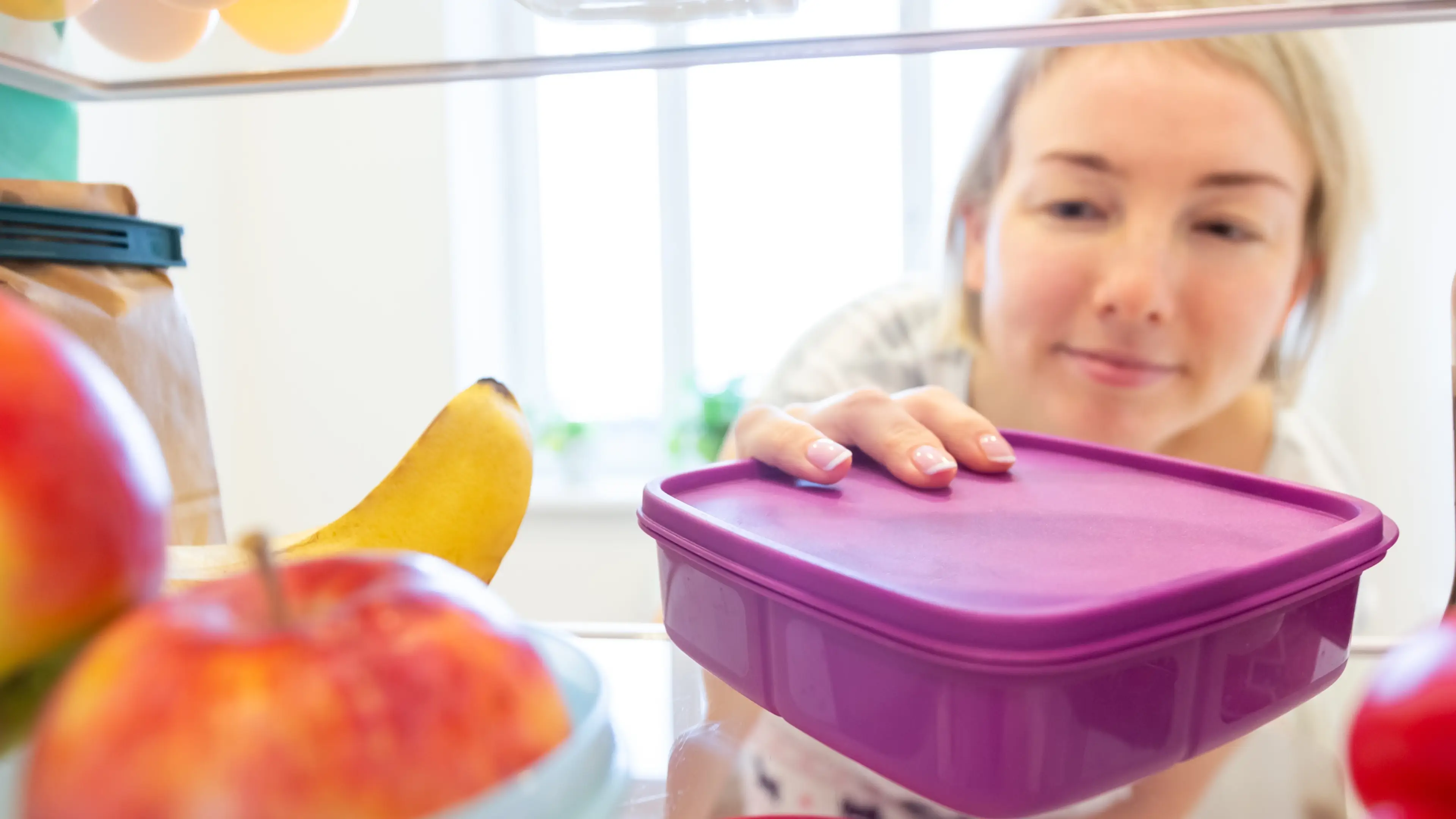
Symbol to look out for that shows containers are actually food safe

There are currently a myriad of food packaging symbols in circulation - and it can get pretty confusing for the standard user to understand what they all mean, especially if they’ve never had cause to research them before.
Many of us will already be well acquainted with the universal recycle logo and the crossed-out wheelie bin. The latter signifies that the item must not be thrown away in your regular household waste.
Another famous logo is the inverted triangle with a bold exclamation mark, a front-of-package nutrition warning or allergy notice.
There’s another small sign often found on takeout containers, delivery bags, and pre-packaged foods that conveys information on whether it is safe to store your food in it.
Advert
However, if you’ve never looked for it, then you’re probably not acquainted with it and haven’t realised just how important it is to your health and diet.
The glass and fork symbol meaning
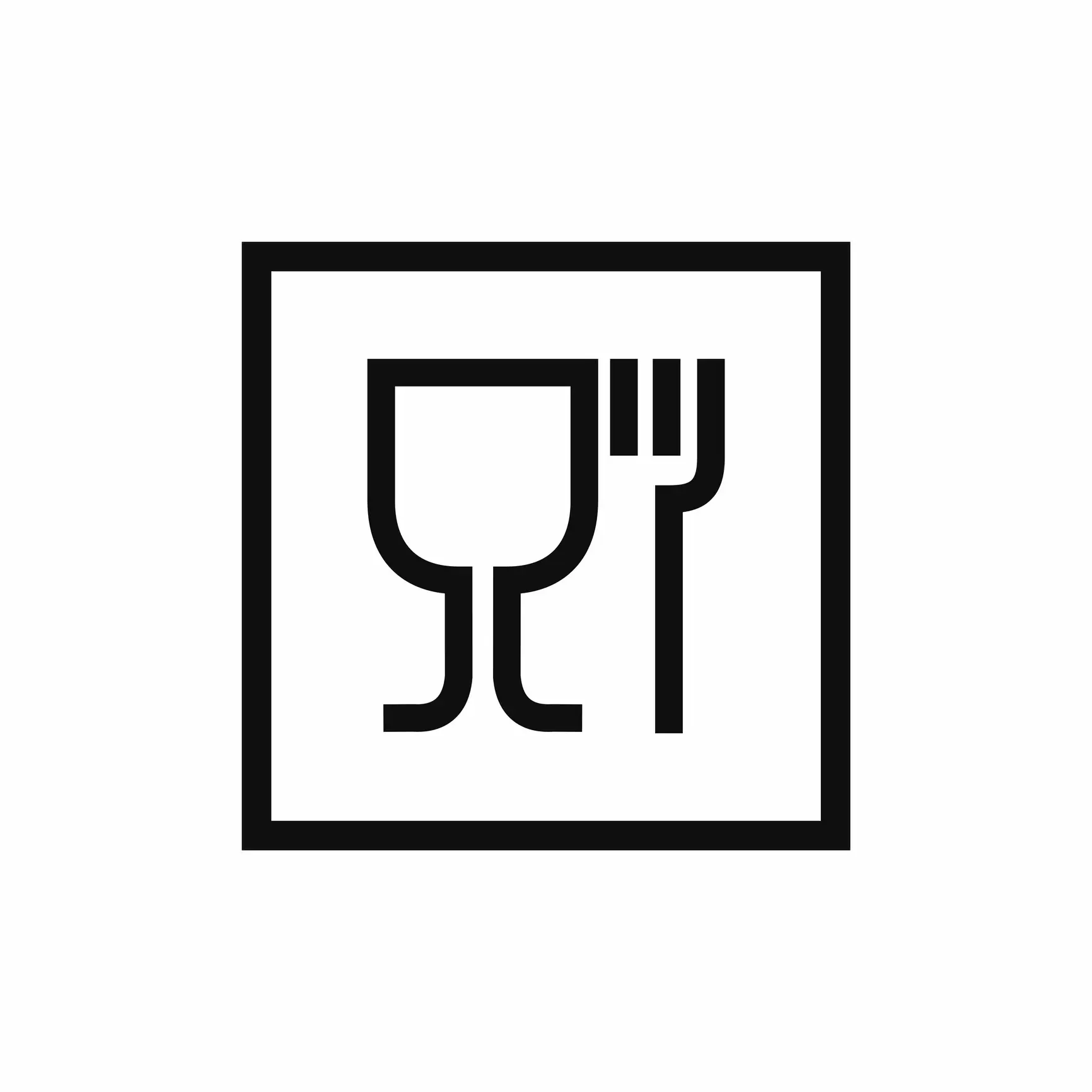
Ever looked at the bottom of your food container and found what appeared to be a depiction of a glass and fork at the bottom?
If the symbol is there, then that’s a good thing. But if it’s not, then you may want to seek out alternative tuppawear.
The glass and fork sign, an international food-safe mark, was standardised across Europe when the EU implemented the Framework Regulation (EC) No. 1935 /2004.
In Europe, it is legally required for housewares and packaging to carry the symbol to show that it has been tested in a government-approved way and is food-grade safe.
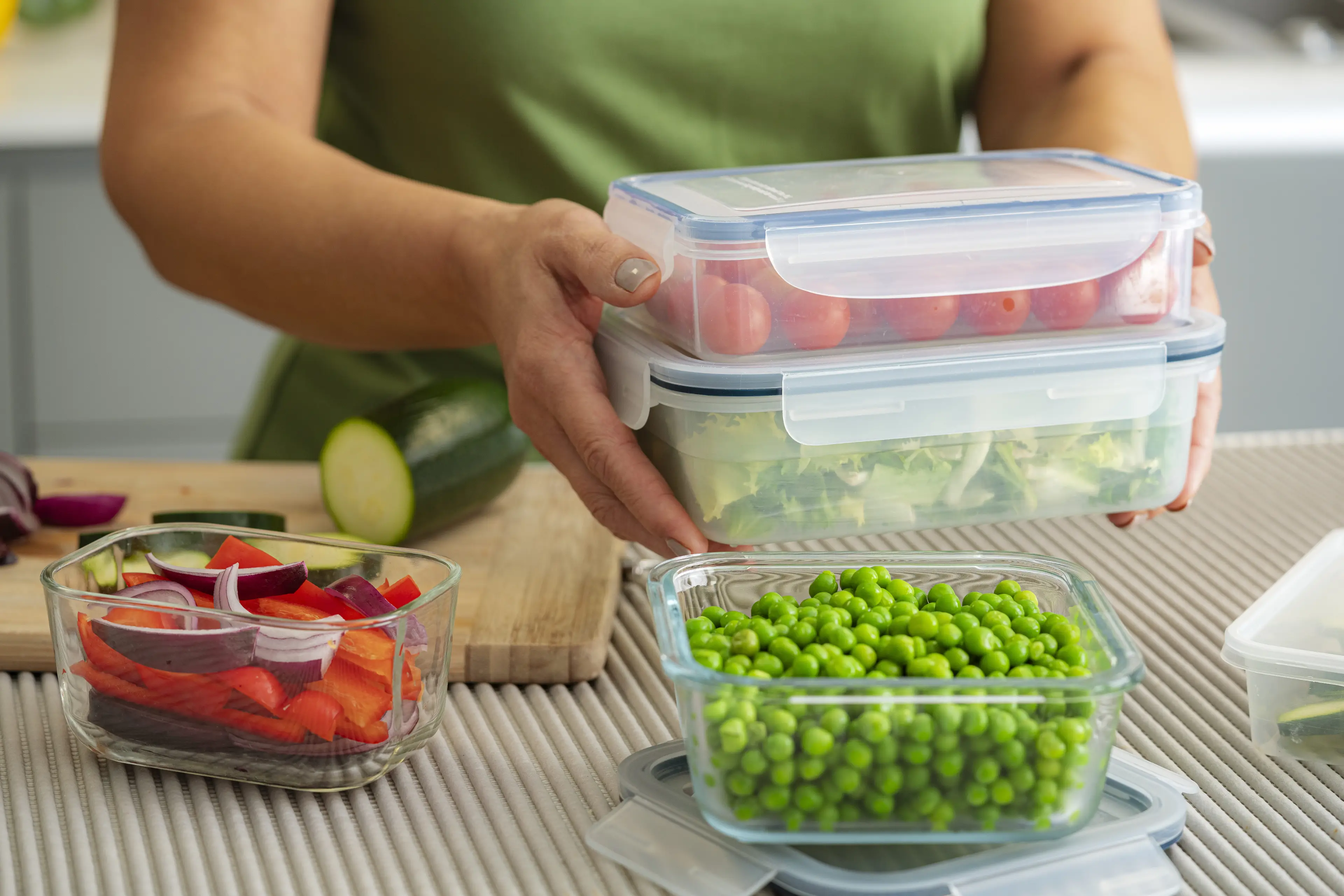
If you find a plastic storage box in the US with the symbol, then it means a regulatory entity, such as the US Food and Drug Administration (FDA), has tested it and deemed it safe for contact with human food.
Treat food-safe plastic with caution
Your favourite lunchbox may carry the glass and fork symbol, but that doesn’t necessarily mean you should use it to transport all of your meals to the office.
Various studies have suggested that plastic containers may be a significant source of microplastic contamination.
Microplastics are defined by the National Oceanic and Atmospheric Administration (NOAA) as small plastic pieces less than five millimetres long.
Not only are they harmful to the world’s oceans and sealife, but they have also been linked to inflammation, oxidative stress, and changes in humans’ intestinal microbiome, resulting in an imbalance between beneficial and harmful bacteria, as per a study published in the Yonsei Medical Journal.
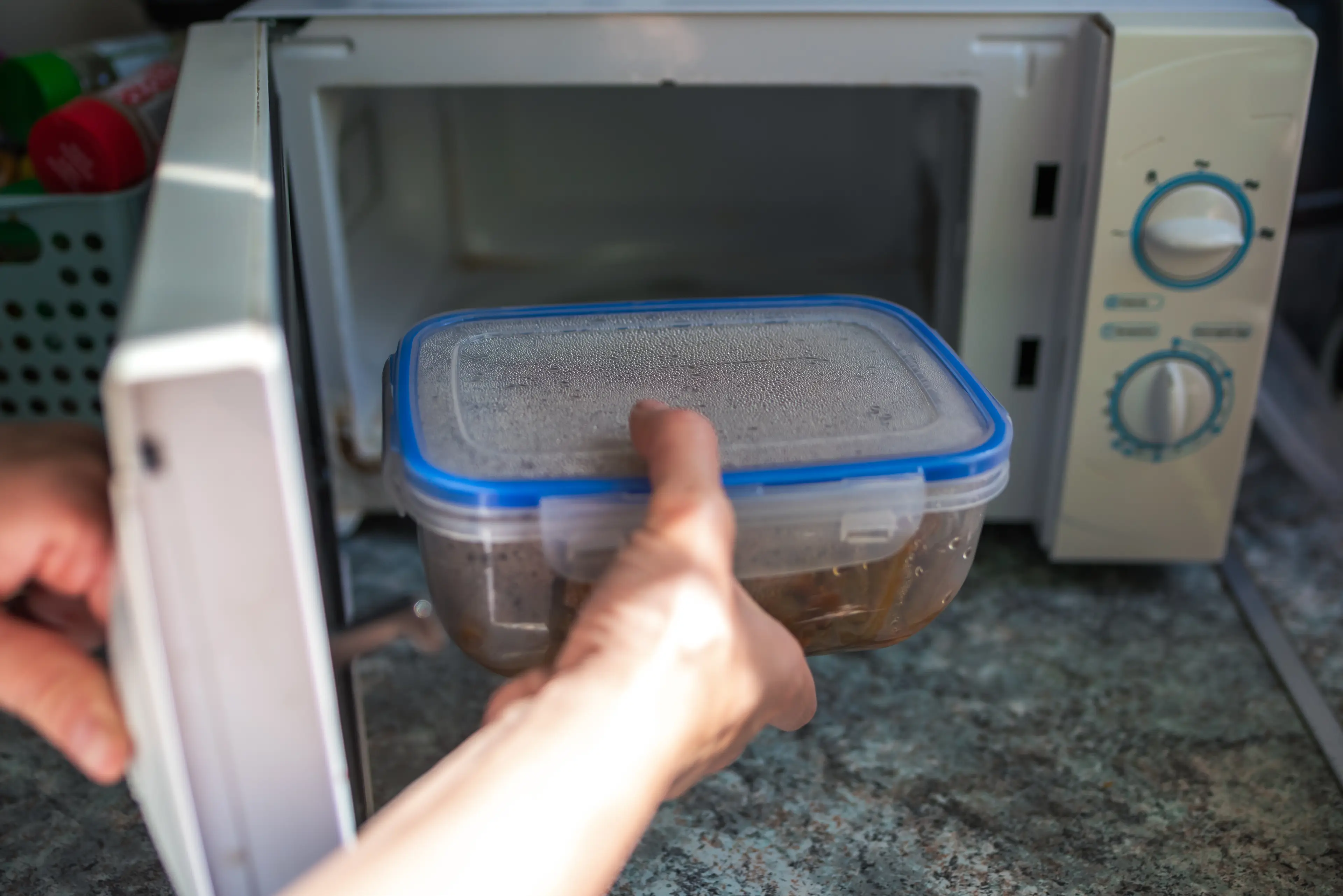
Multiple studies have found that when some Tupperware is microwaved, it can release a large amount of microplastics into food.
To avoid the release, it’s advised not to put your box of leftovers into the microwave, and to wait until food is fully cooled before placing it in the storage boxes.
If you’re worried about microplastic consumption, then swapping to ceramic or glass containers may be a smart move.
How to safely freeze food
Last year, experts clarified whether or not it was ‘safe’ to freeze food items in supermarket packaging rather than in traditional storage boxes.
“Yes, it is safe to freeze meat or poultry directly in its supermarket wrapping, but this type of wrap is permeable to air. Unless you will be using the food in a month or two, overwrap packages with airtight heavy-duty foil or freezer wrap,” the US Department of Agriculture said.
“This should protect the product from freezer burn for longer storage.”
Meanwhile, the UK’s Food Standards Agency (FSA) has said that for optimum freezing, your freezer should be at around -18°C and that any homemade goods or barbecue leftovers should be placed inside as soon as they are cold.
To cool food quickly, divide food into smaller portions in containers or freezer bags before putting in the freezer, the health officials stated.
And to stop freezer burn, you should: place all food in an air-tight container, wrap it well in freezer wrap, and label it so you don't end up with a bunch of Unidentified Frozen Objects (UFOs).
 Ella Scott