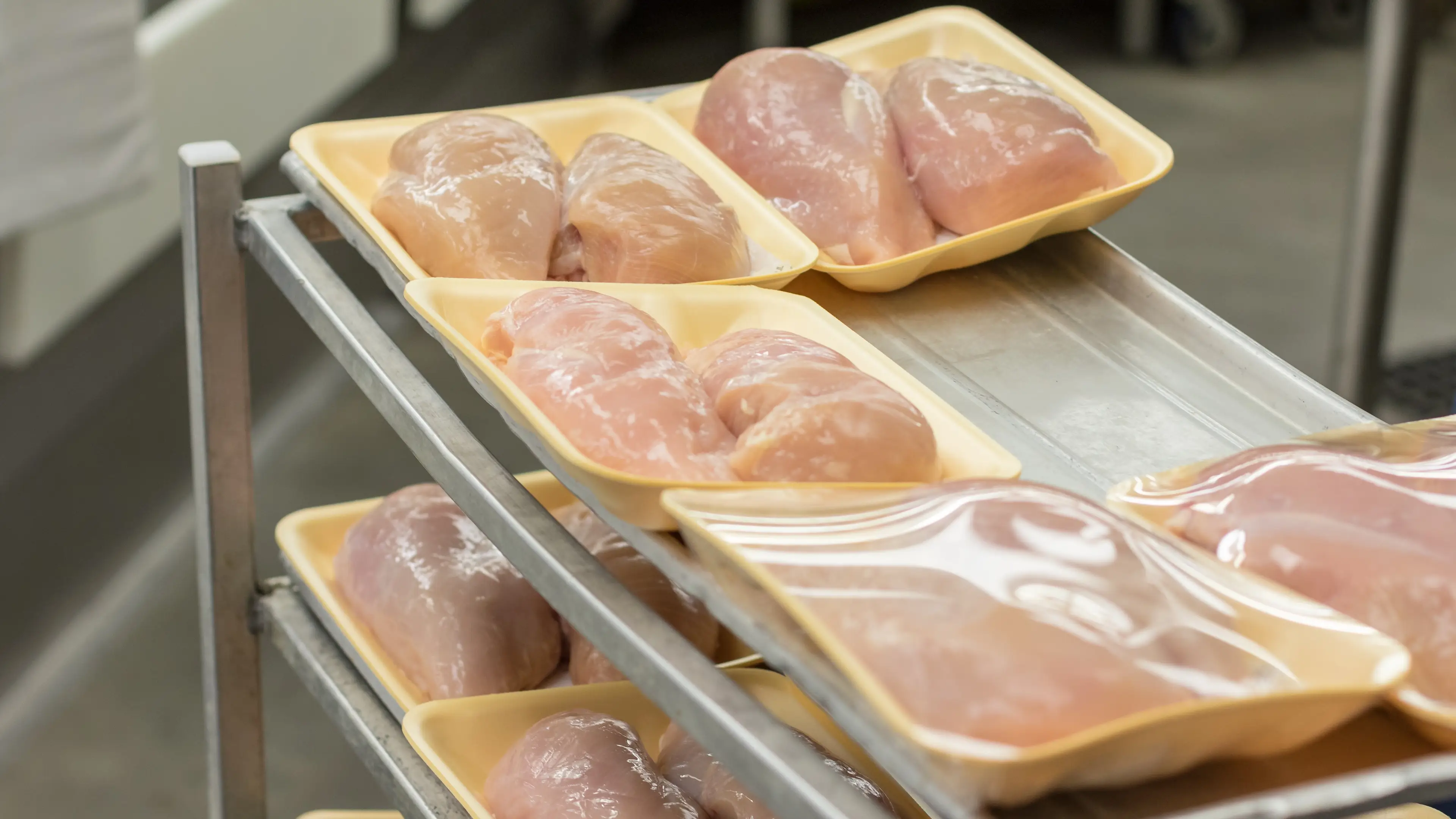
Calls for beef and chicken imports to be ‘banned’ over antibiotics controversy

British farmers are calling on ministers to mirror an EU ban by blocking certain cuts of meat imported from South America due to rising health concerns.
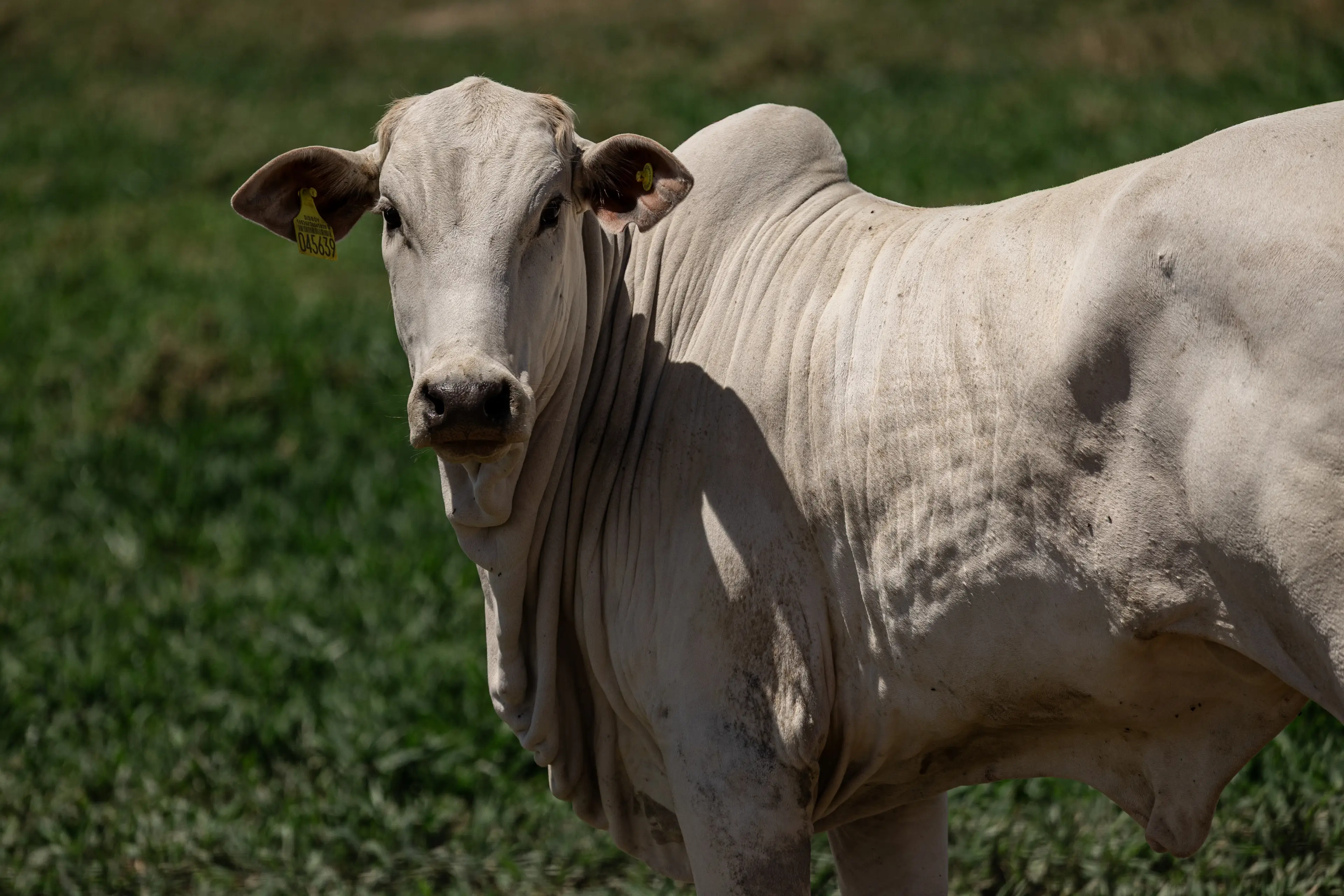
EU officials are currently scrutinising Brazilian beef and chicken, asking for evidence that antibiotics are being administered to animals responsibly to be submitted by a 3 September deadline.
Brussels currently ‘does not allow countries to export products, such as beef or poultry, that are derived from animals that have been treated with critical antimicrobials that are reserved for human health or used for growth promotion or yield improvement’, as per the National Farmers’ Union of England.
According to ABPA president Ricardo Santin, Brazil already ‘segregates’ animals who are destined for the EU and UK market, making sure ‘these are not given antimicrobials as growth promoters’.
Advert
“The EU is asking for more layers of supervision to just check what we already do,” he told The Grocer.
“I understand the thinking [in the UK] that Brazil needs to obey the same rules the UK farmers obey, but maybe they don’t know we already obey this.
The use of antibiotics for growth promotion has been banned in the UK and EU since 2006.
Farmers call on the UK government to introduce ban
Farmers in Britain believe that if the government does not follow suit and ban Brazilian meat, human health could be impacted by the emergence of resistant and difficult-to-treat superbugs.
A failure to mirror the proposed EU ban would also risk decimating public trust in food sold in supermarkets, as per the union.
It may also undermine UK farmers’ ‘world-leading work on antimicrobial resistance’, with potential impacts for public health, it claimed.
“Maintaining trust in British meat must remain a priority and that’s why we advocate for clear country of origin labelling, particularly in the food service industry,” said NFU President Tom Bradshaw in a notice.
“Unless there is full confidence that Brazilian meat has been produced responsibly, the government should take the same precautionary approach as the EU and ban the import of Brazilian products.”
He continued, claiming there would be a ‘real risk’ of Brazilian beef and poultry originally destined for the EU being ‘diverted to the UK market’ if British lawmakers didn’t choose to uphold the EU ban.
This would not only ‘distort trade’ but also put ‘additional pressure on domestic producers’, as per the notice.
Once the ban is in place, it should not be lifted until Defra (the Department for Environment, Food & Rural Affairs) has conducted an ‘extensive, in-person audit of Brazilian production and traceability’, the farmers’ union said.
The NFU is also asking for tougher border checks. The Express reported that only 94 samples of Brazilian products of animal origin were tested by the UK for veterinary medicine residues between April 2023 and March 2024.
This is despite 114,442 tonnes being imported during the period.
Brazilian beef and chicken imported into the UK
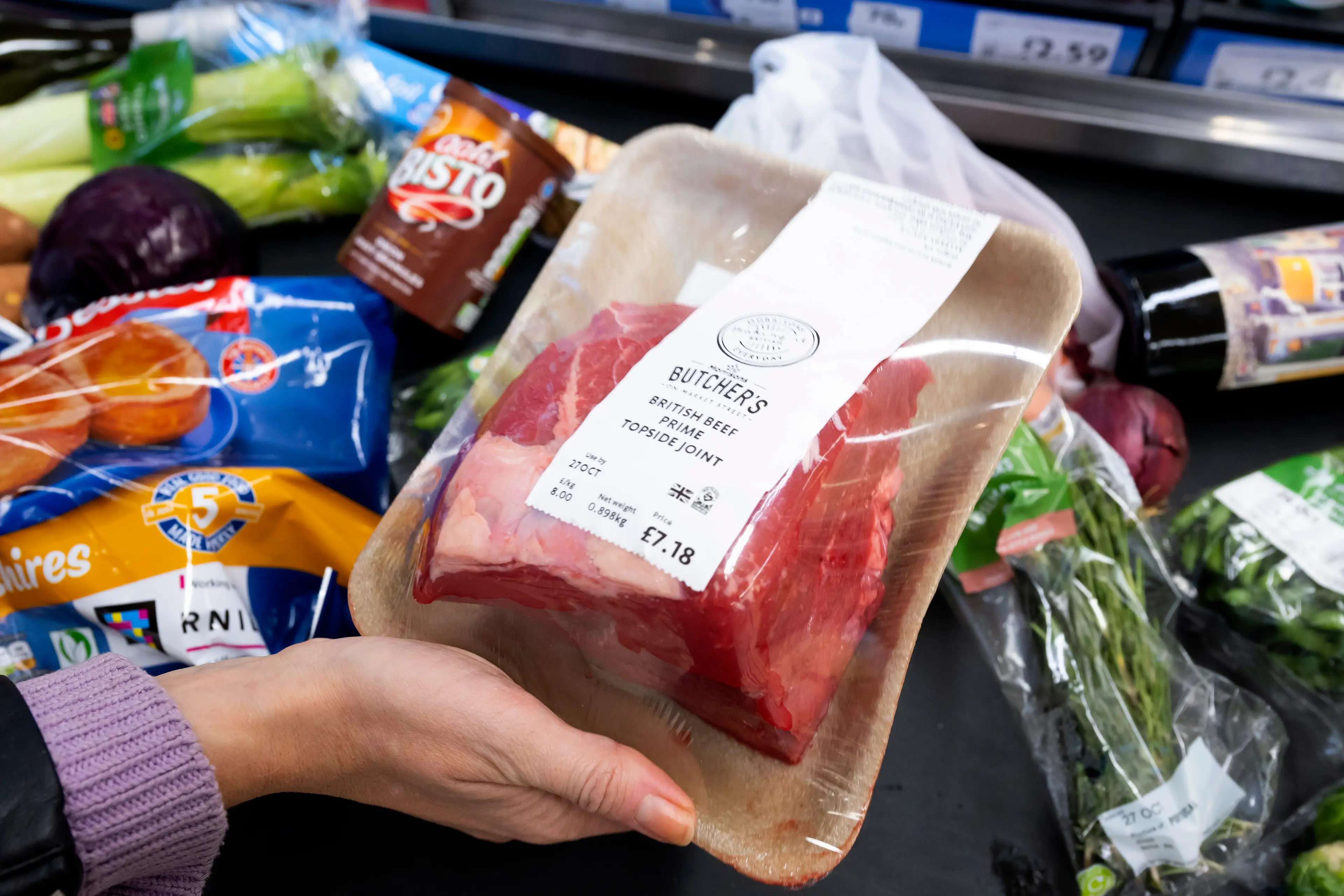
Almost 29,000 tons of beef from Brazil were imported into the UK in 2025, and there was ‘no excess poultry’ delivered during the four-month pause on exports to the EU following a case of avian influenza in Rio Grande do Sul in southern Brazil, as per The Grocer.
“The EU closed the market to Brazil for four months in 2025 and we didn’t flood the UK in that time because we had more than 150 countries to redirect supply to,” Santin told the publication.
Much of the beef imported into Britain is used to manufacture burgers, lasagne, ready meals and other processed products, according to ABIEC.
Meanwhile, ABIEC president Roberto Perosa said: “The Brazilian beef plan aims to boost beef consumption. However, targeting the UK or European markets is not part of our specific plan. We want to stimulate the consumption of Brazilian beef in Asia. Our plan isn’t to send huge volumes to the UK, or to the EU.”
He informed the publication that Brazil has ‘strong trade ties with Europe and the UK’ and that taking things to ‘extremes doesn’t serve a global society that is already facing great difficulties’.
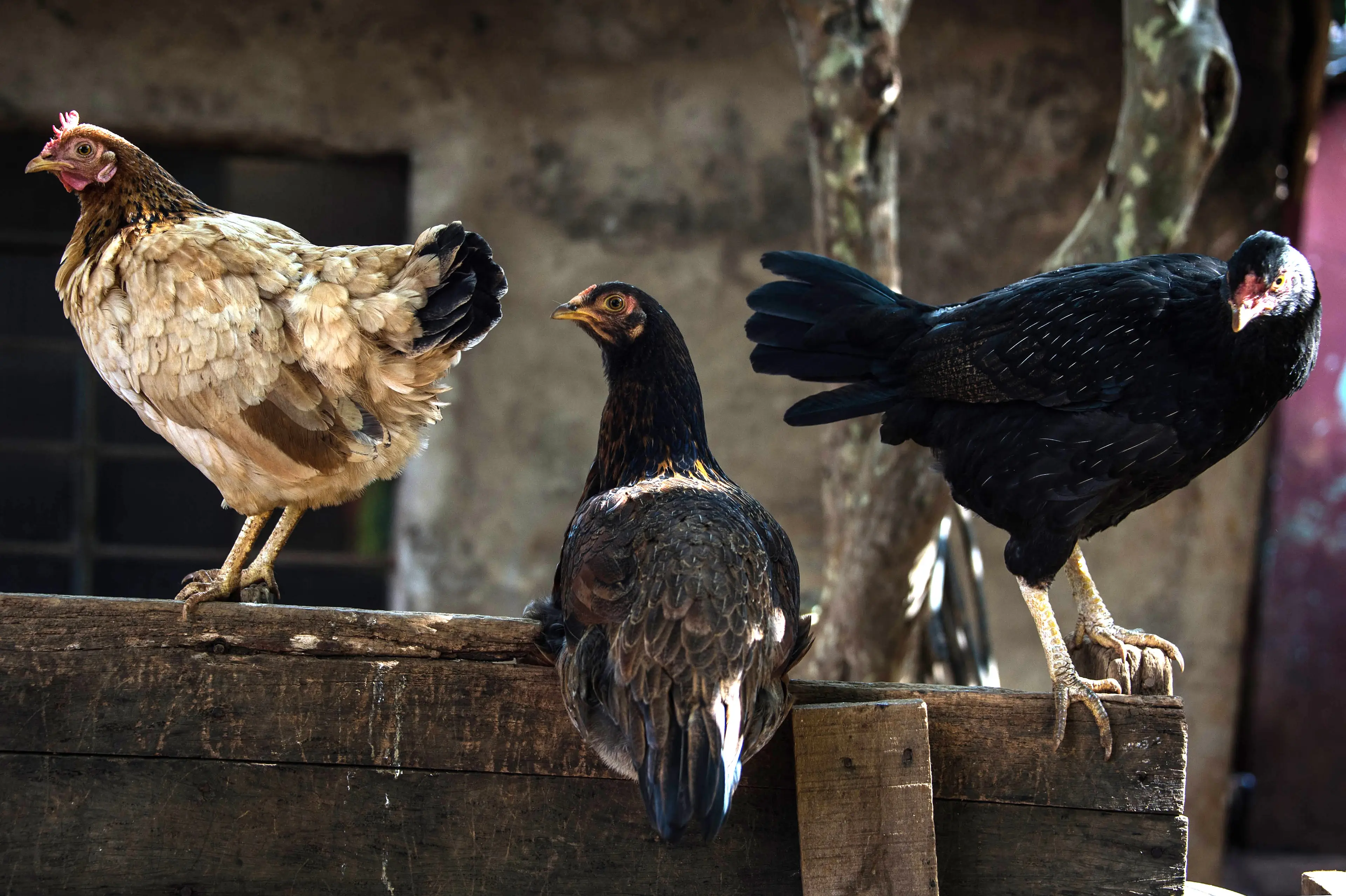
In terms of chicken, the UK was the 14th largest destination for the meat in 2025.
It took 127,000 metric tonnes from Brazil in 2025 – a rise of 39 percent from the year previous, according to ABPA figures.
In a statement to The Grocer, a Defra spokeswoman said: “We are actively working with industry and Brazilian authorities to assess any risks posed by Brazilian beef imports and will always act to protect our farmers.
“This builds on our existing, world-leading import controls which are in place to protect animal and public health.”
FOODbible has contacted Defra for further comment.
 Ella Scott