Thousands of UPF products avoid unhealthy classifications, study suggests

New research suggests the UK’s nutrition systems fail to flag around half of ultra-processed foods (UPFs) as ‘unhealthy’. Experts are now calling for a unified, industry-independent food classification system to avoid issues in the future.
UPFs ‘dominate food systems’, says Julia Wolfson, an associate professor in International Health.
Often, items classified as ultra-processed contain various chemical-based preservatives, emulsifiers like hydrogenated oils, sweeteners like high fructose corn syrup, and/or artificial colours and flavours, as per the John Hopkins Bloomberg School of Public Health.
Items also undergo various processing techniques, like pre-frying, moulding, extrusion, fractioning, and other chemical alterations.
Advert
Usually, the final products bear almost no resemblance to the original ingredients, added health experts.
New research published in BMJ Medicine found that Britain’s three main food and drink profiling systems are inconsistently flagging many products classified as ‘unhealthy’ ultra-processed foods.

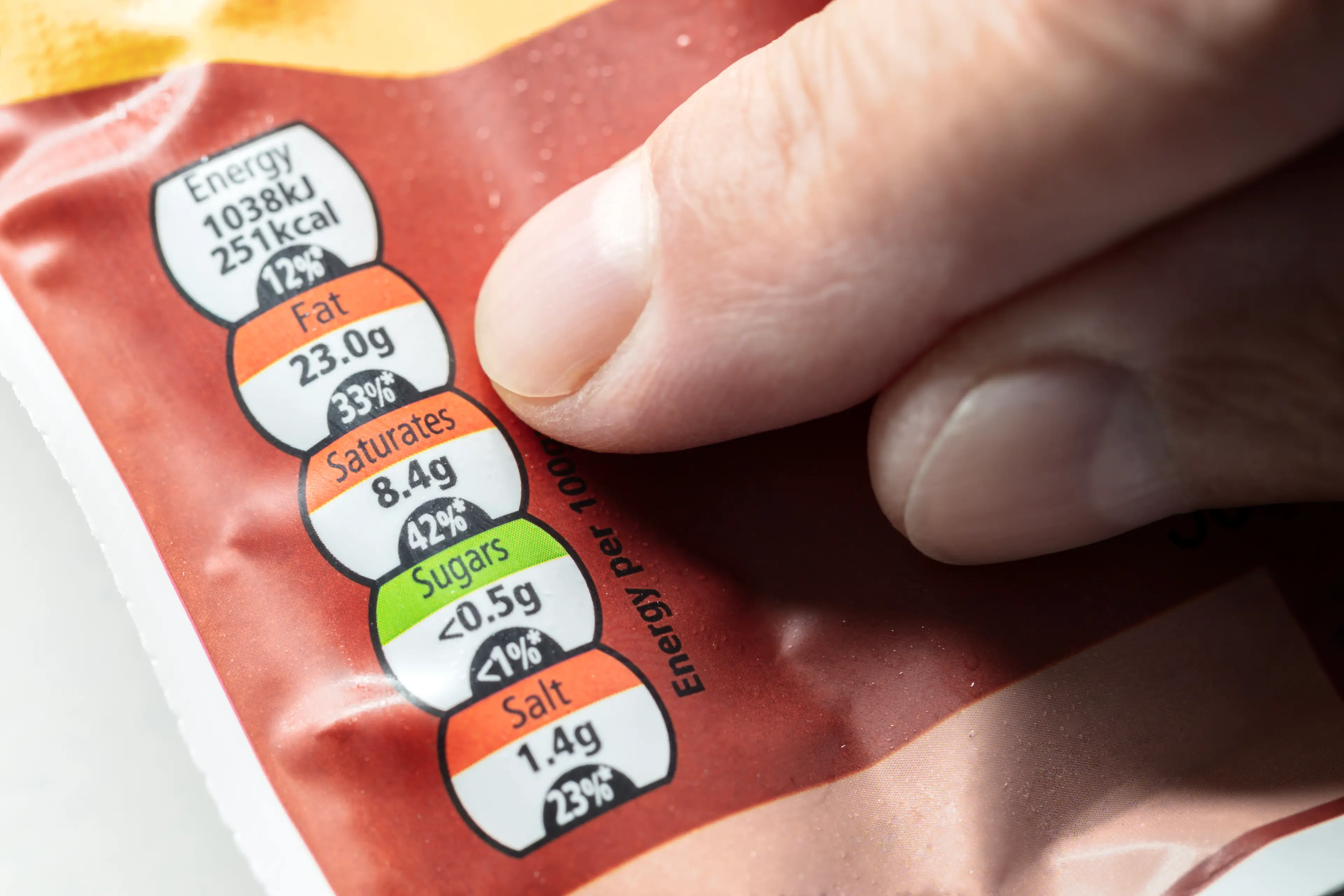
The UK relies on the Eatwell Guide, a set of government recommendations which provides official dietary guidance; the Food Standards Agency nutrient profiling model (FSA NPM), which informs regulation, and front-of-pack traffic light labelling to sort food and drink into categories including high sugar, fat, and salt.
However, research from University College London (UCL) suggests differences in their classification criteria may mean that something deemed ‘unhealthy’ in the Eatwell Guide may not be identified in the same way by traffic light labelling.
The suggestion was made after experts assessed 262 processed foods and 1,636 ultra-processed products recorded in the National Diet and Nutrition Survey database for 2019-2020, as per New Food Magazine.
It’s understood that while the Eatwell Guide was used to define unhealthy food, it classified over 98 percent of ultra-processed products and 95 percent of processed products sold in the UK as unhealthy; the voluntary traffic light labelling on the front of packaging (green, yellow, and red) identified fewer than half (48.2 percent) of those foods as unhealthy.
Moreover, the high fat, salt and sugar (HFSS) definition used by the FSA-NPM identified just over half (57.6 percent) of the same foods as unhealthy.
This disparity has led researchers to believe that inconsistencies in labelling and regulation may cause customers to unknowingly purchase ‘unhealthy’ foods without realising.
"This study shows that the UK food environment is saturated with products that make it hard for consumers to eat a diet in line with UK government advice,” lamented Professor Chris van Tulleken (UCL Infection, Immunity and Transplantation), the study's senior author.
“The reason such products are so dominant may be because existing labelling and regulation systems fail to identify them as unhealthy.
"If these products make up the majority of a person's diet, as they do in the UK, there is a significant risk of consuming more sugar, salt and saturated fat than the Eatwell Guide recommends, even if someone fastidiously avoids red traffic lights, and HFSS products.”

He added: “This itself would be difficult as traffic lights are voluntary and the HFSS definition is hidden from consumers."
Researchers have acknowledged that there are immediate flaws in their analysis.
Firstly, they didn’t include minimally processed products in the research.
They also noted that products were assessed using the traffic light labelling, even though the scheme is voluntary, and not all eligible products carry these labels in practice.
However, the eye-opening study has spurred experts to request that a unified, industry-independent food classification system be set up to avoid issues in the future.
Will we see the UK’s three main nutrition models becoming one in the future? We will have to wait and see.
 Ella Scott