
10 common foods that experts say you should 'never buy again'

Experts have revealed what food you need to stay away from, and why.
Food is a complex topic, because on one hand you need it to live, but on the other, certain types can be very bad for your health.
From fatty foods like burgers and pizza, to foods that have little nutritional value, sometimes, what we eat isn’t beneficial to us.
Instead, it’s filled with bad ingredients that might taste or look nice but cause chaos inside of our bodies (like red 40).
Advert
However, it’s not just what’s added to it, it’s also how it’s processed.
Ultra processed foods (UFP) have been known to be overwhelmingly dangerous for our health, with the world’s largest review of studies concluding that UPFs are associated with an increased risk of death, obesity, heart disease, and cancer.
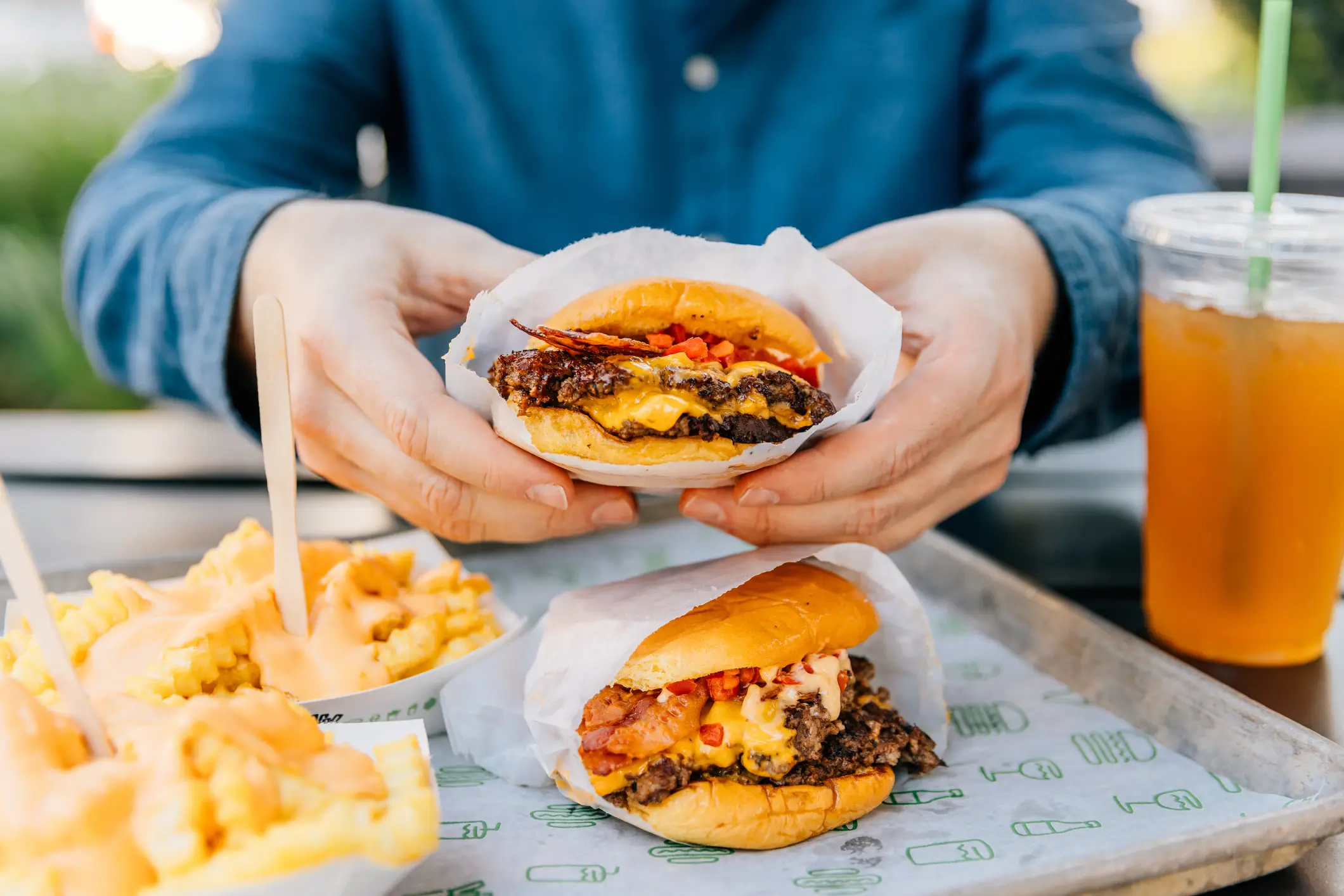
But what’s scary, is that according to NIHR School for Public Health Research, 57 per cent of our daily energy intake in the UK comes from UPF, with adolescents eating 66 per cent UPFs.
Plus, how do we even know if something is an UPF when even seemingly healthy snacks fall under the category?
Here’s what experts want you to know:
Frozen pizza
Buying yourself a frozen pizza from the shop can save you time on cooking, but according to Prof James Goodwin, the director of science at the Brain Health Network, former Chief Scientific Officer of Age UK and author of Supercharge your Brain, it’s full of hidden dangers.
He said, per The Telegraph: “Most of us are familiar with the risks associated with the hidden sugar, salt and preservatives in ready meals. But a little known but common ingredient in processed foods like frozen pizzas and microwave dinners is omega-6 fatty acid.”
Omega-6 fatty acids naturally occur in nuts, seeds and vegetable oils, but as people consume more, they are reaping the negative effects: inflammation to the brain.
The expert said: “And it’s not just the brain that suffers. Chronic inflammation is one of the leading drivers of the most serious modern diseases, including heart disease, metabolic syndrome, diabetes, arthritis, Alzheimer’s and many types of cancer.”
Diet drinks
While you might think diet soft drinks are healthy because of the ‘diet’ label, that doesn’t mean they don’t contain harmful things.
By taking out sugars, they typically rely on sweeteners which can rise your blood sugar all the same.
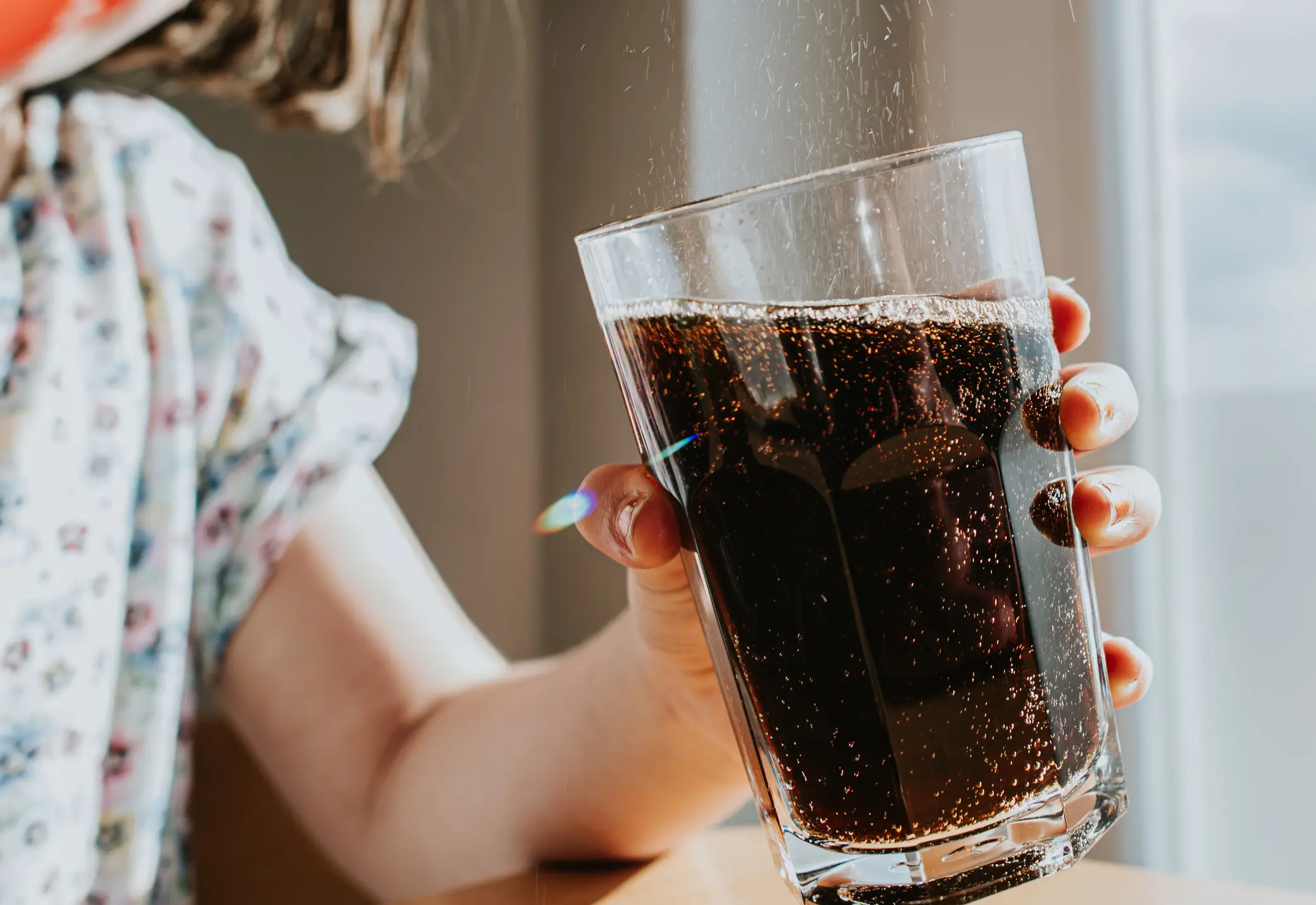
Artificial sweeteners are also bad for the bacteria that live in the gut, and despite not being sugar, it doesn’t stop you from gaining weight, either.
Dr Adam Perlman, Chief Medical Officer at Pendulum Therapeutics, revealed that no sweetener is ‘healthy’ but they’re generally easier on your system.
“Certain artificial sweeteners, like sucralose or saccharin, have been linked to changes in gut bacteria that could influence how your body manages blood sugar,” he said.
“Even without sugar, several cans a day have been tied to higher risks for type 2 diabetes, heart disease and stroke.
“Over time, high intake may be linked to weight gain, heart problems and blood sugar issues.”
Ice cream and biscuits
That’s two but that’s because what you need to be wary of is foods that contain high fructose syrups - which can also be found in some drinks.
According to Rhian Stephenson, a nutritionist and founder of wellness brand Artah, the syrup has been linked to things like insulin resistance, type 2 diabetes, non-alcoholic fatty liver disease, and more.
While this is more of a US ingredient, it’s still something to be watchful of as a lot of processed food contains it, like ‘some top ice cream brands, popular sweets and biscuits’, says the expert.
However, it might be called ‘glucose fructose syrup, isoglucose, maize syrup, partially inverted sugar syrup, candy sugar syrup, crystalline fructose and more’ on the ingredients list.
Alcohol
Alcohol has been linked to a number of health issues, be it a fatty liver, poor sleep and mental health, chronic conditions, and even cancer.
The World Health Organization has even blamed UPF and alcohol for 34 per cent of global deaths in a study, thanks to its impact on our health.
But why is it so bad?
Many ready-to-drink cocktails and alcopops contain as much sugar as fizzy drinks and all that sugar and additives can be just as dangerous as a can of pop. But then add alcohol to that concoction, and you’re basically adding fuel to the fire.
Per the NHS, regularly drinking over the recommended limit of alcohol can put you at risk for ‘cancer, liver disease, heart disease and stroke’.

Coconut oil
Don’t listen to health guru’s that tell you coconut oil is healthy, because it’s actually not great for you at all.
“Coconut oil gets a lot of press and a reputation for being good for you, but that isn’t based on science,” revealed Leeming. “Actually, it contains about a third more saturated fat than butter and reducing your saturated fat intake is important for lowering your risk of heart disease.”
Processed / red meat
Processed meat has been linked to things like bowel cancer, with Cancer Research UK, stating that one rasher of bacon per day increases your risk.
The website states: “Yes, processed meat and red meat are linked to an increased risk of cancer.
“Eating processed meat increases the risk of bowel cancer. Research shows that eating even small amounts of processed meat increases bowel cancer risk. “
White bread
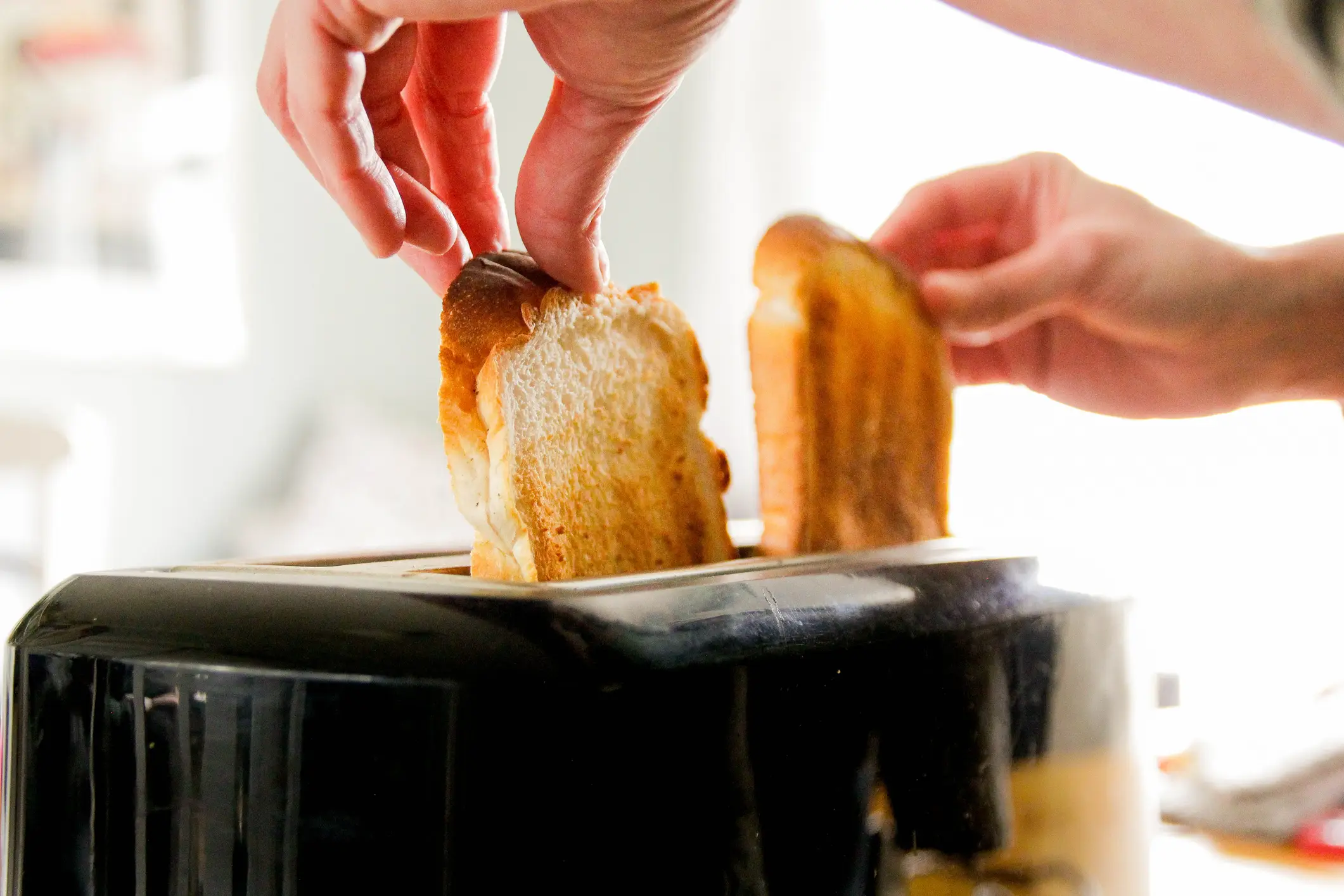
Honestly? White bread is terrible for your health, as it contains little to no nutritional value.
Nutritional therapist Lucy Miller told The Telegraph: “It is a highly refined carbohydrate that contains little nutritional value, is the largest contributor to salt intake in the UK and is also a food that is high on the glycaemic index – a measure of how quickly and dramatically foods increase blood glucose levels.”
Low-fat flavoured yogurt
Despite being seen as a healthy snack, ‘sweetened low fat yogurts are high in added sugars, to replace the flavour lost from removing most of the fat’ said Dr Emily Leeming, a senior nutrition scientist at Zoe.
She told the outlet: “There’s a threshold for harm from added sugars starting at around 65 grams a day, so the higher you go above this the more this is linked to poor health. Remember though, it’s what you eat over time that matters, not a single day of eating.”
Orange juice
This is pretty sad, but even though you probably didn’t have OJ on your cards as being UPF, it is. That’s because the process of making it strips it of its fibre, which makes our body absorb its sugar incredibly quickly.
Essentially, it’s like taking a hit of sugar, when you might as well just eat an orange instead.
Other UPFs
There are so many UPFs out there, but here are some to note down that you might want to avoid when you’re next out shopping:
- Frozen ready meals
- Granola
- Sports drinks
- Crisps
- Cereal bars
- Sweets and chocolates
- Packaged cakes
- Packaged meat pastries like pies and pasties
 Britt Jones