
6 foods centenarians rarely eat, according to longevity experts

Living to 100 is becoming a common theme, and it might be thanks to steering clear of these foods.
When more and more people want to live for as long as possible, typically, they look at their diets first to find out what they can add or cut to enhance their longevity.
The average life expectancy in the UK is 82 years old, which is pretty good considering that the average life expectancy in the UK in 1900 was 44 for men and 48 for women.
At this point, we’re living more than double the age of our ancestors, and as the number of centenarians is on the rise, we’re all eager to learn from them.
Advert
So much so that they’re being studied.
“They are commonly studied to understand what lifestyle factors may lead to longevity and healthy aging,” revealed Amy Davis, RDN to Real Simple.
What science has since found is that those who live to 100 and beyond typically have a good grip on choosing better food options than what we’re consuming now.
That means no ultra-processed foods.
“They often follow the 80/20 rule, choosing nutrient-rich foods most of the time, and enjoying less-nutritious foods in moderation, all while maintaining daily movement, cultivating a strong community, and believing in their personal purpose,” Davis said.
This rule often excludes six foods you probably consume often.
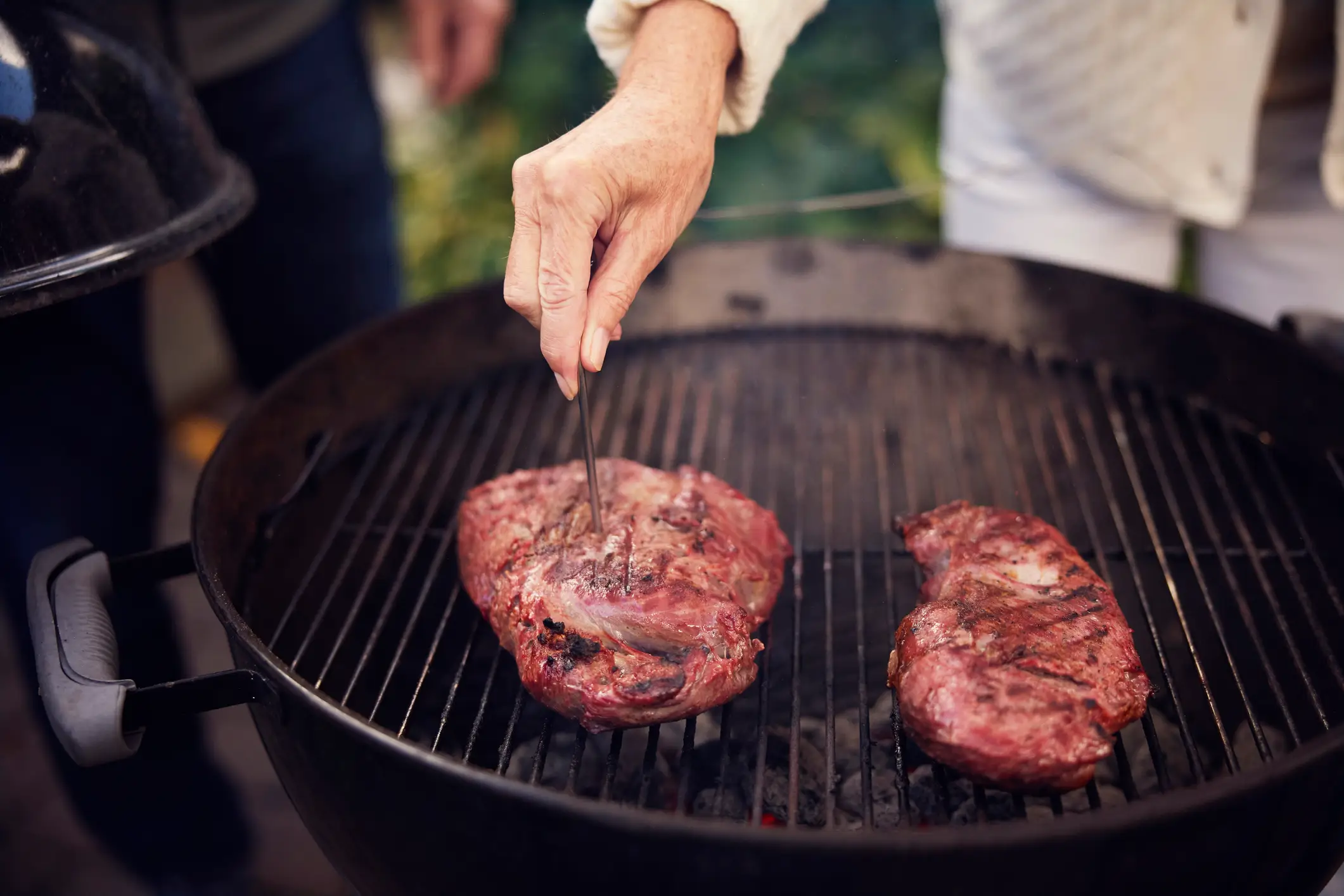
Red meat
According to Davis, you’d seldom see a centurion eat red meat often.
“Certain foods are avoided by centenarians, for both availability and health reasons. For example, fish may be easier and cheaper to consume in coastal areas than red meat,” she said.
To this, Dan Buettner, producer of the Netflix docuseries Live to 100: Secrets of the Blue Zones went on to agree, stating: “Red meat is eaten infrequently, if at all.”
Refined grains
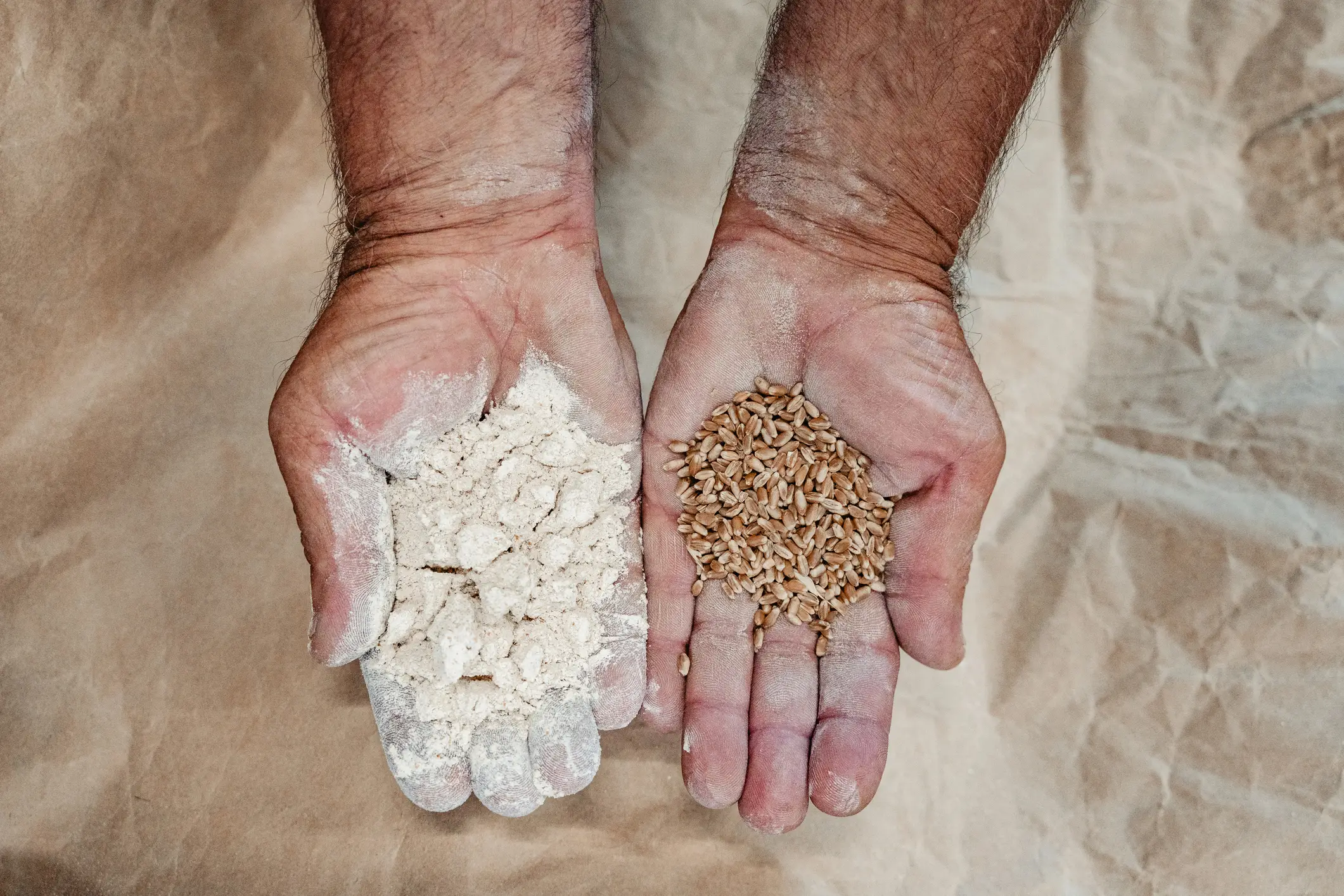
If you love your morning toast, it’s time to find an alternative, says Buettner.
He revealed that ‘white flour and highly processed bread' are rare finds in the cupboard of a 100-year-old, as they prefer to consume whole grains.

Packaged meals
Forget reaching into your fridge and pulling out a meal you can whack in the microwave.
“These foods are not part of traditional centenarian diets and contain preservatives, artificial flavors, and excessive sugar,” Buettner said.
Packaged foods have been considered UPF for some time, which have been linked to serious health conditions like heart disease, cancers, and other scary issues.
Dairy
Now, you might find this a bit shocking considering it’s pretty hard to avoid dairy these days, but according to Buettner, Blue Zone people don’t typically consume cow’s milk, and as they’ve been recorded to live the longest, it’s best to trust their judgement.
While dairy is thought to be a healthy part of the average diet thanks to its calcium, the saturated fat content and dietary cholesterol could be linked to an increased risk of heart disease in the future, but more research is needed to confirm this.
Sweets
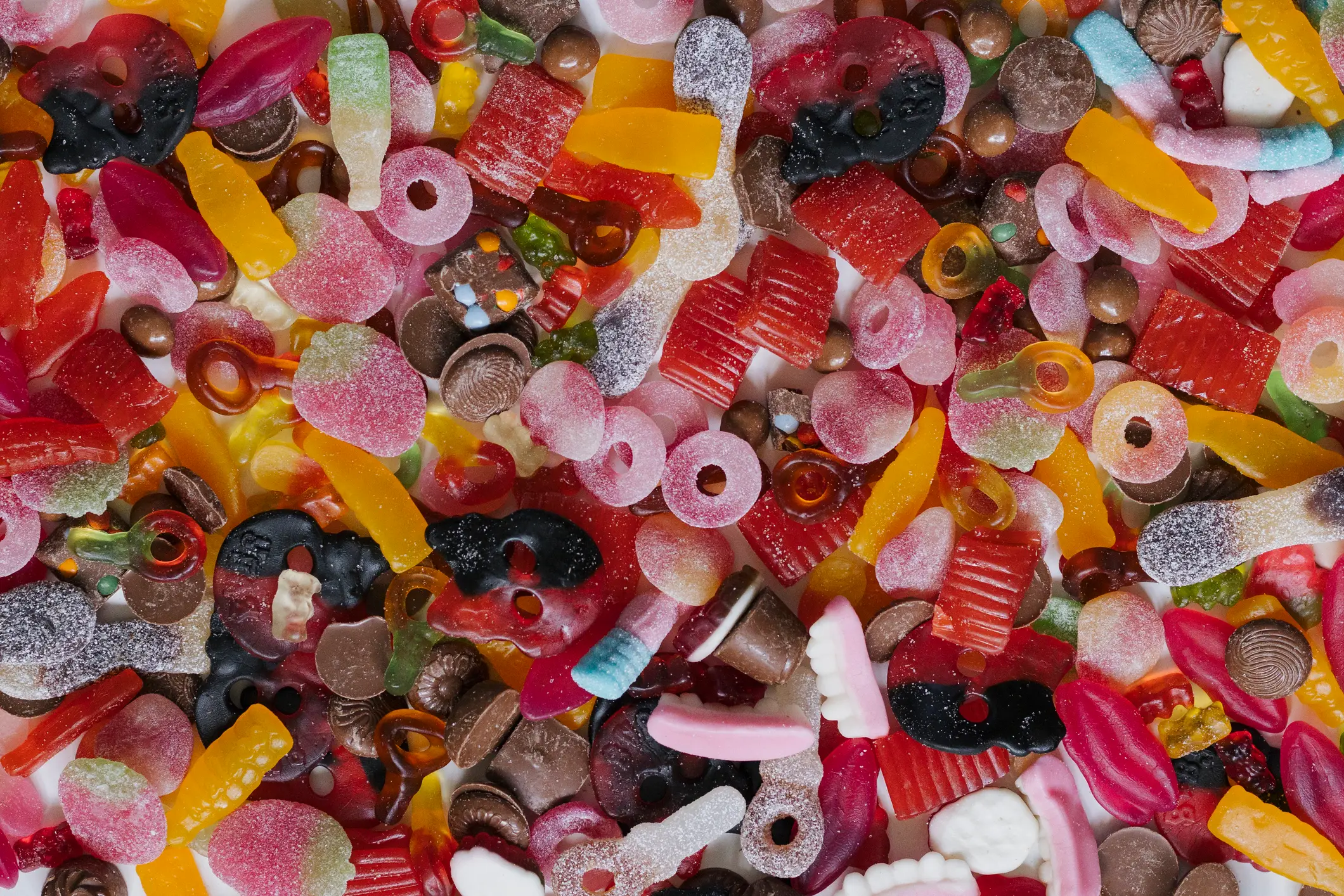
Put down the sweets.
According to Davis, centenarians don’t typically eat sweet treats or drinks, which could be why they live longer.
As sugar is an inflammatory food in the body, and chronic diseases like obesity, type 2 diabetes, cancer, heart disease and more thrive on inflammation, maybe they’re on to something.
Davis said: “Sodas, energy drinks, and sweetened juices are usually avoided, as they offer little nutritional value and lots of added sugar.”
Processed meat
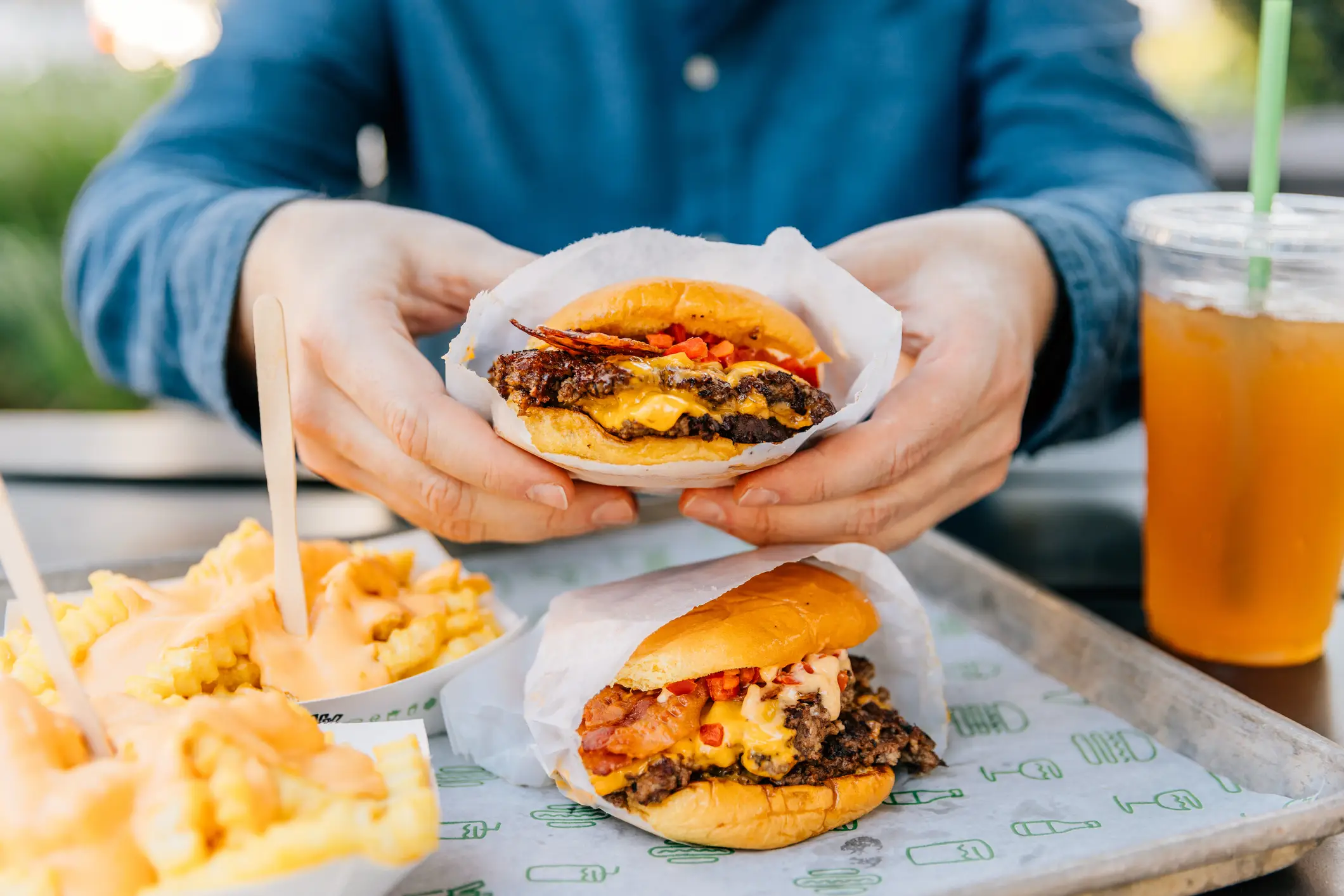
You might like a burger, but the burger doesn’t like your insides.
Per Davis: “Highly processed meats, like sausages, bacon, and hot dogs, are rarely part of their diet, likely due in part to their links to heart disease and cancer.”
Processed meat has long been associated with ill health, obesity, cholesterol and heart disease, so cutting down on your consumption of it can only be beneficial in the long run.
 Britt Jones