
UK's new junk food advert ban has now come into force - here's what it means

Sweet treats and junk food will no longer be advertised on television or online due to an obesity crackdown in the United Kingdom, with rule breakers facing serious sanctions from the Advertising Standards Authority (ASA).
NHS England published data last year suggesting that one in eight toddlers and primary school aged children are obese (BMI 30.0>).
The latest Health Survey for England also showed that 64 percent of adults were overweight; 28 percent were classified as obese, and that the obesity prevalence was highest among adults and children living in the most deprived areas of Britain.
Dr Clare Hambling, NHS National Clinical Director for Diabetes and Obesity, described obesity as ‘one of the biggest threats to health in the UK’ - and now the The Food and Drink Federation (FDF) has made a legal bid to turn the tide.
Advert
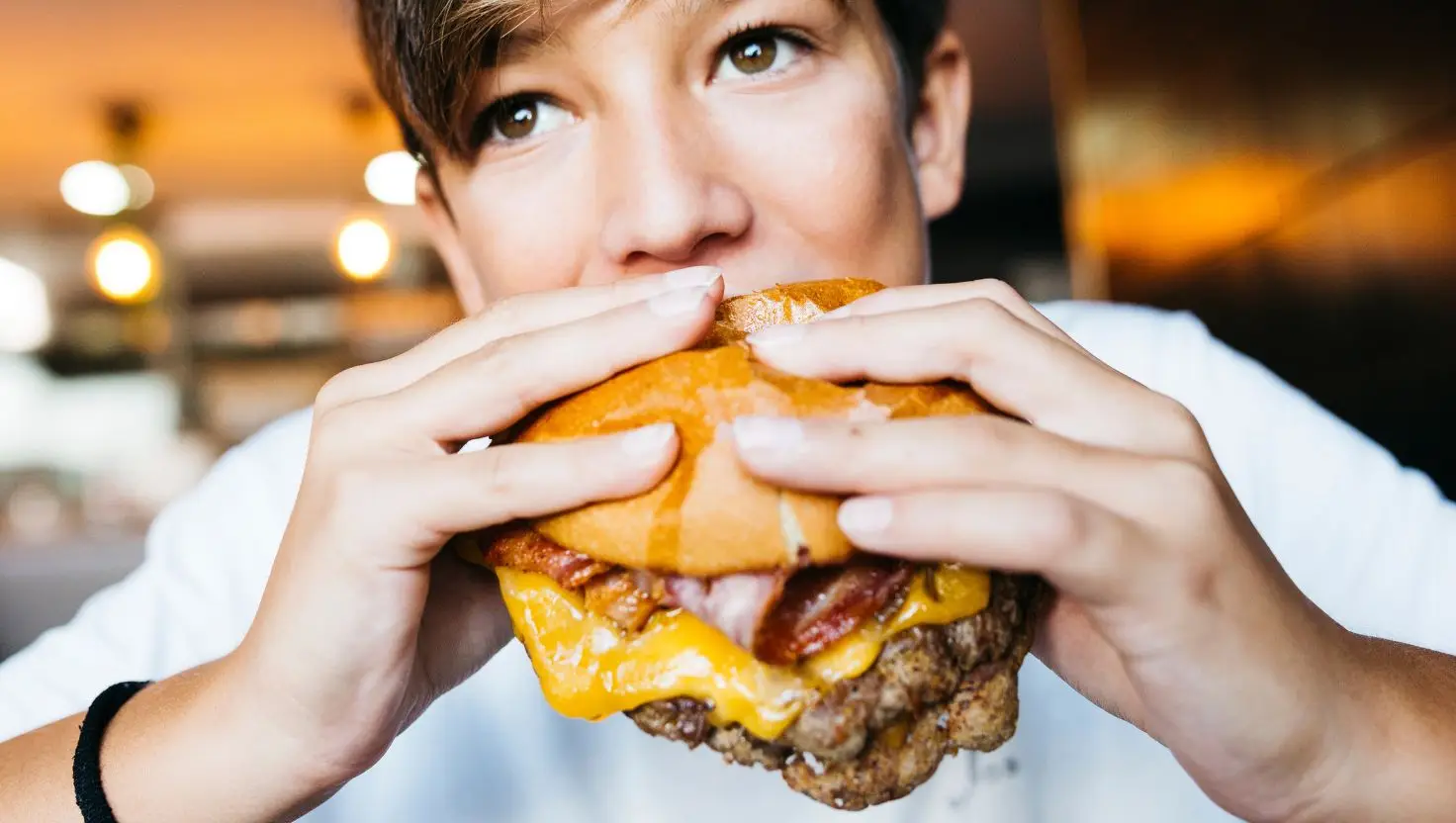
As of today (January 5), adverts promoting ‘unhealthy food’ no longer have permission to be shown on TV between 5.30am and 9pm.
Decisions over which products fall under the ban are based on a scoring system, balancing nutrient levels against whether it is considered high in fat, salt, and sugar (HFSS), as per the BBC.
This ban will affect soft drinks, chocolates, some porridges and pizza.
Adverts showcasing sugary breakfast cereals, sweetened bread products, and sandwiches are also no longer allowed to be shown on TV, and will never be posted online, the FDF stated.
The agency reasoned that HFSS foods are considered the biggest drivers of childhood obesity and hope that by removing from television screens, obesity levels will dramatically fall.
The government estimates 20,000 cases of childhood obesity will be prevented with the enforced ad ban.
Despite the new rules, fast food institutions such as McDonald’s are allowed to present themselves to British TV watchers without risking the wrath of ASA.
The ban only covers adverts in which unhealthy products can be seen by viewers, not the brand itself.
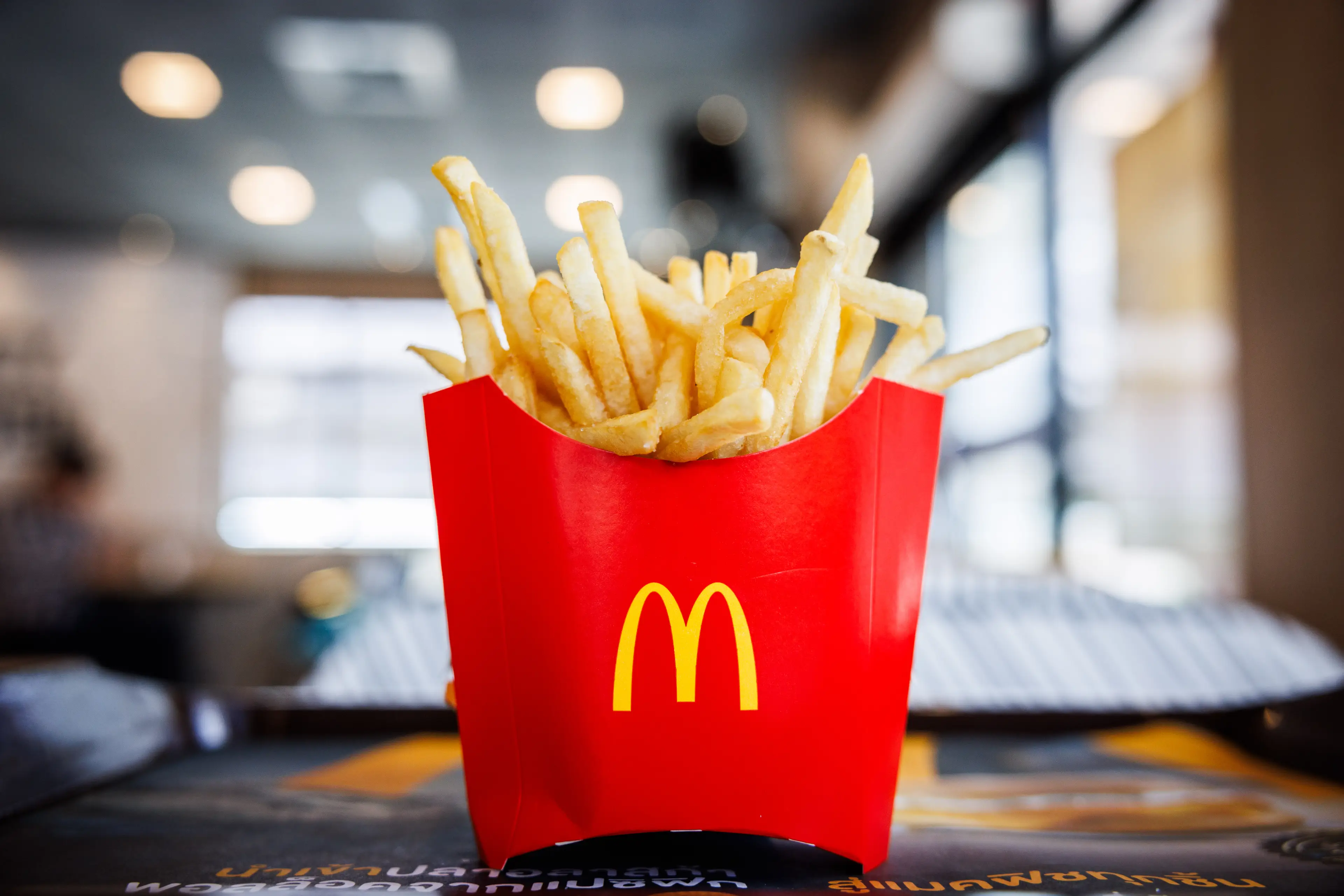
For example, the Golden Arches of McDonald’s can be filmed, but probably not a builder biting into a massive Big Mac.
Josh Tilley, brand strategy director at marketing agency Initials CX, said smaller companies will probably feel the brunt of the ban more than the big players.
This is because their adverts are based on ‘educating people’ about specific products, ‘and they're no longer going to be able to do that’, Tilley reasoned.
Katherine Brown, professor of behaviour change in health at the University of Hertfordshire, is in favour of the stricter TV rules, which have voluntarily been followed since October.
She said that children are ‘highly susceptible to aggressive marketing of unhealthy foods’ and that exposure to these products unfortunately puts them at a ‘greater risk of developing obesity and associated chronic diseases.’
Brown also wants the government to make nutritious options ‘more affordable, accessible and appealing’.
Topics: TV and Film, Fast Food, UK Food
 Ella Scott