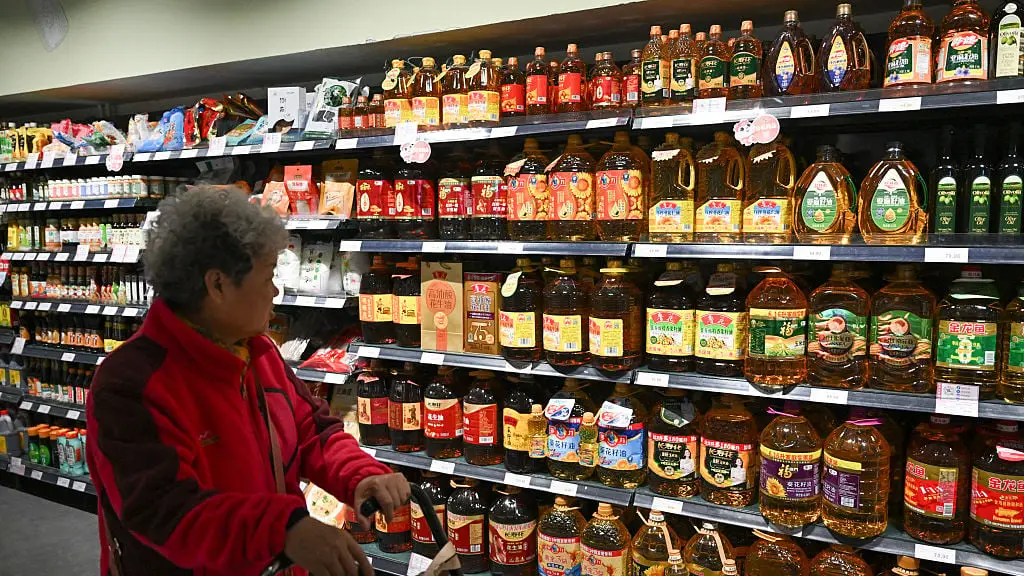
Little-known oil could be quietly driving obesity as experts share 'clearest evidence yet'

It is one of the most unassuming ingredients on the back of countless food packets, tucked between emulsifiers and preservatives, rarely questioned and almost never noticed.
Most of us probably have a bottle of it sitting in our kitchens without giving it a second thought.
It slips into salad dressings, lurks in margarine, and makes a regular appearance in crisps and countless other processed staples. For years, it has blended into the background of modern eating, quietly doing its job with little fanfare.
Nevertheless, researchers say there may be far more going on beneath the surface of this everyday ingredient than many consumers realise. Now, a growing body of evidence suggests it could be playing a surprisingly significant role in the modern struggle with weight gain.
Advert
Scientists have been attempting to understand why some people seem to pile on the pounds more easily than others, even when consuming similar diets, and their latest findings point to an unexpected culprit hiding in plain sight: the way our bodies process one of the world’s most commonly used oils - not that it's one you're likely to know much about.
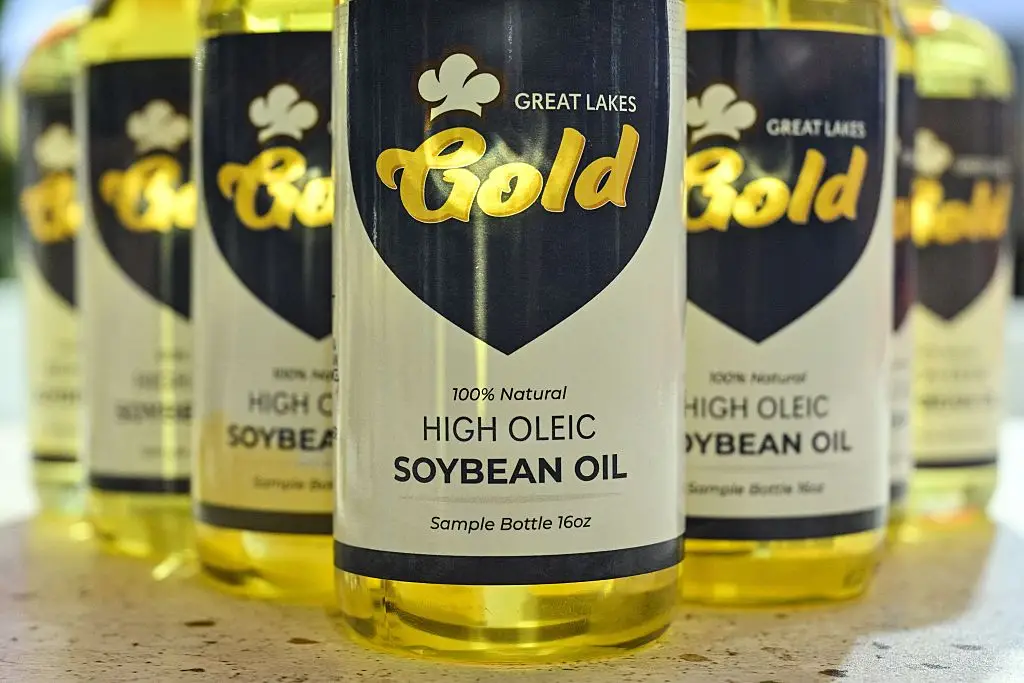
Only after feeding mice high amounts of soybean oil did researchers begin to uncover a pattern.
While it's not usually used as a base in cooking, the specific oil is often found in processed foods like crisps and salad dressings.
In the study, published in the Journal of Lipid Research, two groups of mice were given diets rich in the oil. One group was left genetically unmodified, while the other was engineered to produce a slightly altered version of a liver protein that influences fat metabolism.
The contrast was striking. The unmodified mice gained significant weight. The modified group did not.
Sonia Deol, biomedical scientist and corresponding author of the study, explained: “This may be the first step toward understanding why some people gain weight more easily than others on a diet high in soybean oil.”
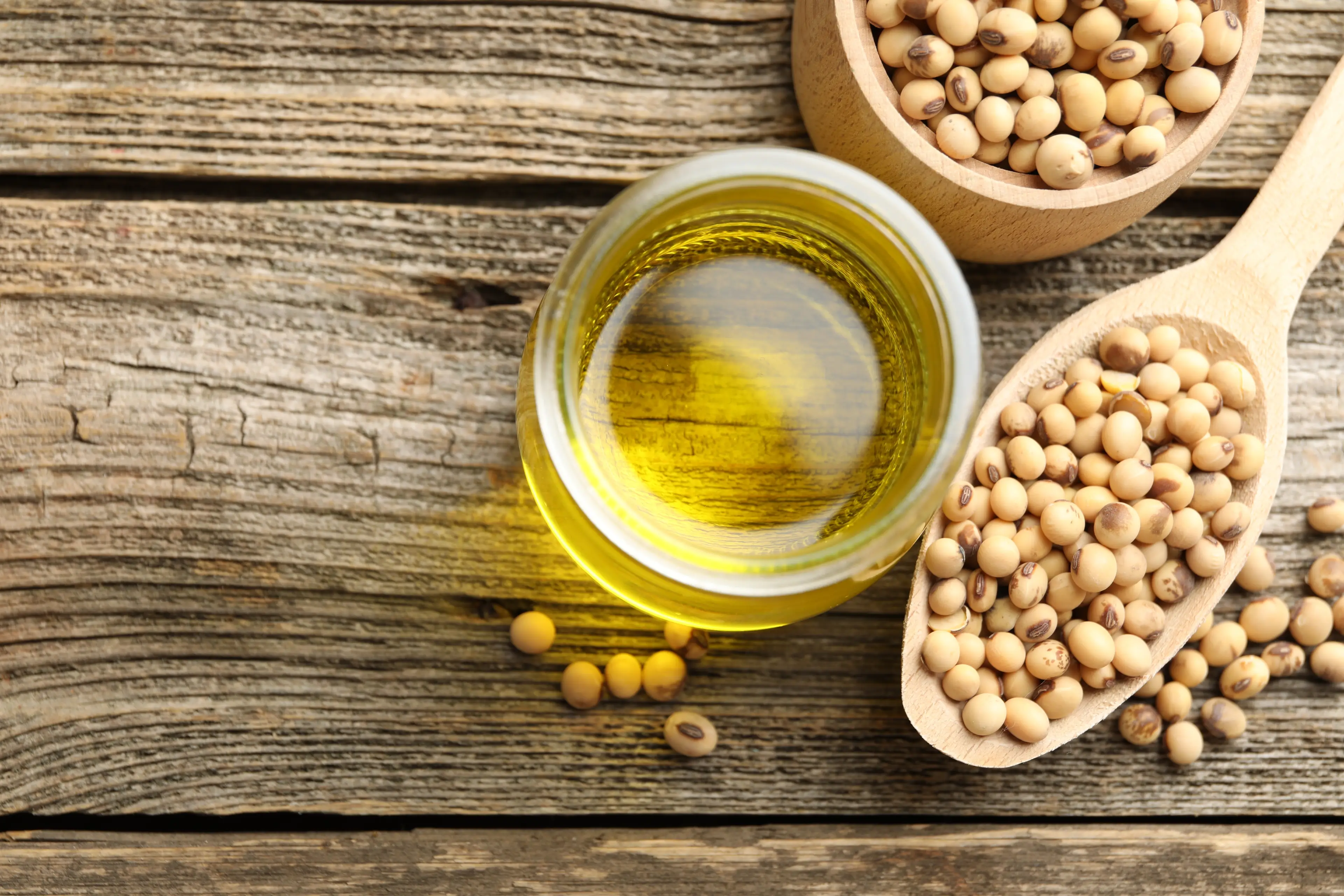
The findings build on earlier research from the same team, which previously found the oil to be more obesogenic than coconut oil.
Frances Sladek, professor of cell biology at the University of California, Riverside, said: “Soybean oil isn’t inherently evil. But the quantities in which we consume it is triggering pathways our bodies didn’t evolve to handle.”
She added: “We’ve known since our 2015 study that soybean oil is more obesogenic than coconut oil. But now we have the clearest evidence yet that it’s not the oil itself, or even linoleic acid. It’s what the fat turns into inside the body.”

The key lies in oxylipins, inflammatory molecules created when the body converts linoleic acid, a major component of soybean oil. The genetically engineered mice produced far fewer of these molecules, had healthier livers and displayed signs of improved mitochondrial function, offering a possible explanation for their resistance to weight gain.
Human trials are not currently planned, but researchers hope their work will inform future nutrition policy.
As Sladek noted: “It took 100 years from the first observed link between chewing tobacco and cancer to get warning labels on cigarettes. We hope it won’t take that long for society to recognise the link between excessive soybean oil consumption and negative health effects.”
 Ben Williams