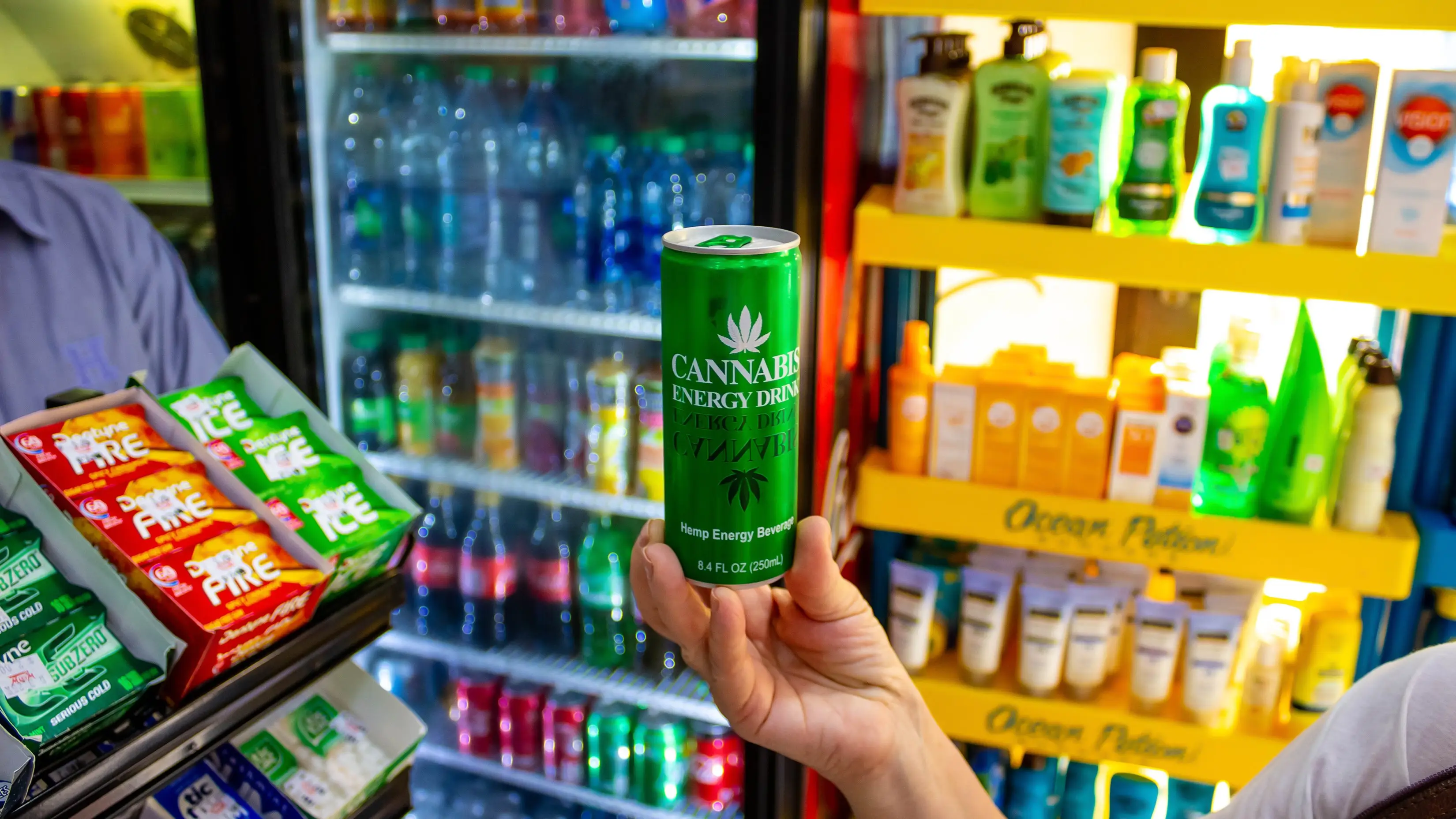
Energy drinks may quadruple heart health risks, new study suggests

Experts claim energy drinks and similar stimulant supplements are associated with significantly higher risks of serious heart problems in young people.
It’s understood that around 21 percent of UK adults are consuming around four to five cans of energy drinks per week, regardless of well-documented side effects like elevated blood pressure, a rapid spike in blood sugar, and insomnia.
But new research, set to be presented at the American Heart Association’s annual meeting, suggests the fruity, fizzy beverages could be causing more severe health problems, including cardiac arrest.
Experts, including Sai Samayamanthula, a fourth-year medical student at the University of Virginia School of Medicine in Charlottesville, will present the information at the AHA’s Scientific Sessions 2026, set to take place across Chicago from 6 to 9 November.
Advert
Healthline reports that they will explain how researchers from the University of Virginia School of Medicine analysed 28,345 reports submitted to the Food and Drug Administration (FDA) between 2017 and 2025.

Of these, they found that 854 involved caffeinated energy drinks or stimulant supplements. The remaining reports involved non-stimulant products.
Compared with non-stimulant products, cardiac arrest was reported approximately 11 times more often with energy drinks and stimulant supplements, the outlet wrote.
People experiencing heart attacks were reported 4.5 times more often, while ventricular arrhythmias and palpitations were reported about four times more frequently.
Shockingly, almost 45 percent of heart-related reports involved adults ages 18 to 34.
“Our findings support the case for more systematic safety monitoring of caffeine- and stimulant-containing products. In addition, healthcare professionals should remember to ask their younger patients who have palpitations, chest pain or fainting spells if they recently or regularly consume these products,” Samayamanthula concluded.
While the jaw-dropping claims are preliminary—experts are unable to fully prove that energy drinks can cause heart problems—the study poses an interesting idea: your go-to beverages may not be as healthy as initially perceived.

“These products are marketed as everyday pick-me-ups and sold next to soda and bottled water, so most people assume they carry no real risk,” Samayamanthula said via a press release.
“For many healthy people, if these products are consumed occasionally, the risk is probably small.
“However, individuals who consume energy drinks or other stimulant-containing supplements regularly can quickly exceed the recommended daily limit for caffeine, so it’s important for people to know that there may be a risk of cardiovascular harm with these products.”
Gregory M. Marcus, professor of medicine at the University of California, San Francisco School of Medicine, said that while the research ‘raises concerns that products with very high amounts of caffeine may be harmful to the cardiovascular system’, more research is needed to ‘understand whether these stimulant products are truly responsible for the reported heart-related events’.
Those at risk of developing heart problems have been advised to steer clear of energy drinks, with water, juice, and decaf tea and coffee being recommended instead.
“I encourage people to read product labels carefully and be aware of their total daily caffeine consumption,” said Cheng-Han Chen, a board-certified interventional cardiologist and medical director of the Structural Heart Program at MemorialCare Saddleback Medical Centre in Laguna Hills.
“I particularly recommend that people with underlying cardiovascular conditions avoid energy drinks.”
 Ella Scott