Research finds a third of us cut mould off food and eat it anyway

We've all been there, that dreaded moment when you reach for a slice of bread or a block of cheese, only to discover an unwelcome patch of fuzzy green mould.
Rather than throwing the whole thing away, it turns out plenty of us simply cut off the offending bit and carry on eating.
In fact, research suggests around a third of people are willing to remove mould from food and eat what's left, despite warnings that doing so isn't always safe.
With grocery bills remaining a concern for households, it's easy to understand why people might be reluctant to throw away food that looks perfectly fine apart from one suspicious-looking corner.
Advert
But according to health experts, that seemingly harmless habit could expose you to more than you bargained for.
Dr Nikki Ramskill, women's health GP and founder of The Female Health Doctor clinic, has explained why cutting away visible mould doesn't necessarily remove the danger.
Unfortunately, some of the foods we regularly try to rescue are the very ones we should be throwing straight in the bin.
Is it actually safe to cut mould off food?
According to Dr Ramskill, the answer depends on what you're eating.
"The short answer is that it depends on the food, but in many cases, simply cutting away the visible mould isn't enough to make it safe to eat," she explained.
"What most people don't realise is that the fuzzy mould we can see is often just a small part of what's actually growing."
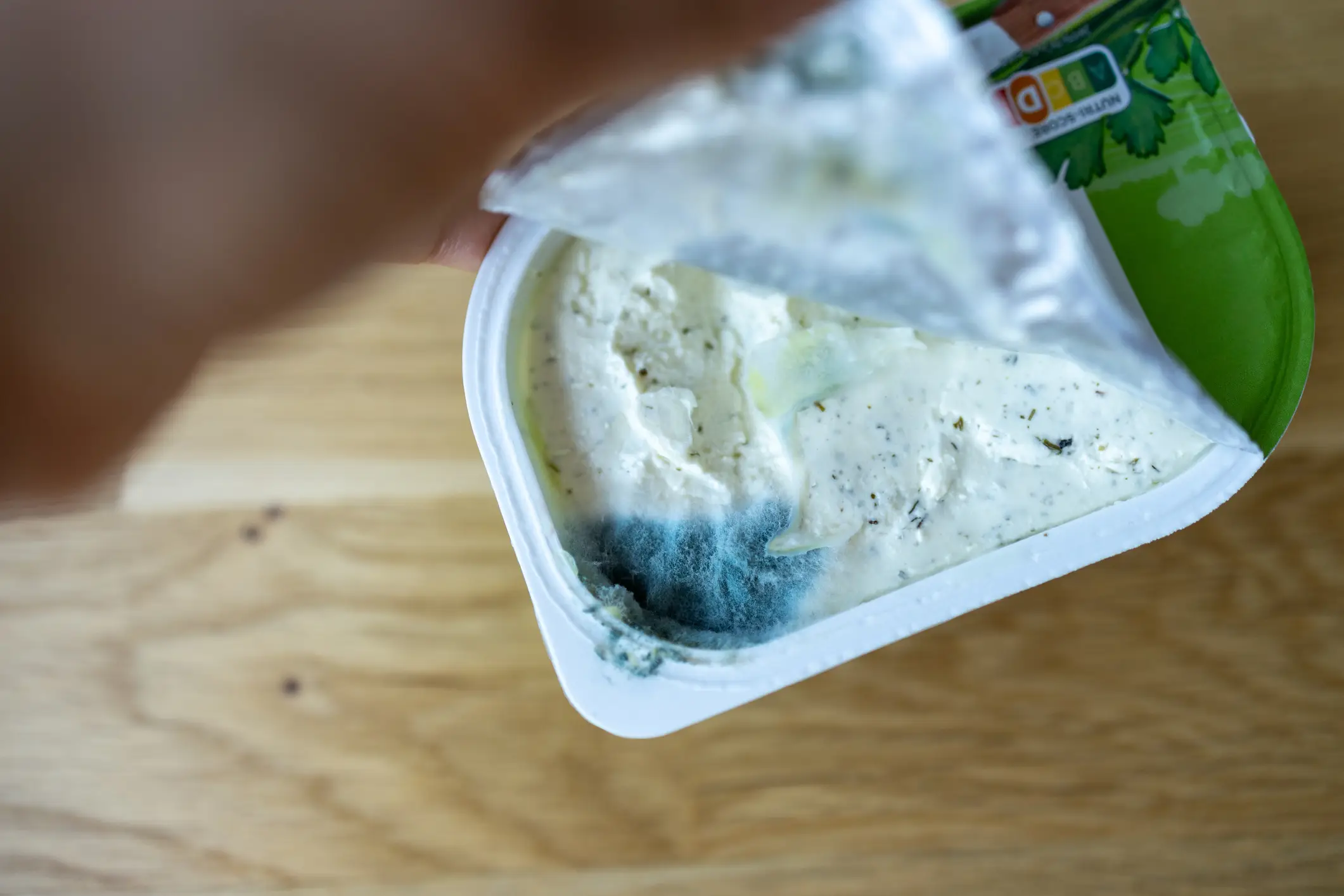
Mould can develop microscopic, thread-like structures that spread beneath the surface, meaning the affected area may be much larger than it appears.
This is particularly problematic with softer foods, where moisture allows mould to penetrate more easily.
Dr Ramskill recommends throwing away mouldy bread, yoghurt, soft cheese and soft fruit rather than attempting to salvage them.
However, there are exceptions.
"With firm foods such as hard cheese and certain dense vegetables, it may be possible to safely remove the mould by cutting at least 2.5 cm (one inch) around and beneath the affected area," she said.
You should also avoid touching the mould with your knife to prevent spreading contamination.
Which foods should you never rescue?
If you've ever scraped mould off the top of a jar of jam and carried on using it, you might want to reconsider.
Despite its high sugar content, jam isn't necessarily safe once unexpected mould appears.
Dr Ramskill warned: "Some moulds can produce toxins, and removing the visible growth doesn't guarantee the rest is safe."
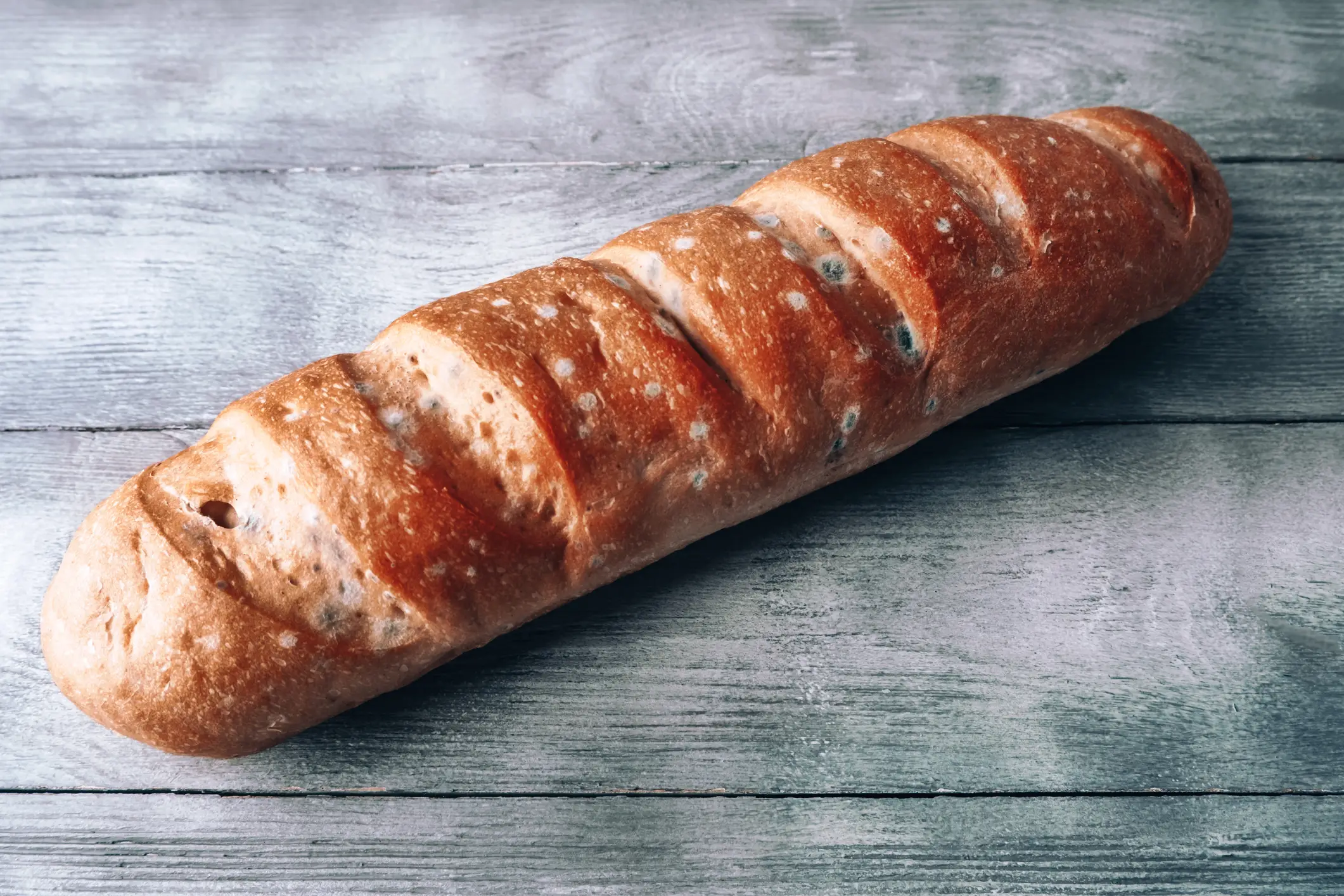
Bread is another common culprit.
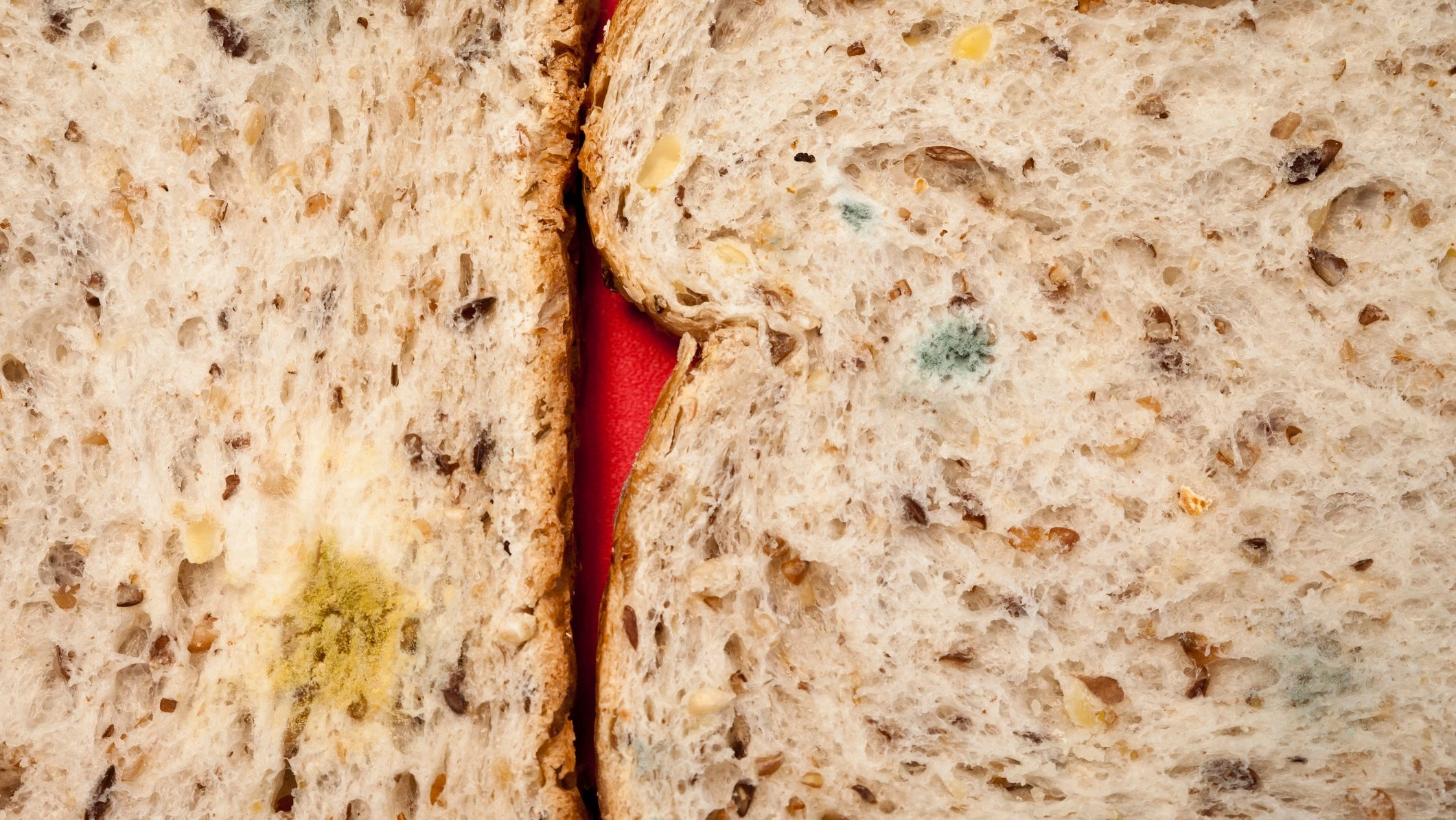
Even if there's only one small green patch, mould may already have spread through the loaf before becoming visible.
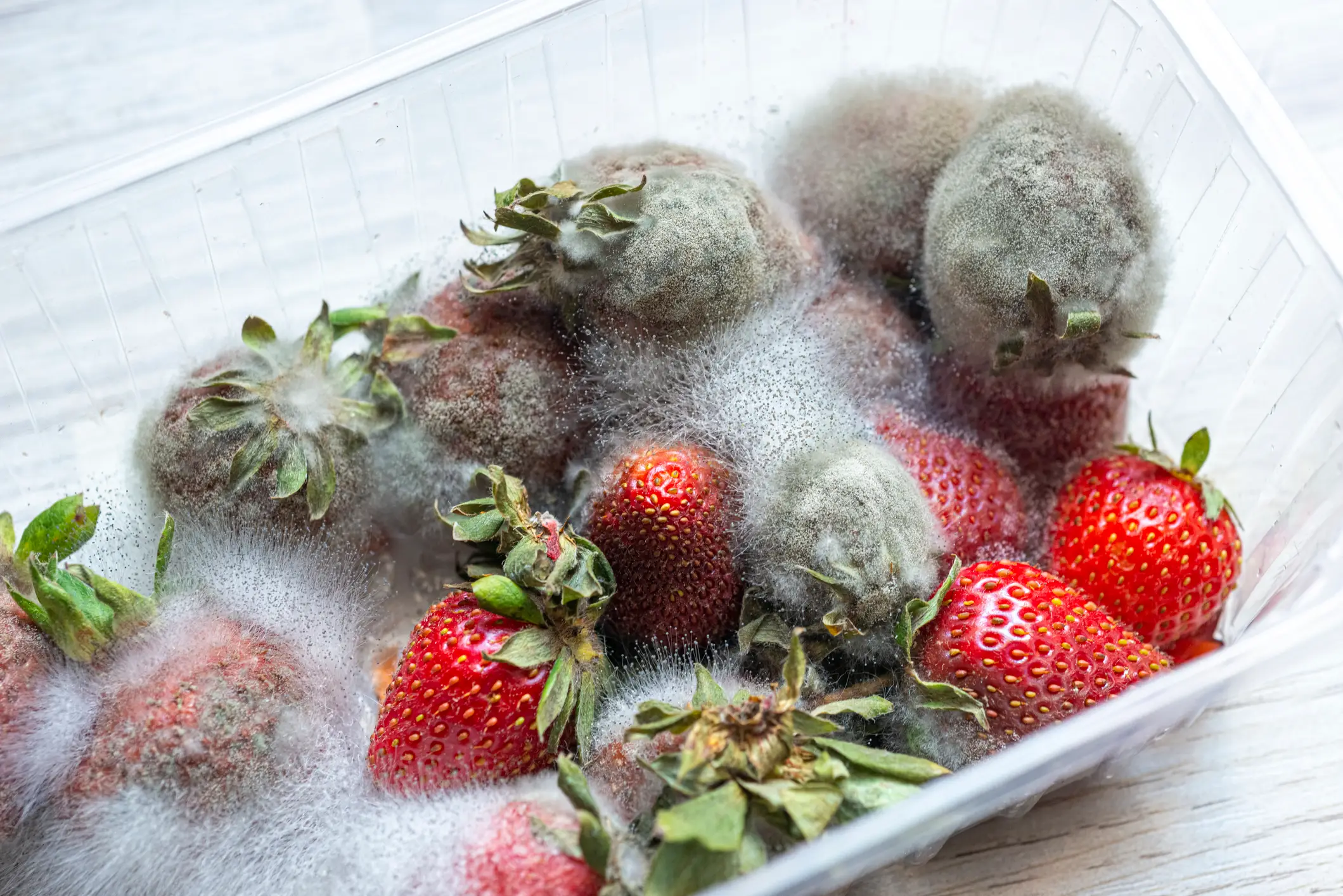
Soft fruits, including strawberries, raspberries and peaches, should also be discarded if mould develops.
The same applies to yoghurt, cream, soft cheeses, cooked leftovers and sauces.
Of course, cheeses such as Stilton and Brie are different because they're deliberately made using specific food-safe mould cultures.
Unexpected mould appearing on other foods isn't the same thing.
What happens if you accidentally eat mould?
Eating a small amount of mouldy food doesn't automatically mean you'll become ill, but there are potential risks.
"The biggest concern is that some moulds can produce toxic substances called mycotoxins," Dr Ramskill explained.
"These aren't necessarily removed by cutting away the visible mould, and some can survive cooking."
Certain mycotoxins can cause health problems, particularly with repeated exposure.
Mouldy food may also contain harmful bacteria capable of causing food poisoning, with symptoms including nausea, vomiting, diarrhoea and stomach pain.
Some people can experience allergic reactions, while those with weakened immune systems may face additional risks.
Crucially, there's no reliable way to determine whether mould is dangerous just by examining it.
Why do so many of us do it?
For Dr Ramskill, the habit comes down to a combination of rising food costs, avoiding waste and advice passed down through generations.
"Many of us grew up hearing someone say, 'Just cut the mouldy bit off, it'll be fine!'" she said.
"It's advice that's been passed down through families for decades (mine included!)."
There's also the temptation to trust our senses. If something looks and smells normal, we naturally assume it must be safe.
Unfortunately, mould doesn't always work that way.
Rather than risking it, Dr Ramskill recommends storing food correctly, refrigerating perishables promptly and freezing anything you won't eat before it spoils.
"I completely understand the desire to avoid food waste, but it's worth remembering that saving a few slices of bread isn't worth potentially making yourself unwell," she added.
So next time you spot a suspicious green patch on your breakfast, think twice before reaching for the knife.
As Dr Ramskill puts it: "Ultimately, cutting off the mould doesn't necessarily cut out the risk."
 Jen Thomas