
If you struggle to focus, new research says your food might be to blame

When concentration starts to disappear, most of us have a familiar list of suspects: too little sleep, too much stress, an inbox that never stops, or simply not enough coffee.
What if it’s actually down to what we eat?
New research has found an association between eating more ultra-processed foods (UPFs) and poorer performance on tests of attention and processing speed.
The research looked at 2,100 people and compared their scores.
Advert
Becki Hawkins is a nutrition and wellness expert at Fit Nutrition, and says the findings are particularly interesting because we often look elsewhere when our concentration dips.
She stresses that it ‘doesn’t mean a packet of crisps will give you instant brain fog’, but the findings add to growing interest about how heavily processed foods might affect more than our waistlines.
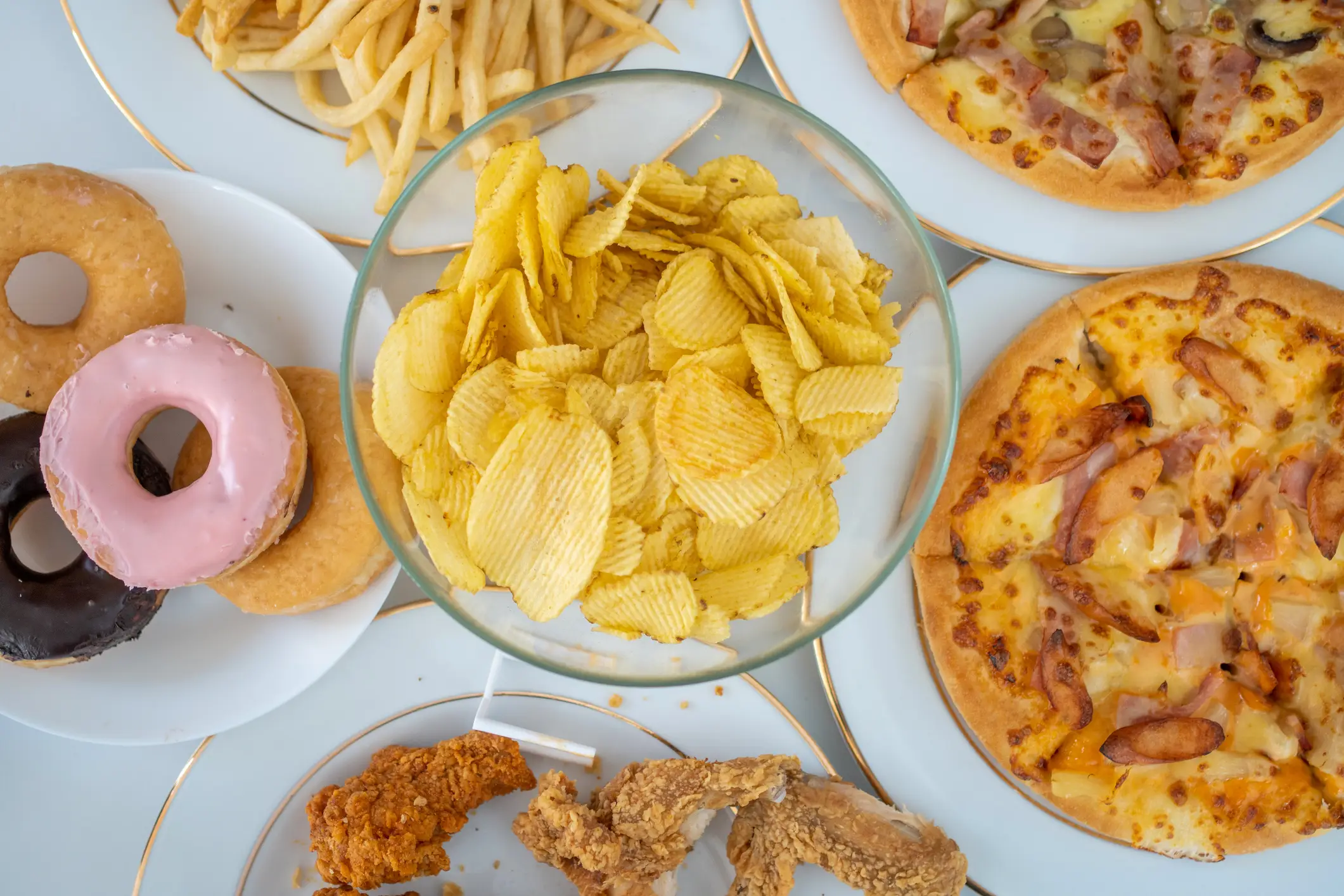 Researchers have been assessing the connection between ultra-processed food and brain function (Getty Stock)
Can food impact brain health?
“This study is suggesting that people who ate more ultra-processed foods had worse scores in attention and processing speed, so two measures of cognition or brain health,” says Dr Lucy Hooper, private GP and co-founder of Coyne Medical.
One detail particularly caught her attention.
The association remained even after researchers accounted for how closely people followed a Mediterranean-style diet, which is widely associated with good overall health.
“That’s important because the Mediterranean diet has some of the strongest evidence for overall health,” she says.
“The fact that the relationship persisted suggests there may be something about the ultra-processed food itself, rather than simply that those people had a poorer diet overall.”
So what could that something be?
It is tempting to point the finger at sugar, caffeine or fat, but the answer is unlikely to be quite so simple.
“I don’t think we can blame one particular food ingredient or macronutrient,” says Dr Hooper.
Ultra-processed foods can contain more rapidly absorbed carbohydrates, saturated fat and salt, while often providing less fibre, vitamins and minerals.
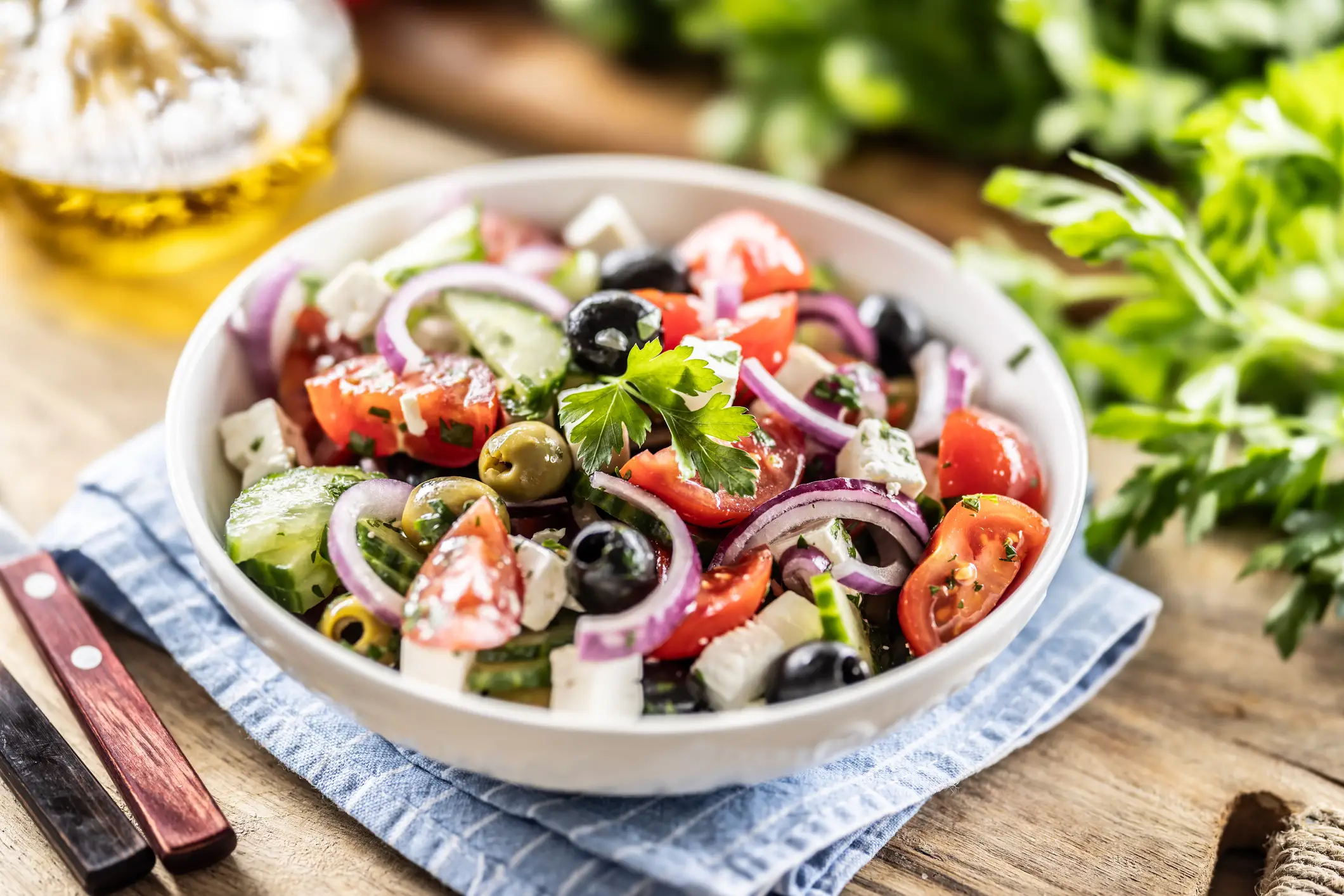
Chewing food matters more than you think
But their physical structure matters too, as many are soft, easy to eat and require very little chewing.
That might sound like a minor detail, but Dr Hooper says it could be more relevant than we realise.
“One aspect I don’t think we talk about enough is actually the importance of chewing,” she says. “Ultra-processed foods are often softer and require very little chewing, meaning they can be eaten very quickly.”
There is some early scientific evidence that chewing itself may influence brain activity, including blood flow and areas involved in attention and memory.
That does not mean that eating soft foods causes cognitive decline, but it is an intriguing reminder that food affects the body in ways that go beyond its calorie content.
The gut may also play a part.
Differences in the composition and structure of ultra-processed foods could influence inflammation, metabolic health and the microbiome, both in the gut and mouth.

Simple swaps to boost brain function
“I don’t think we should ever be aiming for perfection when it comes to health or nutrition,” says Dr Hooper.
“People don’t need to say they’re never going to have an ultra-processed food, or get rid of everything in their kitchen, to improve their health.”
Instead, small substitutions may be more realistic.
Fruit, nuts, yoghurt, eggs, beans and whole grains can replace some ultra-processed snacks, while frozen vegetables, tinned beans and oats can provide inexpensive staples.
Hawkins advises: “The good news is that nobody needs to have a ‘clean eating era’ or throw out every convenience food in their kitchen.”
“That’s unrealistic, expensive, and honestly exhausting,” says the expert.
As for manageable changes you can make, Hawkins suggests starting with one regular meal rather than attempting an overnight dietary transformation.
“If you’re relying on a lot of grab-and-go food, start with one meal you eat regularly and give it an upgrade,” she suggests
“Add fruit and nuts to breakfast, put some protein and veg in your lunch, or use tinned beans and frozen veg to bulk up Bolognese, curry or chilli for dinner,” she says, before adding: “Convenience and nutrition can absolutely coexist!”
There is also an important distinction between processing and ultra-processing.
Freezing, pasteurising and canning can make food more convenient and preserve nutrients; they do not automatically make a food unhealthy.
“The bigger issue is diets that are dominated by highly palatable, very easy-to-eat, engineered foods that then displace other foods from our diet that we really need,” says Dr Hooper.
For now, the research is better viewed as a reason to look at the overall pattern of our diets than as proof that ultra-processed food is responsible for poor concentration.
“The most useful question we can all be asking is: are whole foods making up most of our diet, most of the time?” says Dr Hooper.
Next time you’re feeling a bit sluggish, it might be worth looking at the contents of your food cupboard.
 Jen Thomas