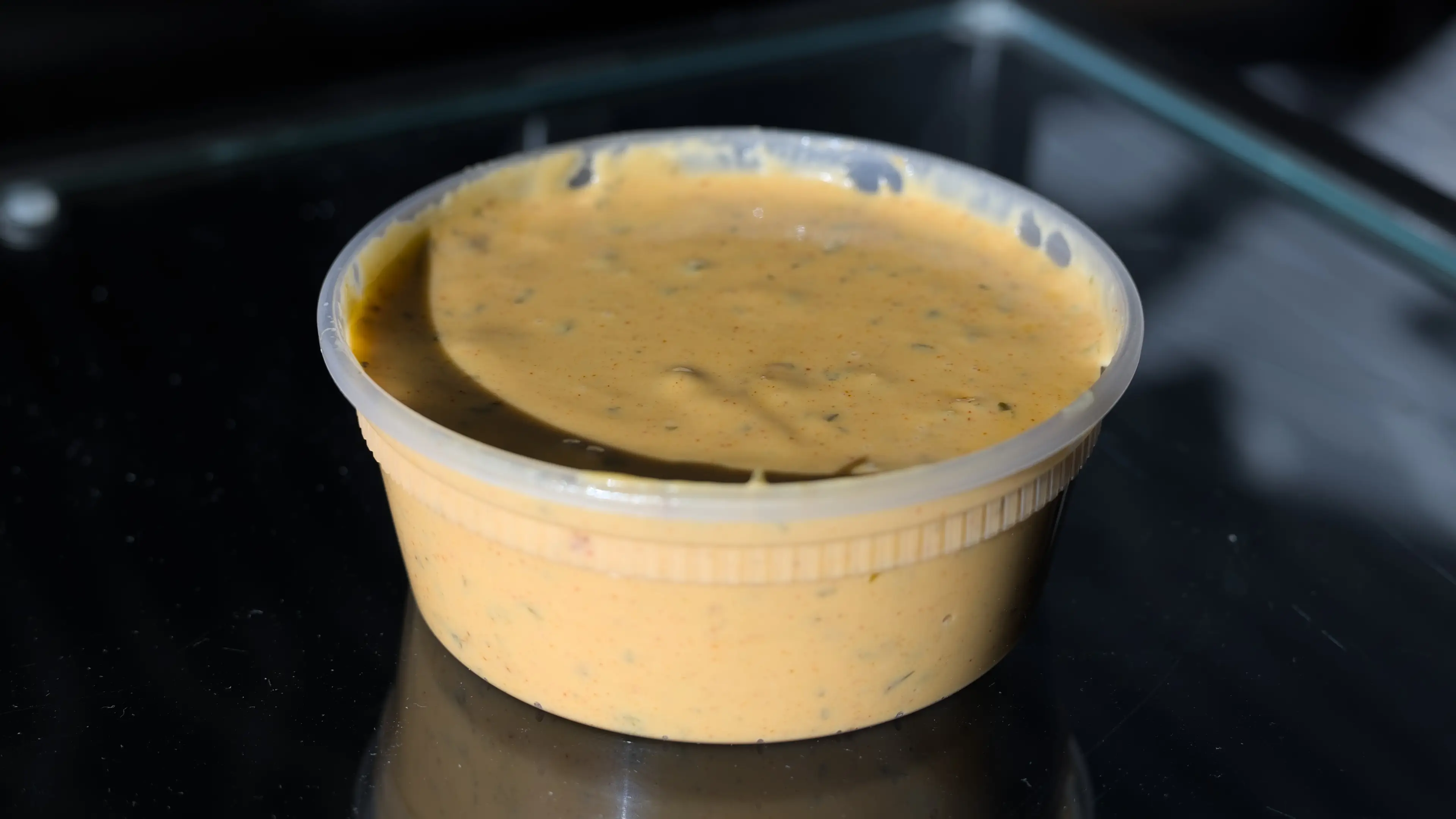
Warning over why you might want to think again about ordering queso at a restaurant

Your penchant for dipping your chips into queso may be harming your health, a dietitian has warned. If you’re as obsessed with the Mexican staple as we are, then there are some quick swaps you can make to raise its nutritional profile.
While queso literally translates to ‘cheese’ in Spanish, it actually has a whole different meaning in American Tex-Mex cuisine.
The dip, known for its creamy, melty texture, is typically made by melting one or more cheeses, such as cheddar or Monterey Jack, with milk or cream to create a smooth and moreish sauce.
But every restaurant does it differently, with Chipotle choosing to add tomatoes, garlic, peppers, and yellow onions; Chili’s serves up a Skillet Beef Queso with tortilla chips and fresh salsa, and Miguel's Queso at Yard House throws in a handful of chorizo and fresh cilantro (coriander in the UK) to spice things up.
Advert
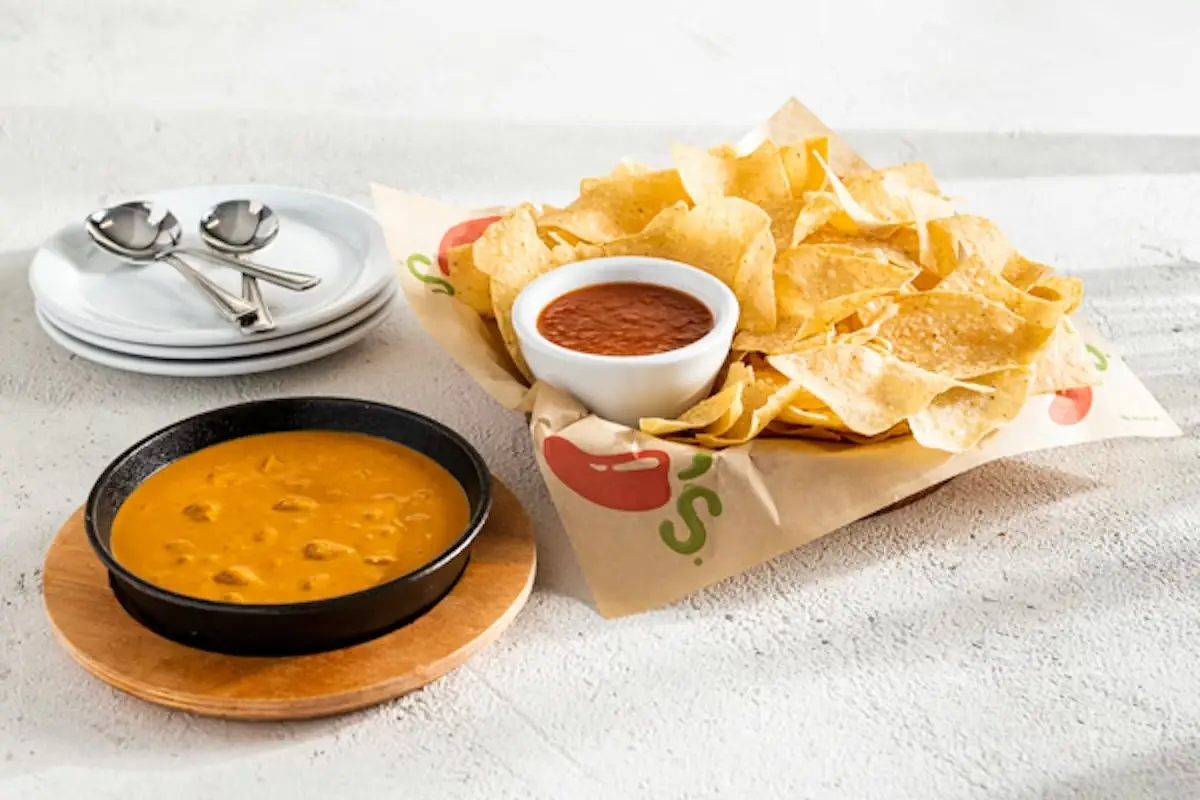
There’s also yellow queso, which utilises American cheese, a nostalgic version made with processed cheese, canned tomatoes and green chillis and white queso, which is famed for its mild flavour and thin consistency, as per US Dairy.
The fact that queso variations and portion sizes differ makes it extremely difficult to factor into a balanced diet, says Angel Luk, a registered dietitian.
According to the Food Mysteries favourite, this is because almost all queso pots are high in saturated fat - and too much can cause serious issues.
"The saturated fat content can be quite high," Luk said of the Tex-Mex sauce via Tasting Table.
“So for people who have high cholesterol levels, queso can eat up a significant part of their daily saturated fat 'budget.'”
In the US, dietary guidelines recommend saturated fat consumption not exceeding 10 percent of total daily calories.
“Significantly limiting highly processed foods will help meet this goal,” the legislation stated.
However, the American Heart Association suggested aiming for a dietary pattern that achieves less than 6 percent of total calories from saturated fat.
Too much saturated fat can raise blood cholesterol and cause the waxy substance to build up in your arteries, increasing the risk of heart disease and stroke.
Other health implications include, but are not limited to:
- Weight gain and obesity
- Type 2 diabetes
- Gastrointestinal issues
- Increased chance of cardiovascular disease
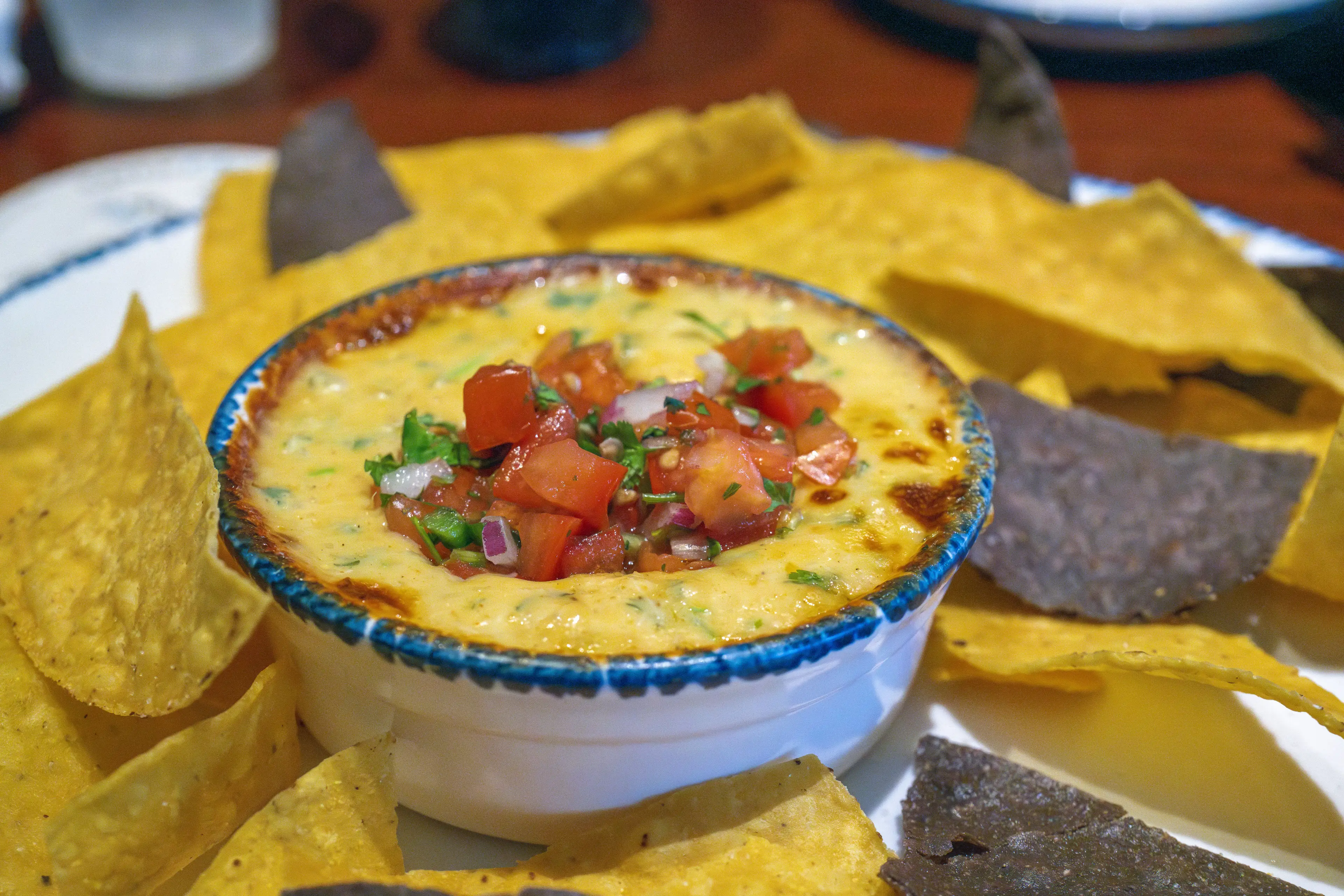
Luk advised anyone ordering tubs of queso to go online and review the restaurant's publicly available nutrition information so you can make an ‘informed decision’ before eating.
Ordering a takeout? She suggested mixing it with plain yoghurt to raise its protein and calcium content.
Icelandic-style Skyr and Greek yoghurt tend to deliver the most protein due to their straining process, Natalie Rizzo, registered dietitian and Nutrition Editor for TODAY wrote.
She advised opting for pots with at least 12–15 grams of protein per serving and to choose plain rather than flavoured.
“Plain yoghurts are ideal, but if you choose flavoured, look for options with reduced or no added sugars. Less sugar makes it easier to enjoy yoghurt daily without going over the daily added sugar recommendations.”
Luk added to Tasting Table that if you’re at a Mexican restaurant with no access to yoghurt, then a spoonful of plain, lower-fat sour cream may make all the difference.
 Ella Scott