Warning to anyone who eats zucchini over little-known poison

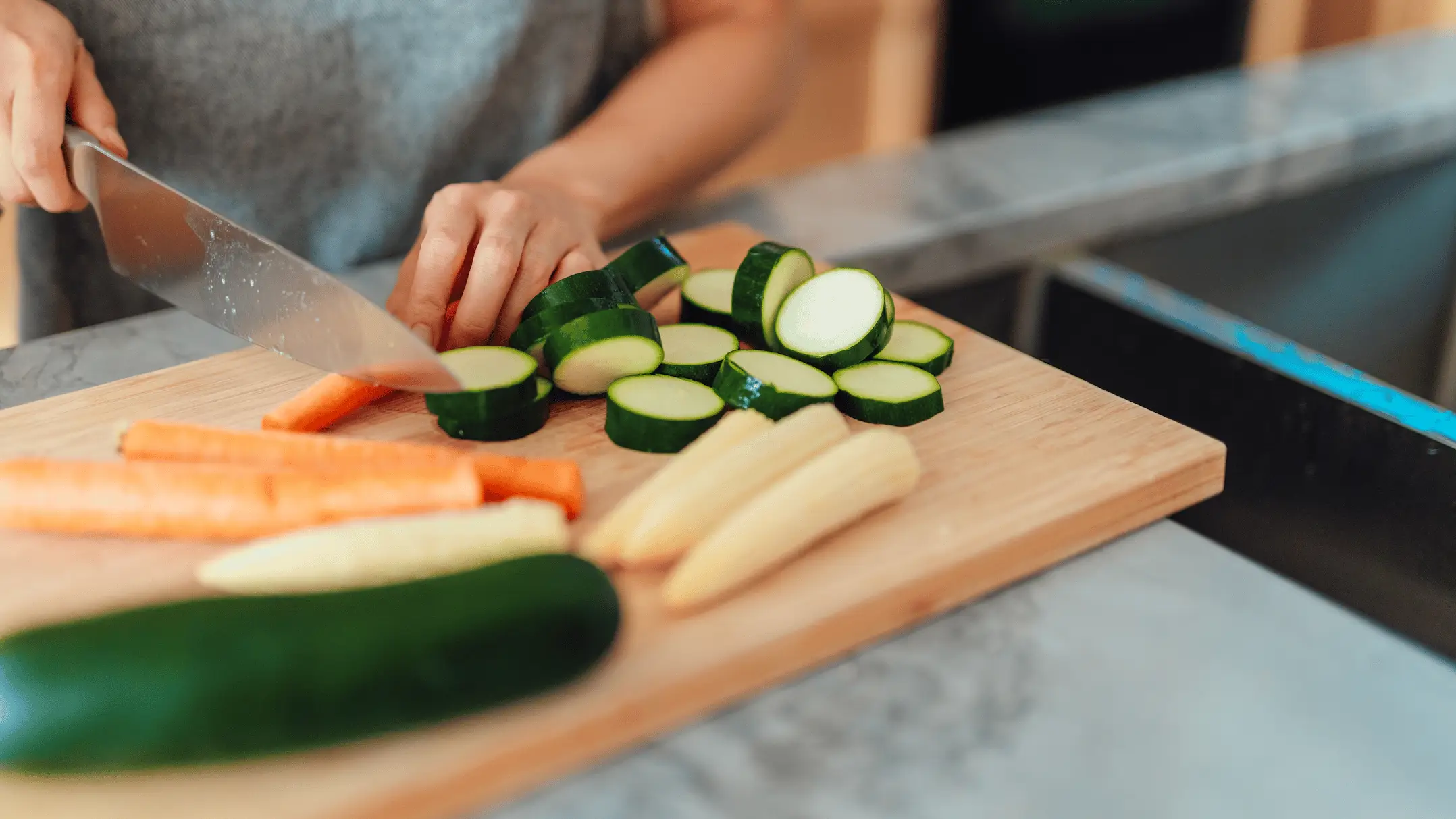
Zucchini, or courgette if you live in Britain, France, or other European countries, is a summer squash rich in various vitamins, minerals, and plant compounds.
The vegetable, valued by health experts for its high antioxidant content, also contains both soluble and insoluble fibre and may help lower blood sugar levels in people with type 2 diabetes, as per Healthline.
And while zucchini is classed as one of your five-a-day, fans of the vining herbaceous plant are being warned that indulgence could cause fatality—here’s everything you need to know.
What are cucurbits?
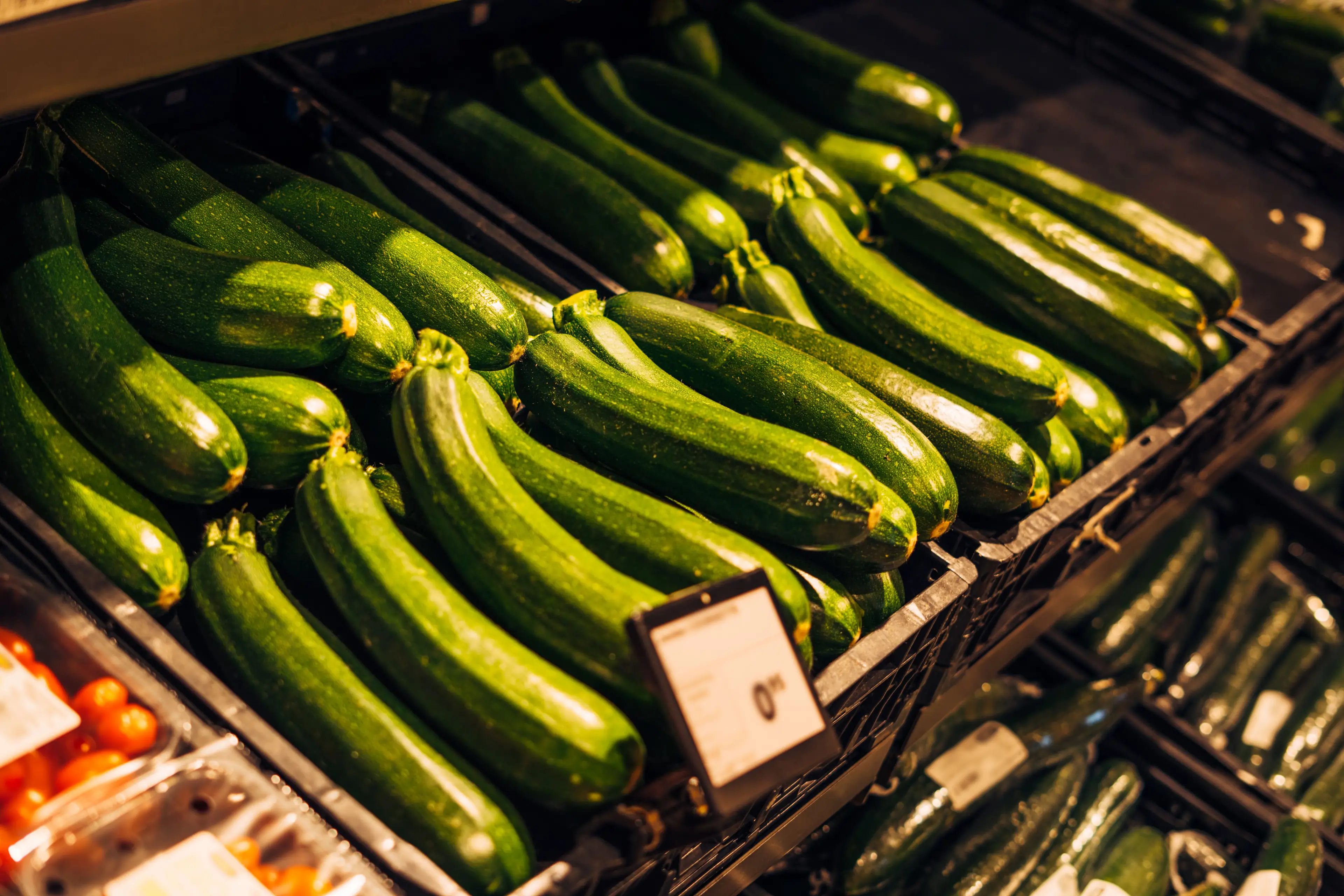
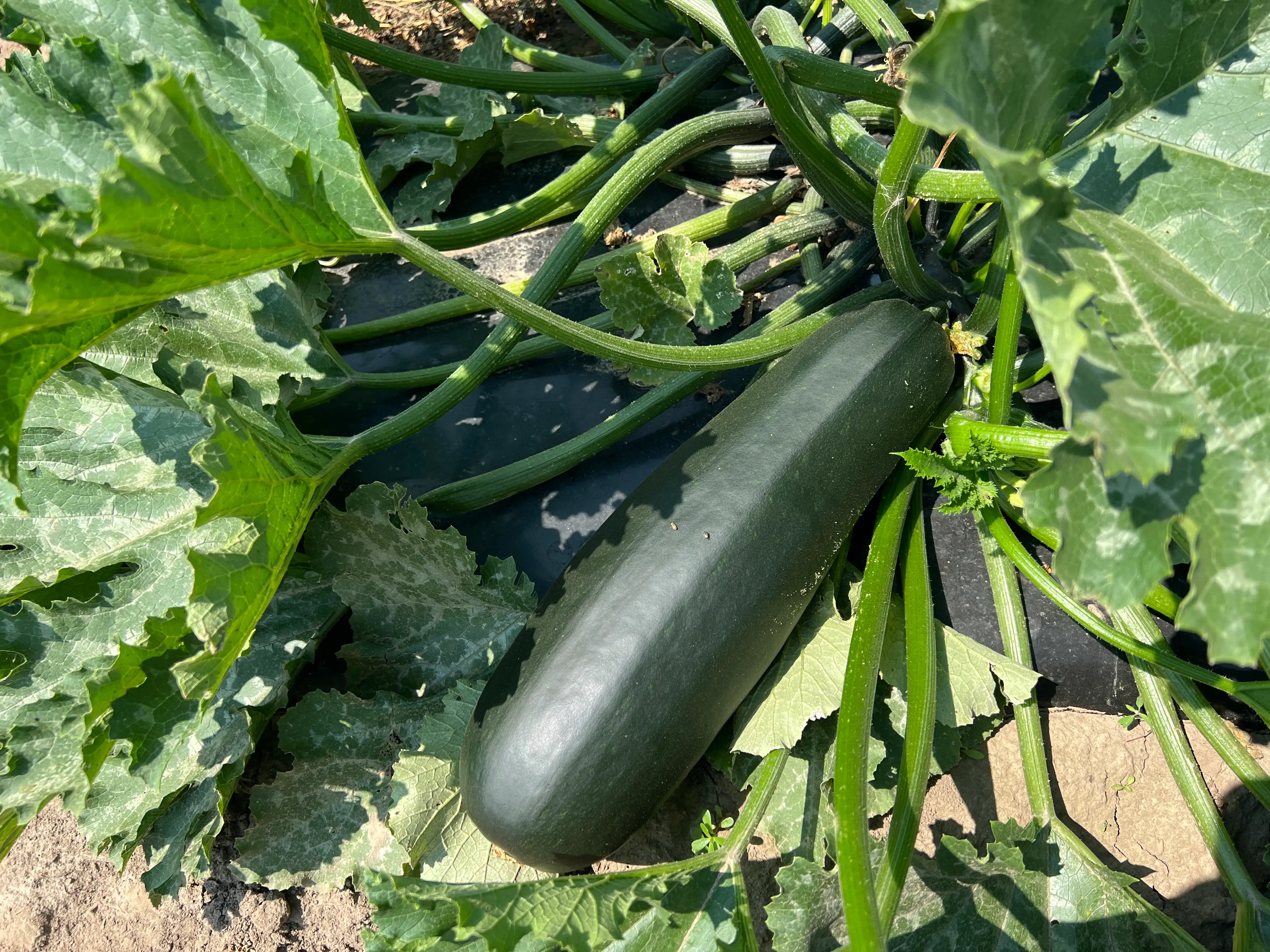
Zucchini, squash, melon, pumpkin, cucumber, and other household favourites are part of what is known as the Cucurbits family.
These plants usually like to straggle and sprawl across the ground and are usually pretty easy to grow, as per Riverside Garden Centre.
Advert
Cucurbits, also known as the Cucurbitaceae, often produce something called cucurbitacin—an adaptation to suboptimal growing conditions or stressful pest pressure.
The highly oxygenated triterpenoid compound has been shown to have antiproliferative (prevent rapid growth) effects on numerous cancer cell lines, including breast, skin, lung, and brain cancers, as per Imperial College Union.
A journal published in Frontiers also suggested that cucurbitacin may be anti-inflammatory and can alleviate CH-induced neurobehavioral impairments.
How zucchinis can be poisons
While research has praised cucurbitacins, experts at Health have recently pointed out that the compound can also have a detrimental effect on our bodies.
If your veggie has experienced extreme temperatures or uneven watering, then it may produce so much cucurbitacin that it becomes toxic.
This toxicity, which manifests through an extremely bitter taste, may harm the vascular system and can be potentially fatal to humans.
According to experts at Health, whether someone develops poison symptoms after eating plants with cucurbitacins can depend on the amount consumed and individual tolerance and health.
Symptoms of Cucurbitacin Poisoning
According to Health, cucurbitacin poisoning can majorly disrupt the gastric lining, leading to vomiting, diarrhoea, and bleeding within minutes to hours after consumption.
Other symptoms, including cramps, edema in the intestinal wall and hypotension (low blood pressure), may also arrise.
Unfortauntley, it doesn’t take eating a whole zucchini to bring on these worrying symptoms either.
Scientists previously reported at the International Congress of the European Association of Poison Centres and Clinical Toxicologists that a couple became severely ill after taking one or two bites of a casserole containing bitter-tasting zucchini grown in their garden.
It’s understood that while one of these patiets recovered fully, the other died less than 24 hours later.
How to diagnose Cucurbitacin Poisoning
Cucurbitacin poisoning is so rare that there are no lab tests in place to detect the toxins’ presence, making it extremely difficult for medical experts to diagnose it, as per Health.
This means keeping track of what you’re eating and reporting any serious symptoms is crucial to survival, said Ryan Marino, an associate professor of emergency medicine and psychiatry at Case Western Reserve University School of Medicine.
“The most important feature in identifying potential cucurbitacin toxicity would be a report of ingesting one of the plants that produce it shortly before developing symptoms, usually with an abnormally bitter taste,” he claimed.
If you start consume a vegetable that you believe tastes bitter, the best thing you can do is to stop eating it and discard it.
Be sure to get medical care—but only if you develop symptoms.
“The majority of people who are exposed likely do not become sick enough to need hospital-level care,” Marino added.
“But if there is any concern, I would not hesitate to seek expeditious medical care.”
 Ella Scott