
11 Blue Zone rules that capture all the secrets behind world’s longest-lived people

There are pockets of space across the world where the majority of residents seem to live to the age of one hundred and beyond.
These specific geographical regions - known as Blue Zones - are famed for exceptional longevity; dwellers often credit their old age to natural movement, good diets, and a strong sense of purpose.
According to Dan Buettner and his team of scientists, you can find these people in five areas in the world: Sardinia, Italy, Okinawa, Japan, Nicoya, Costa Rica, Ikaria, Greece, and Loma Linda, California.
Denizens with rich and fulfilled lives apparently follow 11 simple food guidelines, of which BlueZones.com has detailed.
Advert
These rules sit alongside the ethos of ‘Hara Hachi Bu’, an anicent Japanese concept that encourages people to eat up until the point where their stomach is 80 percent full.
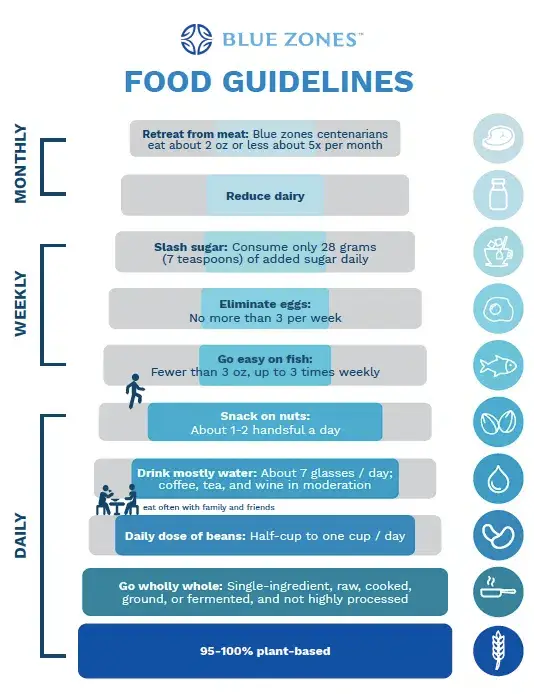
Daily Blue Zone food rules
Eat mainly plant-based
People who live in so-called Blue Zones are apparently eating a diet that is between 95 and 100 percent plant-based.
Instead of relying on animal-derived products, they consume plant-based oils, and prioritise vegetables, including sweet potatoes, alongside legumes and seeds.
Avoid processed foods
Many of the items residents consume are considered single-ingredient and are not highly processed.
Studies have previously linked the consumption of ultra-processed foods (UPFs) to increased risk of health conditions such as obesity, heart disease, and type 2 diabetes, as per the NHS.
Consume more beans
Beans are also a diet staple, with black beans, lentils, and chickpeas being hailed as fibre-rich saviours.
Buettner, a National Geographic Fellow and author, has previously called beans a ‘longevity’ superfood.
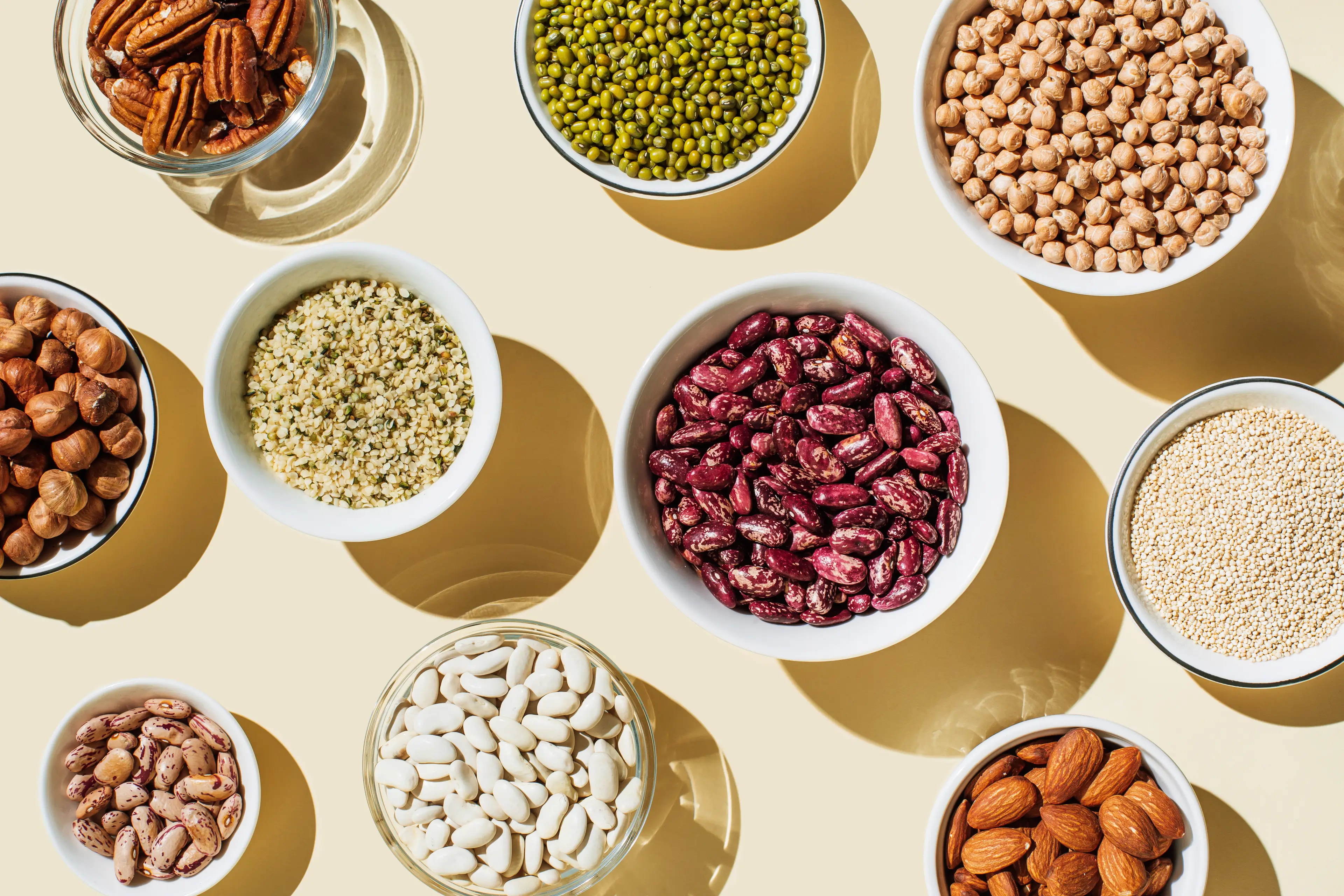
“It's the cornerstone of every blue zone diet in the world, and we know that eating just one cup of cooked beans is associated with four extra years of life expectancy,” he explained.
“It's a great source of complex carbohydrates. It's a great source of fibre, most Americans don't get enough fibre, and with a protein-obsessed country, it's a great source of healthy protein."
Drink water
Our kidneys can eliminate waste and toxins that our bodies don’t need through water. Not only that, but the hydrating beverage helps create saliva, protects tissues, joints, and the spinal cord, and keeps our digestive system moving.
People in Blue Zones are apparently drinking around seven glasses of H2O per day. That works out to roughly around 1400 to 1750ml.
If you’re not a huge water fan, then milk and unsweetened tea can contribute.
However, people who reside in Sardinia, Okinawa and Ikaria are likely to keep tea, coffee, and wine consumption to a minimum.
Snack on nuts
When it comes to satisfying mid-morning hunger cravings, you should reach for a handful of nuts, rather than pastries, cakes, and crisps.
The nutrient-rich food is a good source of fibre, protein, vitamins, and minerals that may help reduce your risk of serious health problems, the British Heart Foundation revealed.
Despite being good for you, nuts are high in calories and some contain saturated fat—so it’s worth being familiar with which ones are better than others.
People in Blue Zones apparently eat one or two handfuls of nuts every day (30-60g).
Some of the healthiest nuts include:
- Almonds
- Peanuts
- Cashew nuts
- Pistachios
- Hazelnuts
- Brazil nuts
- Walnuts
- Macadamia nuts
Weekly Blue Zone food rules
Reduce egg consumption
Bodybuilders may be obsessed with cooking eggs, but people who live in areas known for longevity aren’t as keen.
According to the Blue Zone food rules, you shouldn’t eat more than three eggs per week.

Studies have suggested that eating three or more eggs a week can increase your risk of heart disease and early death, as per the National Institutes of Health.
However, experts at Harvard Health said that the average healthy person likely suffers no harm from eating up to seven eggs per week.
Put a limit on dairy
The British dairy sector is worth more than six billion pounds a year to the UK economy and contributes 20 percent of all agricultural output.
And you may not realise it, but between your morning yoghurt bowls, afternoon iced coffees and evening ice cream scoops, you’re probably eating quite a lot of animal-based products.
If you’re worried about how much dairy you’re consuming, then you should start trying to adhere to the daily recommended amount.
Adults should consume three servings a day - the equivalent to one cup of milk, one pot of yoghurt, one teaspoon of butter, and scoop of ice cream.
Eat fish, but not so often
Consuming fishy products should be limited to three times per week max, according to Blue Zones.
When selecting your animal, you should make sure its something ‘common and abundant’ IE. not threatened by overfishing like mackerel is.
Anchovies, sardines, and middle-of-the-food-chain species that are not exposed to the high levels of mercury or other chemicals are prefered.
Say no more often to sugar
Did you know that people who live in areas where long life is the norm consume only a small amount of added sugar?

And we get it, those Marks and Spencer triple chocolate cookies are way too good to turn down. But sometimes it’s probably better for your body to switch out the sweets for fruit instead.
According to Blue Zone Food Guidelines, you should consume only 28g (roughly seven teaspoons) of added sugar every day.
Monthly Blue Zone Food Rules
Retreat from meat
One of the biggest and most important rules that you can follow is to stop eating so much meat, as per the Blue Zone Food Guidelines.
After pouring over various food surveys, experts found that people ate about two ounces (56.69g) or less about five times per month.
If you want to reduce meat from your diet, swap it out for plant-based proteins such as tofu.
 Ella Scott