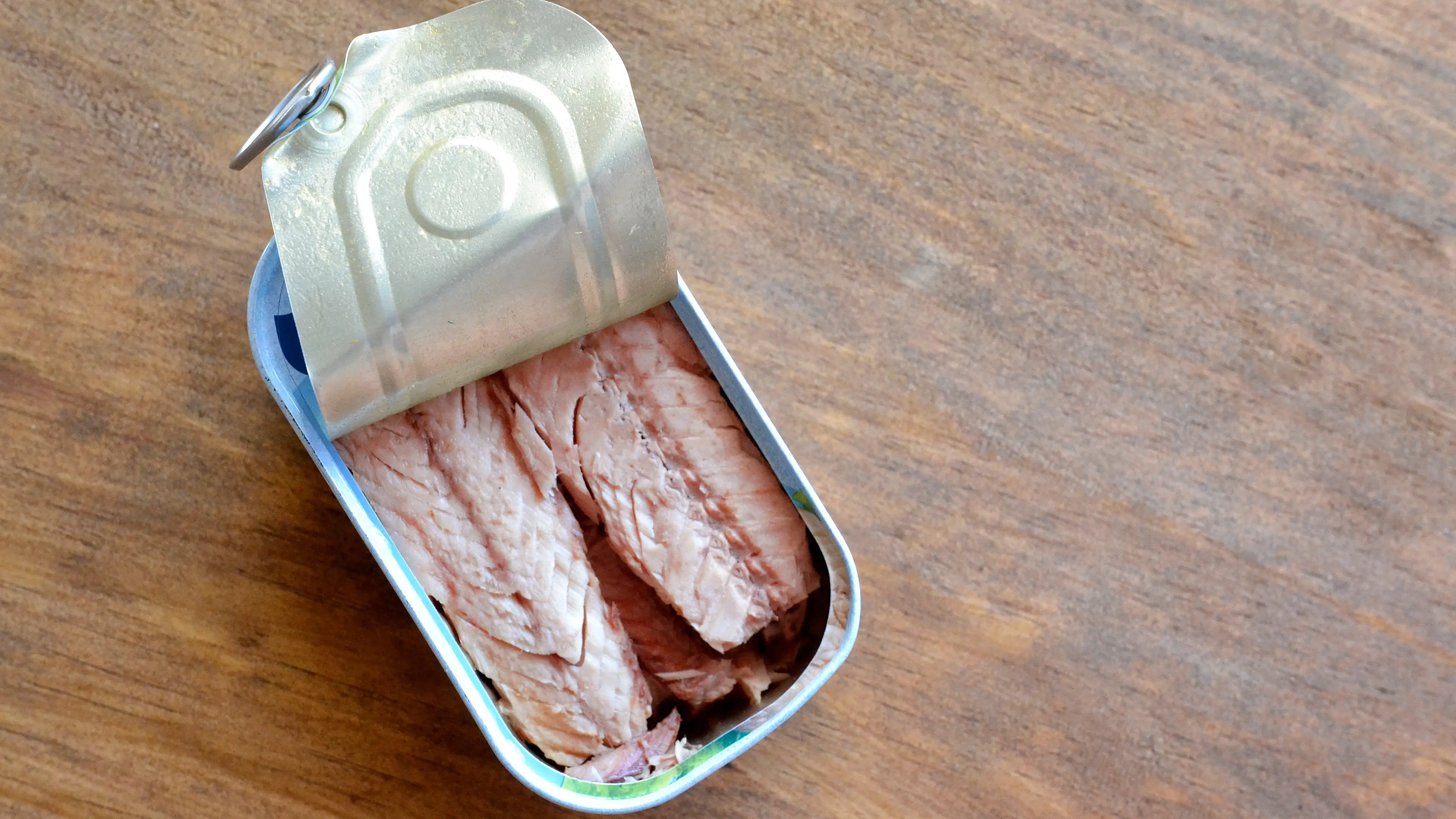
Why mackerel has become the UK's most controversial fish as it's banned by supermarket

Mackerel is a seriously hot topic right now, what with Waitrose having announced plans to haul the fresh, frozen, and tinned fish from its supermarkets.
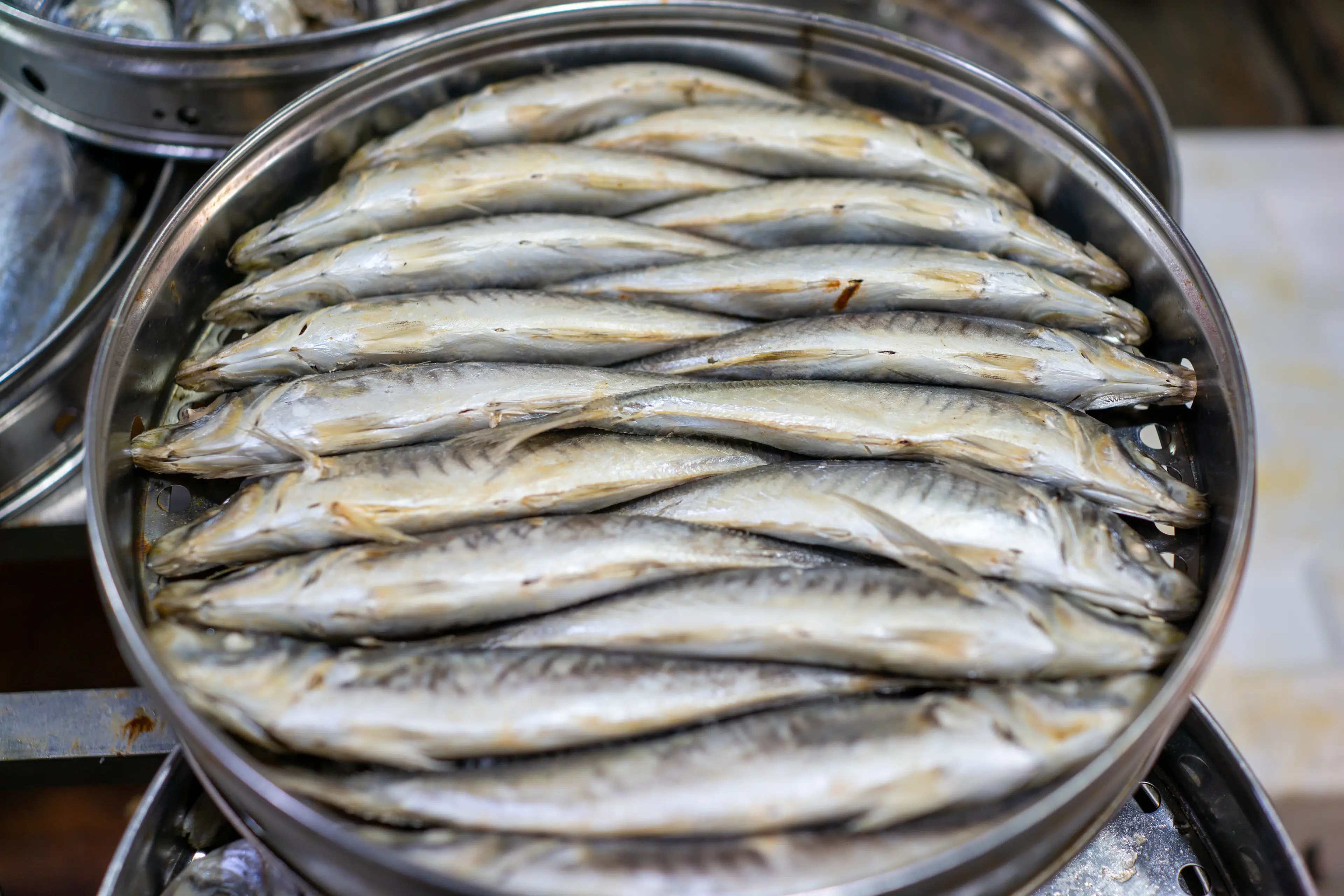
In 2024, UK vessels fished more than 230,000 tonnes of mackerel from the North East Atlantic, making it the most caught fish in British waters.
The sheer volume of critters being caught is much greater than the current breeding levels, meaning the oily fish is in crisis.
In recent years, mackerel has apparently been overfished due to a lack of international quota agreements, as per the International Council for the Exploration of the Sea (ICES).
Advert
It’s understood that as a result, stock is diminishing—and fast.
Waitrose has heeded warnings and announced that, from May, North East Atlantic mackerel would no longer meet the supermarket's own responsible sourcing requirements.
Jake Pickering, head of agriculture, aquaculture and fisheries at Waitrose, reasoned that this reinforces the company’s ‘ethical and sustainable business commitments’.
“Acting to tackle overfishing and protect the long-term health of our oceans and this crucial fish,” the expert reasoned.
As the mackerel is phased out from Waitrose, new, responsibly sourced alternatives will be brought in.
Waitrose, owned by John Lewis Partnership, reasoned that these Marine Stewardship Council (MSC) certified items would help to ‘make a stand against overfishing and support long-term health and sustainability of fish stocks’.
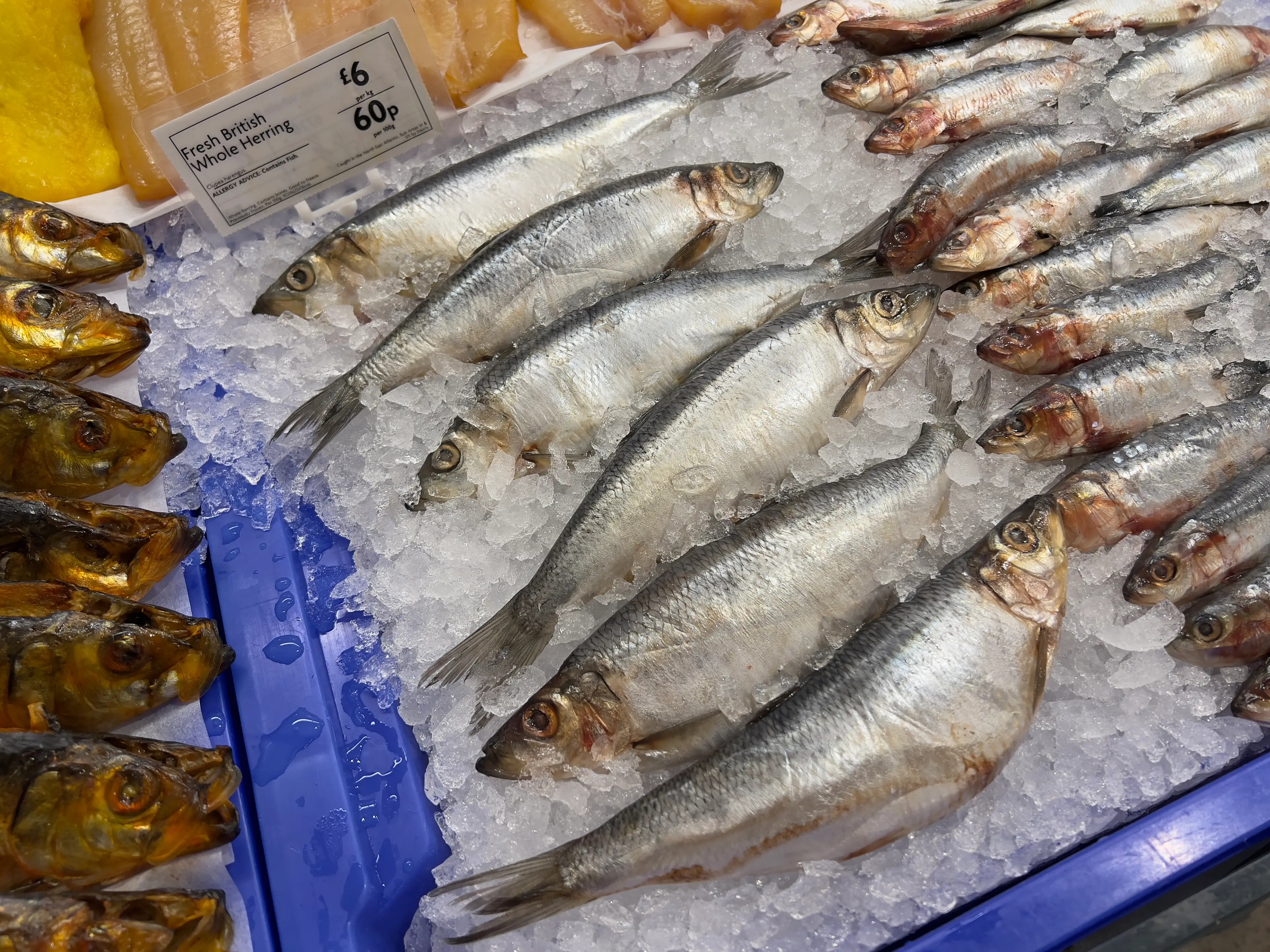
The offerings will include hot-smoked herring, hot-smoked sweetcure seabass, hot-smoked trout, and frozen sardines.

“Responsible fishing is not a standalone issue for us - it sits within our wider Ethics and Sustainability commitments, including our net zero ambitions, zero deforestation goals, biodiversity protection and our work to set science based targets for nature,” said Marija Rompani, Director of Ethics & Sustainability at the John Lewis Partnership.
“We believe sustainable food production must balance climate action, nature protection and responsible fish sourcing is fundamental to protecting our oceans. We will continue to work closely with suppliers and industry partners to support the recovery and responsible management of fish stocks.”
The move comes just months after the ICES recommended that North-east Atlantic mackerel catches should be cut by around 70 percent to help rebuild stock to a sustainable level.
In December, the UK, Norway, the Faroe Islands and Iceland all agreed to cut mackerel catches by 48 percent.
If you’re disheartened by the news that your go-to fish is being unsustainably fished, then the Marine Conservation Society’s Good Fish Guide has some alternatives.
The charity says the next-best-thing after the controversial North East Atlantic mackerel is tinned herring, sardine and horse mackerel.
“Tinned fish is automatically more sustainable because there is less waste,” said fisherman and restaurateur Mitch Tonks, who is based in south Devon.
He warned The Times that the ‘quality and price will vary depending on how the fish is caught’ though.
Herring is considered an extra source of lean protein, with experts at WebMD confirming that a single 3-ounce serving usually contains a jaw-dropping 20 grams of protein.
Health benefits of the fatty fish include improved heart health, support for essential body functions, and anaemia prevention.
Sardines are packed with omega-3 fatty acids and vitamin D, helping to boost brain, heart, and bone health.
Meanwhile, horse mackerel, another oily fish, supports the immune system and is considered a type of high-quality protein.
 Ella Scott