Scientists make bread using yeast found in guts of 5300-year-old mummy

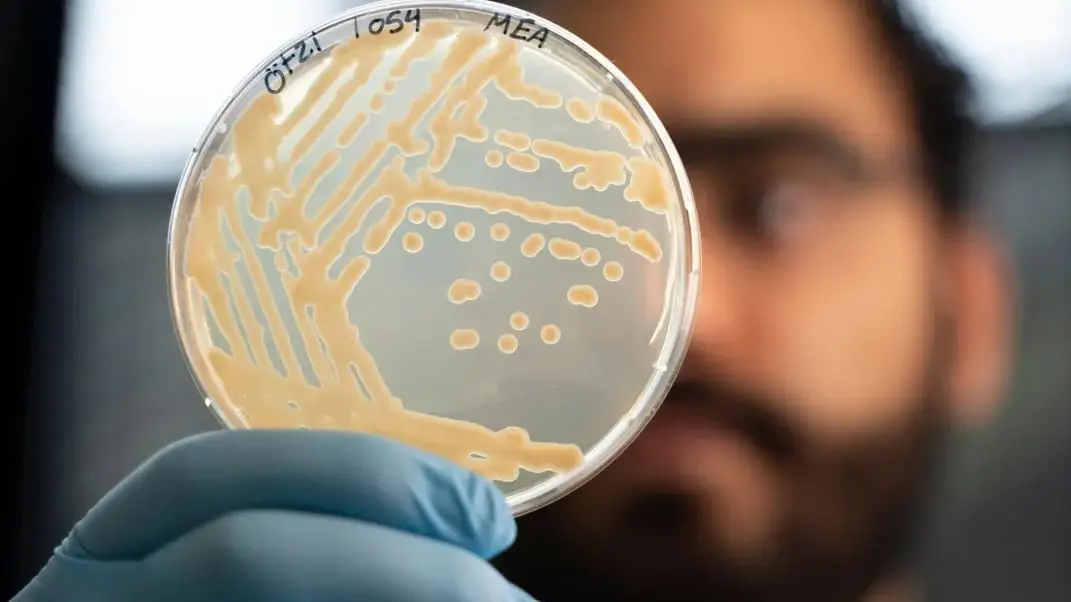
Researchers have mastered the ability to make sourdough bread using yeast collected from the inside of a natural mummy of a man thought to have lived between 3350 and 3105 BC.
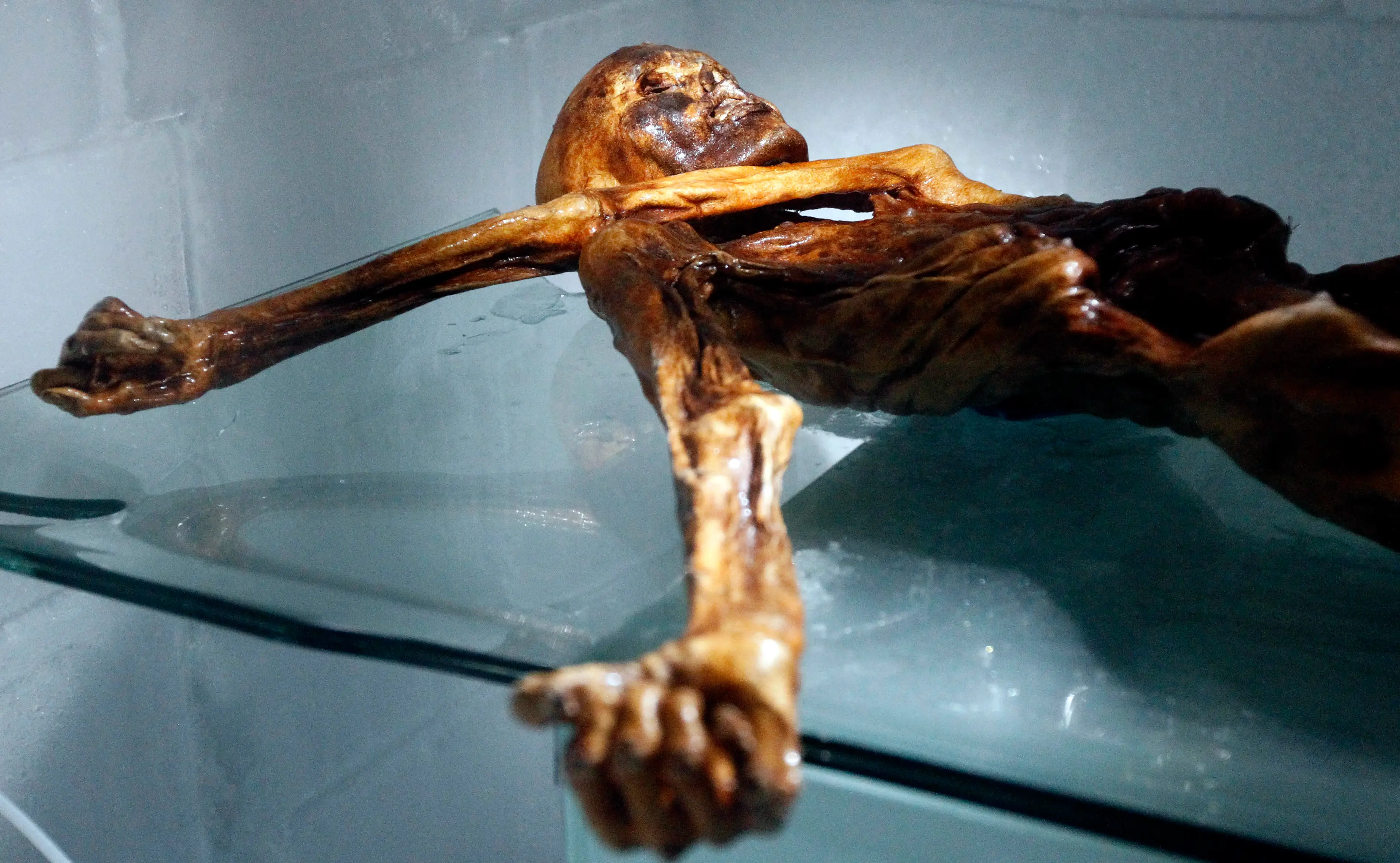
Ötzi the Iceman, understood to be Europe’s oldest known natural human mummy, was discovered in September 1991 in the Ötztal Alps at the border of Austria and Italy by two German hikers.
Over the years, the Chalcolithic European man, who is currently on display at the South Tyrol Museum of Archaeology in Bolzano, Italy, has been meticulously studied by scientists, with the latest research published in the Microbiome journal.
On Wednesday (3 June), a paper titled ‘The Iceman’s microbiome: unveiling millennia of microbial diversity and continuity’ detailed how experts from the Eurac Research institute in Bolzano had found yeast in the 5300-year-old mummy’s guts.
Advert
"His body hosts living, metabolically capable organisms that are actively responding to their environment,” Mohamed Sarhan, lead author of the study, told Reuters.
"The cold-adapted yeasts are growing. Certain bacteria have colonised and persisted across his tissues for decades.
“The mummy is, in a very real sense, a living biological interface — a meeting point between the ancient world and the present, where microbes from 5,000 years ago coexist with organisms that arrived last decade.”
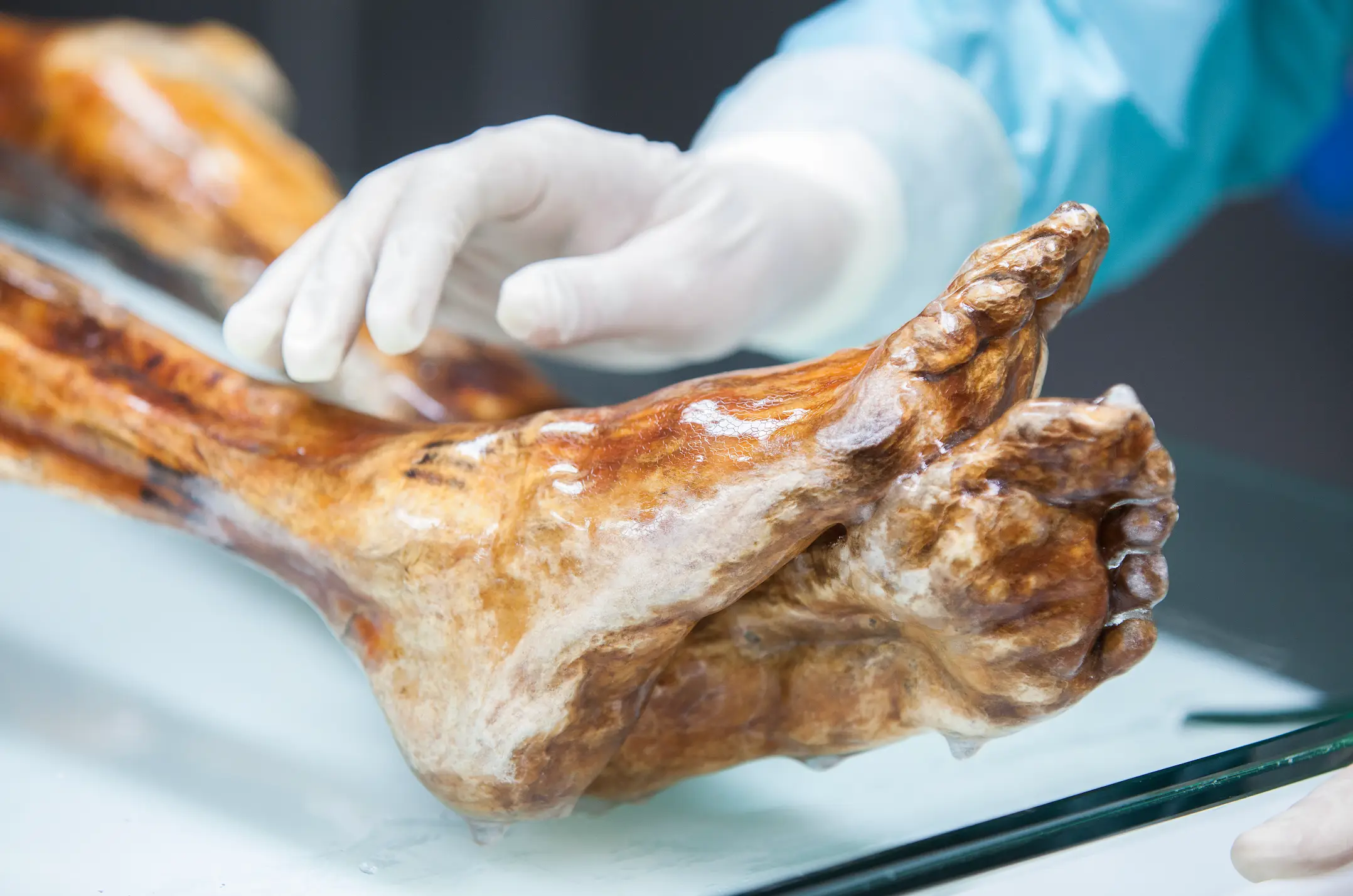
Various swabs were taken from Ötzi’s back, front and tissue, as well as from his ‘body water’, the soil around him, and from ‘spray water’, as per the test.
Published results suggested that four different types of yeast were found.
It’s understood that living microorganisms, found in the natural alpine glacier mummy’s guts, skin, and in the ‘brownish’ water that melted off his body when he was partially unfrozen, can survive sub-zero temperatures.
Experts claimed the yeasts had ‘accompanied Ötzi on his long journey through the millennia’ and entered his body soon after his death.
Sarhan and his team elected to reproduced the gut yeast in a fridge and opted to try and make a sourdough loaf out of it.
Dr Vanessa Kimbell, a professional baker, bread science expert and Zoe contributor, defined sourdough as a bread made with ‘naturally occurring community of symbiotic live cultures and wild yeast, given the time to naturally ferment the dough’.
As a result, a bread where ‘the flour has had time to genuinely transform through fermentation’ is produced.
“That transformation includes the action of the flour’s own enzymes, naturally present in whole,” she wrote.
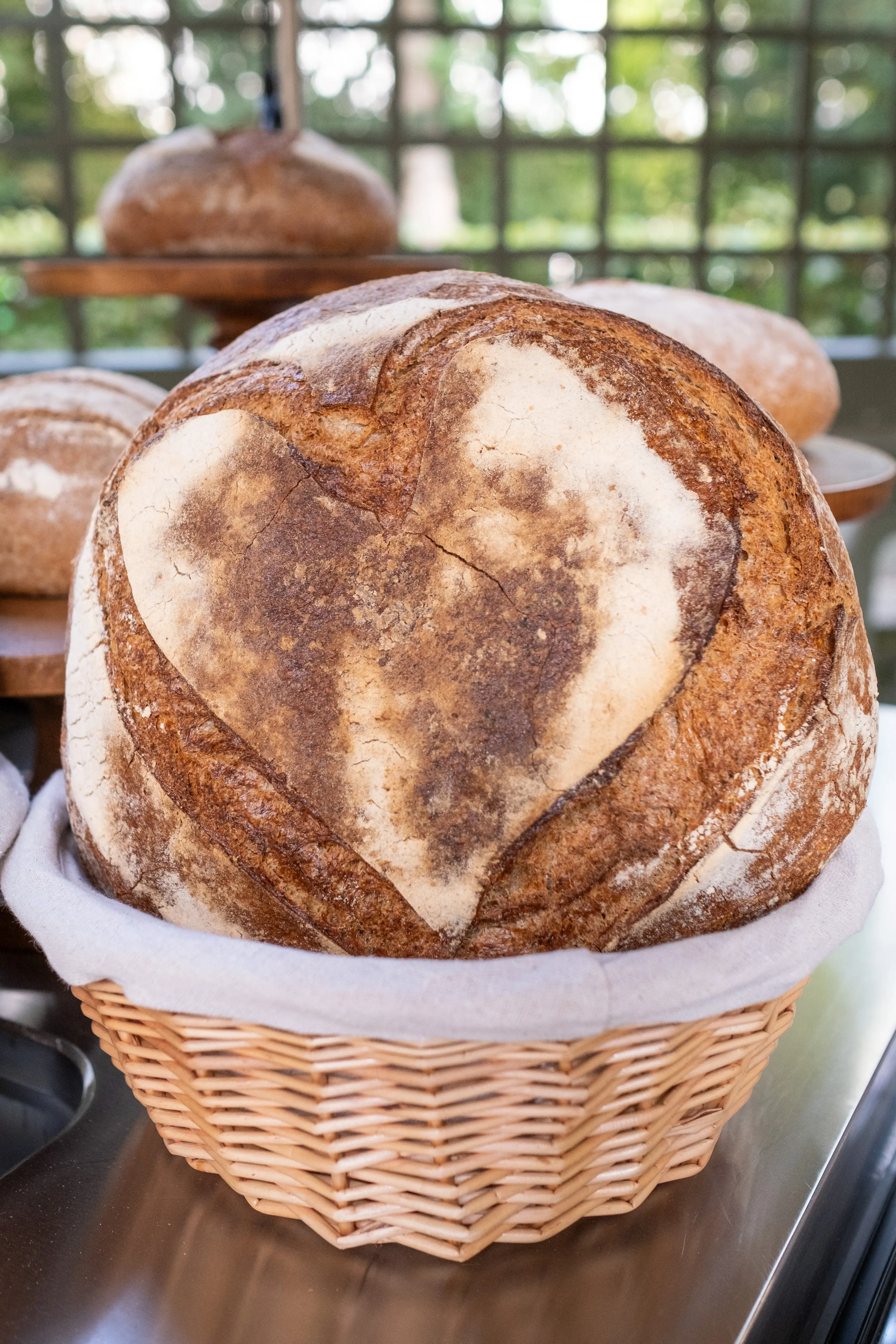
Sarhan, a microbiologist, claimed it took three months to perfect the 'Ötzi bread loaf', with the yeast eventually creating ‘a very, very good sourdough’.
CBS News reported that the team were asked if they would use the yeast to create beer in the future.
In reply, the expert said: “It's on the list.”
As well as helping researchers bake bread, the study allowed them to create a ‘rare baseline for Copper Age intestinal ecosystems’.
Despite the recent breakthroughs, experts wrote that ‘disentangling the mummy’s endogenous microbiome from modern environmental contaminants introduced during three decades of conservation remains a significant challenge’.
Topics: News
 Ella Scott