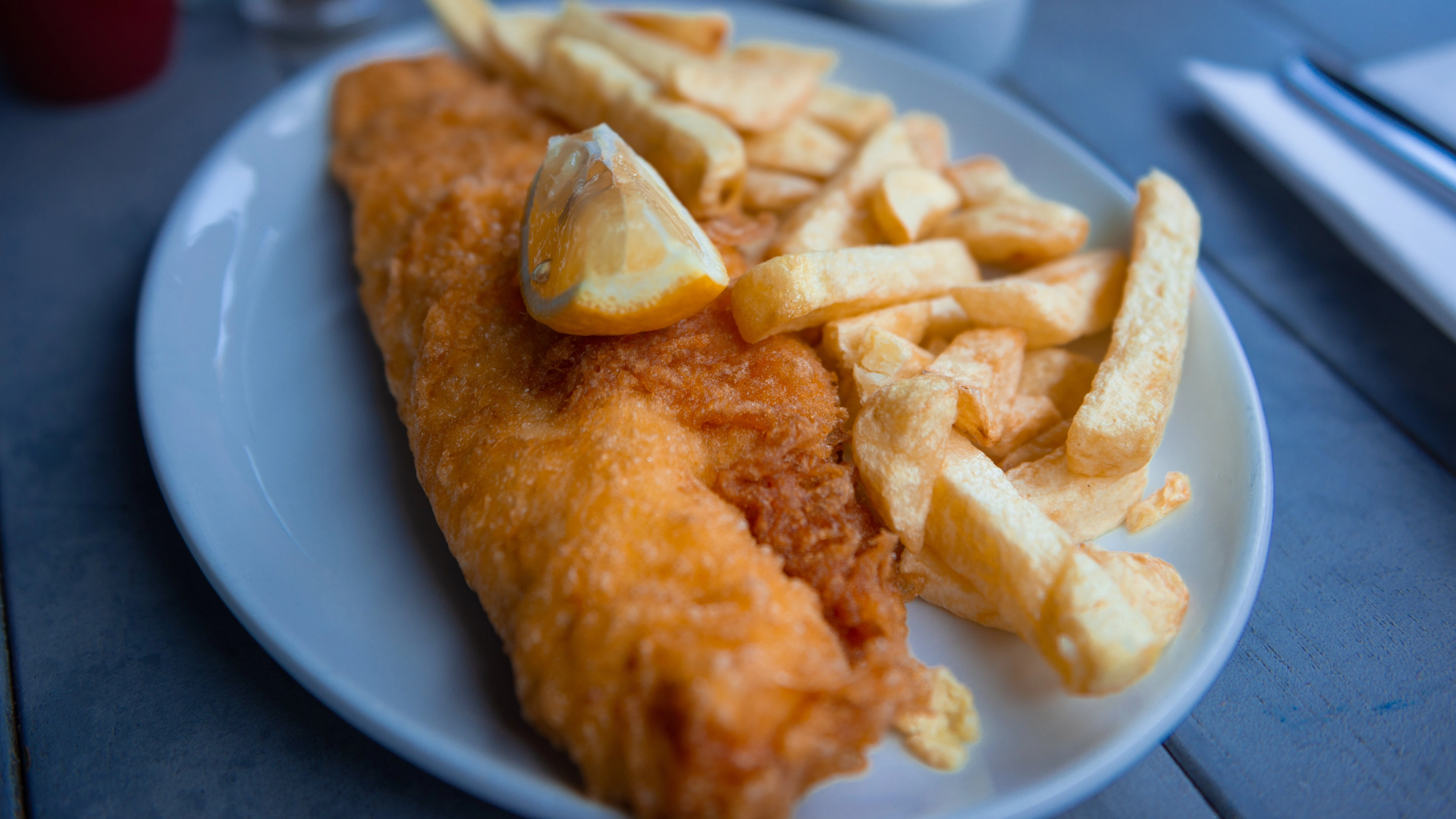
Price of fish supper has almost doubled since 2020

Anyone loyal to their local takeaway may have noticed portions of fish and chips have suddenly become more expensive in recent years - and experts have suggested a slew of reasons why.
The Office for National Statistics (ONS) has published new data suggesting that the price of a fish supper has increased in price by almost £1 each year since 2020.
At the time, a portion of fish and chips from your go-to chippy was likely to cost £6.65.
In 2021, it rose by nine percent. Fast forward to March 2026, and you will now have to fork out £11.17 for the same portion, as per the supplied data.
Advert
ITV reported that rising energy costs and soaring prices for popular fish, such as cod and haddock, are just two factors driving the uptick in takeaway costs.
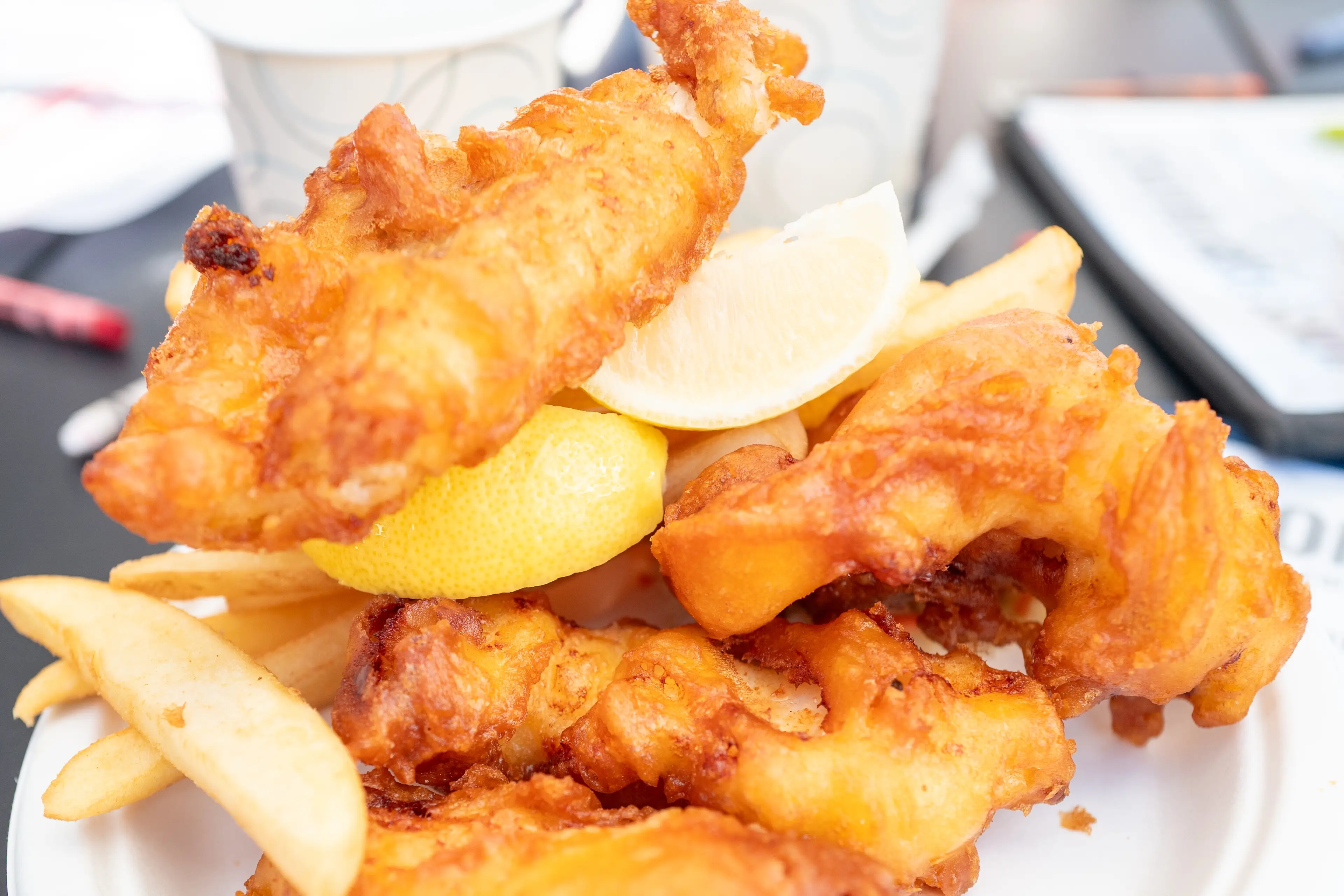
The National Federation of Fish Friers (NFFF) has said that cod price increases were due to ‘the reduction in the cod quota in the Barents Sea from 1m tonnes in 2019 to 285k tonnes this year, a 16 percent reduction compared to 2025’.
“Sanctions on Russian fish also play a part in the increased price," a spokesperson said.
And it isn’t just customers who are feeling the pinch.
According to the NFFF, the ‘majority’ of fish and chip shops in Britain have taken a major hit in footfall and the number of times locals are visiting per month.
Meanwhile, Rhys McLoughlin, co-owner of Môr Ffres in Dinas Cross, Pembrokeshire, told the BBC that national minimum wage rises and the cost of oil and fuel can also be blamed.
"If these prices continue to go up, who's going to buy fish and chips for £21? Who can afford that?”
To improve price margins, Andrew Crook, NFFF president, suggested shops ‘keep a close eye on their portion sizes’ while exploring alternative fish species.
The idea of branching away from cod and haddock has been echoed by fish wholesaler Alan Richardson, who told ITV that it could be substituted for alternative white fish such as ling, which costs just £13 per kilogram and has a similar texture.
“Fish and chip shops cannot survive with cod and chips, so we have to look at alternatives,” he reasoned.
Earlier this month, an investigation revealed that some British institutions had switched to selling species of catfish known as pangasius or river cobbler.
However, customers were allegedly not informed that the protein they were purchasing was the Southeast Asian import, as per the BBC.
“It is very difficult for a member of the public that is not a trained fish biologist to identify one fillet from another,” said Professor Stefano Mariani of Liverpool John Moores University.
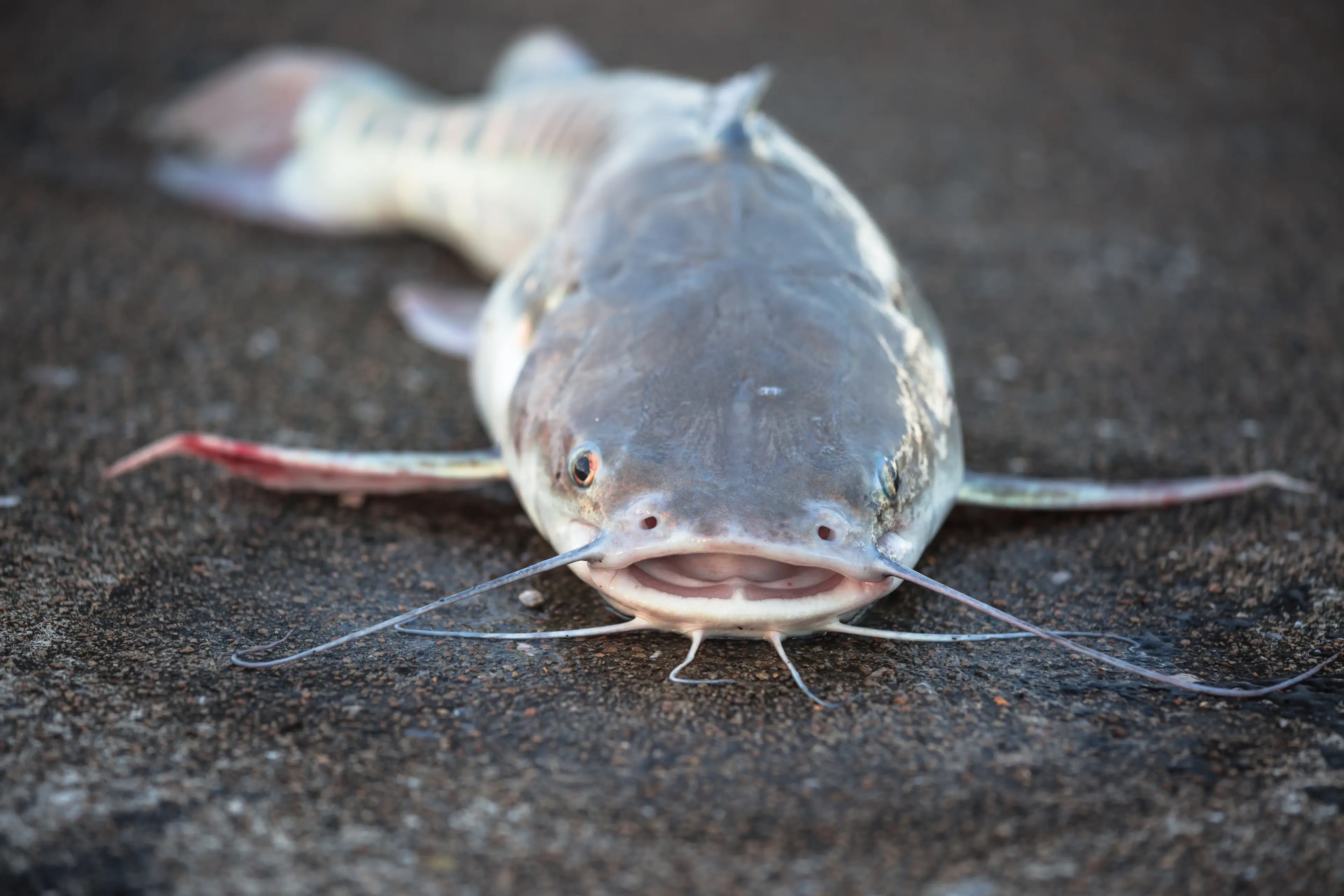
Following the study, Crook claimed that there was ‘nothing wrong’ with eating catfish when it comes to your health.
“When you go and get fish and chips most people expect a marine species, so cod, haddock or plaice.
"I think if you've got something that's farmed, like pangasius, as long as it's advertised as such, that's fine.
"It's when it's being sold at a cod price that's a problem and shops need to be careful about doing that."
He added that chip shops should be listing the species on their menus.
"As an industry, we've got to have the trust of the general public.”
 Ella Scott