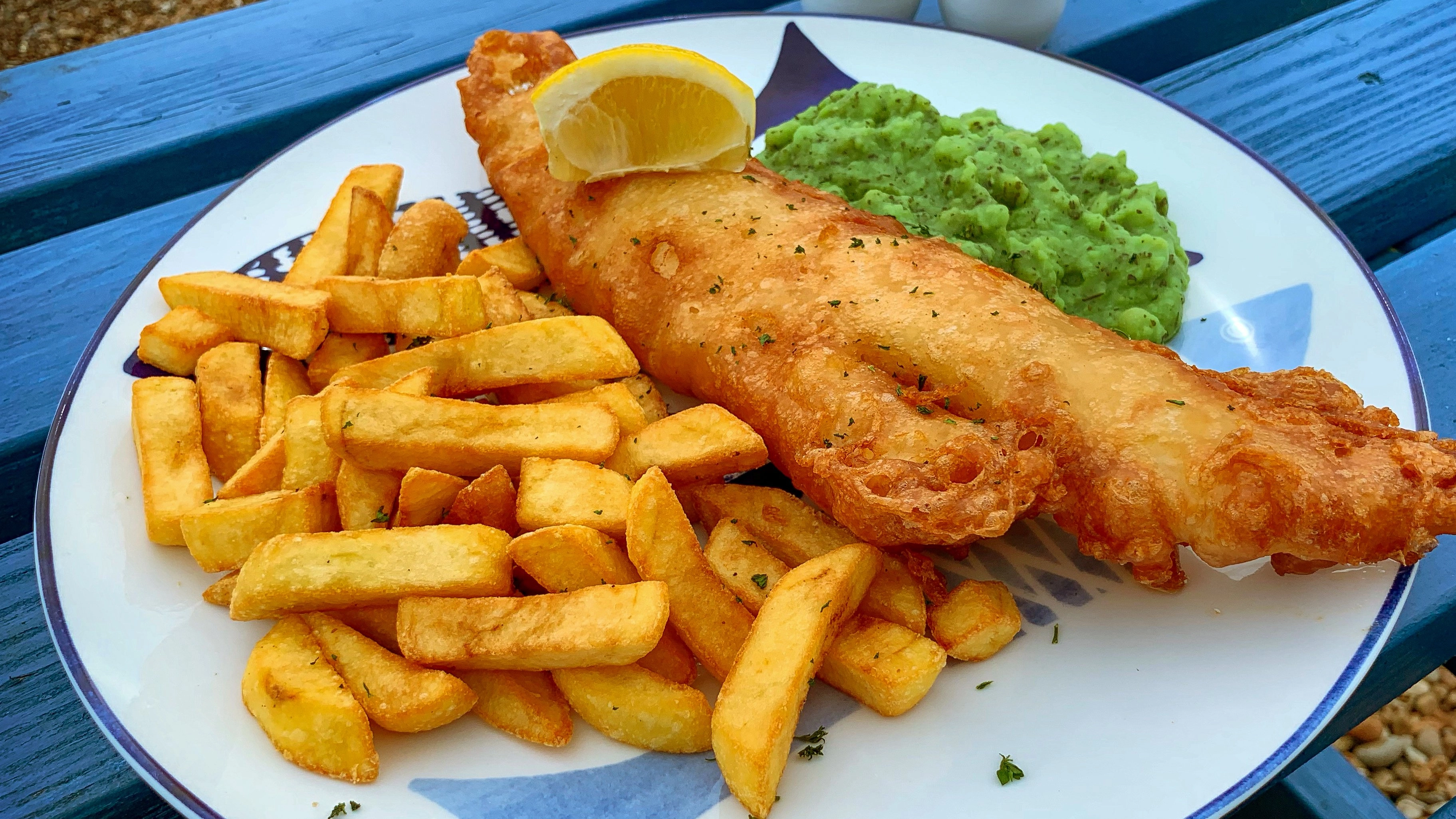
Brits are being warned to 'completely avoid' UK cod

The Marine Conservation Society (MCS) has issued a devastating warning after handing British-caught cod the worst sustainability rating possible.
Cod populations have been in steady decline since 2015, with overfishing, rising sea temperatures, and a myriad of ecosystem pressures being considered primary concerns.
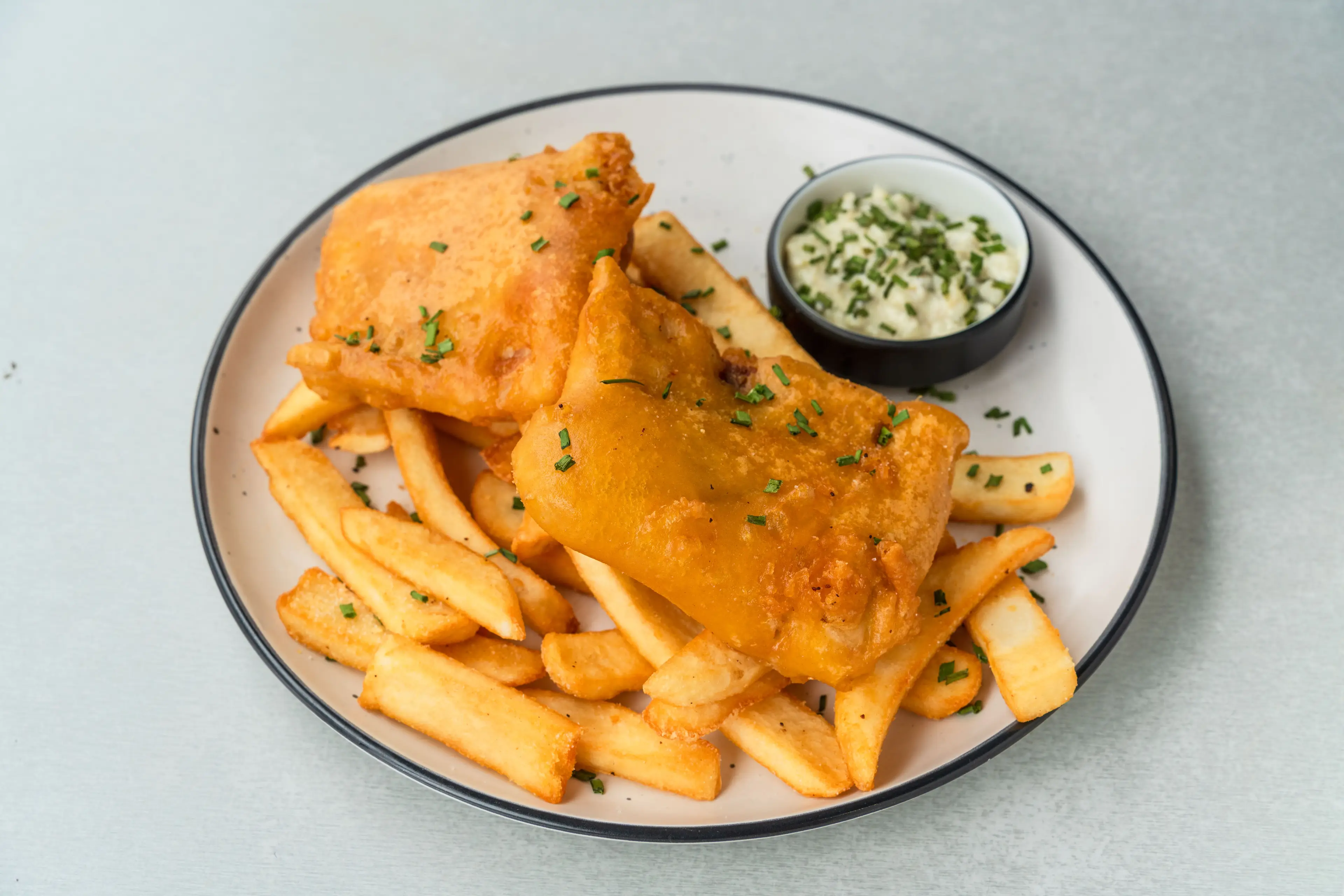
Despite this, cod remains the most popular white fish in the UK and a firm Friday night fish and chip shop treat, according to The Fish Society,
But the tide may be changing as on Thursday (April 9), the MCS officially downgraded all cod caught in UK waters, warning that fans should 'completely avoid' the diet staple.
Advert
The ocean protection charity claimed that the population was now at a ‘dangerously low level’ and that worryingly, there were no plans in place to help stocks recover.
As per the MSC’s Good Fish Guide, only wild Atlantic cod caught via hook and line and net in certified Icelandic waters has been given the green light.
Regarding the downgrade, Kerry Lyne, Good Fish Guide manager, said that she hoped it would be a catalyst for the UK government to address concerns and allow ‘stocks to recover’.
Chris Graham, head of sustainable seafood at the MCS said: “It’s deeply concerning seeing so many of our iconic fisheries – from cod to mackerel – under increasing pressure.”
Instead of choosing the UK-caught fish, consumers are advised to eat Pacific cod, Alaska pollock, Coley, European hake, Haddock, and Whiting.
UK-farmed seafood, such as blue mussels and freshwater trout, is also MSC-approved.
The recommendation to abstain from cod comes amid the International Council for the Exploration of the Sea advising that no cod should be fished in British waters for a year to allow the species to recover.
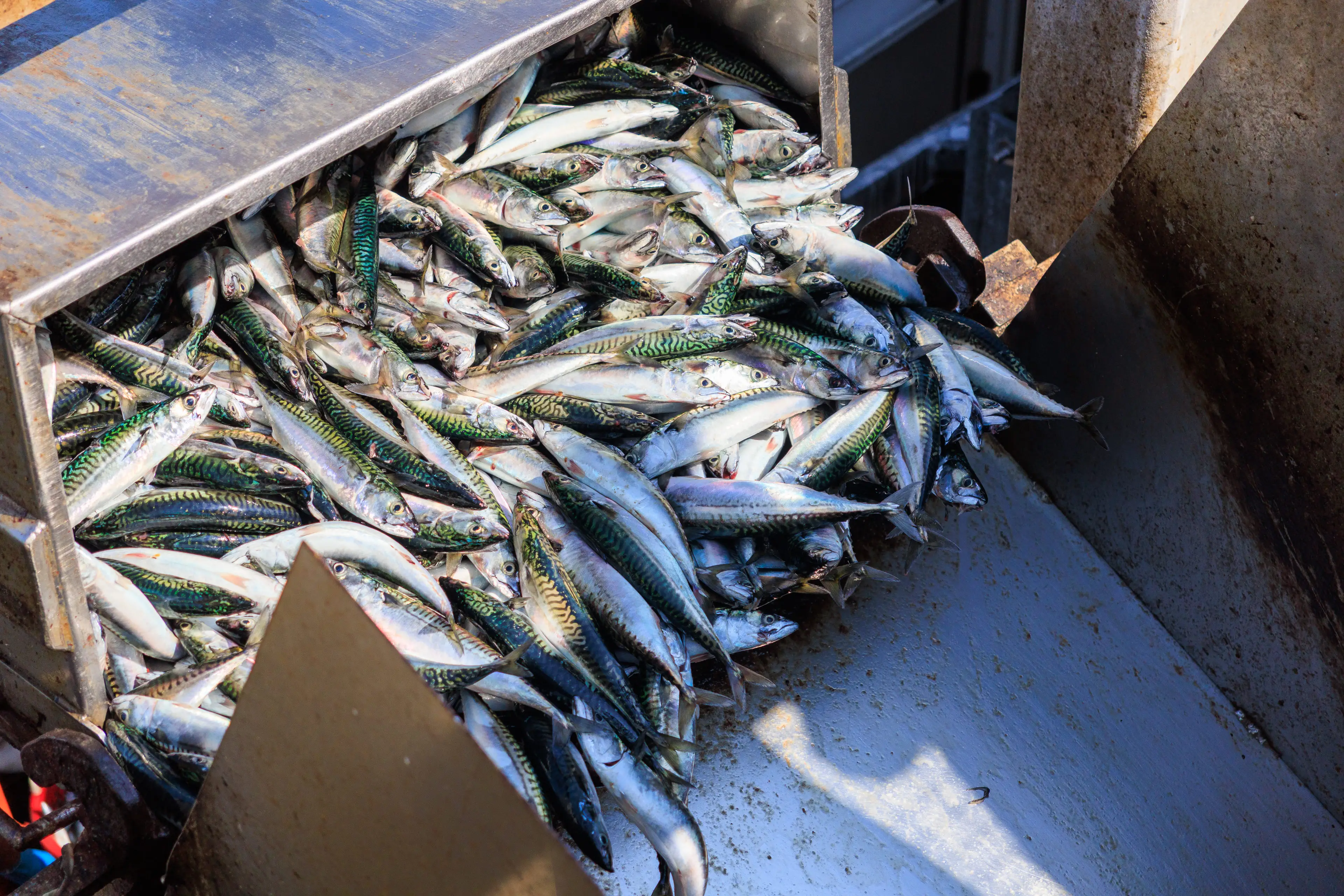
The cod warnings come just months after Waitrose announced it would be suspending sales of mackerel in all forms by 29 April.
Jake Pickering, head of agriculture, aquaculture and fisheries at Waitrose, said that the decision to pull mackerel from shelves would help make a serious stand against overfishing while supporting the long-term health and sustainability of fish stocks.
“Our customers trust us to source responsibly, and we are closely monitoring the fishery. We look forward to bringing mackerel back to our shelves once it meets our high sourcing standards,” he explained.
Marija Rompani, the director of ethics and sustainability at the John Lewis Partnership, which owns Waitrose, added: “Sustainable food production must balance climate action; nature protection and responsible fish sourcing is fundamental to protecting our oceans.”
As the supermarket mackerel cull comes into effect, items such as hot-smoked peppered herring, hot-smoked sweetcure seabass, and hot-smoked trout with dill and lemon have been launched.
In late February, Waitrose announced it would introduce frozen sardines as a certified sustainable replacement for frozen mackerel.
 Ella Scott