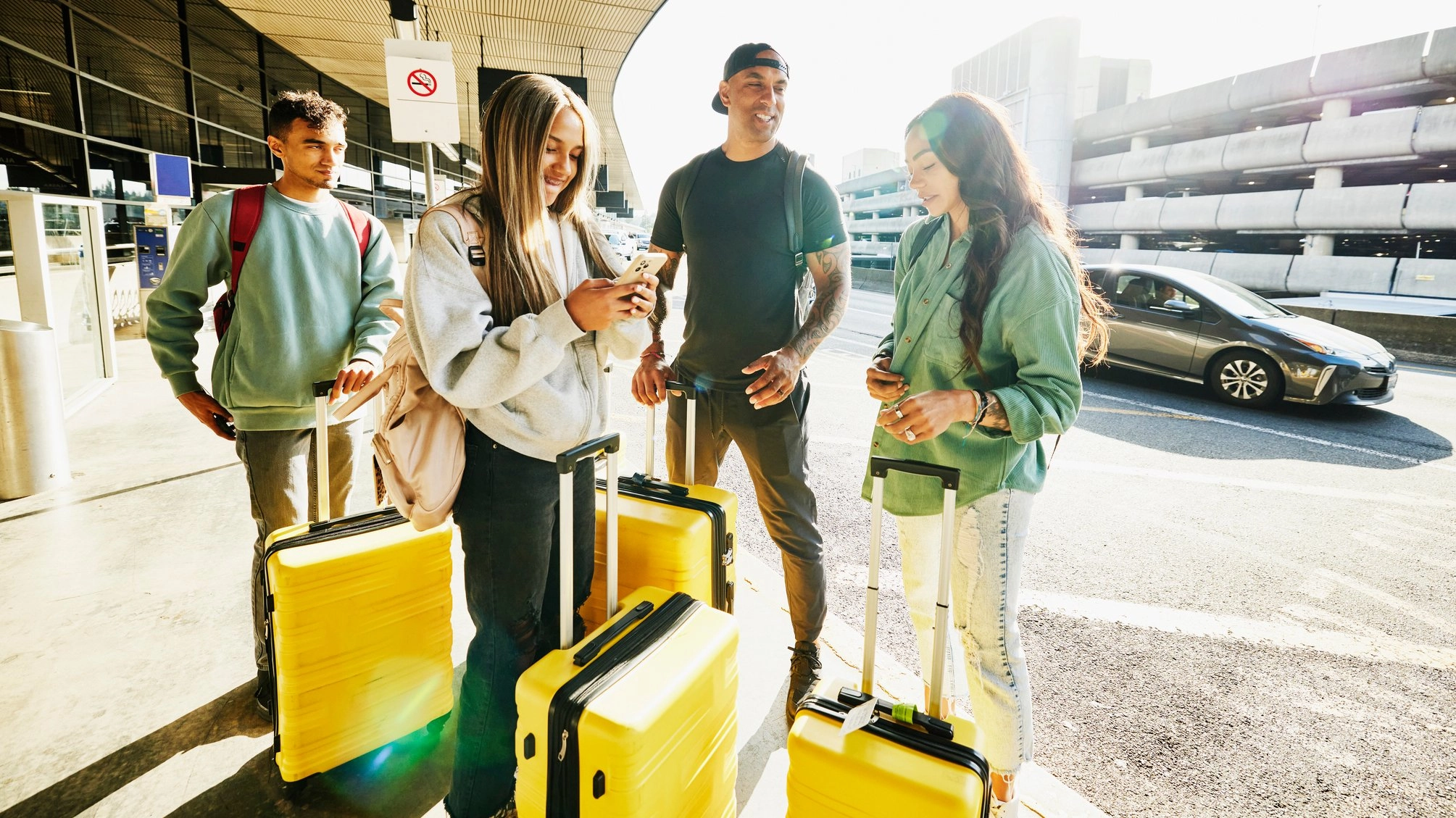
Brits facing £5,000 fine if they return from holiday with 2 banned foods

Travellers gearing up for their jolly summer holidays are being reminded of the dos and don’ts when it comes to carting home food-based souvenirs for their loved ones.
Anyone who doesn’t comply by the rules? Well, they could risk a serious four-figure fine and potential prosecution. So, it’s probably worth knowing now what you can and can’t bring back from abroad in your hand luggage.
Taking to Facebook to remind British holidaymakers of the rules, the Department for Environment, Food and Rural Affairs (DEFRA) stated: "Remember you cannot bring meat or dairy products into Great Britain from the EU.
"This includes items like cheese, cured meats and milk products.
Advert
“Our personal import rules are there to protect animals and the environment from serious disease outbreaks such as foot and mouth disease and African swine fever. Check the rules before you travel.”
Anyone who is heading through customs with prohibited items must surrender them at Border Force for officers to destroy.
Those who are caught trying to smuggle banned food products through English airports risk fines of up £5,000 and potential prosecution.
Officials have the authority to seize your goods if they believe you have: brought something into the country illegally; carried in too much of a restricted item; your product has been cross-contaminated.
Meat and dairy products that are banned - EU and other countries
According to the UK government, there are severe restrictions on meat and dairy products intended for human consumption from the EU, Switzerland, Norway, Iceland, Liechtenstein, the Faroe Islands and Greenland.
These are:
- Dairy: cheese, milk, butter and yoghurt
- Meat: pork, beef, lamb, mutton, goat, venison, sausages
Meat, dairy and animal items that are permitted for personal use include fish, poultry, products made from chicken, duck, or goose, eggs, honey, and more.
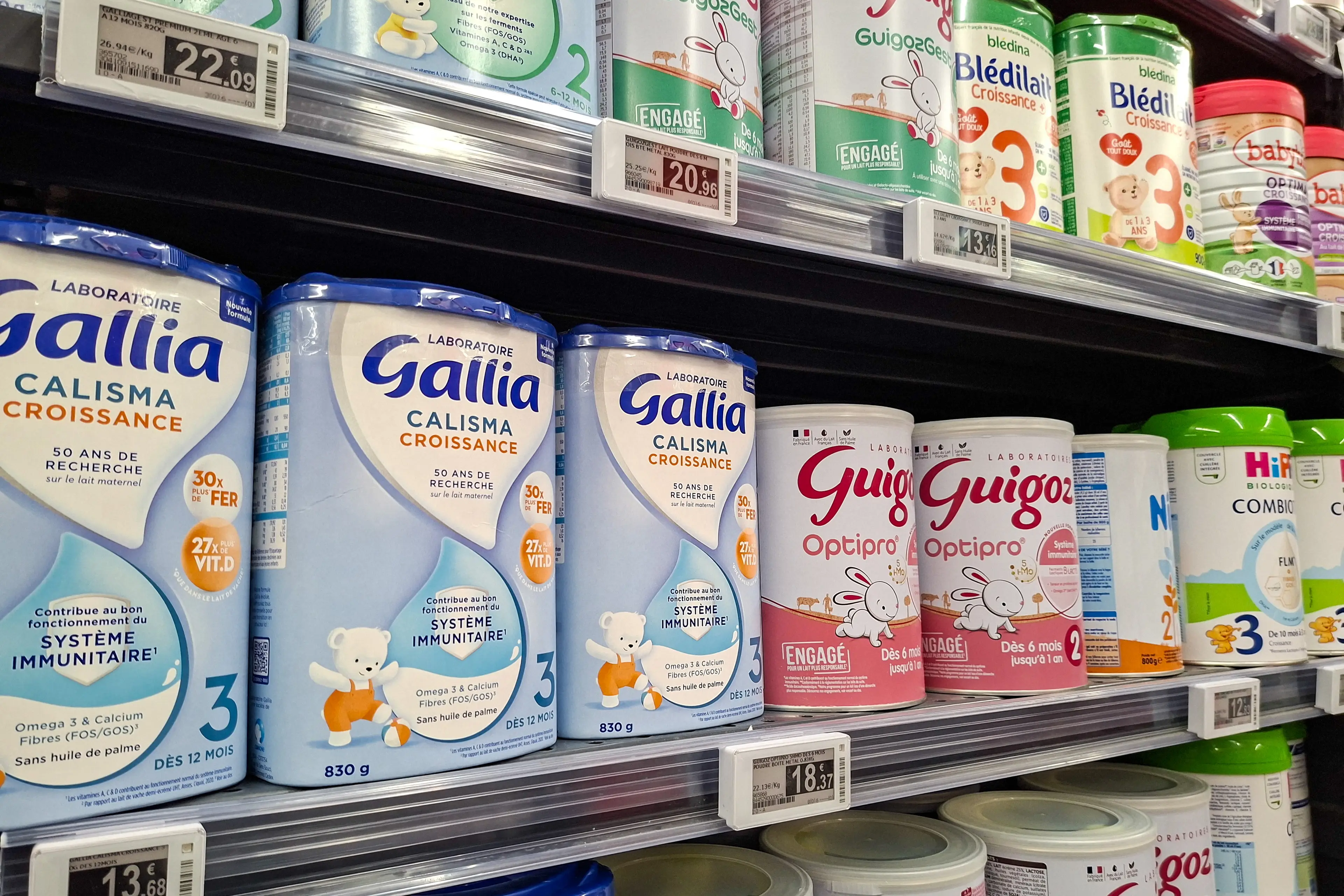
2kg per person of powdered baby milk, baby food, or specialist food required for medical purposes is permitted, as long as they do not exceed the maxiumum weight, require no refrigeration prior to use, and are in branded, uponed packaging.
Meat and dairy products that are banned - non-EU and other countries
Anyone who is bringing food from outside the EU, Switzerland, Norway, Iceland, Liechtenstein, the Faroe Islands and Greenland, is subjected to similar food laws.
Travellers cannot bring meat, meat products, milk, or milk-based products into the country, with the exception of powdered infant milk, infant food, and special food neeeded for medical reasons.
Interestingly, live mussels and oysters, snails, frogs legs, and insect protein is permitted up to weights of 2kg.
Meanwhile, 20kg fresh fish which has been gutted, fresh and processed fish products, lobsters, and prawns can all be transported.
Spanish booze crackdown explained
Anyone flying to Spanish party towns this summer should know that officials are clamping down on ‘bad’ tourist behaviour following serious anti-tourism demonstrations.
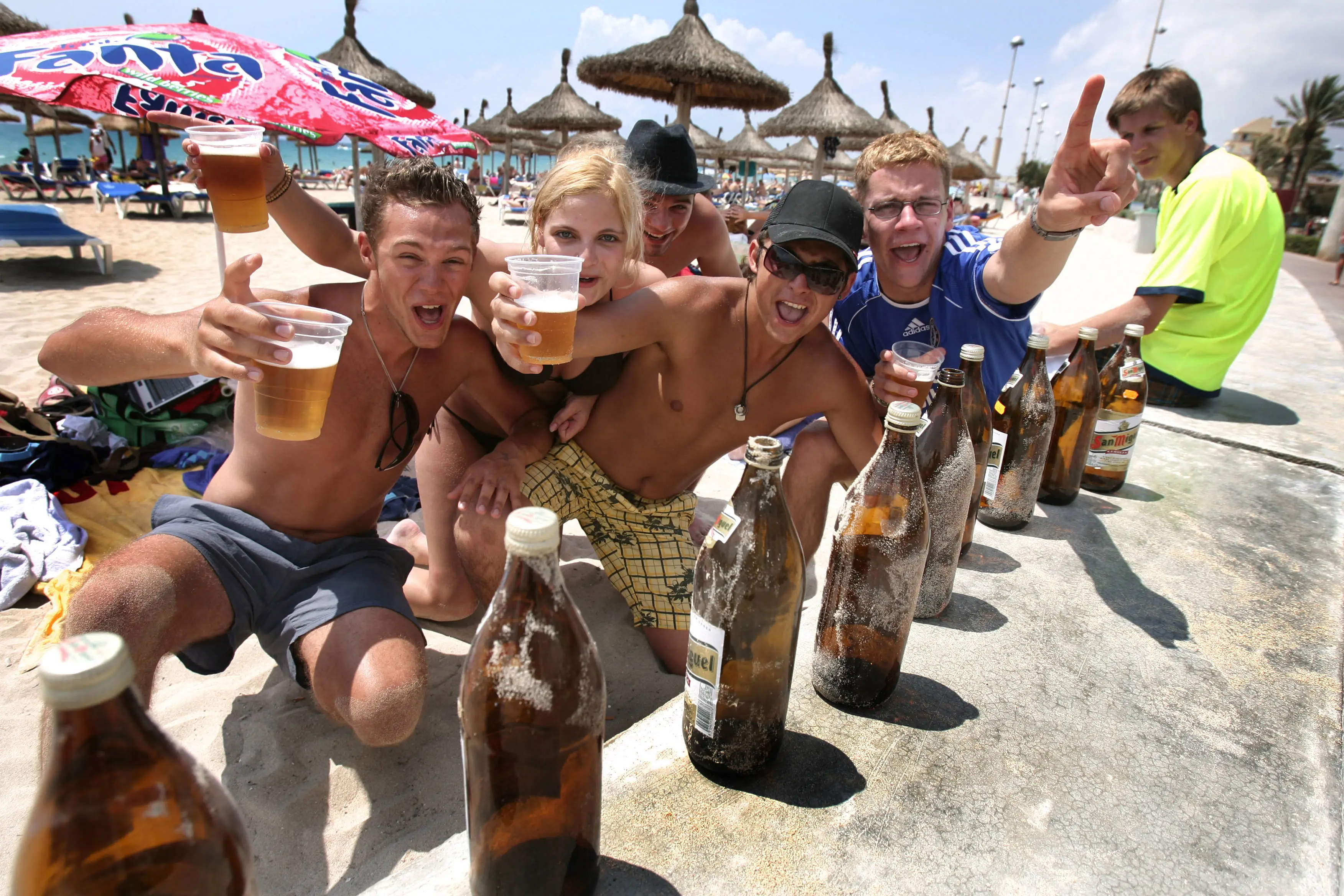
Under the 2024 Decree for Responsible Tourism Act, it is illegal to consume alcohol on the streets of Majorca, Ibiza, Menorca, and Formentera.
If you’re caught swigging alcohol from the bottle outside of an establishment in San Antoni de Portmany, your hotel, or your own home, then you could be handed a fine ranging between £431 (€500) and £2,589 (€3,000), as per The Mirror.
Anyone who takes part in ‘balconing’ - where people jump off a balcony into a body of water or hop between balconies - may also risk a £50,000 (€43,000) fee.
“In response to recent overtourism protests, the islands of Majorca and Ibiza have implemented Responsible Tourism rules following some understandable concern from local residents,” explained Simon Hood, executive director of international moving firm John Mason International Movers.
“These laws were first introduced in 2024, however, new amendments have recently been proposed that many Brits are unaware of.
“Be careful you’re not caught out taking alcoholic drinks onto the street and spilling them. Being overly loud and drawing attention to yourself will also land you in trouble quicker.”
Anyone heading to an all-inclusive resort in Magaluf, Playa de Palma or S’Arenal will also be limited to six drinks per person per day.
These will have to be consumed across the day: three being at lunch, and three during your evening meal.
“These rules may seem strict, but they’re trying to promote harmony between local residents who want to go about their lives and tourists enjoying their holidays. If I can provide one piece of advice, it’s have fun,” the expert added.
 Ella Scott