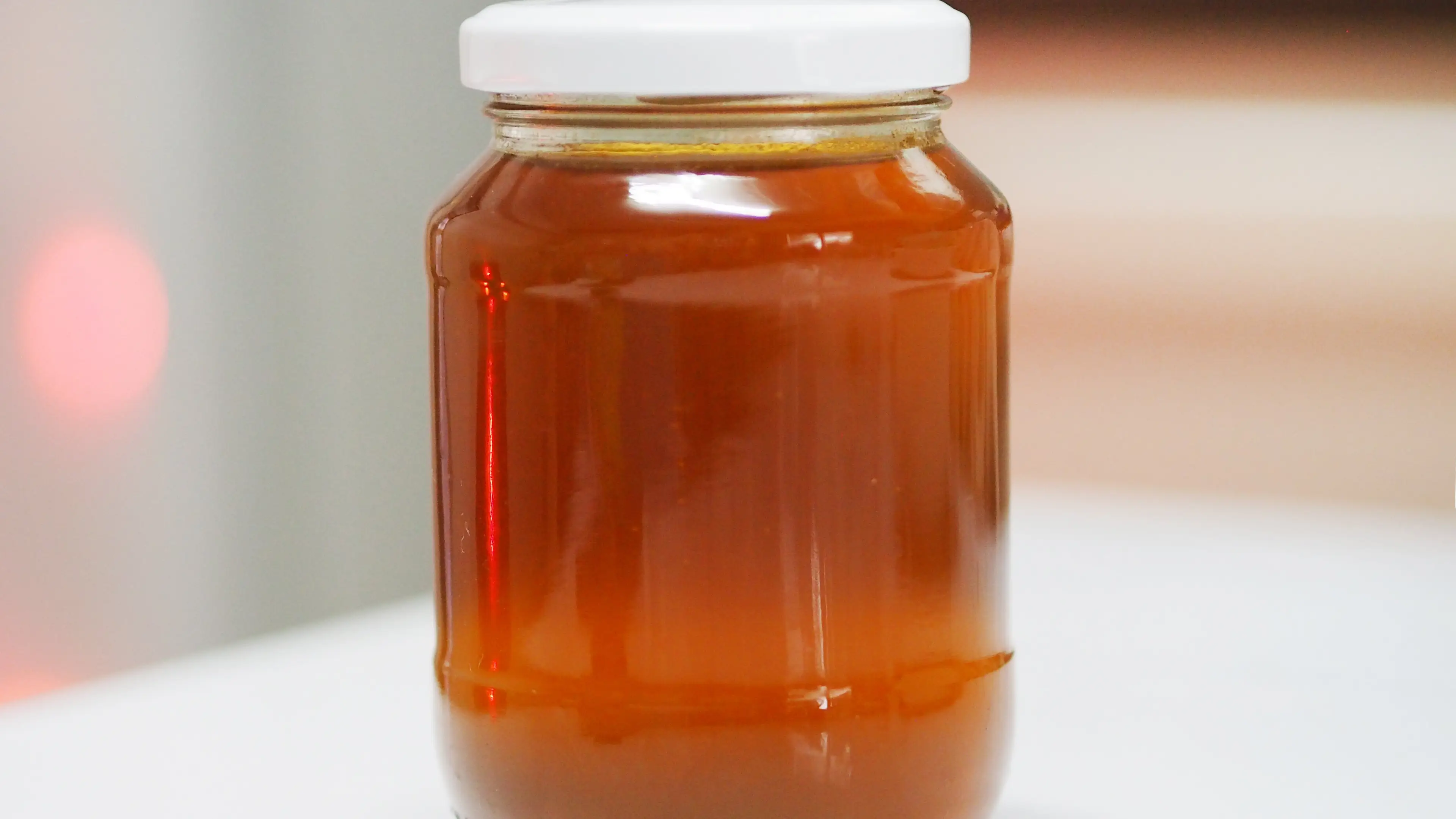
Gross truth behind supermarket honey as experts warn of little-known 'scandal'

While die-hard honey connoisseurs may be able to sniff out a good bottle from a bad one, more casual users may not realise that their breakfast favourite may not be all that it is cracked up to be.
According to David Wagstaff, commercial beekeeper and founder of More Bees Please, most pots sold in supermarkets aren’t exactly made of 100 percent honey.
In an interview with Sky News’ Money blog, the expert claimed that condiments on the cheaper side are often labelled to contain a blend of EU and non-EU honeys.
"Many tests suggest this kind of honey may be diluted with cheap sugar syrups (like corn or rice syrup) or misrepresented as pure honey," he alleged.
Advert
He continued: “A £3 supermarket jar labelled as 'honey' is legally allowed to be sold, but it's often very different from what most people imagine as real, natural honey.
“A £3 jar is typically priced that way because it is produced at massive scale, sourced globally and processed for consistency - not because it is raw, local or single-source.”
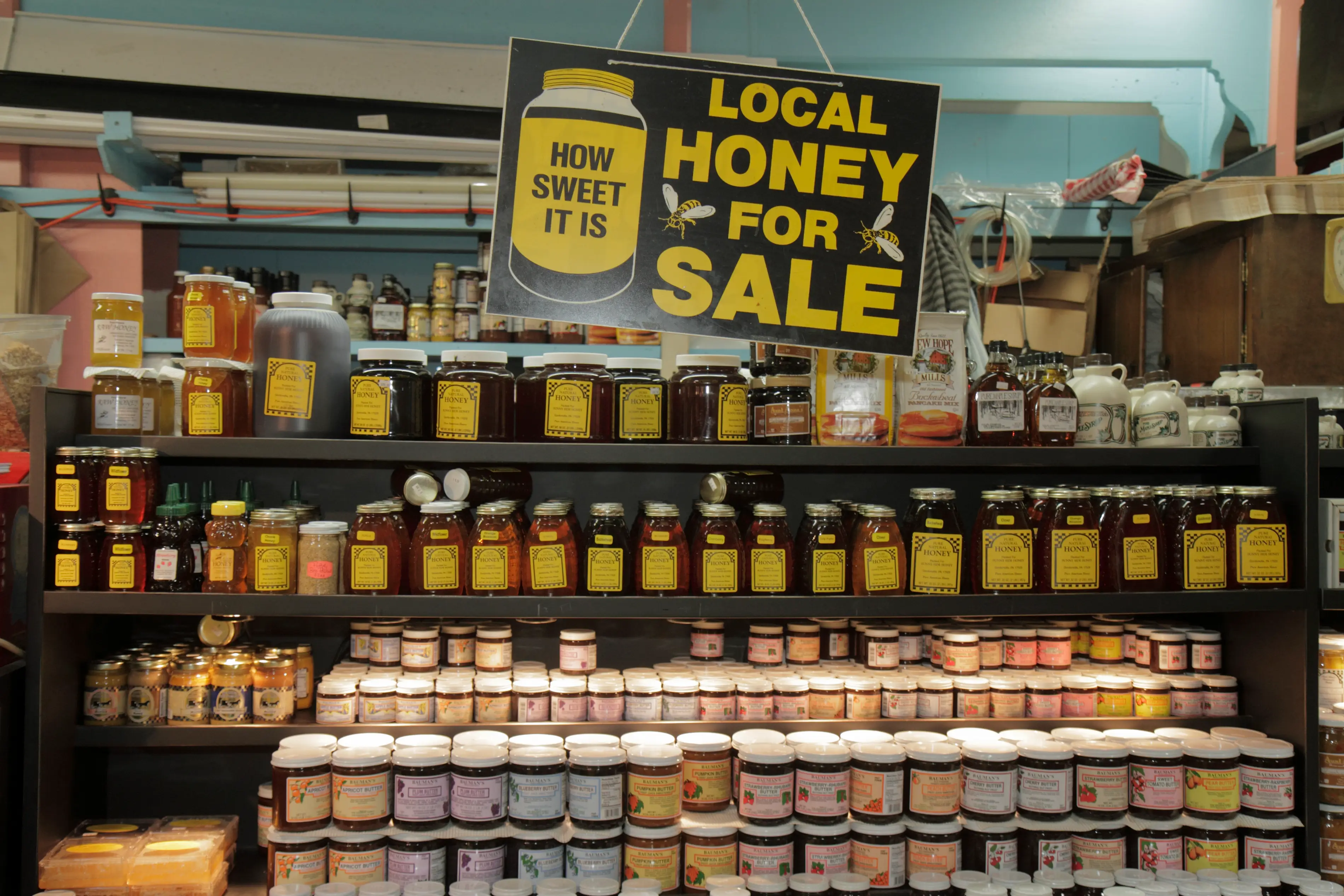
This isn’t the first time that this so-called honey ‘scandal’ has been mentioned.
In November 2024, The Guardian published the results of an investigation undertaken buy the Honey Authenticity Network (HAN UK).
The group, which aims to ‘advance awareness of honey adulteration in the interests of the public, beekeepers and the environment’, tested 25 jars of honey from big retailers, including supermarkets.
They discovered that 24 of the 24 jars were considered ‘suspicious’ as they failed pioneering authenticity tests.
“The market is being flooded by cheap, imported adulterated honey and it is undermining the business of genuine honey producers. The public are being misinformed, because they are buying what they think is genuine honey,” said Lynne Ingram, a Somerset beekeeper and the chair of HAN UK.
This solidified a 2023 European Commission investigation, which found 46 percent of all products sampled were fraudulent. This included all 10 honey samples from the UK.
As per the publication, The British Honey Importers and Packers Association (BHIPA) said that the ‘vast majority’ of UK-sold honey was of a very high standard.
What to look out for for when buying honey
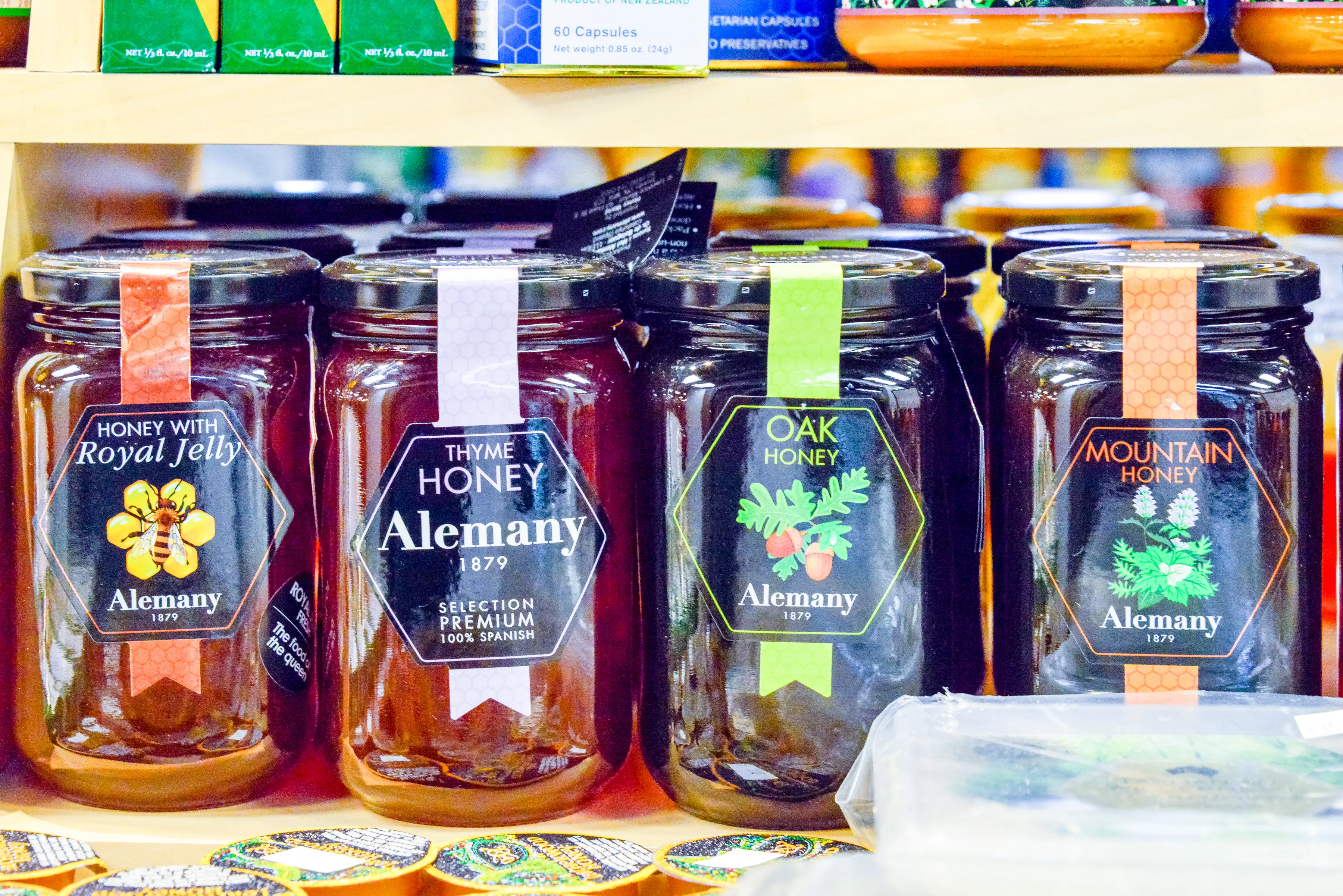
To avoid being potentially scammed, Dr Gino Jabbar, chairman of the Honey Guild of the United Kingdom, told Sky News that you should get invested in your cupboard staple’s label.
First, check if the honey is from a single country or if it’s a budget-friendly blend.
According to Dr Jabbar, single-origin sweet stuff is more expensive, but is less likely to be adulterated.
He warned that a solid price tag doesn’t necessarily mean that the honey is genuine.
“The higher the cost, the less likely the product is affected by global honey fraud,” he reasoned.
According to Matt Zirkle, an American beekeeper, you should be keeping an eye out for ‘unpasteriused’ jars.
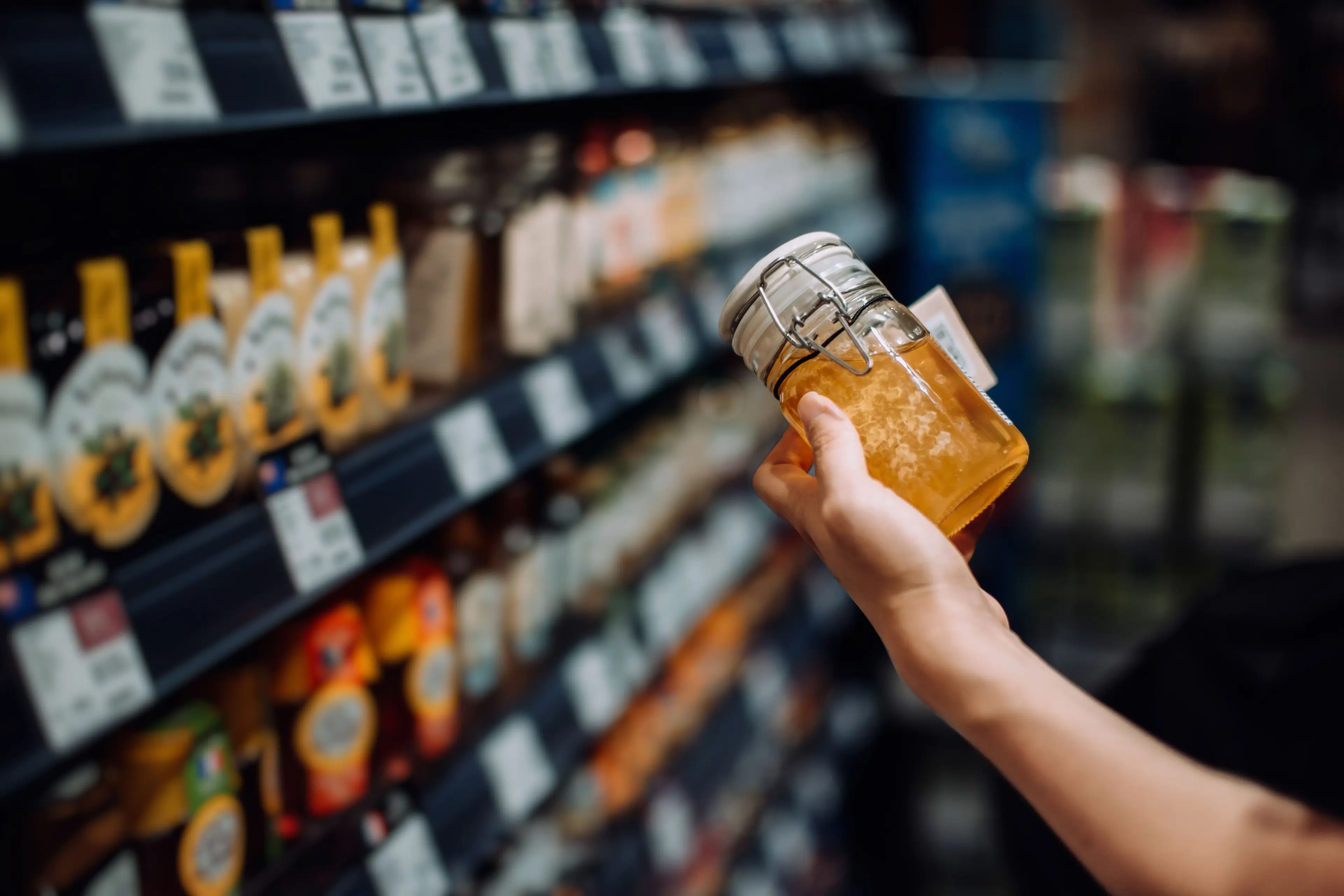
“Enzymes in honey are of benefit to humans. The bees are responsible for adding the enzymes — they add them in the process of turning collected plant nectar into honey,” he explained to Tasting Table.
“If you consume pasteurised honey, you don't get any of the enzymes. During pasteurisation, all the enzymes in the honey have been killed. If you buy raw honey, the enzymes in the honey should be intact."
For more information and where to buy the best honey, check out The British Beekeepers Association’s handy map here.
 Ella Scott