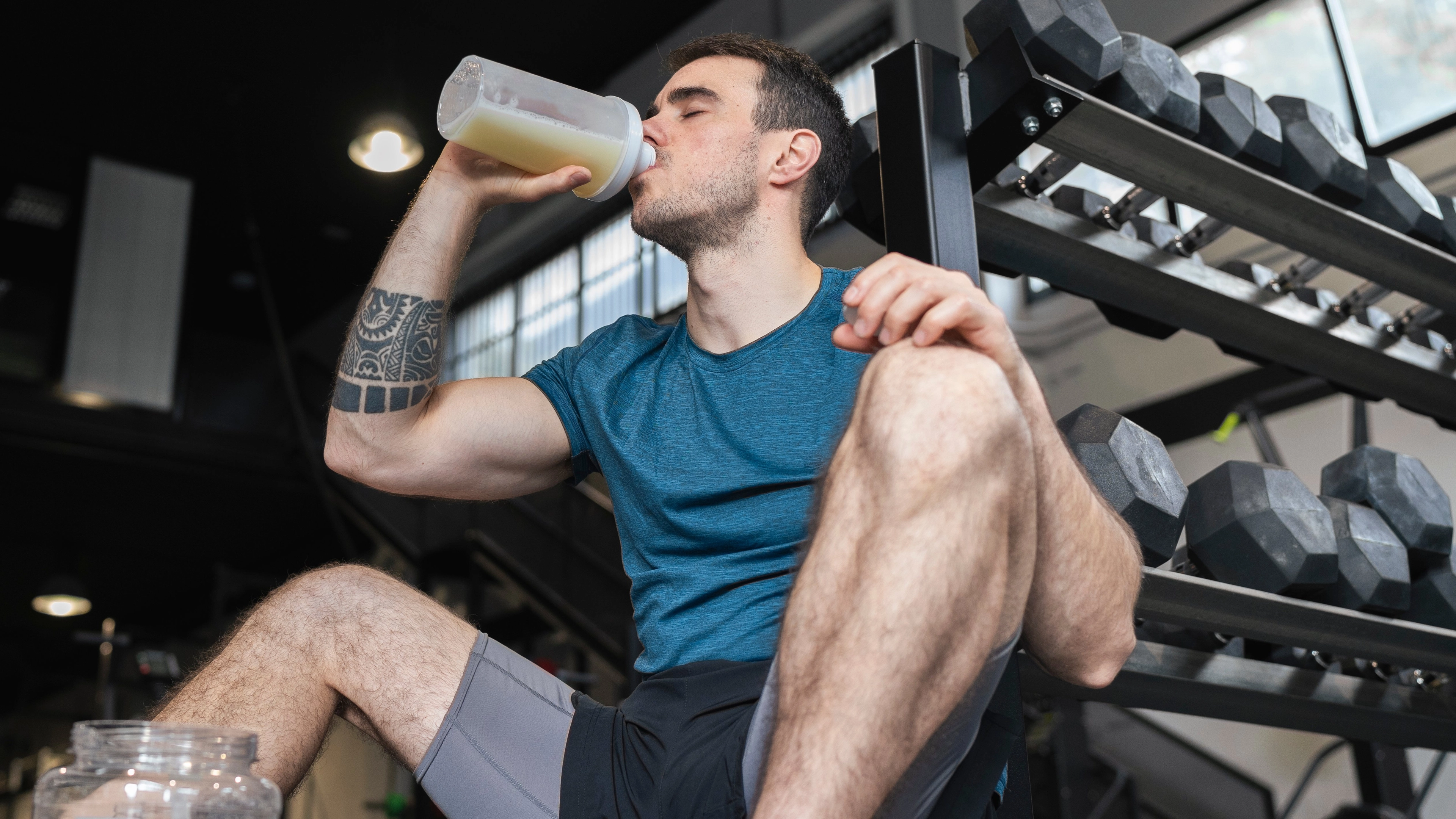
Warning to anyone who takes pre-workout as doctor shares little-known risk

If you’ve made staying consistent in the gym and keeping on top of your health a priority in 2026, then you may have already come across pre-workout supplements.
The dietary products usually come in powder, pill or drink form. They are designed to be taken 30 to 60 minutes before exercise to ‘boost your energy levels and increase your performance’, as per PureGym.
“Pre-workout supplements can help give you the energy and focus to get through a tough session, especially if you’re training early in the morning or after a long day,” sports nutritionist Rob Hobson told Men’s Health.
Because pre-workout is such a broad term, there isn’t a one-size-fits-all ingredient list, but most contain caffeine, added sugar or a sugar substitute, and branched-chain amino acids (BCAAs).
Advert

Unfortunately, caffeine, especially in powdered form, can have serious side effects.
Not only may you suffer from nausea, diarrhoea, and anxiety, as per the Food Standards Agency (FSA), but consuming caffeine powder could lead to a dangerous overdose.
Spreading the warning is Dr Sermed Mezher, a UK-based general practitioner (GP) known for sharing educational health content via social media.
In a recent YouTube Shorts video, the expert warned that while it is ‘very hard’ to get too much caffeine from coffee, powdered forms are a ‘whole other animal’.
According to the FSA, adults can usually consume around 400mg per day before experiencing any adverse effects.
That’s about the amount in four to five brewed cups of the good stuff.
“To get that much caffeine from coffee, even if you were taking double espressos, you’re looking at about eight cups to reach over a gram,” Dr Mezher reasoned.
“But if you’re looking at powdered forms, it’s simply just a few scoops.”
When you overdose on caffeine, you may experience tremors, heart palpitations, delirium, and chest pains, as per the University of Utah Health.
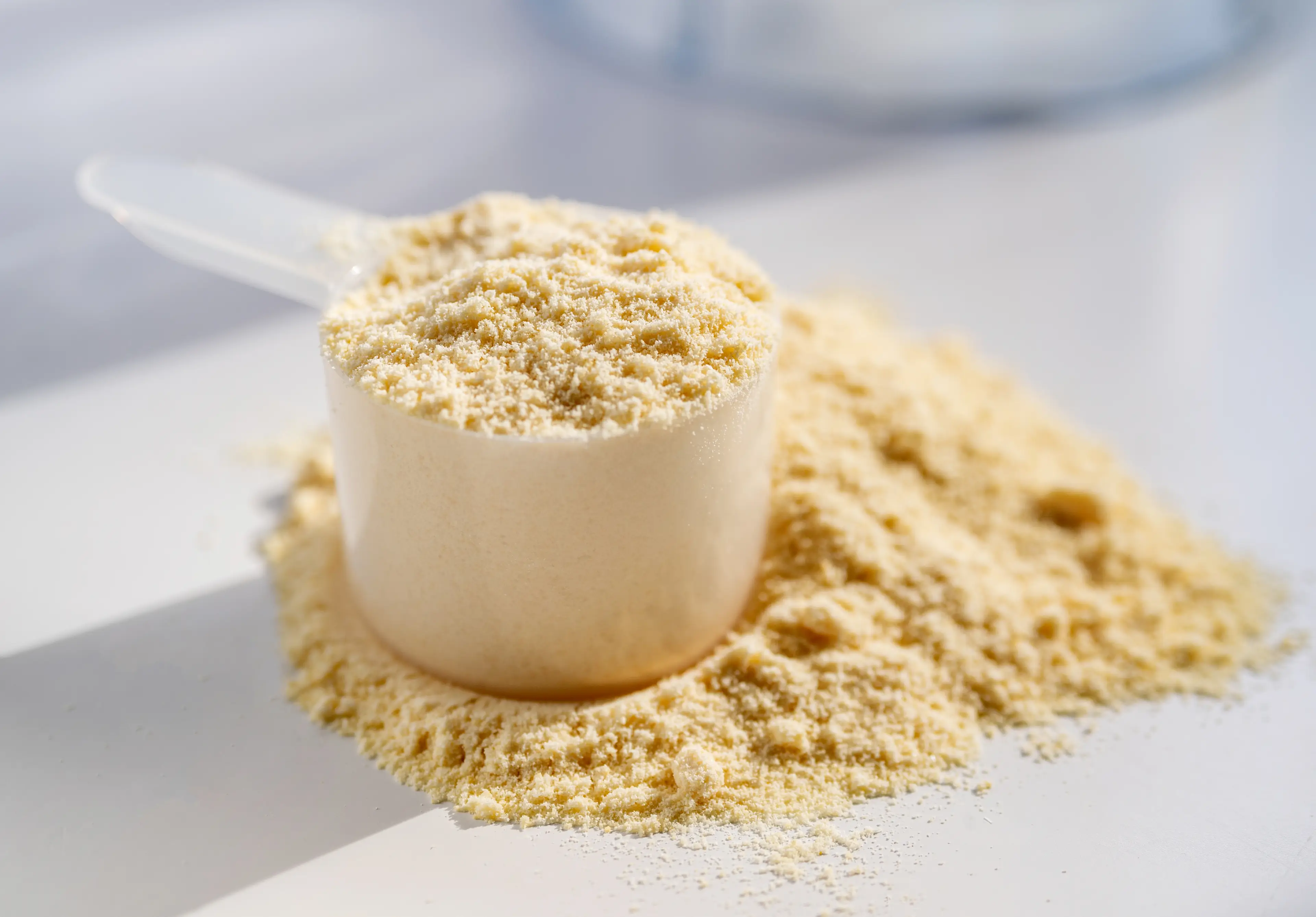
In one case, a man died after miscalculating the amount of caffeine powder he was meant to use. The dose he took was the equivalent of up to 200 cups of coffee, as per the FSA.
“Caffeine intakes of above 10-14 grams (10,000-10,400 mg) have been reported to be fatal, although smaller doses can also be life-threatening to sensitive populations,” the agency explained.
“These cases have occurred where pure caffeine has been measured incorrectly.”
As a result, Dr Mezher has warned that pre-workout powders containing caffeine should be administered responsibly.
Be sure to check serving suggestions on food labels and make sure that the product you purchased complies with UK food laws.
If you would prefer to take a more natural approach to your pre-training routine, Themis Chryssidis, an accredited practising dietitian, suggests going back to basics.

He wrote for Australia’s Health Partners website that drinking a simple cup of coffee will achieve more or less the same stimulation as a pre-workout powder
Meanwhile, Nick Lemke, founder of Clutch Performance Nutrition, recommended taking a food-first approach.
He told Men’s Health that a peanut butter and jam sandwich or a nut butter spread on whole-wheat toast should do the trick before strength training sessions.
Add honey for a boost of fast-digesting sugar, he added.
 Ella Scott