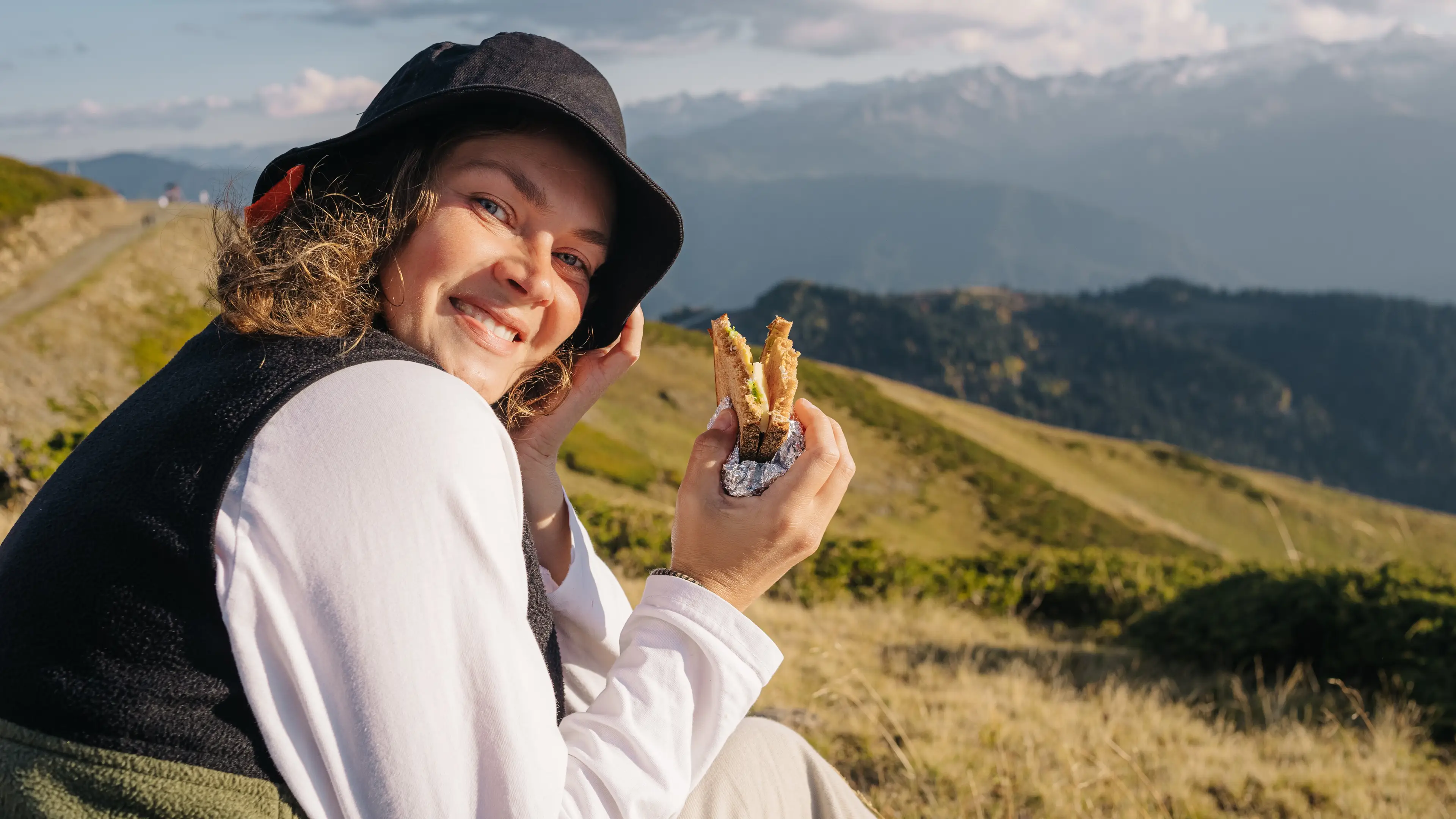
Study reveals how one simple habit could help you eat better without even realising

One simple trick can apparently make a major beneficial change to your lifestyle beyond what you eat.
Normally, the tips we get are those that feel as old as time: Eat more greens, cut back on ultra-processed food, stop reaching for snacks when the afternoon slump hits, etc.
Now, on the other hand, researchers have been looking more closely at the factors that shape food choices before we even get to the kitchen, and one of them appears to be hiding in plain sight. It is not a supplement, a diet plan, or an expensive wellness trend. Instead, it is something many people already do without thinking, whether that means walking through a park, spending time in the garden, or simply making more room in the week to be outdoors.
Advert
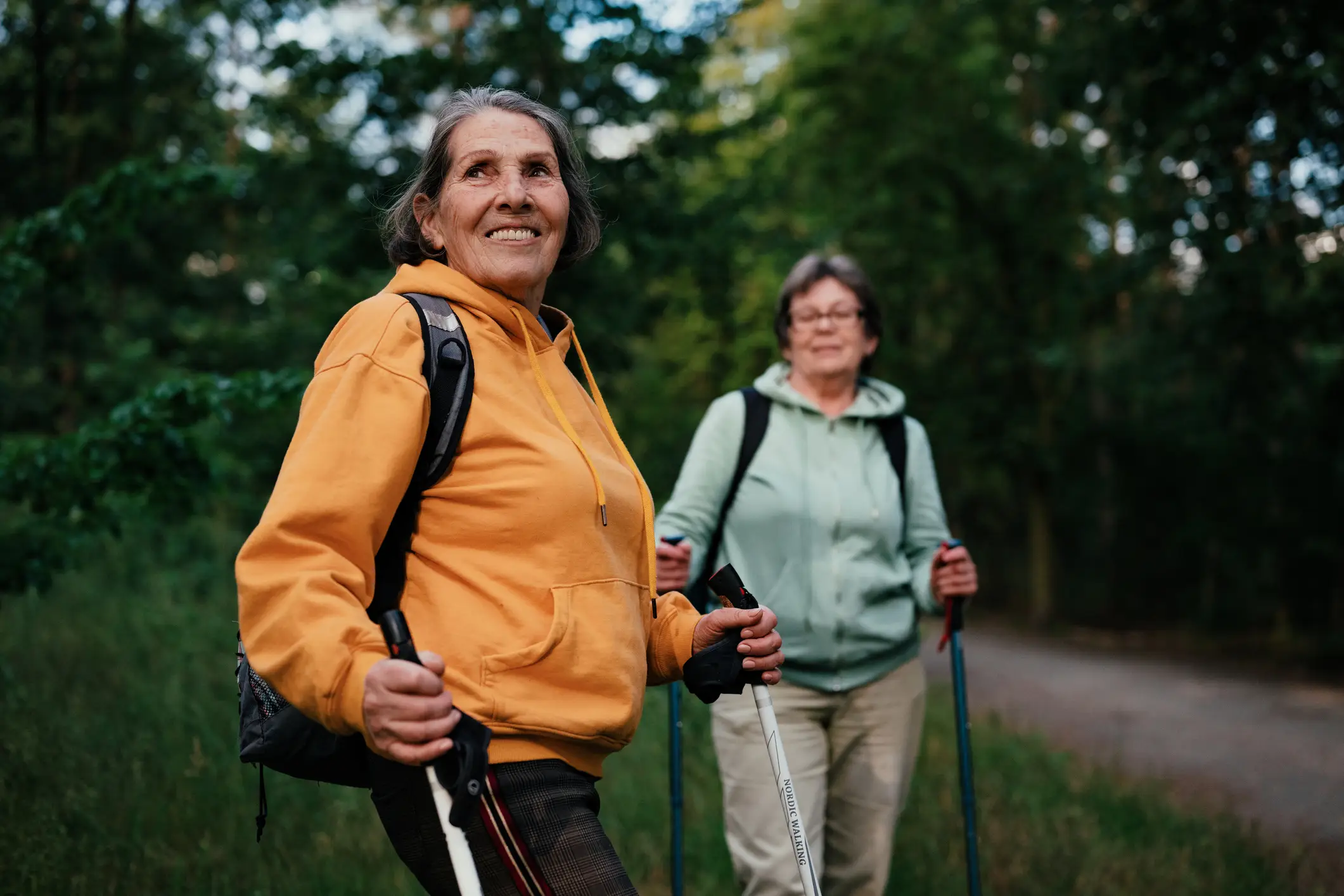
According to a new study, spending more time in nature could have a meaningful impact on how well people eat.
The research, published in Social Science & Medicine, found that adults who interacted with nature more often tended to have better overall diet quality and were also more likely to follow more sustainable eating habits. That included patterns more aligned with diets rich in fruits, vegetables, and whole grains.
The study involved 300 adults across the US, with 30 of them also taking part in follow-up interviews. Researchers looked at different kinds of nature exposure, including intentional time outdoors such as gardening or hiking, as well as more incidental contact like passing through green spaces during daily life. Those forms of interaction were linked to better diet outcomes, while indirect exposure, such as simply having a view of nature through a window, did not show the same relationship.
Mental well-being appeared to be a major part of the picture. People with lower levels of stress, anxiety, and depression showed the strongest links between time in nature and healthier eating, suggesting that the calming effect of being outdoors may help shape food decisions.
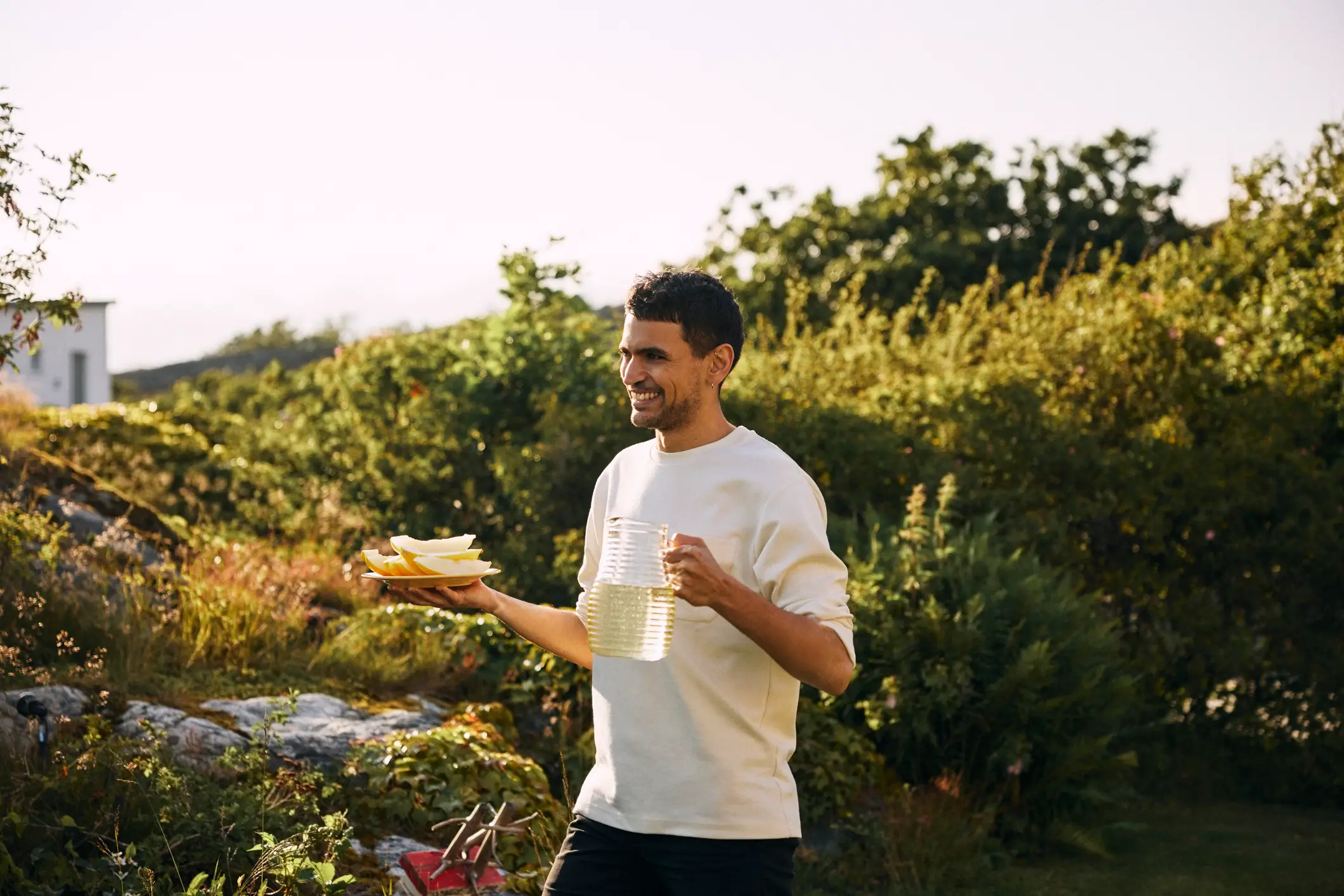
One participant explained it this way: “Food … can be used for stress … and … boredom. So, when I’m out in nature, when I’m occupying myself, when I’m doing something meaningful … I think my mind is less concerned about … easy ways to satisfy myself.”
Researchers also found that feeling personally connected to nature mattered too. This means that it was not just about being outside, but also about how people related to the natural world more broadly.
Gardening came up repeatedly in the interviews, with one participant saying: “You appreciate [food] more … when it’s something that came from your own garden and how much better it tastes than what you buy at the store. And I think that’s a big deal.”
That said, the study does not prove that spending time in nature directly causes people to eat better. It only shows a link, and the researchers noted that people who are already health-conscious may be more likely to seek out both nutritious food and outdoor time.
 Ben Williams