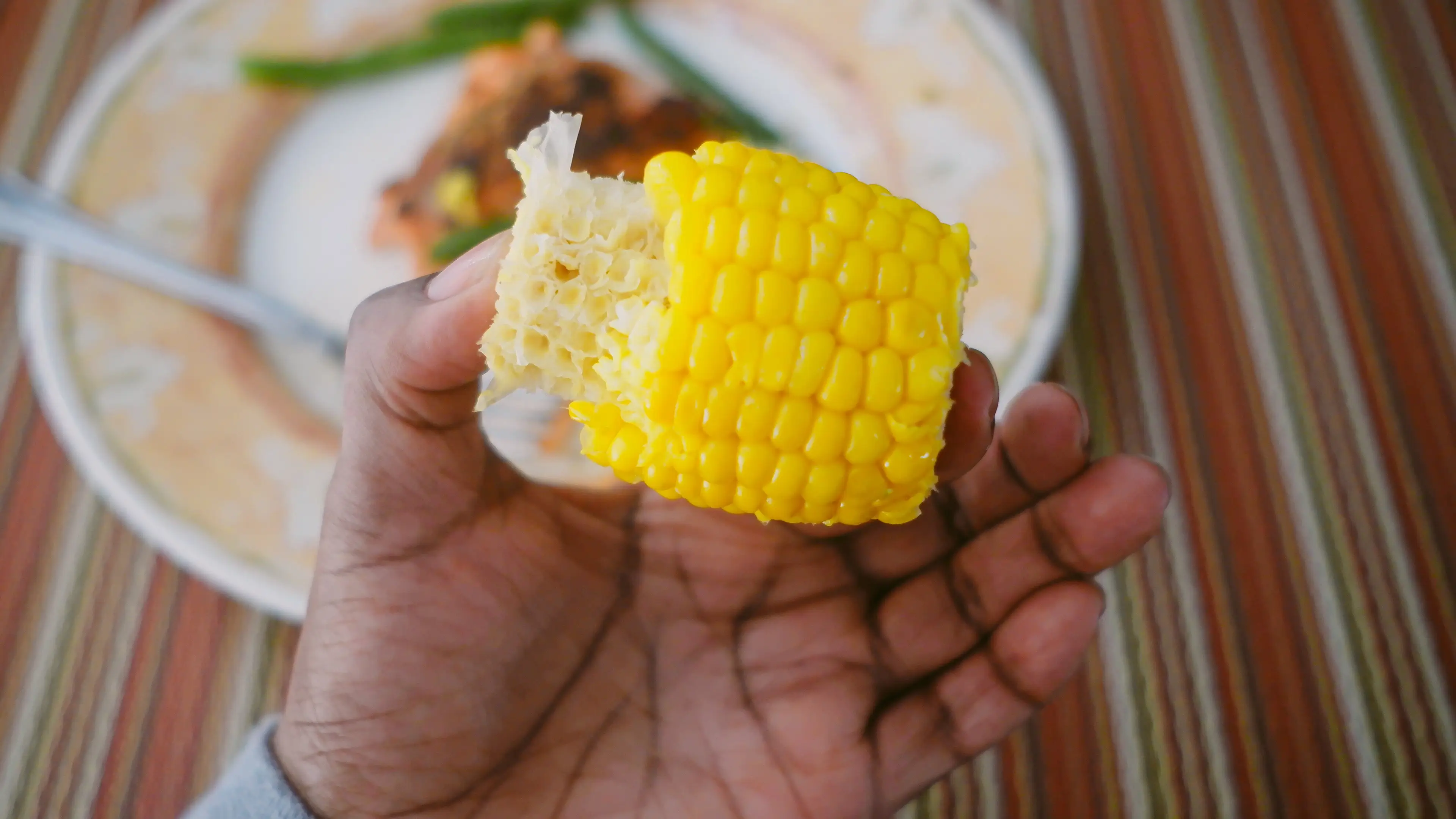
Gross reason why corn always comes out in your poo

Corn may have a myriad of health benefits, including being a brilliant source of antioxidants, having the ability to stabilise blood sugar, and acting as a prebiotic.
However, have you noticed that sometimes, the vegetable can seemingly make a second appearance after a meal?
Admittedly, it is a bit off-putting, but seeing corn in your stool hours after ingesting it is pretty common.
And that’s because our bodies ‘lack the enzymes’ to fully breakdown and digest part of it, according to board-certified gastroenterologist, Dr Susan Kais.
Advert
Speaking to The Huffington Post, the expert explained that corn doesn’t just go down your gullet, pass through your body, and exit whole.
In fact, what you see in your faeces is the outer shell, known as the pericarp.
Science Direct categorises the pericarp as the part of a fruit or vegetable that ‘develops from the ovary wall after flowering’ to protect the developing seeds.
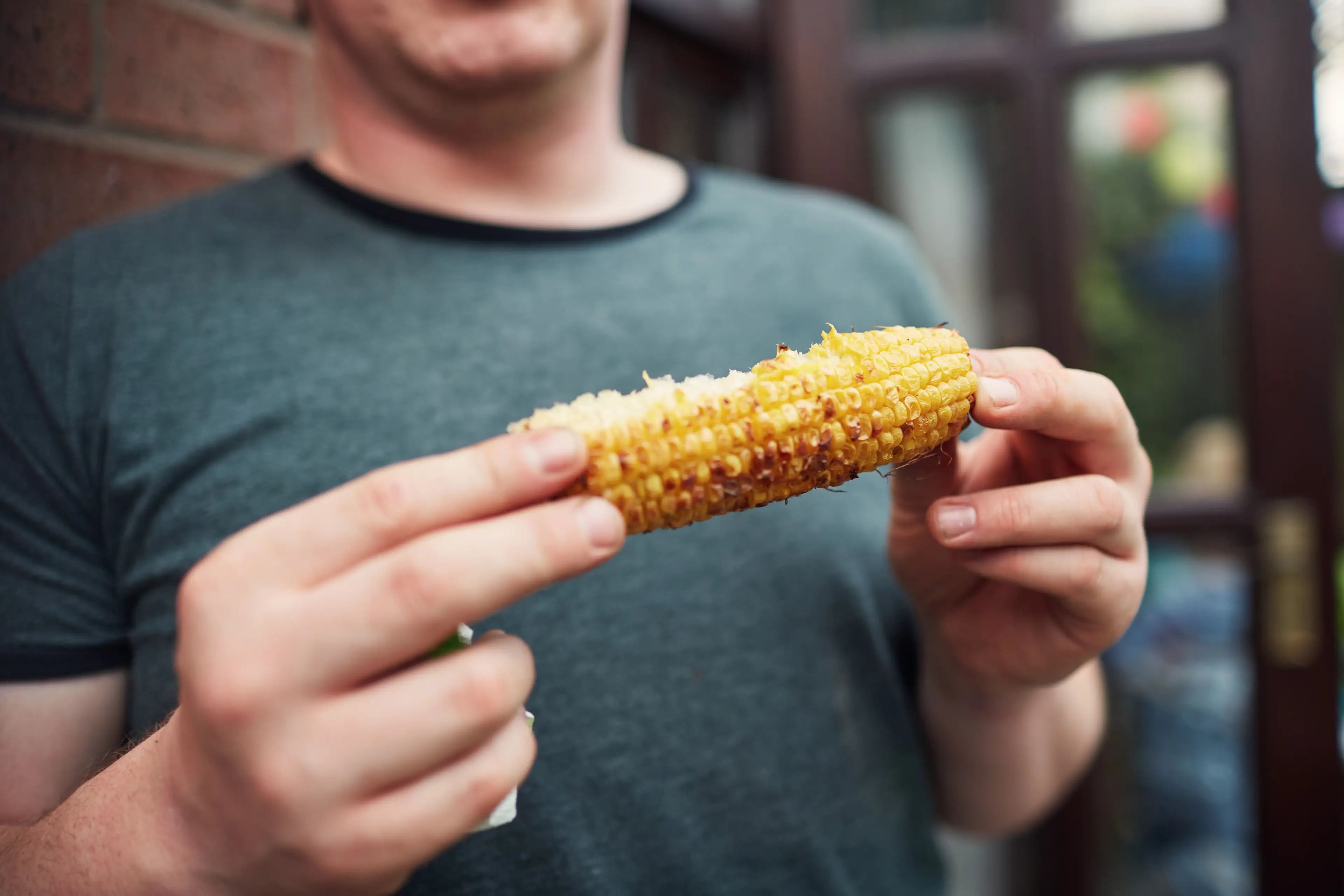
The pericarp in corn is made of ‘very tough’ cellulose, an indigestible plant fibre that the human body simply cannot fully break down.
“Even with thorough chewing, that outer layer often stays intact while the inside is digested,” Kais explained.
“This is completely normal and should not be a cause for concern. It simply reflects how our human digestive system handles certain plant fibres.”
Despite the husk being indigestible, your body can still break down the rest of the corn.
“The digestible parts of the corn, including carbohydrates, vitamins and some antioxidants, are released once the kernel is broken down by thorough chewing and further digestion,” the expert said.
“The outer shell passing through does not mean the nutrients are lost. Think of it as the ‘packaging’ staying intact while the contents are still used.”

If having a corn-riddled stool is nightmare fuel, then there are ways you can avoid the bizarre phenomenon.
The first is to limit how much you consume in one period.
According to the British Dietetic Association (BDA), one portion of corn weighs around 80g.
Expect to see more corn kernels in your toilet if you eat over this recommendation, and fewer if you consume a lower level.
Be sure to chew your veggie thoroughly; apparently, the way you break it down with your teeth may influence how much or how little is in your poop.
Corn isn’t the only vegetable that is indigestible, Kais told the publication.
Tomato and pepper skins are notoriously difficult for the body to break down, as are fruits such as blueberries.

Seeds, nuts and popcorn hulls are the same, but don’t worry, as it’s extremely normal to find all of these things in your body’s waste.
There should only be cause for concern if you notice other symptoms, such as blood in the stool or a sudden change in bowel movements, such as diarrhoea, constipation, or a change in frequency.
Any and all concerns should always be directed to your health provider.
Happy corn munching, friends!
 Ella Scott