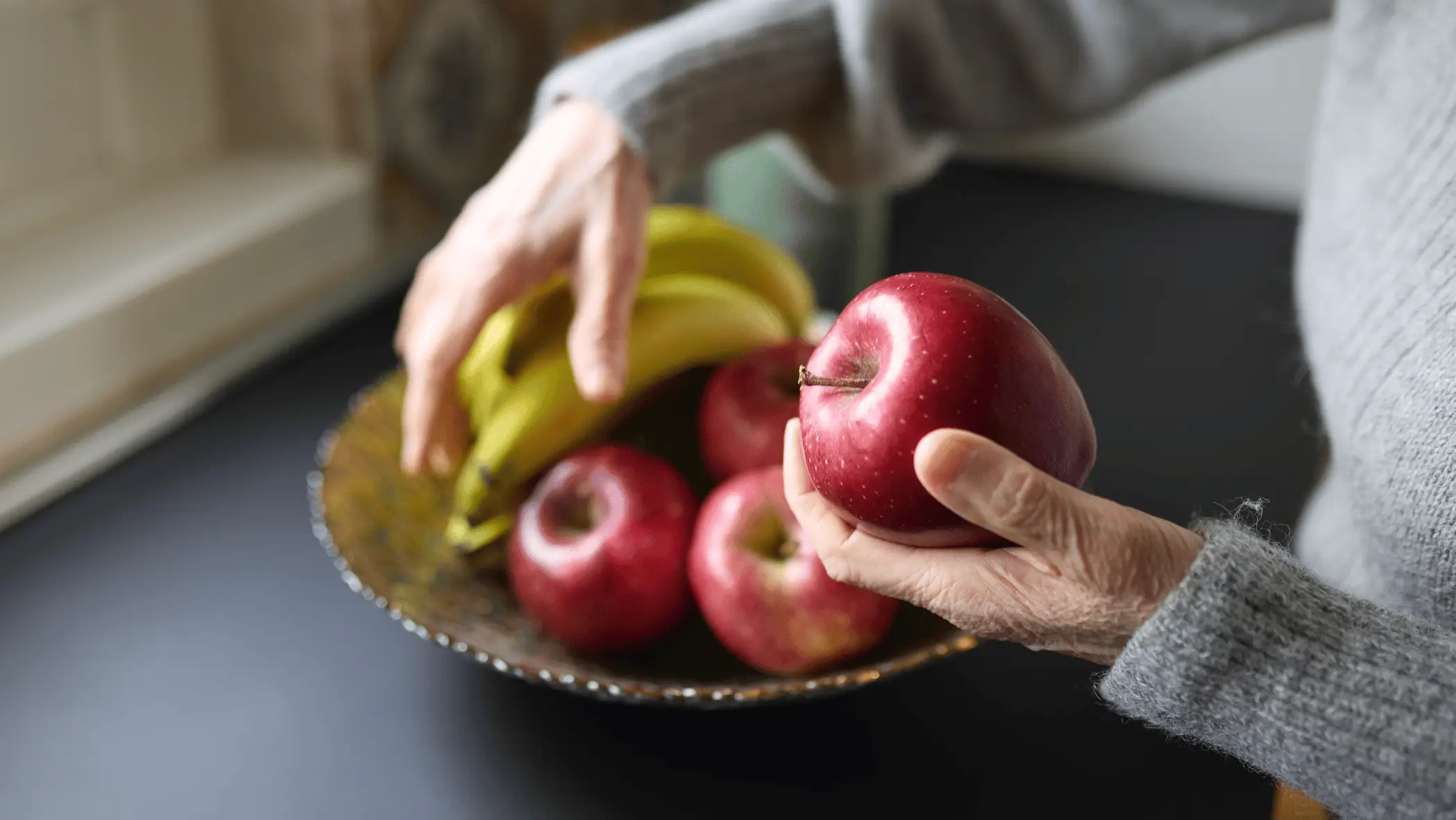
5 warning signs you're eating too much fruit

Nutrientmaxxing is all well and good, but did you know it’s actually possible to have too much of a good thing when it comes to eating fruit?
Even though NHS guidelines suggest adults eat at least five portions of fruit and vegetables every day, many of us, including celebrities such as Melania Trump, are likely to exceed that, indulging in heaps of fresh produce at meal times and snacking on items throughout the day.
And while it would appear that your penchant for berries, fresh pineapple, and frozen mango smoothies is ‘healthy’, it turns out your overindulgence may be causing serious health issues.
Speaking to Metro, Arti Dhokia, Consultant Dietitian at Midland Health, explained that while fruit is an’ incredibly healthy swap for sweet treats’ it does contain a natural sugar called fructose.
Advert

Fructose, mainly found in honey and fruits such as dates, apples and figs, is digested in the liver to produce glucose, glycogen, and a small amount of fatty acids, as per The European Food Information Council (EUFIC).
Once broken down, it travels through the bloodstream to all organs and muscles, where it is transformed into energy.
Too much fruit can cause weight gain
However, Dhokia warned that if your body doesn’t need the energy produced by the fruity substance, then your liver may convert excess calories into fat.
This can lead to weight gain and associated complications, such as certain cancers, diabetes, heart disease, and stroke, as per the NHS.
But piling on the pounds isn’t the only downside of consuming too much fruit, the expert detailed.
Nutrient deficiency is a side effect of eating fruit
It’s possible that if you’re constantly reaching for bananas, peaches, and citrus fruits such as oranges, then you could be missing out on essential nutrients that your body needs from other food groups.
The dietitian explained that your so-called healthy habit could easily lead to deficiencies in things like vitamin B12, calcium, vitamin D, and omega-3 fatty acids - the latter of which Kris Jenner swears by.
More visits to the dentist

Another sign that your fruit intake is too high is that you’re booking more dentist visits than usual.
“It’s easy to forget, but the natural sugars found in fruit are similar to the sugars found in junk food,” Dhokia stated.
Excess sugar increases the risk of tooth decay, with Colgate listing lemons, limes, blue plums, and grapes as the worst offenders.
To keep your teeth in check, be sure not to suck on highly acidic fruit and rinse your mouth with water after eating fruit to dilute the acids in your mouth.
Be sure to wait at least 30 minutes before brushing to give your enamel time to resettle.
Diabetes and fruit aren’t a match made in heaven
Novo Nordisk UK suggests that around 464,000 people are living with type 1 diabetes in the UK. If you’re one of them, then reaching for large punnets of raspberries and blueberries may not be the best idea.
This is because fruit can easily increase your blood sugar, potentially leading to toxic acid buildup, known as diabetic ketoacidosis (DKA), which is life-threatening, as per Diabetes UK.
To avoid complications from type 1 diabetes, Dhokia suggested limiting your fruit portions to around three servings every day.
Fruit juice shouldn’t be the go-to
Those trendy, store-bought ‘superfood’ juices you’re reaching for? The act of purchasing them is a warning sign in itself, Dhokia claimed.
Despite celebrities such as Reese Witherspoon swear by daily smoothies for skin health, fruit juice can sometimes contain a highly concentrated amount of sugar and calories, which can cause blood sugar spikes and weight gain.
What’s more, the juicing process often removes helpful fibre, slowing down digestion and making you feel full, warned Dhokia.

Fibre is essential for your gut to work properly, preventing constipation, and lowering the risk of various chronic diseases, including bowel cancer.
In the UK, the government recommends adults eat 30g of fibre per day, the British Heart Foundation reported.
If fruit juice is an essential part of your day, then make sure you stick to a single small 150ml glass, the expert added.
 Ella Scott