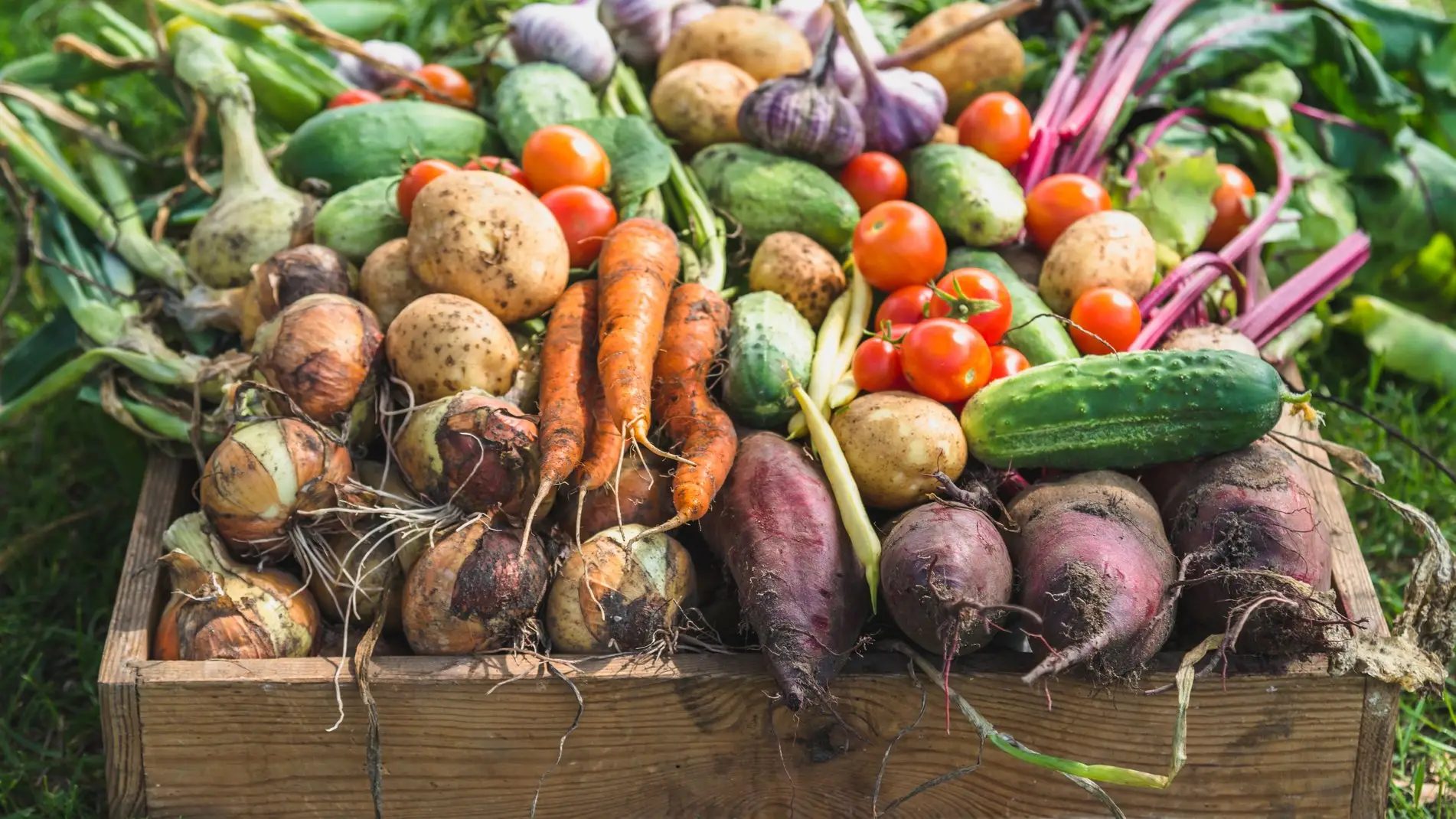
'Dirty Dozen' list unveiled for 2026 - here are all the foods you should avoid

The Dirty Dozen is back for 2026, which means shoppers have once again been handed a list that manages to make the fruit and veg aisle feel a bit more of a minefield than usual.
Every year, the Environmental Working Group puts out its roundup of the conventionally grown produce it says carries the highest pesticide residue by the time it reaches supermarket shelves.
The annual list has become one of the most closely watched produce guides in the US, landing at a time when shoppers are already thinking harder about what goes in the trolley and whether organic options are really worth the extra spend. This year’s guide looked at 47 items in total, with EWG singling out 12 conventionally grown foods as the most contaminated.
Whilst the name makes it sound like a blacklist, the list is really aimed at helping people decide which staples they may want to avoid buying non-organic where possible. This year’s update is likely to get attention again, not least because one of the most commonly eaten vegetables in America has now joined the ranking.
Advert
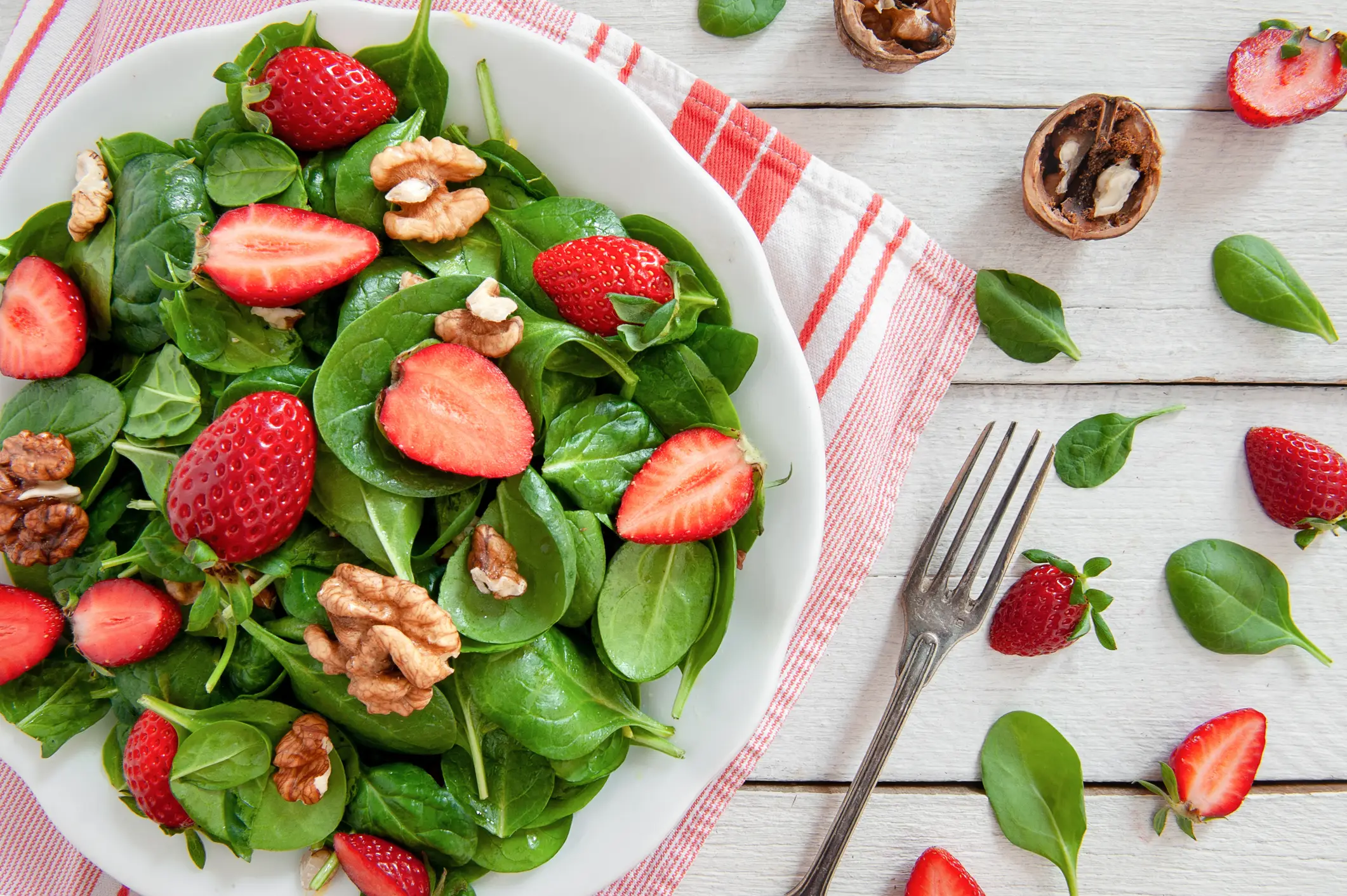
The 2026 Dirty Dozen, in order:
- Spinach
- Kale
- Collard and mustard greens
- Strawberries
- Grapes
- Nectarines
- Peaches
- Cherries
- Apples
- Blackberries
- Pears
- Potatoes
- Blueberries
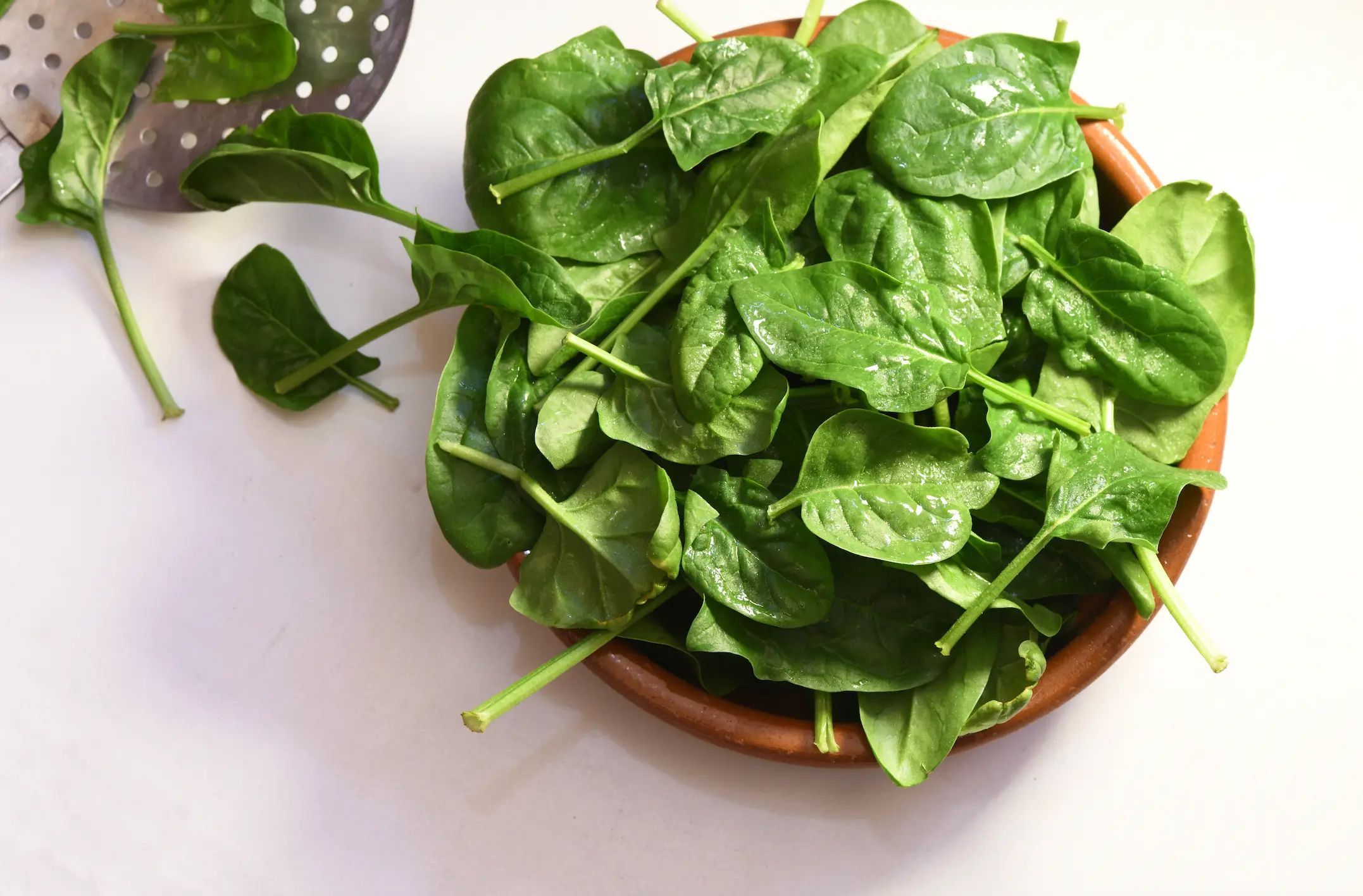
Spinach has taken the top spot again, with EWG saying it has more pesticide residues by weight than any other type of produce. Leafy greens were another major focus, with the group saying more than half of the kale samples were tainted by a possibly cancer-causing pesticide.
Strawberries also remain high on the list, with EWG noting that the average American eats about eight pounds of fresh strawberries a year ‘and with them, dozens of pesticides’.
Elsewhere, peaches were flagged as packing ‘a punch when it comes to pesticide contamination’, while apples were described as being 'doused with chemical after harvest'. Blackberries are one of the more notable inclusions, too, with their appearance on the list following USDA testing of the fruit for the first time in 2023.
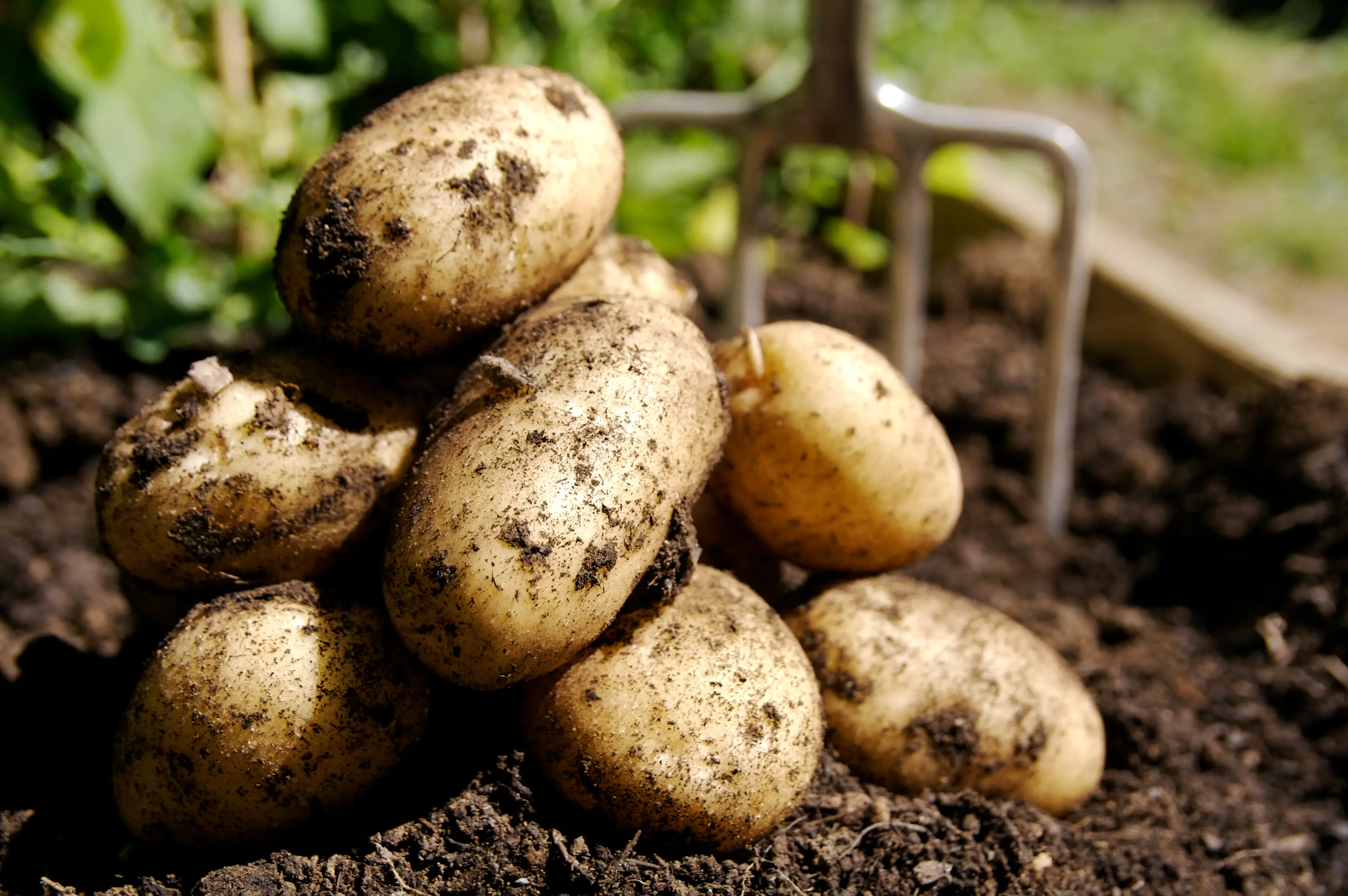
What will be one of the biggest talking points, though, is potatoes. EWG says the most consumed vegetable in the US has joined this year’s Dirty Dozen, giving shoppers another everyday item to think twice about. Blueberries have also returned, with the group saying they contain traces of several toxic pesticides.
Even so, the list is not being presented as a reason to stop eating fruit and veg. EWG’s list is more about reducing exposure where possible than cutting produce out altogether.
As noted by Simply Recipes, Washing fruit and vegetables in a solution of water and baking soda helps reduce leftover pesticide residues. Alternatively, check out the EWP’s Clean Fifteen list for the lowest pesticide alternatives to swap some of the dirty dozen with.
 Ben Williams