
4 drinks you should never have with common antihistamine

Your favourite go-to beverages could seriously be impacting how well your antihistamine tablets work, experts have warned.
Antihistamines, such as fexofenadine, are used to relieve symptoms associated with allergic rhinitis, commonly referred to as hay fever, as well as calm skin hives (chronic idiopathic urticaria), and take the itch out of insect bites.
Most adults and children can safely consume fexofenadine tablets; however, people who have had problems with their liver, kidneys or heart should inform their doctor or pharmacist before they start using it.
Pregnant people, those who are breastfeeding and those who have ever had an allergic reaction to the antihistamine or any other medicine should also be cautious, as per the NHS.
Advert
But what you wash fexofenadine with may be causing your medication to falter - and it’s not good news for fruit juice-lovers.
Drinks to avoid with fexofenadine
Orange juice
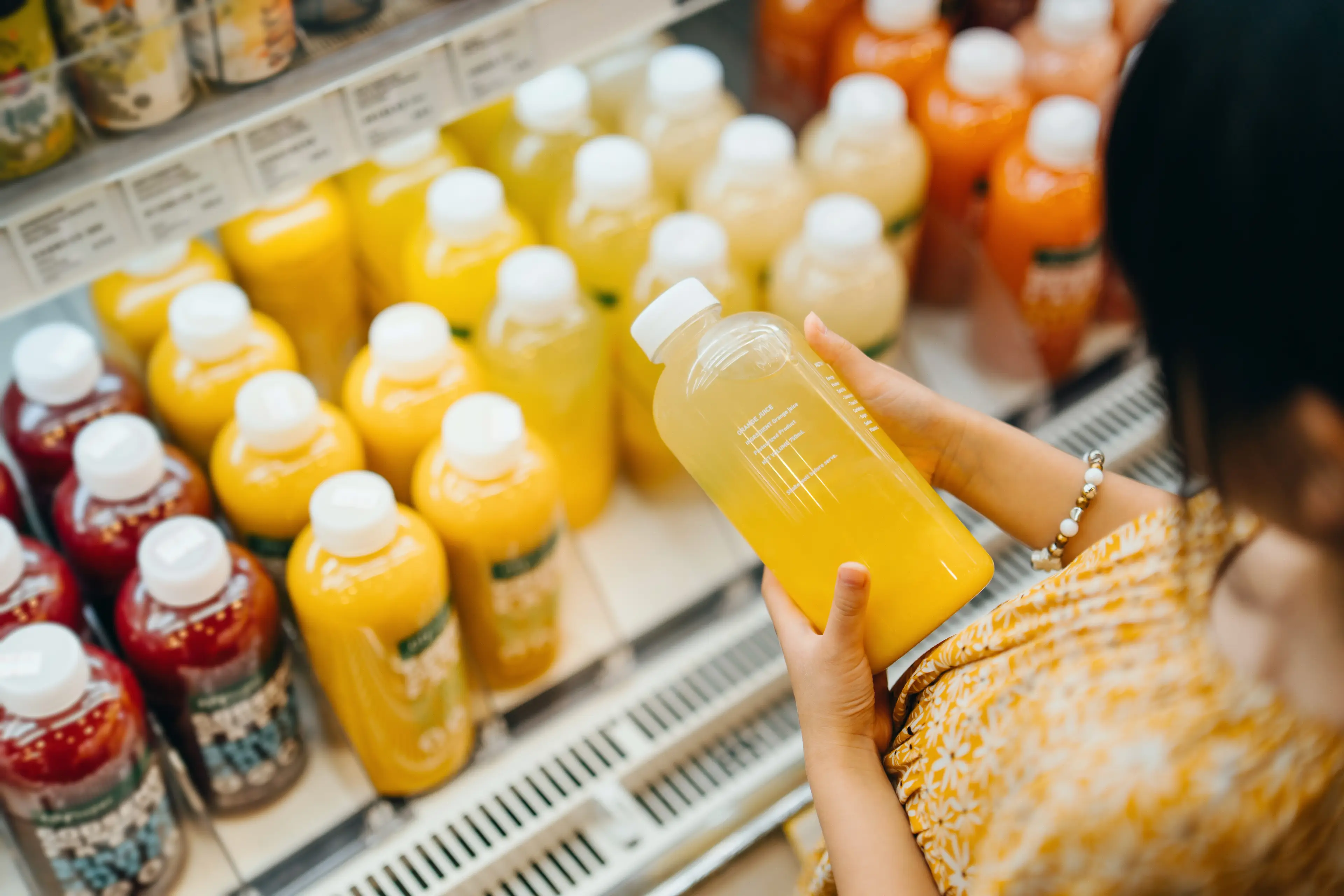
If you’re someone who loves waking up in the morning to a freshly-squeezed glass of orange juice, then we have bad news for you.
Unfortunately, orange juice can significantly reduce the absorption of fexofenadine, as per experts at Bolt Pharmacy.
This is because compounds in the beverage can inhibit drug transport proteins in the gut wall, potentially reducing its therapeutic effect.
Studies suggest that consuming orange juice alongside the medication can reduce its bioavailability by around a third, or more.
Grapefruit juice
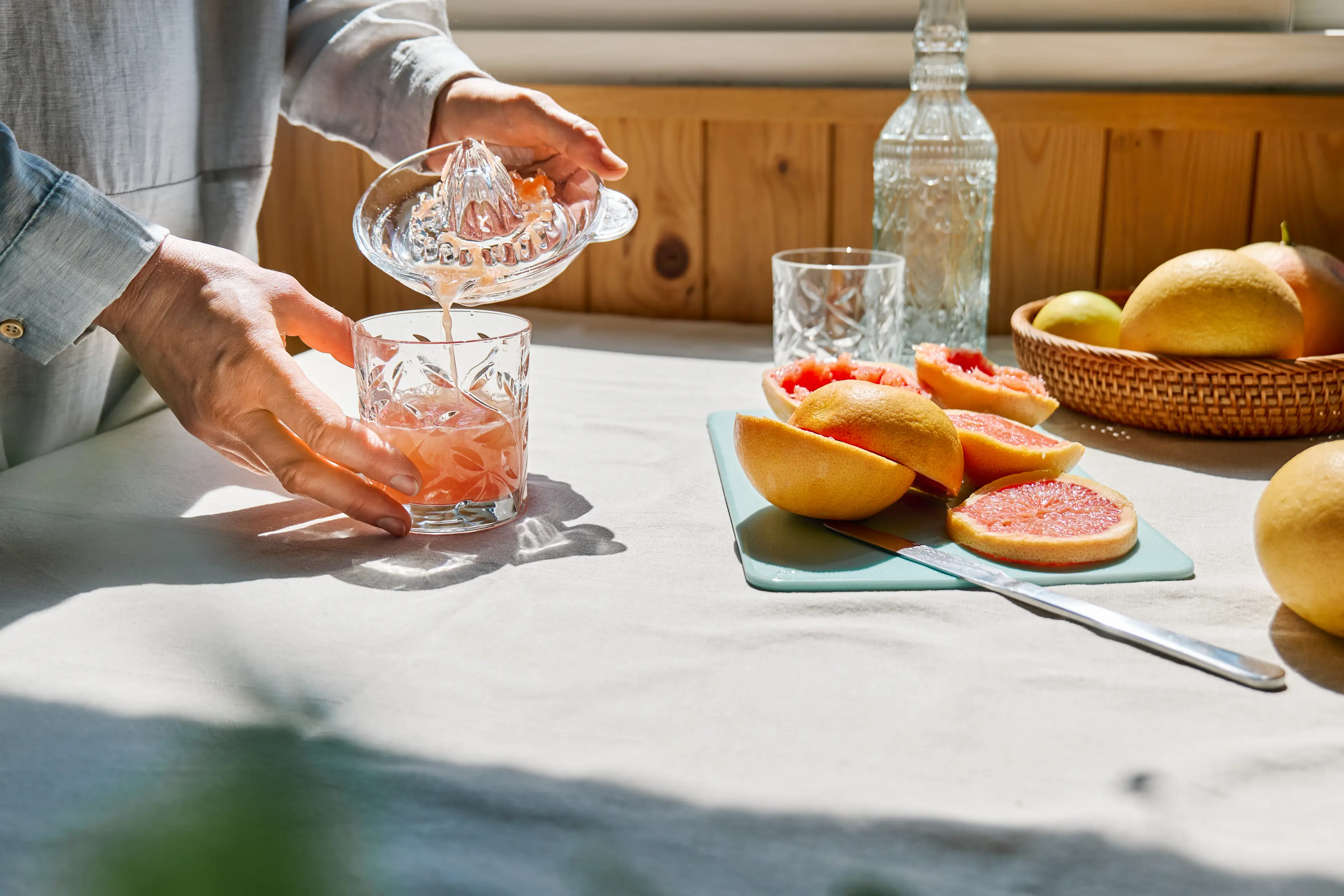
Much like its citrus sister, grapefruit juice can cause less fexofenadine to enter the blood, decreasing how well the drug works, said Shiew Mei Huang of the US Food and Drug Administration.
Consuming pomelos, a Southeast Asian fruit similar in taste to sweet grapefruits, and tangelos, a tart, tasty citrus fruit hybrid, may also cause issues with fexofenadine absorption, the FDA stated.
Apple juice
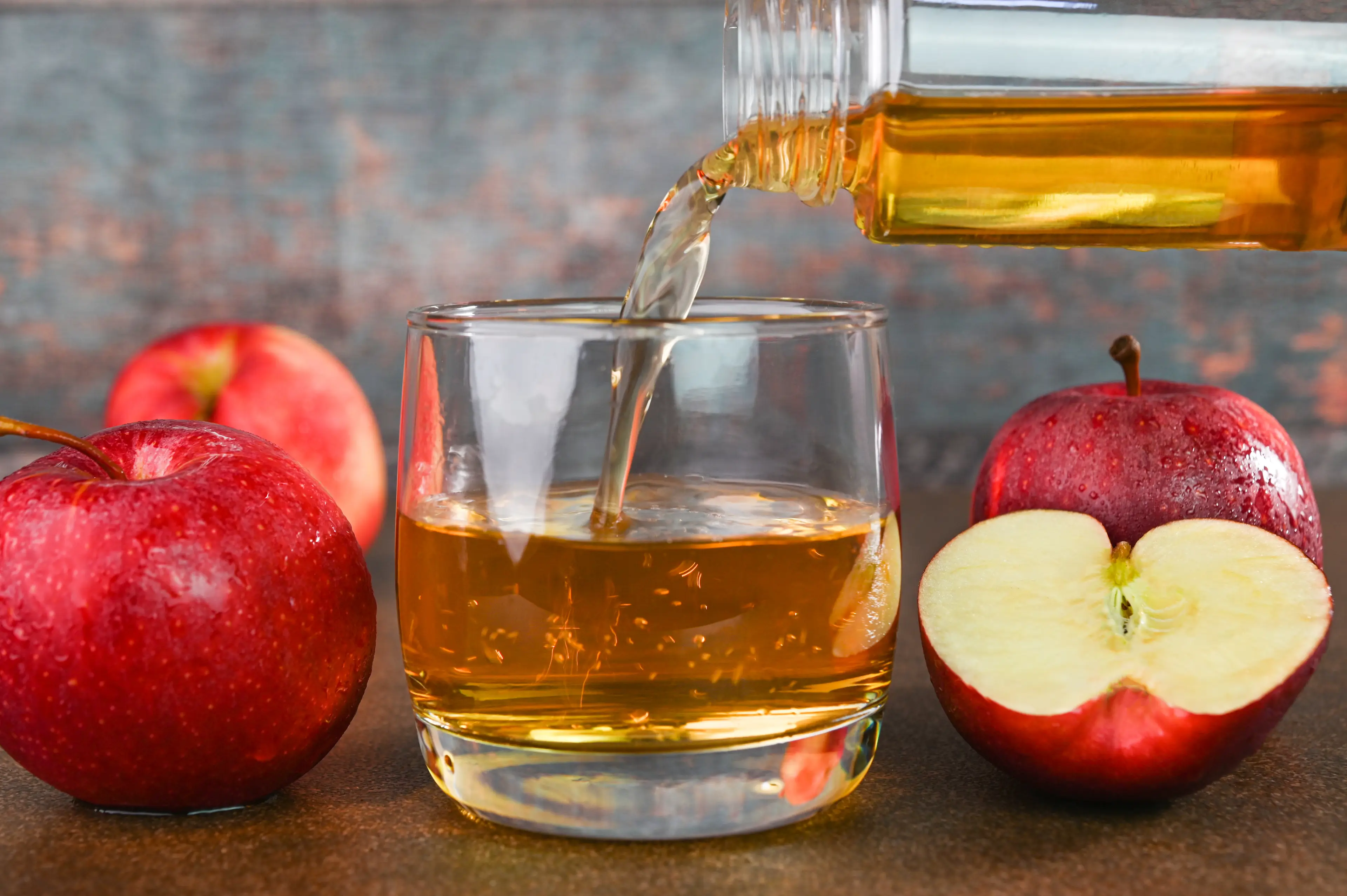
Another kicker - swigging a sweet glass of apple juice after popping an antihistamine could be why your runny nose and your itchy eyes haven’t been relieved.
Like orange and grapefruit juice, apple can interfere with fexofenadine’s effectiveness.
The beverage can also impact other medications, such as blood pressure drugs and the beta-blocker atenolol, medical anthropologist Terry Graedon told The People’s Pharmacy.
Alcohol

You may be tempted this summer to slam an antihistamine back on your way to the beer garden to make sure your pesky allergies don’t get in the way of a good time.
But be warned: alcohol should not be drunk alongside fexofenadine, as per the NHS.
The health service stated that it’s best not to drink booze alongside the tables because it can make you feel sleepy and may increase side effects such as dizziness.
Drugs.com suggests refraining from the bottle and taking your medication with water instead. This should make it easier for your body to absorb the medication.
 Ella Scott