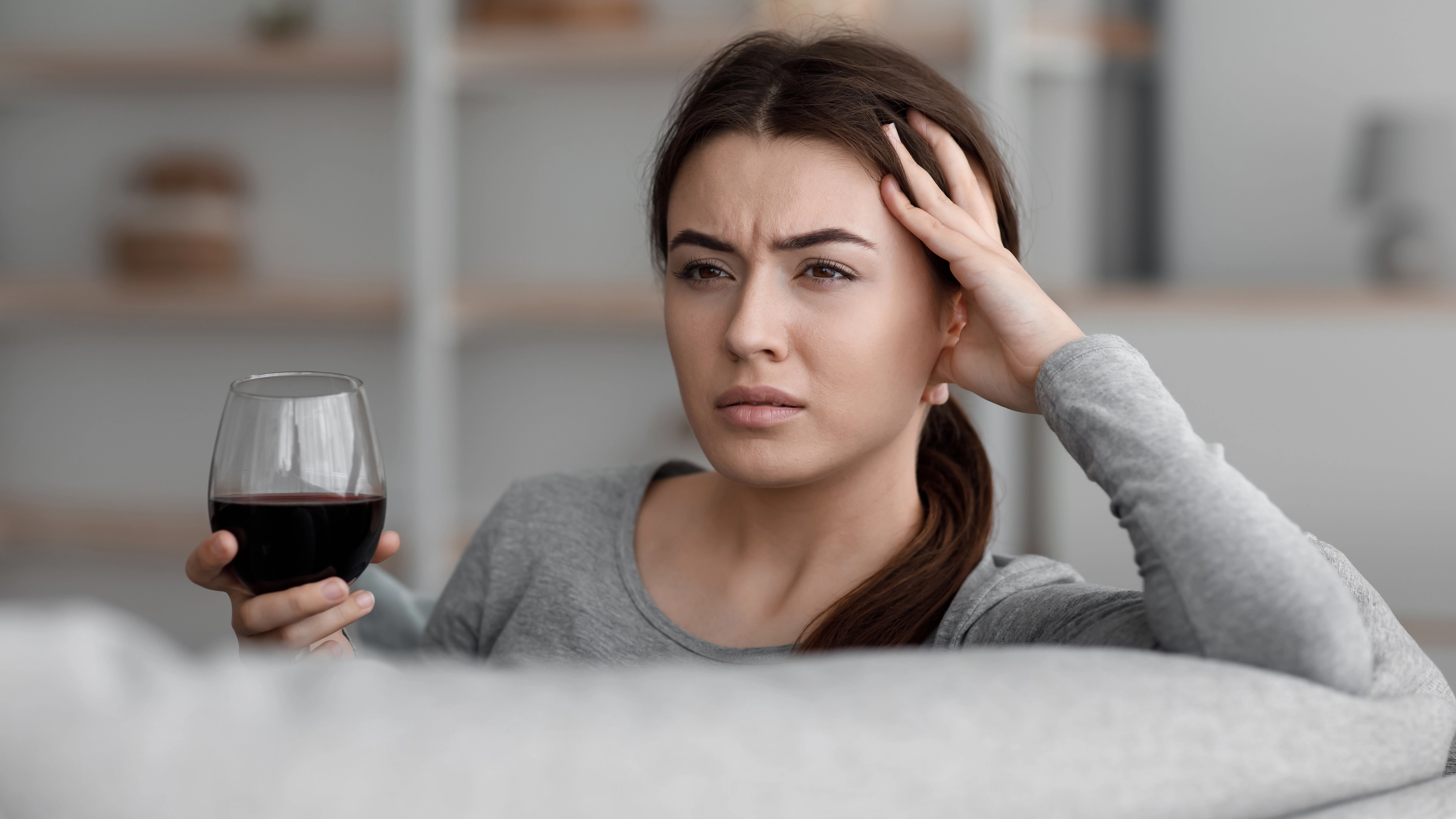
7 medicines you should never mix with alcohol

It’s common knowledge that alcohol and medications shouldn’t mix, but are you aware of the potentially dangerous side effects you could suffer?
According to Alcohol Change UK statistics, adults consume 10.7 litres of pure alcohol per person per year on average, equivalent to around 21 UK units per week.
If you’re someone who loves nothing more than a post-work pub pint or a cheeky vino with dinner, then be warned: your habitual tipple could be causing havoc where your health is concerned.
This is because booze can interfere with seven commonly used medications, producing side effects such as sedation, increased risk of blood clots, and anxiety.
Antibiotics
If you’ve been prescribed antibiotics by your health practitioner to treat or prevent specific bacterial infections, then you should refrain from mixing them with alcohol.
Advert
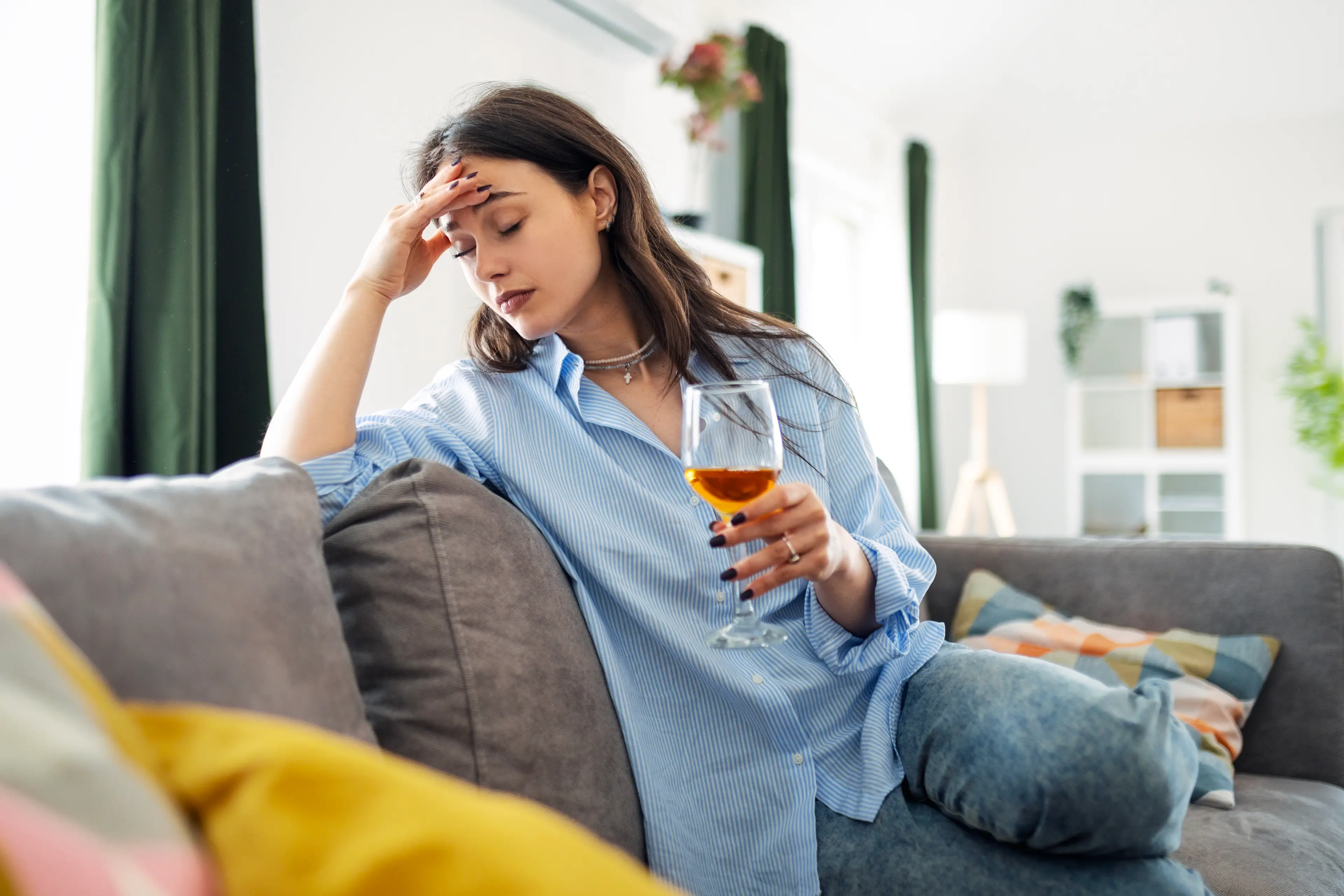
This is because they may cause serious side effects, such as headaches, flushing, nausea, and dehydration.
“Examples of these include metronidazole and tinidazole,” Katy Dubinsky, a pharmacist and the founder and CEO of Vitalize, told EatingWell.
Antidepressants
Mixing booze with antidepressants can render the drugs less effective than intended, according to board-certified family medicine physician Laura Purdy.
It’s also possible that it can cause you to get and feel drunk faster.
“This increased intoxication can lead to impaired judgement and coordination, which can put you at risk of having an accident or injuring yourself,” the Priory Group wrote.
Antipsychotics
Medications primarily used to treat psychosis symptoms like quetiapine, risperidone and aripiprazole shouldn’t be mixed with drink as it may ‘intensify sedative effects’, as per Dubinsky.
You may experience a magnified risk of downsides and sedation, and may experience slowed experience, Drugs.com wrote.
Anxiety medication
Most anxiety medications can become dangerous when combined with alcohol. This is because of their central nervous system depression, as per Crestview Recovery.
Like with antidepressants, the beverage can cause dangerous side effects like impaired motor skills, memory loss or amnesia, and dizziness.
Blood thinners
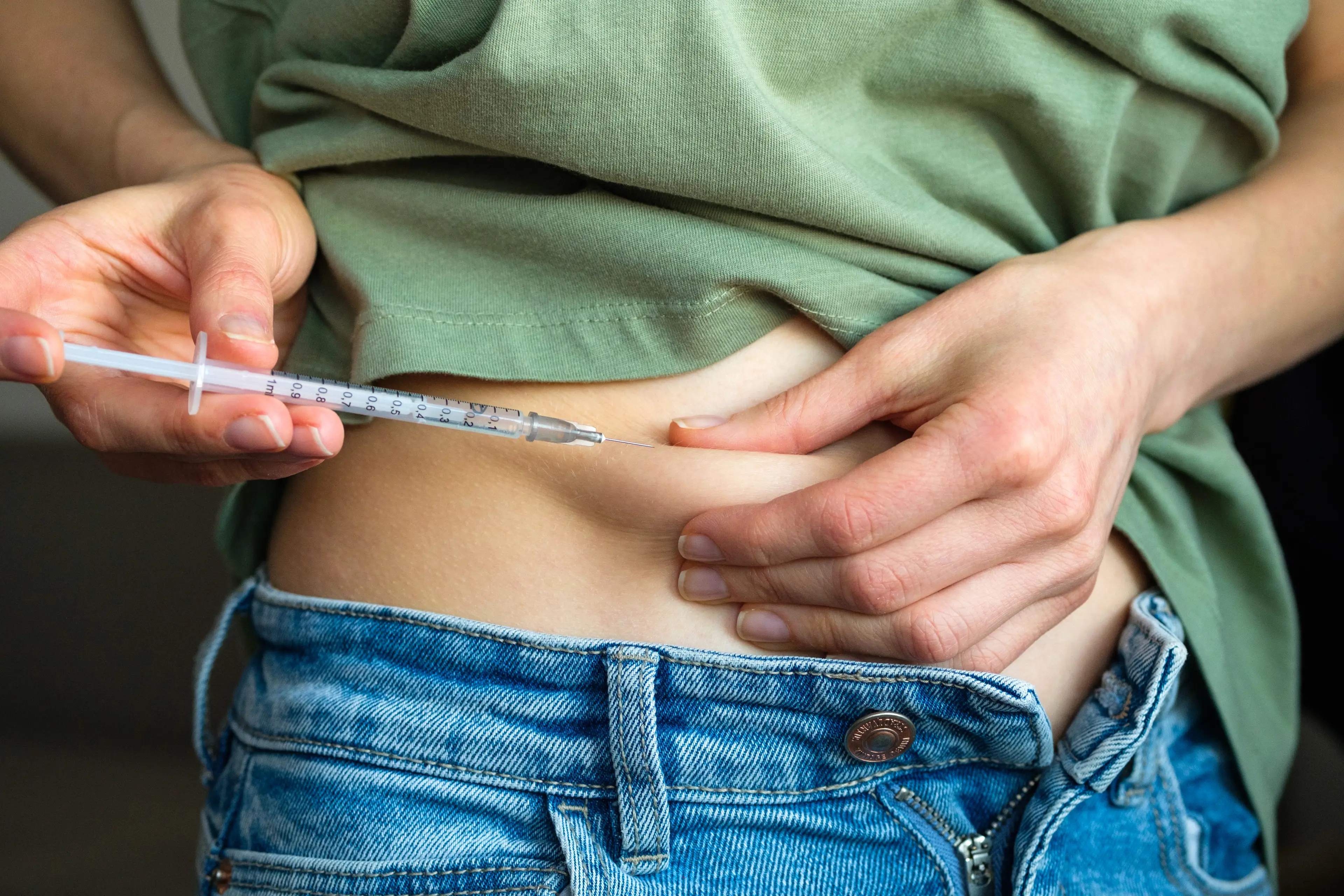
Anticoagulant medicines, commonly known as blood thinners, are usually prescribed by doctors to prevent and treat dangerous blood clots.
If you’re taking blood thinners, then be warned: alcohol can massively interfere with their function, increasing the risk of clotting or bleeding.
Diabetes medication
It’s estimated that more than 5.8 million people in the UK are living with diabetes, while over 40 million Americans are living with the condition.
If you’re one of them and you routinely use diabetes medication, then you shouldn’t consume alcoholic beverages.
This is because certain drinks can negatively affect a person’s blood sugar, causing it to drop for up to 24 hours.
Symptoms of low blood sugar include sweating, intense hunger, anxiety and confusion.
Pain relievers
When mixed with alcoholic beverages, pain medication has the potential to cause liver damage, gastrointestinal bleeding, and increased drowsiness.
According to experts at Supportive Care, you should wait at least four to six hours after taking a painkiller before hitting the bottle.
 Ella Scott