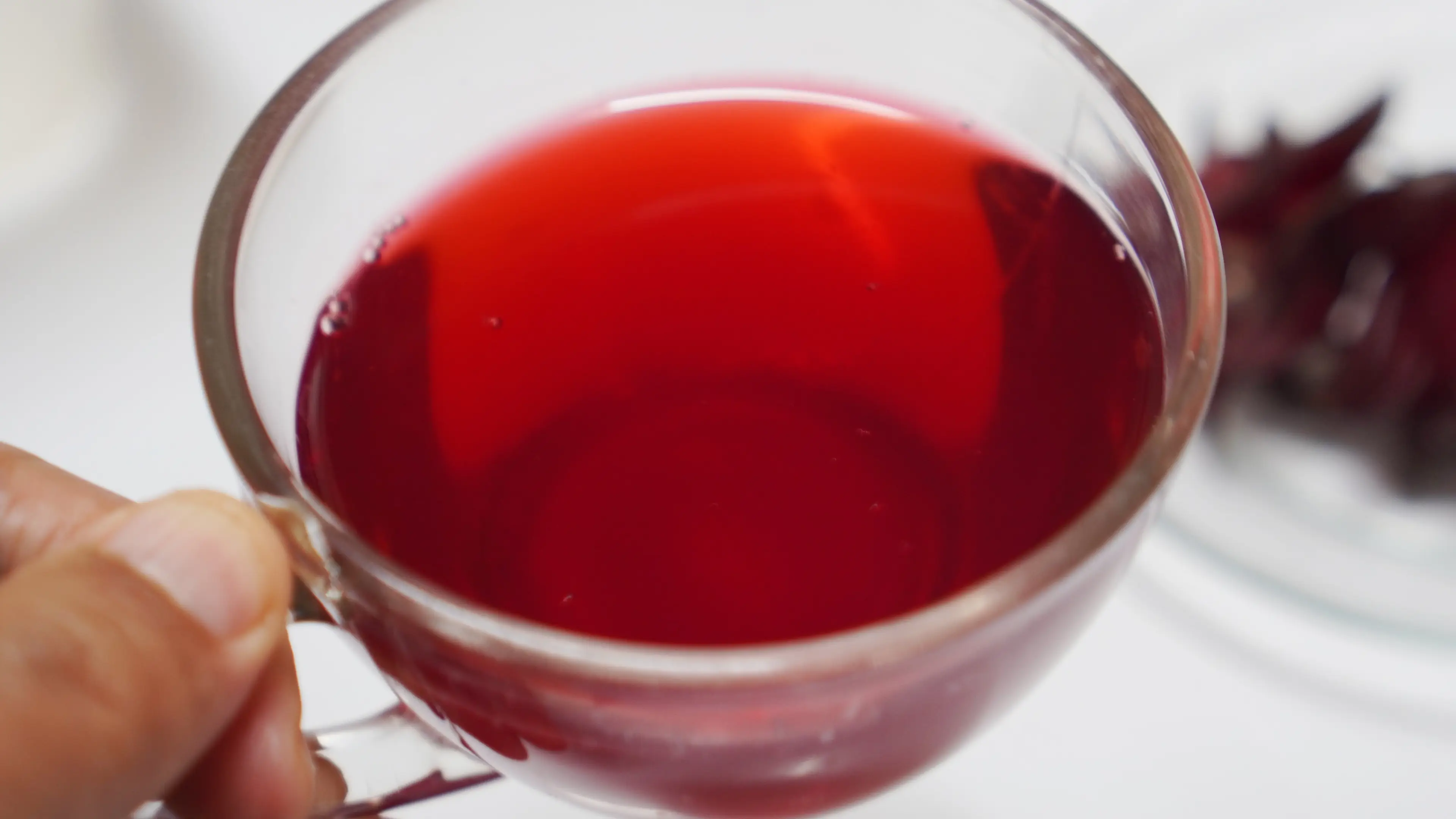
Hibiscus tea has 7 surprising health benefits

Indulging in a cup of hibiscus tea every day could help improve sleep, lower blood pressure, and keep you fuller for longer, aiding weight loss efforts, according to experts.
Trust us, we understand that diversifying your hot drink selection and having to reach for something other than your on-the-go Café Latte may not sound appealing at first, especially if you have something of a caffeine dependence.
But by swapping out just one mug of coffee for a hibiscus tea, you are likely to be rewarded with a myriad of health benefits.
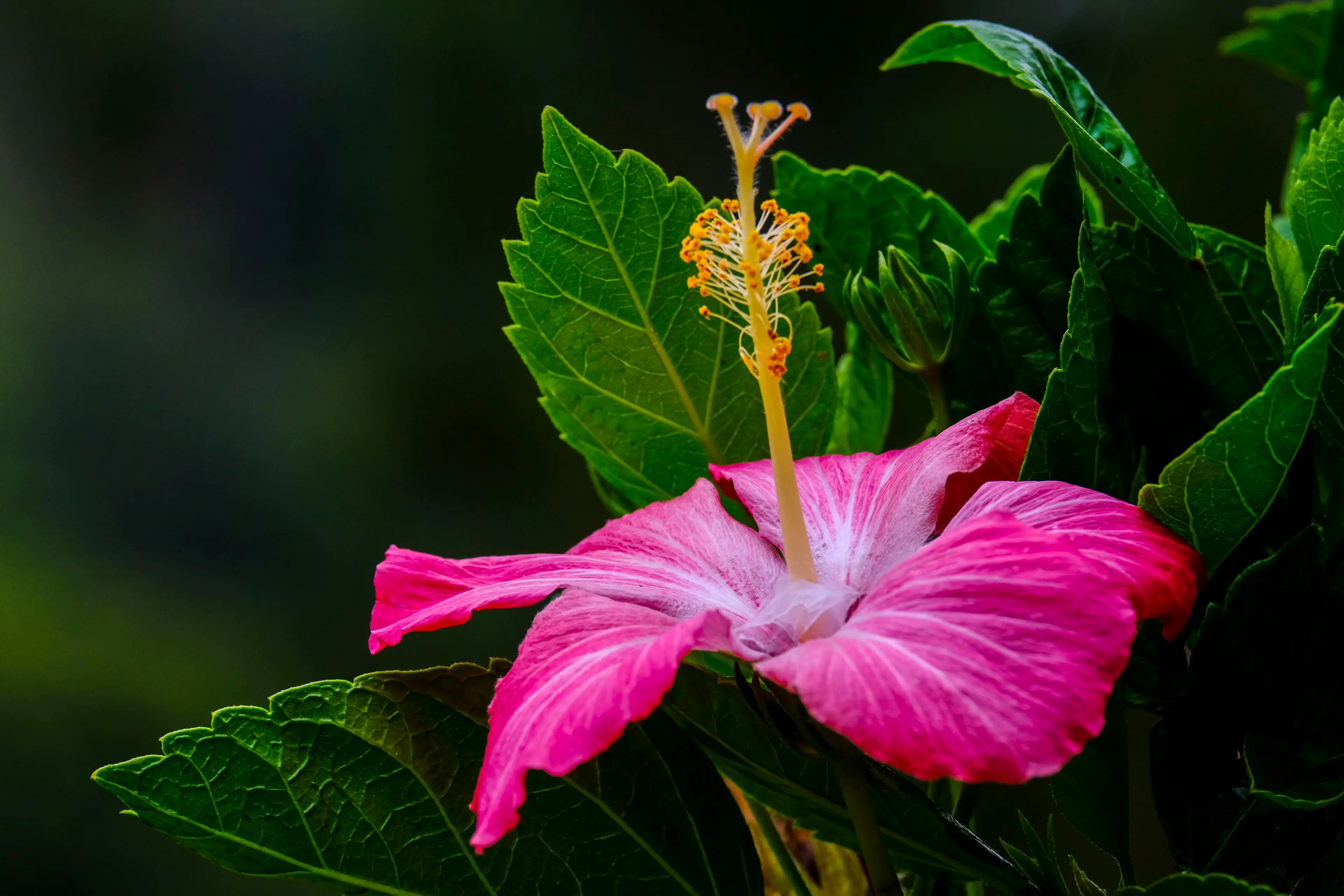
The tart, floral drink is made from a red flower with ‘medicinal properties’, nutrition expert and author Laura Parada told British Vogue.
Advert
“Its calyx — or the part at the base of the petals that protects the flower — is used to prepare an infusion called hibiscus tea.
“This tea is usually consumed hot or cold, and is known in many cultures as a remedy to calm the nervous system, aid insomnia, moderate heart problems, accelerate metabolism and reduce inflammation.”
More hibiscus tea health benefits
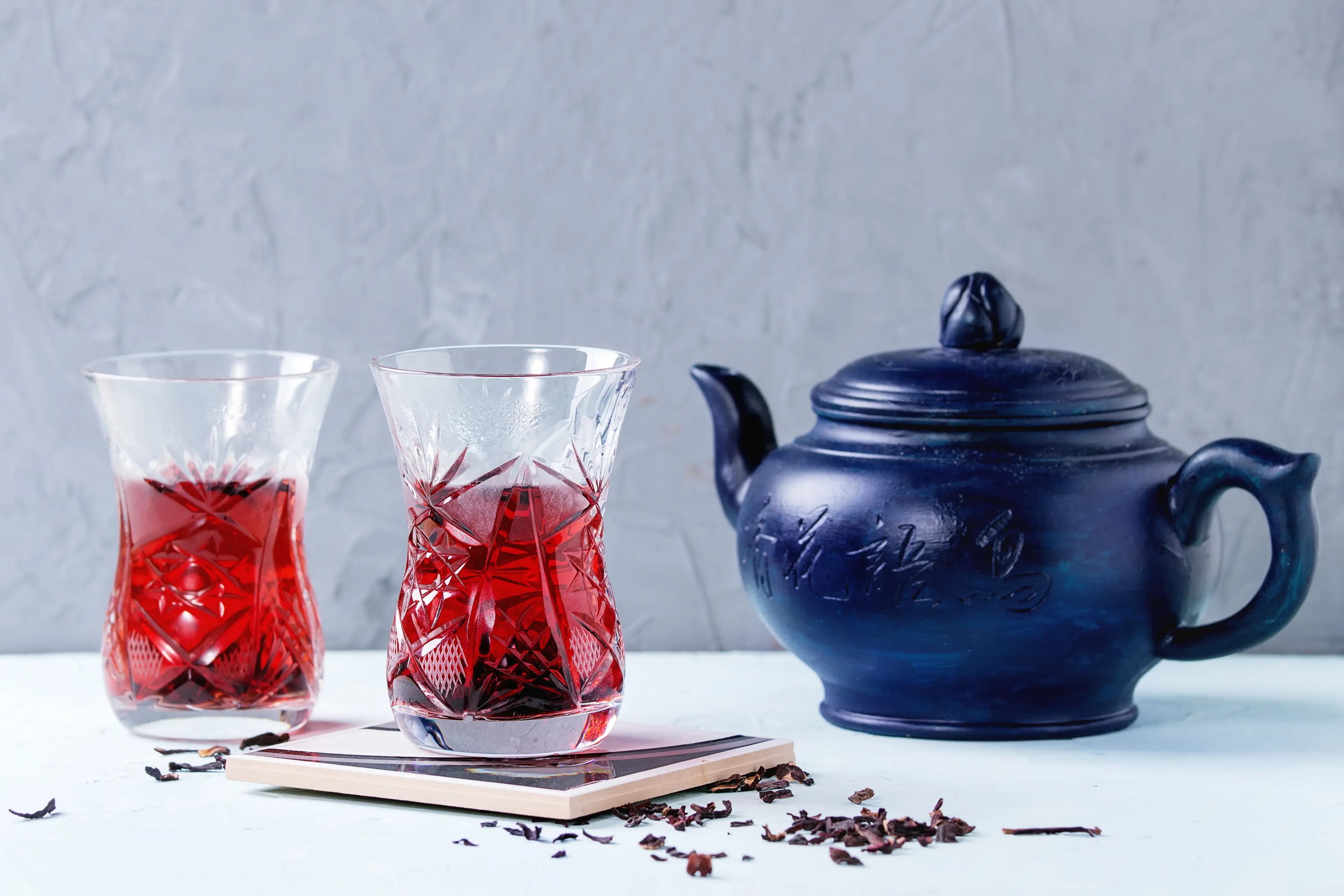
Good source of antioxidants
Previous animal-based studies have suggested that hibiscus extract, rich in antioxidants, like anthocyanin and beta-carotene, may reduce the harmful effects of free radicals by up to 92 percent.
The MD Anderson Cancer Centre describes free radicals as highly reactive, unstable oxygen molecules that are created when an atom or molecule gains or loses an electron.
External factors such as pesticides, a poor diet, air pollutants, exposure to industrial chemicals and smoking cigarettes can generate free radicals in the body.
High levels can cause oxidative stress, resulting in damaged cell membranes alongside proteins, lipids and DNA.
Calorie and caffeine free
The British Heart Foundation considers a ‘moderate’ amount of caffeine to be around four or five cups a day.
If you’re not someone who exceeds this regularly, then you may still want to kick the habit and opt for a caffeine-free drink, such as hibiscus tea, at least six to eight hours before bedtime.
Not only will the calorie-free hot drink stop caffeine from interrupting sleep by blocking adenosine, a brain chemical that promotes sleepiness, but it may also help you get to sleep faster than a good old cup of joe would.
May lower blood pressure
Blood Pressure UK reports that 31 percent of men and 26 percent of women in England have high blood pressure, with complications including a higher risk of heart attacks, stroke, chronic kidney disease, and heart failure.
A previous study published in *The Journal of Nutrition* suggested that daily consumption of hibiscus tea can lower blood pressure in pre- and mildly hypertensive adults.
You should drink the tea after meals, but don’t exceed the two cup per day limit!
May cure hunger pangs
Holland and Barrett wrote that drinking hibiscus tea may make you feel fuller for longer, curb sweet treat cravings and stop you from feeling bloated due to its diuretic properties.
Experts have outlined how easy it can be to confuse hunger for thirst, as the hypothalamus regulates both cues, often activating appetite signals when you’re dehydrated.
By having a mug of hibiscus, you may find that your so-called hunger pangs are satisfied, as you were just thirsty all along.
Studies suggest it can lower cholesterol
High cholesterol, also known as hyperlipidemia, can increase the risk of cardiovascular disease and stroke, the Cleveland Clinic states.
Experts have said that drinking hibiscus tea could lower ‘bad’ cholesterol levels while increasing high-density ‘good cholesterol’ levels.
Supports a healthy digestive system

A healthy digestive system can be maintained by eating fibre, drinking plenty of fluids, and eating a balanced diet rich in fruits and vegetables.
By drinking hibiscus tea regularly, you are more likely to be hydrated, potentially improving your cognitive function and keeping the joints lubricated.
“The fruit acids present in hibiscus can work as a mild laxative,” Parada explained, adding that the drink has a digestive effect that can also help ‘fight heartburn, stomach spasms, gastroenteritis and gas’.
Contains a ton of vitamins and minerals
Most hibiscus tea is high in vitamin C, an essential nutrient hailed by the NHS for its ability to protect cells, maintain healthy skin, and aid wound healing.
The hot drink also contains other minerals that help support a healthy immune system, such as manganese, potassium, calcium, and magnesium, as per WebMD.
 Ella Scott