Simple daily habit could explain why you fart so much

Flatulence is very much a part of daily life, but those who constantly pass gas can perhaps put their burps and farts down to one daily habit.
When we eat, we also swallow air, which collects in the digestive system. This gas build up is eliminated through the mouth or passing through the rectum.
According to Johns Hopkins Medicine, most people produce around one to four pints of gas per day, passing it out of their body around 14 times.
If you’re someone who farts on the regular, then this is a sign that your gut health is probably in check, according to Dr Cait Welsh, a postdoctoral scientist at the Hudson Institute of Medical Research and Monash University.
Advert
"Most of the time, the release of gas is a healthy sign that digestion and gut microbiota are happy and functioning well," she told the Huffington Post.
However, some of us are more gassy than others - and it could be because of what we are munching on through the day.
Chewing gum can cause frequent flatulence

Dr. Vincenzo Berghella of Philadelphia’s Thomas Jefferson University Hospital previously told the Huffington Post that chewing gum can cause gas to build up.
This is because the process can cause some people to take in more air, eventually resulting in gas that needs to be expelled.
Experts at Gas-X have also said that anyone who is chewing sugar-free gum sweetened with sugar alcohols like xylitol, sorbitol, and erythritol may also experience increased flatulence.
Studies suggest that these sweeteners can cause excess gas in the colon, as well as other painful symptoms such as cramps, bloating, and distention.
As well as gum, Dr Folasade P May, Associate Professor at the David Geffen School of Medicine and an Associate Director of the UCLA Kaiser Permanente Center for Health Equity, said people who drink carbonated drinks or eat too quickly may also swallow more air, leading to increased flatulence.
However, it isn’t all bad, with an analysis published in The Journal of Maternal-Fetal & Neonatal Medicine suggesting that women who have delivered via a Caesarean can get their digestive systems back on track by chewing gum for 30 minutes, three times a day.
Berghella said that chewing gum activates the digestive tract by tricking the body into thinking it's eating; signals are sent to the gut to get moving.
"Other people have gut bacteria that produce more gas. Diet, how fast you digest, and medications can also change how much gas you make and pass,” she continued.
FODMAP foods and flatulence
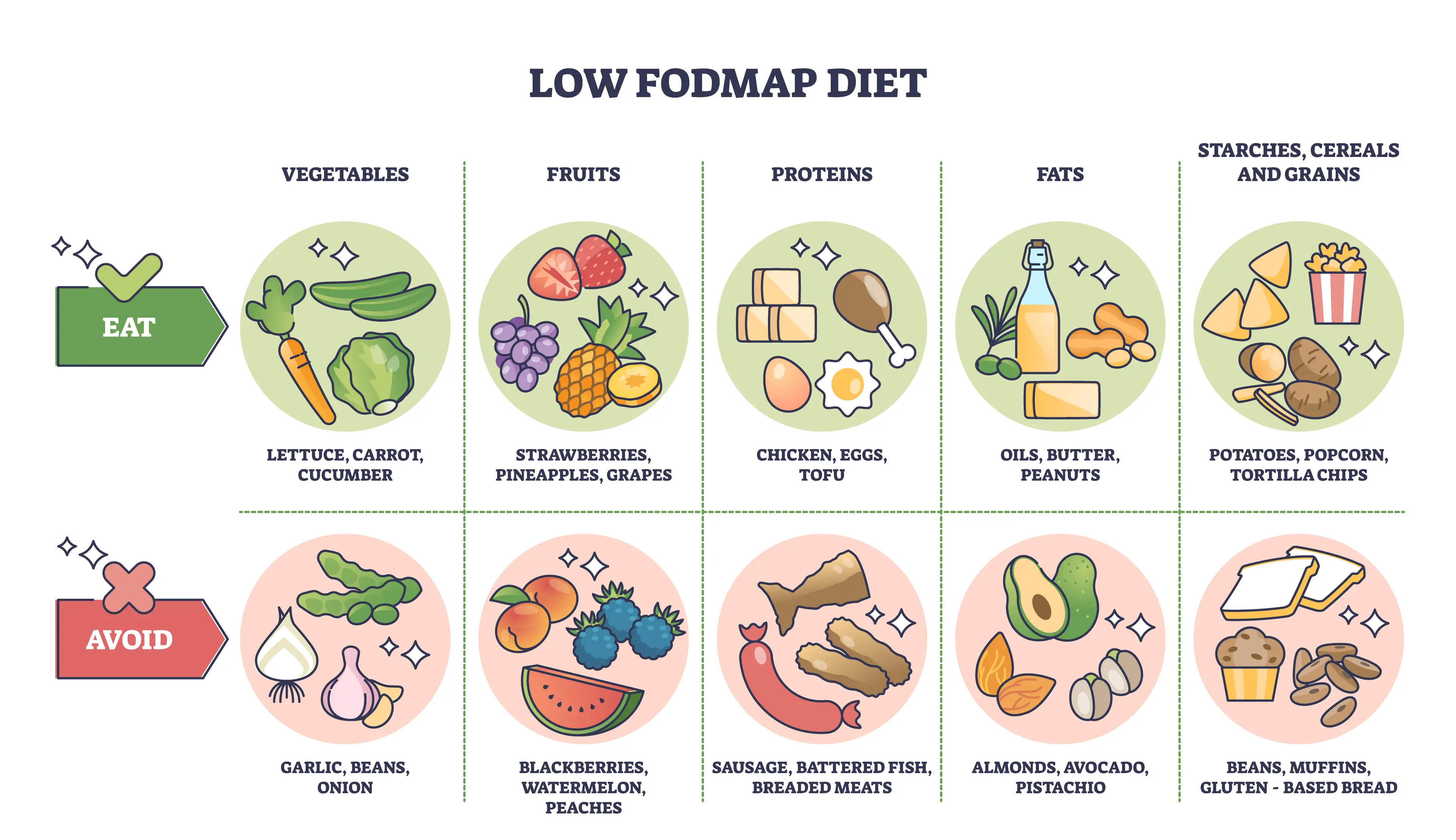
Anyone who has a functional gut disorder, such as irritable bowel syndrome, is advised to avoid chewing gum and also limit consuption of FODMAP foods.
FODMAP, which stands for Fermentable Oligosaccharides, Disaccharides, Monosaccharides and Polyols, can cause people with IBS to pass wind more, as per Paediatric gastroenterologist Dr Ed Giles
High FODMAP foods, such as onions, certain fruits, and dairy, help ‘feed the bacteria in the gut and the bacteria produce the gas, including methane, which smells’.
"If you’re lactose intolerant, consuming dairy can also increase gas production,” Dr Giles added.
Should you be worried about passing gas?
Most people don’t need to worry about their farts, but the NHS advises seeking professional help if your trumping is starting to negatively affect your life.
People who have a a stomach ache or bloating that will not go away or comes back and those who routinely suffer from constipation and diarrhoea should also book in with their GP.
May agreed that anyone who is experiencing rapid weight loss without trying or has had blood in their stool should get in touch with their care provider as soon as possible.
 Ella Scott