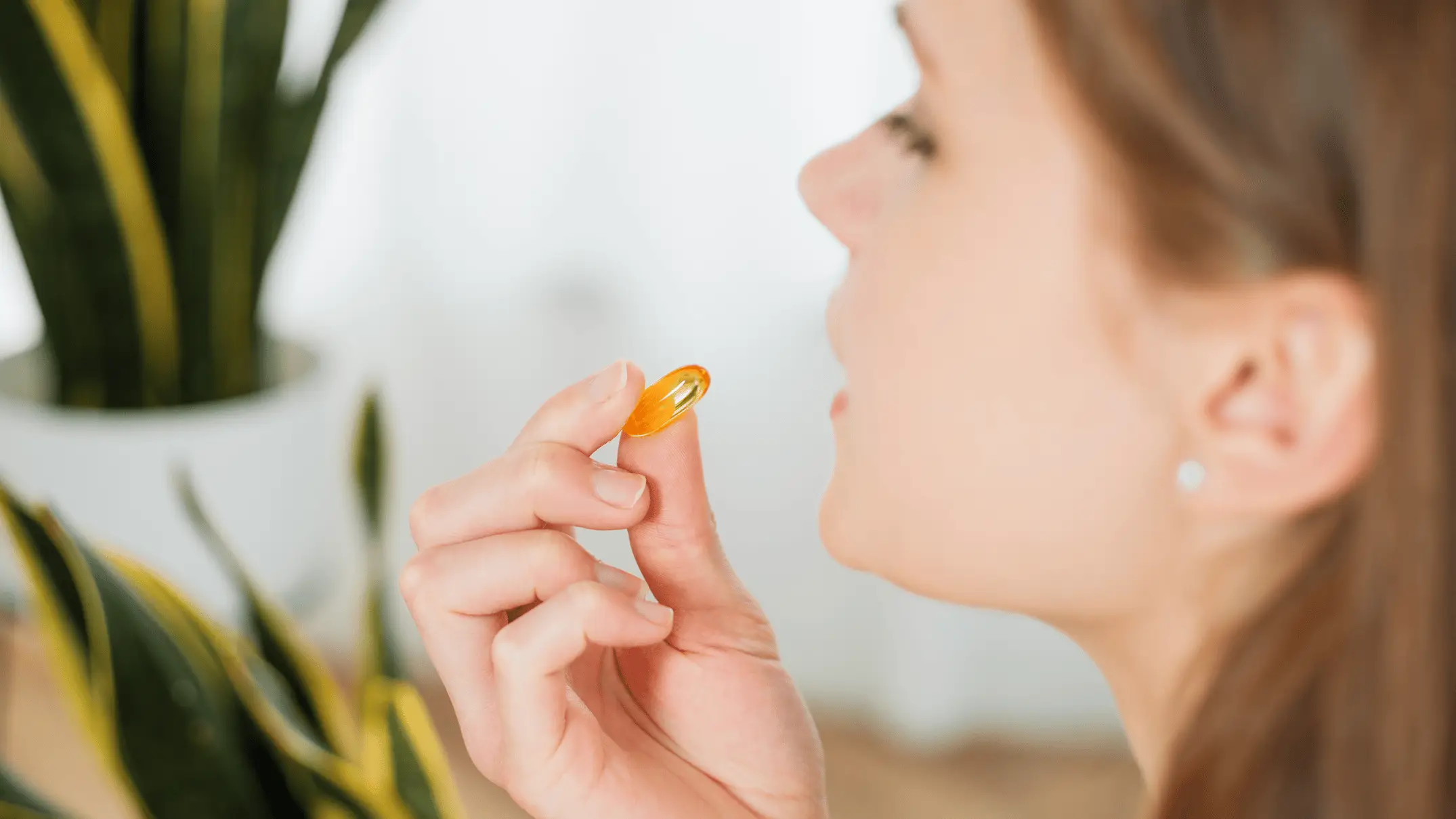
Dietitian shares vitamin D warning over 'biggest misunderstanding'

While vitamin D is considered an essential nutrient, designed to maintain strong bones and support muscle function, there is a glaring ‘misunderstanding’ about it, according to a dietitian.
The British Heart Foundation recommends that anyone over the age of one and under the age of 70 consume no more than 10 micrograms (10 μg) per day.
While this amount may seem low, too much vitamin D can cause major health issues, including hypercalcaemia, as well as side effects such as nausea and vomiting, as per the Food Standards Agency (FSA).
The sun is considered the best source of vitamin D, but during the winter, when sunlight is limited, experts advise taking a dedicated supplement in pill, powder, or liquid form.
Advert
As the days get longer and the mornings appear lighter, you may be tempted to ditch your tablets and embrace the outside world - but a dietitian has warned against this move.

This is because forgoing vitamin D tablets too early can leave your body critically empty, with most people staying deficient for much of the year, according to Karine Patel at Dietitian Fit.
“We simply don’t get enough UVB exposure in the UK during the winter months to produce the right amount of vitamin D through sunlight alone. By the time spring comes around, many people are already running low or deficient without even knowing,” she informed The Mirror.
“Even as the weather gets better, the sun is usually still too weak in early spring to trigger the right vitamin D production in the skin.
“People seem to think that as it’s brighter, their vitamin D levels will naturally recover and rise. But actually, UV levels in March and early April are still too low, particularly if you’re indoors most of the day.”
Patel said that ‘one of the biggest misunderstandings’ when it comes to the nutrient is when its ‘safe to stop supplementing’.

“Most people stop taking vitamin D as soon as the clocks change or when we first enter March. But for most people, April can still be way too premature,” she reasoned.
Instead, a ‘more correct’ cut-off point is thought to be be late April or early May.
The dietitian said that this was because UVB rays increase in strength during this period.
“If you stop too early, you can risk prolonging the period where your body is running on low levels, which can impact immunity, energy and overall wellbeing.”
Patel added that people most at risk of vitamin D deficiency include office workers, northern UK dwellers and those who cover their skin outside for cultural or religious reasons.
 Ella Scott