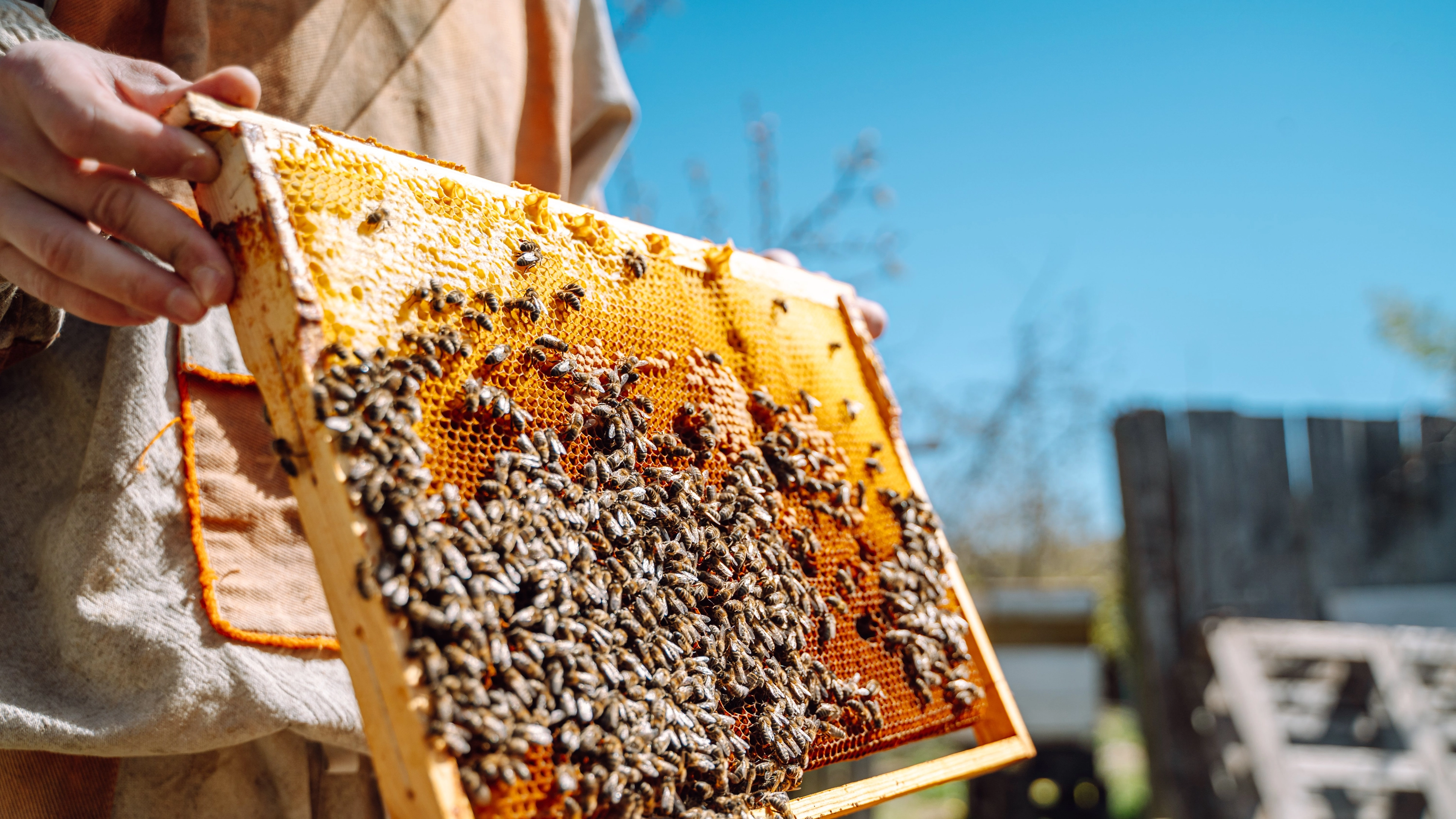
'Mad honey' is only found in two places in the entire world

Pots of ‘mad honey’ are so rare that only two places on the planet are known to create the alternative folk medicine.
Honey’s beginnings are rooted in prehistoric times, with Greeks, Romans, Mayans and other ancient civilisations later recognising the value of our everyday breakfast staple.
Head to your local supermarket and you’ll see rows of clover honey, creamed honey, wildflower honey, and other types of the delicious sweet treat.
But something you’re almost guaranteed not to find in Sainsbury’s or Tesco is a jar of mad honey.
Advert
This dangerous delight is often used as an aphrodisiac (sexual stimulant), while others use it in alternative therapy to treat gastrointestinal disorders, according to a study published in RSC Advances.
If you’re already intrigued, then you need to know that it’s pretty hard to get your hands on, considering Turkish beekeeper Hasan Kutluata is one of the only makers in the world.
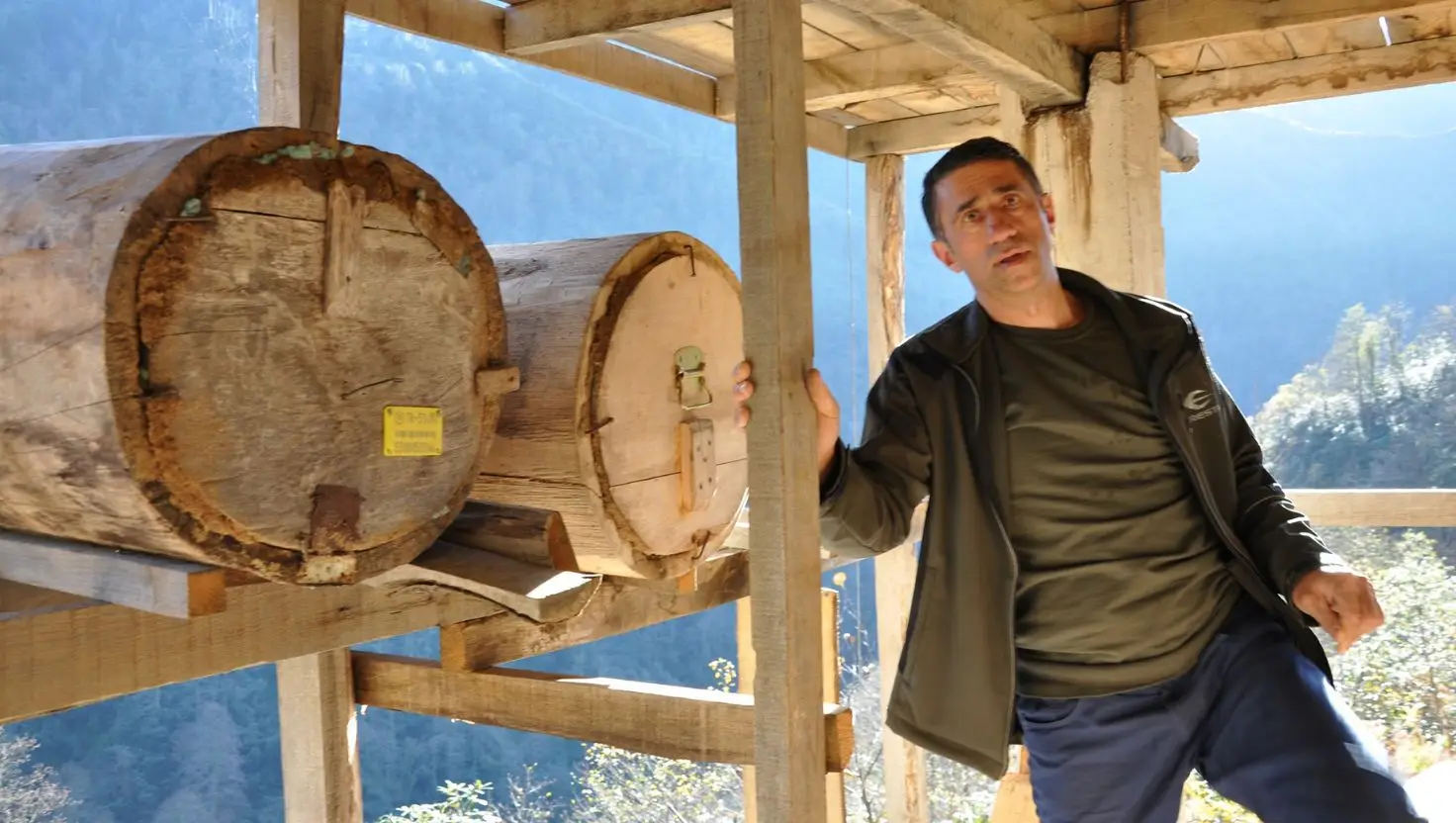
Below, we’ve detailed everything you need to know about mad honey, including how too much can affect your health, and where else you can buy it.
How is 'mad honey' made
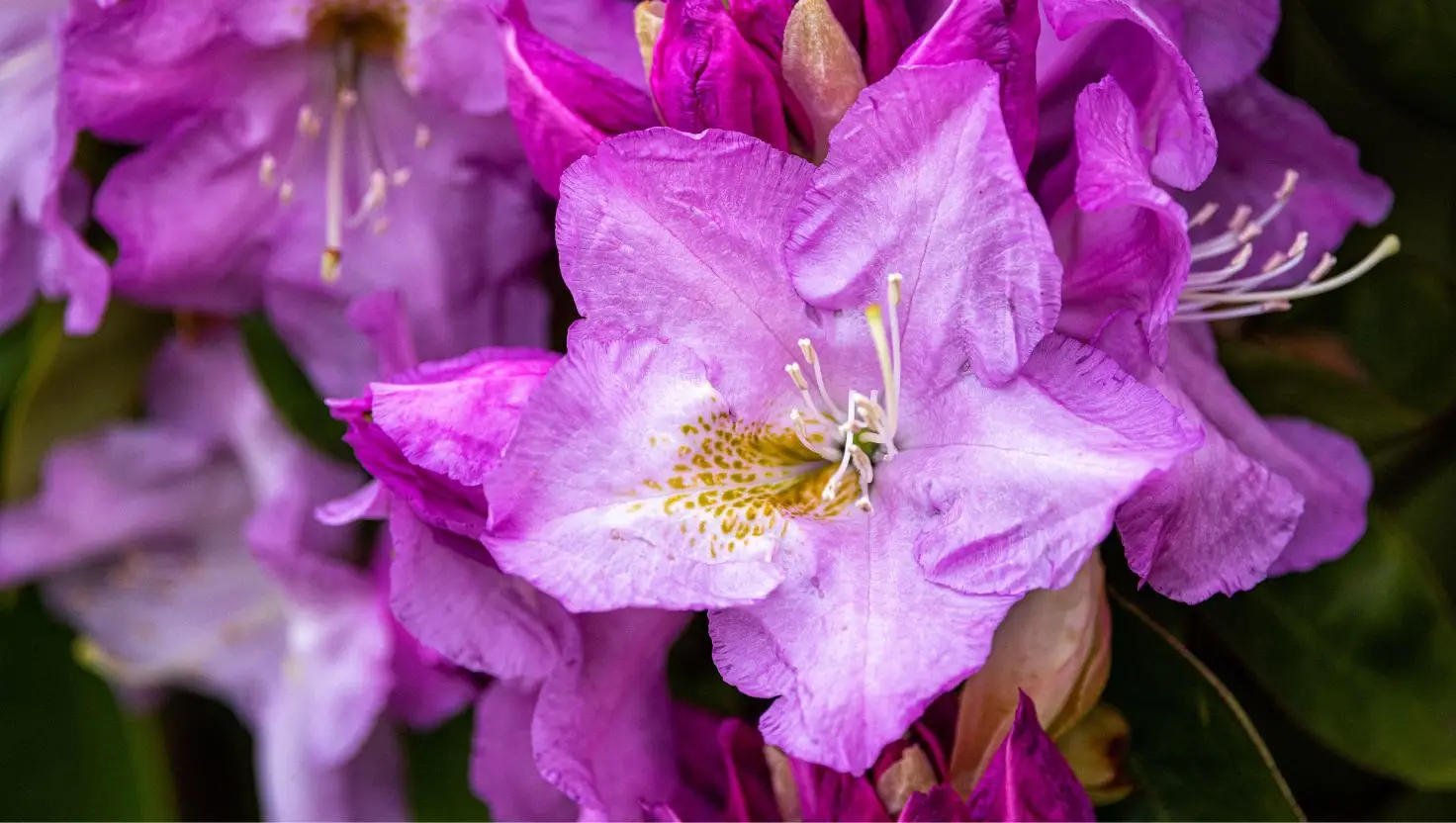
Speaking to CNN, beekeeper Kutluata revealed that his bees usually collect pollen from purple rhododendron flowers in an ‘untouched’ forest in Turkey’s Black Sea region.
This then becomes deli bal - with the latter meaning ‘honey’ and ‘deli’ meaning ‘mad’ or ‘crazy' - which can vary in sweetness depending on the season.
The outlet wrote that the sweet pots will also contain an amount of grayanotoxin, described as a highly toxic diterpenoid by the American Chemical Society.
The toxin can possibly cause dizziness, hypotension, and atrial-ventricular block, as per researchers.
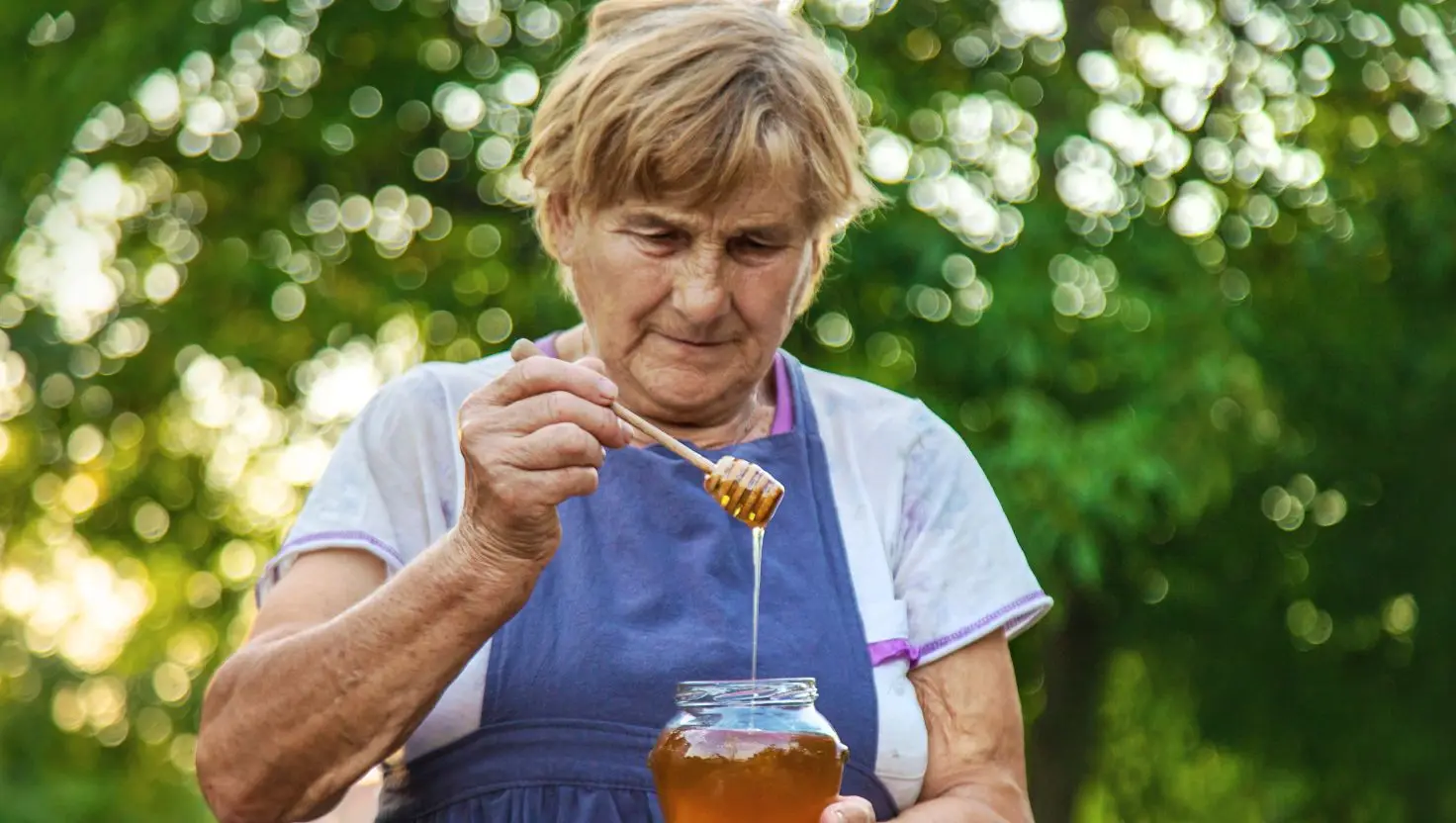
According to Kutluata, his mad honey, which is dark amber red in colour and has an earthy taste, can have an adverse affect if you eat too much.
“There’s no hallucination involved. It just causes dizziness, low blood pressure, a slight fever, nausea, and difficulty walking,” he confirmed.
He also revealed that the longer the honey stays in the hive, the higher its quality becomes.
The Turkish expert isn’t the only person to create ‘mad honey’ though.
The folk medicine favourite is also being made in Nepal’s Hindu Kush Himalayan mountain range.
Where is it legal to sell mad honey?
Deli bal is sold legally in Turkey, and is generally permitted in the European Union, as long as it adheres to food regulations.
These include strict labelling requirements, such as warnings about grayanotoxin content, which must not exceed 0.1mg/kg.
In the UK, the mad honey is generally legal for personal use and as a food product.
However, if it is sold as a psychoactive hallucinogen, then it could be classed as an illegal product under the 2016 Psychoactive Substances Act.
In the United States, the US Food and Drug Administration does not recommend its consumption due to its ‘intoxicating qualities’.
“Consumers should check labeling of honey to ensure it is not labeled as ‘mad honey’ or marketed for intoxicating qualities,” an FDA spokesperson told CNN.
“Eating honey with a high amount of this toxin can lead to ‘mad honey’ poisoning, with symptoms such as nausea, vomiting, or dizziness. This type of poisoning is rare.”
What to do if you have mad honey poisoning
According to the Cook County Hospital Emergency Medicine blog, people with mad honey poisoning will start exhibiting symptoms within three hours of ingestion.
If you start to experience gastrointestinal symptoms, hypotension, blurred vision, and salivation through an unknown mechanism, you should seek medical advice as soon as possible.
Treatment of grayanotoxin poisoning can consist of activated-charcoal, and IV fluids or pressors for blood pressure support, as per the experts.
 Ella Scott