4 people dead and 39 ill in 'unusual' rise in toxic mushroom poisoning

Foraging has long enjoyed a quiet revival, fuelled by an appetite for seasonal eating, rustic traditions, and the simple thrill of finding food in the wild.
Still, while the romance of wild food remains popular among some, experts continue to warn that not everything growing freely is safe to eat. Mushrooms, in particular, sit in a category of their own; whilst some are prized delicacies, others are harmless but unpalatable, and a small number can cause devastating harm when mistaken for something edible.
The problem is not always a case of people being too reckless, as many toxic mushrooms closely resemble varieties eaten safely around the world, and the differences are often subtle enough to evade anyone without specialist knowledge.
Add in cultural traditions of foraging and a surge in growth after wet weather, and the risk multiplies quickly.
Advert
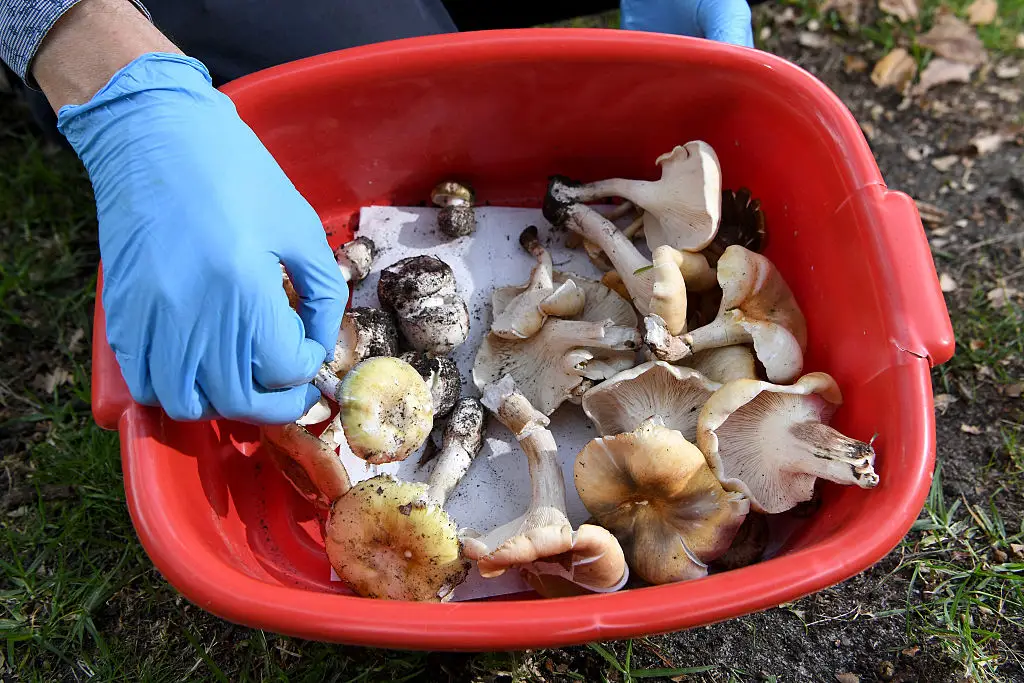
Factors like these are why health officials in California have issued stark warnings following what they describe as an ‘unusual’ spike in mushroom-related poisonings. Four people have died, and 39 others have fallen seriously ill after consuming wild mushrooms linked to the death cap, widely regarded as one of the most dangerous fungi in existence.
The California Department of Public Health has urged people to ‘not eat wild mushrooms’, describing the situation as ‘an unprecedented outbreak of severe illness and deaths associated with people accidentally picking and eating poisonous wild mushrooms, specifically Death Cap and Western Destroying Angel mushrooms’. These mushrooms, which can resemble edible varieties, have been growing rapidly following the rainy season.
Laura Marcelino, who was hospitalised alongside her husband, told KSBW, as reported by People: “We thought to ourselves, it’s the rainy season, and like back in our town, people pick up the mushrooms. It’s food, but we didn’t think it was poisonous.”
Medical professionals say that confusion is common. Dr Craig Smollin, medical director for the San Francisco Division of the California Poison Control System, said: “Unless you’re an expert who studies mushrooms it can be very difficult to know [the difference].”
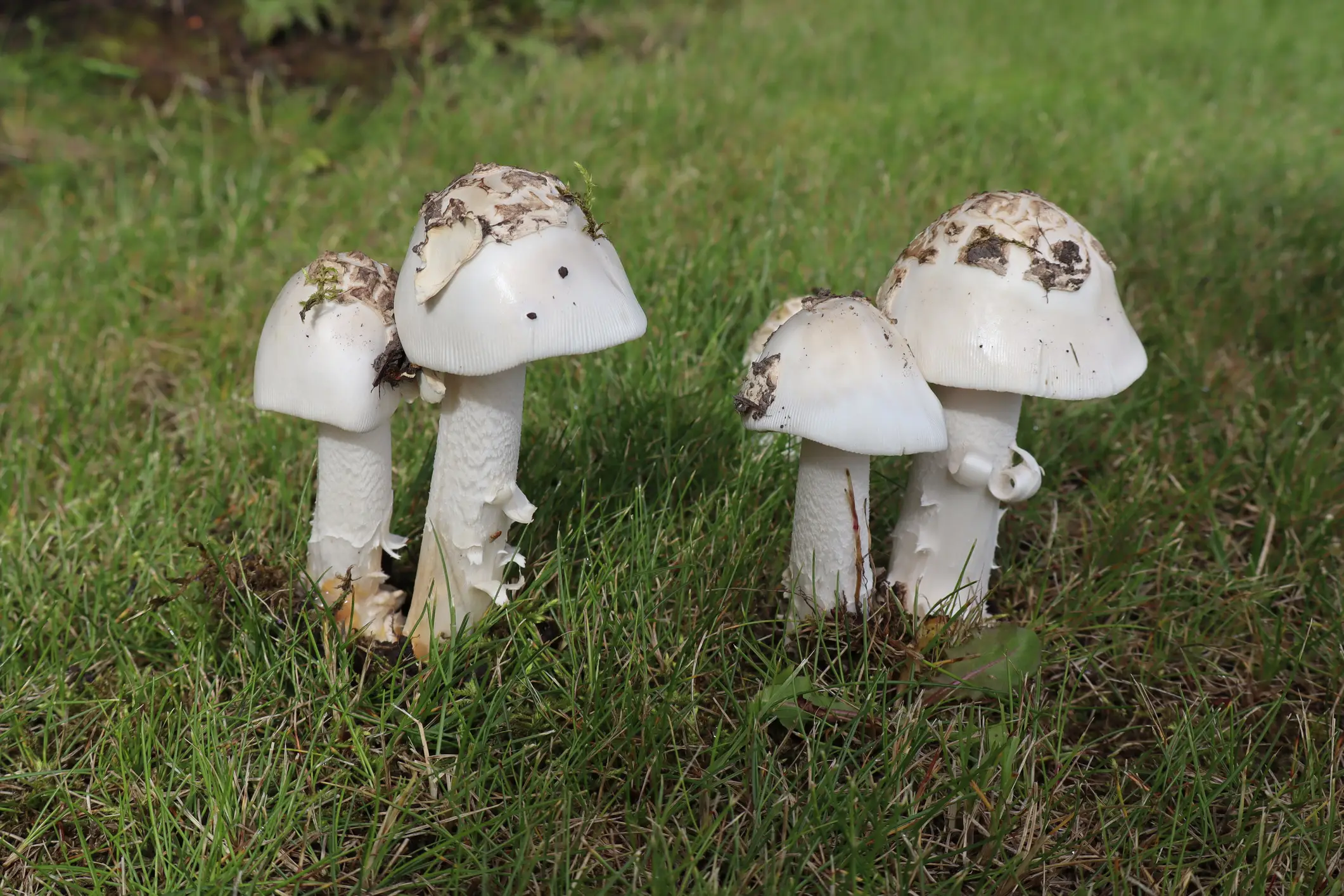
Beyond the fatalities, the scale of the outbreak has alarmed specialists. Smolin added: “The main thing this year is just the magnitude, the number of people ingesting this mushroom…Having almost 40 is very unusual.”
Death cap mushrooms primarily attack the liver, though kidneys and other organs can also be affected. Three patients have required liver transplants, underlining the severity of the poisoning. Symptoms can be delayed for up to 24 hours and include stomach pain, vomiting, diarrhoea, fatigue and confusion, before escalating to seizures, organ failure and death.
Crucially, officials stress that there is no safe way to prepare these mushrooms. Adding that no amount whatsoever is safe to consume, the health department warned: “Death Cap mushrooms are still poisonous even after cooking, boiling, freezing or drying.”
 Ben Williams