
California becomes first US state to ban 'harmful' UPFs from schools

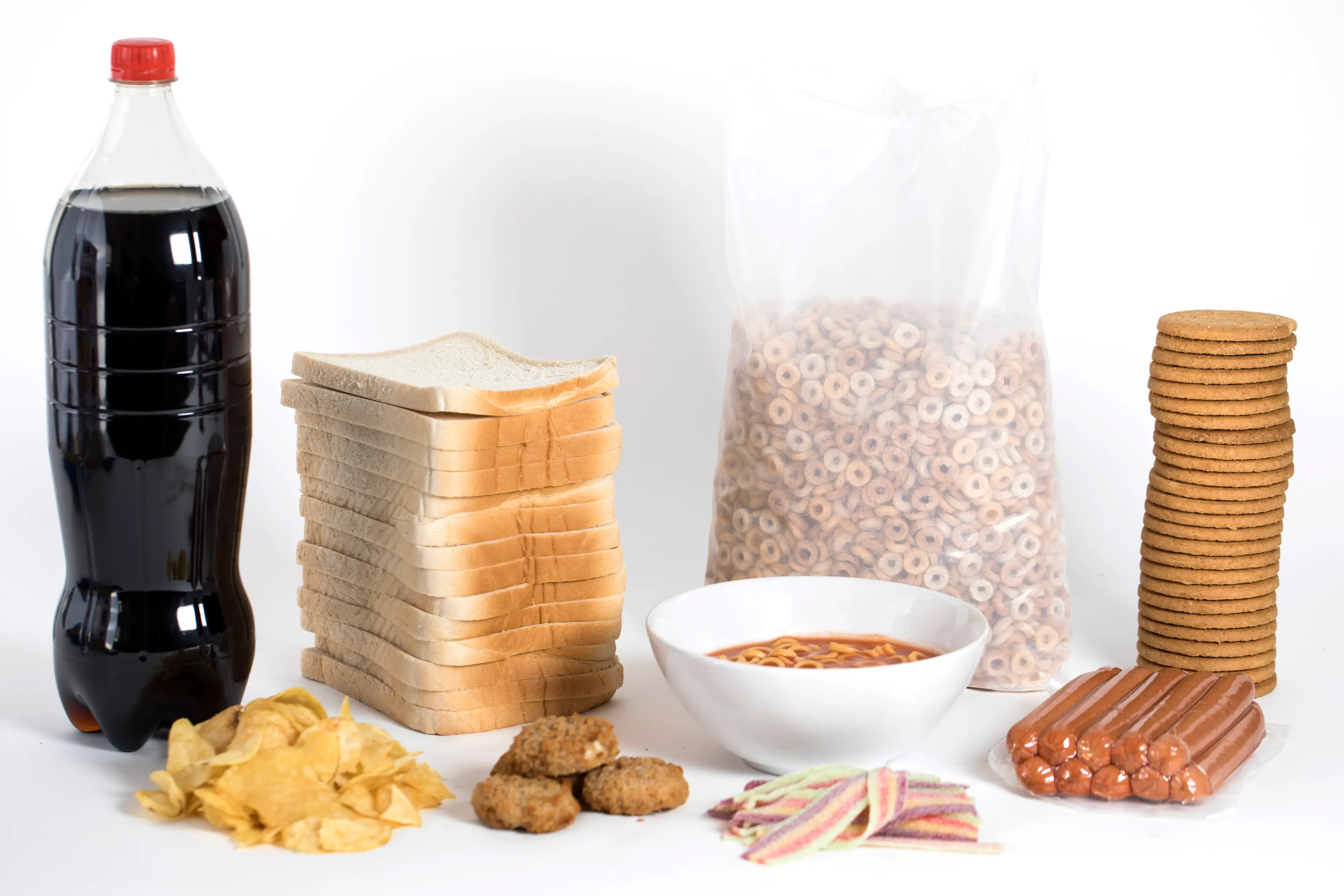
California is set to become the first US state to ban ultra-processed foods (UPFs) from being used in school lunches.
Governor Gavin Newsom signed the legislation on 8 October, and it is intended to phase out the foods being served in school meals over the next 10 years.
UPFs have been the centre of much debate, including as to what precisely defines 'ultra-processed'.
The new bill, Assembly Bill 1264, will address this and define UPFs in law.
Advert
More generally, UPFs are defined as foods and drinks which contain additives to increase their shelf life or to enhance flavour, though there is not currently an official federal definition in the US, and the FDA is working on this separately.
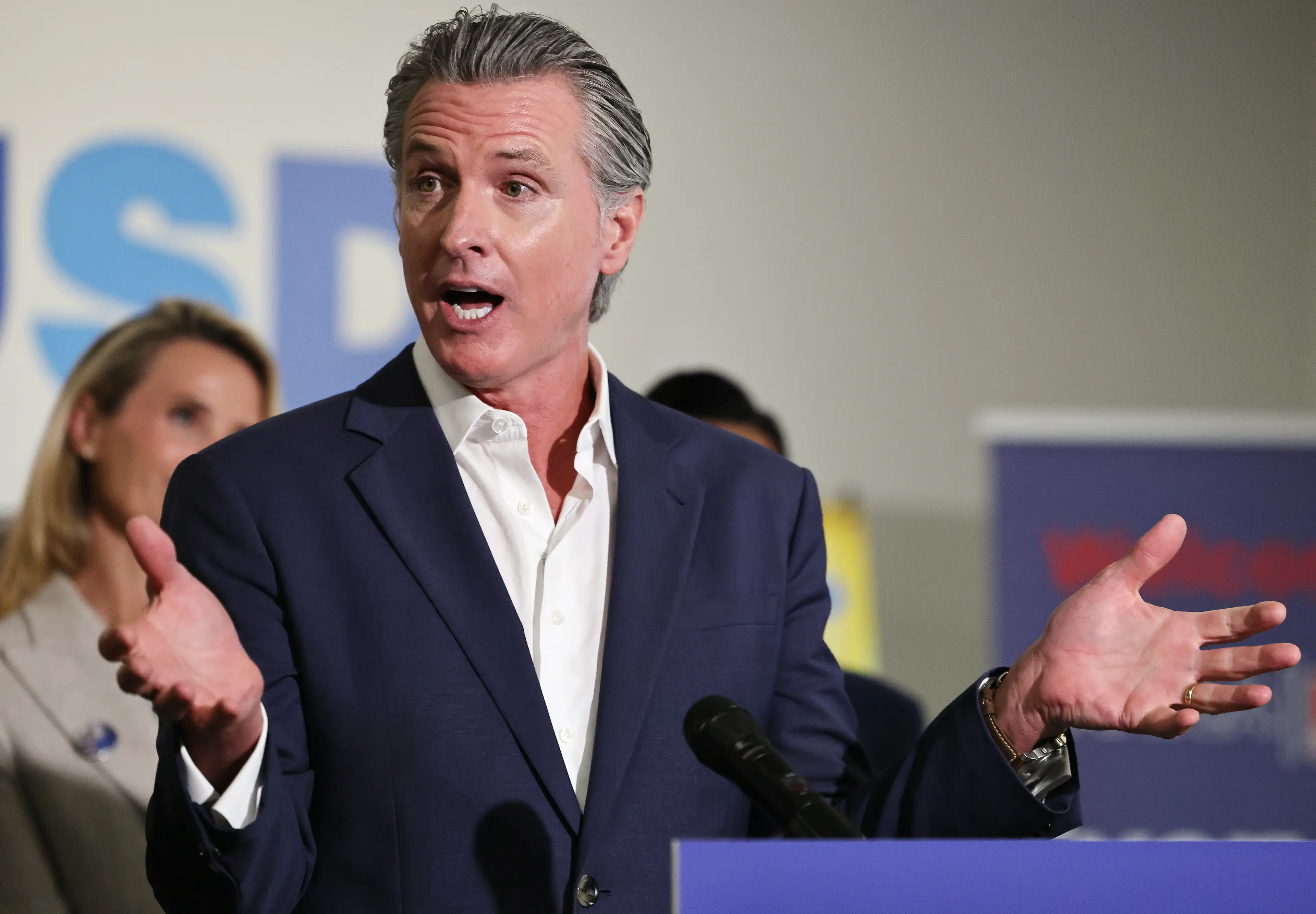
Announcing the bill, Governor Newsom said: “California has never waited for Washington or anyone else to lead on kids’ health — we’ve been out front for years, removing harmful additives and improving school nutrition.
"This first-in-the-nation law builds on that work to make sure every California student has access to healthy, delicious meals that help them thrive.”
While California is the first state to pass legislation on UPFs, it is far from the only state in the US to be looking into the issue.
Across the US, more than 100 bills have been introduced across legislatures which are looking to either ban or require labelling of the additives which appear in a lot of ultra-processed foods,.
This might include preservatives, flavourings, as well as artificial dyes.
Meanwhile, the FDA's work towards a federal definition of 'ultra-processed' suggests that federal regulation could also be on the cards in the future.
Assembly member Jesse Gabriel (D-San Fernando Valley) introduced the bill in California, and criticised Washington's 'inaction' on regulating the additives.
Gabriel said: “With Governor Newsom’s signature on AB 1264, California has taken a historic step toward protecting our children from harmful ultra-processed foods and chemical additives.
“While Washington DC is paralysed by inaction, California is once again leading the nation with a bipartisan, common sense, science-based approach.”
However, the actual impact and definition of 'ultra-processed' is still up for debate.
Many foods which are highly processed, such as tofu, baby formula, and some types of bread, can be healthy if taken as part of a balanced diet, and in the case of baby formula are not only healthy but potentially life-saving.
This raises the question of whether it is the processing itself which is the problem or the nutritional contents of many foods which are considered to be UPFs, which can be high in sugar, salt, and fat, all of which can cause health problems if consumed excessively.
If this is the case, the argument goes that regulation of food for public health may be more effective if aimed at the quantities of these ingredients included in foods, rather than targeting additives.
 Kit Roberts