
6 ingredients that are banned in the UK - but not the US

The United States has a ‘more forgiving set of regulations’ than the European Union (EU) does when it comes to governing the use of additives, preservatives and other chemicals in food and drinks, according to David Faris, professor of political science at Roosevelt University.
However, with Robert F. Kennedy’s Make America Healthy Again (MAHA) movement, and in-motion plans for the food industry to voluntarily phase out various petroleum-based food dyes, the ‘difference has begun to narrow’.
Despite the moves being made, a plethora of ingredients banned in the UK and the EU can still be found in many American grocery store staples.
These include, but are not limited to, potassium bromate, titanium dioxide and a waxy antioxidant classed as a potential carcinogen.
Azodicarbonamide (ADA)
ADA, an odourless yellow-orange crystalline powder, is approved by the FDA for use as a ‘whitening agent in cereal flour and as a dough conditioner in bread baking’.
Advert
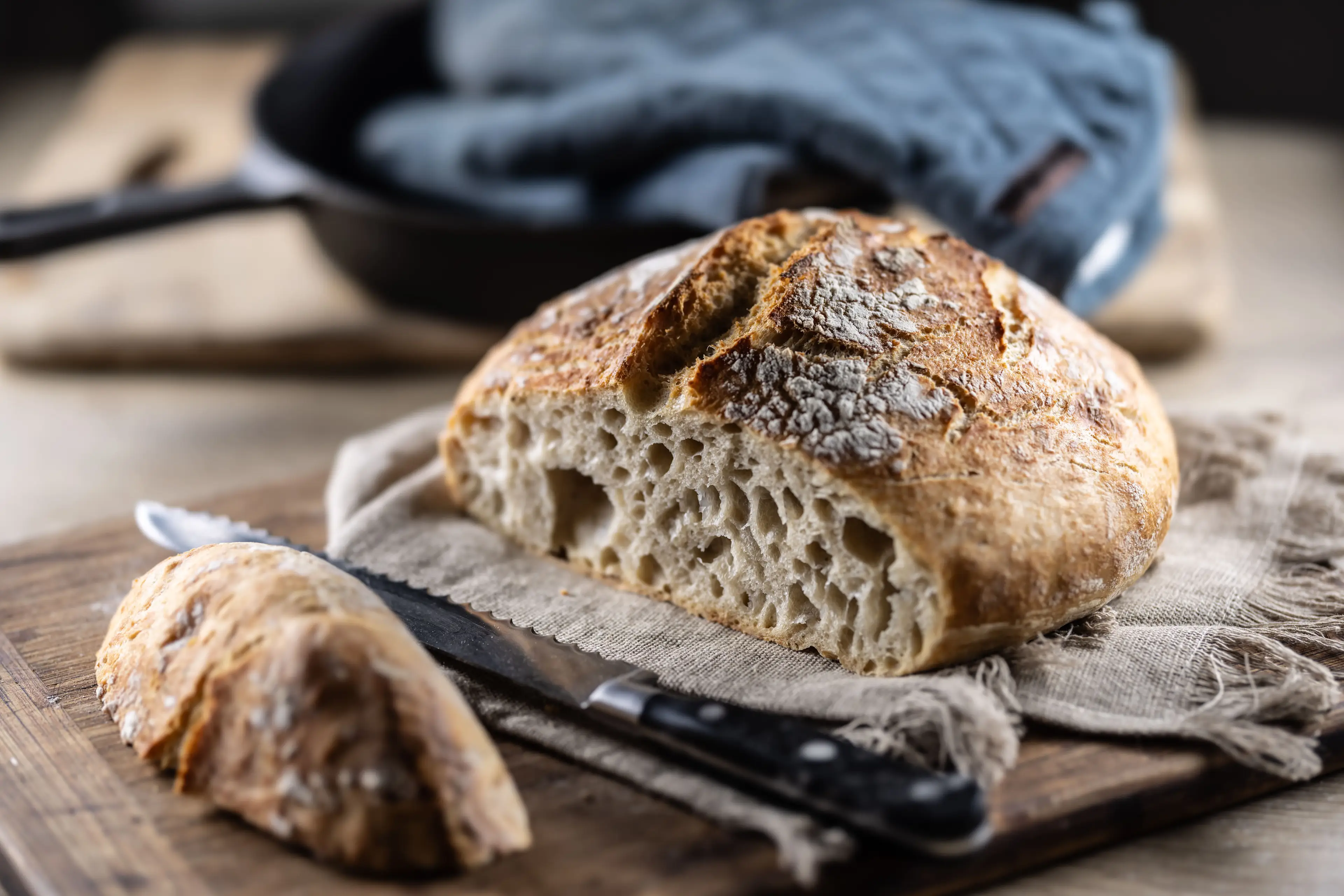
The agency considers the food additive - also authorised for use as a blowing agent in sealing caps for food containers such as ketchup bottles - as safe when used for the purposes and at the levels specified in the FDA regulations.
Despite the European Food Safety Authority banning the use of ADA, the US agency is ‘continuing to evaluate the safe use’ of the synthetic additive, having previously conducted a comprehensive exposure assessment in 2016.
Butylated hydroxyanisole (BHA)
Butylated hydroxyanisole, a synthetic and waxy antioxidant known as BHA, is highly restricted in Europe due to its classification as a potential carcinogen.
In the United States, BHA is a ‘preservative used in cured meats and other foods’, as per the Environmental Working Group.
Last month, the FDA ordered a new safety review of BHA following its ‘long-standing concerns that the food additive might cause cancer in humans,” NBC News stated.
Butylated hydroxytoluene (BHT)
BHT (butylated hydroxytoluene) is a synthetic antioxidant used in food products to delay oxidative rancidity of fats and oils and prevent loss of activity of oil-soluble vitamins, as per Drugs.com.
The additive was restricted in the EU in 2022 due to its potential as an endocrine disrupter, which can interfere with hormonal functions.
Despite potential health risks, FDA agents currently classify BHT as generally recognised as safe (GRAS) when used in low, regulated amounts.
As per The Week, the FDA launched a ‘postmarket assessment of the safety of BHT as used in food and food contact materials’ last year.
Potassium bromate
According to the International Agency for Research, potassium bromate has been classified as ‘possibly carcinogenic to humans’.
Despite this, the substance is still found in baked goods such as bread, tortilla chips and cookies in the United States.
A 2023 study found that bakers in Bamenda who used potassium bromate in their craft exhibited toxicity symptoms, such as painful eyes, cough, and sore throat.
Propylparaben
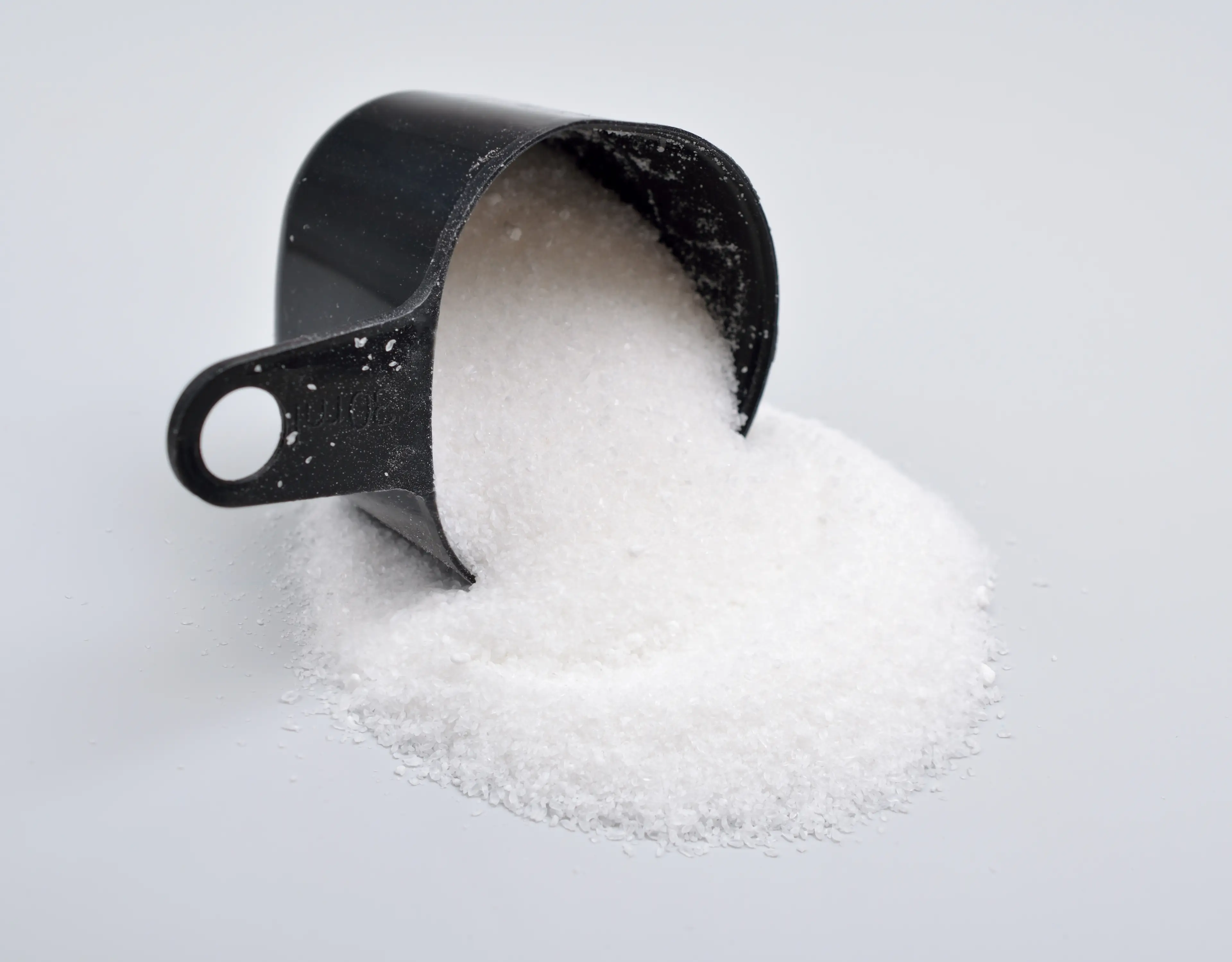
Widely used as an antimicrobial preservative, propylparaben helps to ‘stop the growth of microorganisms in most packaged foods’, the Mayo Clinic reported.
However, like BHT, it has the potential to interfere with your endocrine system. This concern led the EU to ban their inclusion in foods 20 years ago.
A 2024 FDA review did not lead to any new regulatory action, with propylparabens still cropping up in corn tortillas, cake icing, and condiments.
Titanium dioxide
This naturally occuring compound, known as titanium dioxide, is used as a pigment in paints, plastics, and sunscreens.
However, it’s also used as a food colouring, with many manufacturers opting to use it in candy, coffee creamers, and pastries.
The EU banned titanium dioxide for food use in 2022 because previous research has shown it to likely be a neurotoxin, as per The Guardian.
 Ella Scott